Demystifying Essential Decluttering: How to Overcome Emotional and Physical Barriers to Letting Go

Understanding the Need for Decluttering
In a world inundated with possessions, the act of decluttering often feels overwhelming. For many, letting go of items carries emotional weight that stifles the desire to declutter. However, understanding the barriers can pave the way for transformative change, resulting in not just a tidier environment but also improved mental well-being and increased productivity.
Emotional Barriers
Many individuals cling to objects tied to fond memories or feelings of security. Recognizing these emotional attachments is the first step toward effective decluttering. Common emotional barriers include:
- Sentimental value of gifts or heirlooms: Items shared by loved ones, such as a grandparent’s jewelry or a friend’s heartfelt gift, often become more than just possessions. They are imbued with stories and affection, making it difficult to part with them, even if they are no longer practical.
- Fear of losing parts of one’s identity: Many people associate their belongings with who they are or once aspired to be. A closet full of clothes may symbolize past experiences or aspirations, leading to an identity crisis when faced with the decision to donate or discard.
- Regret tied to purchase decisions: Sometimes, the guilt of having spent money on items that are hardly used can transform into emotional ‘baggage,’ causing individuals to hold onto them in hopes of making them useful someday.
Physical Barriers
While emotional hurdles can be significant, physical space constraints and the sheer volume of items present their own challenges. Addressing physical barriers in the decluttering process is essential. These factors often manifest as:
- Overwhelming clutter accumulation: The accumulation of items over time can create a chaotic environment. Living amongst constant visual reminders of disarray can heighten stress levels, making it even more challenging to initiate the decluttering process.
- Lack of time and a structured plan: In our fast-paced lifestyles, many people struggle to find the time to sort through their belongings. Without a clear plan, the task can feel insurmountable and lead to avoidance.
- Procrastination and avoidance behavior: The overwhelming nature of decluttering can lead to a cycle of procrastination. Individuals may opt to put off the process indefinitely, leading to increased clutter and stress over time.
Understanding these emotional and physical barriers to decluttering not only shines a light on the difficulty of the process but also encourages individuals to take the first step. The recognition of these challenges is crucial, as it allows people to find coping strategies that work for them. In the following sections, we will explore proven strategies to ease the path to a more organized and peaceful space. For instance, setting small goals, using the “one in, one out” rule, or scheduling dedicated decluttering time can significantly alleviate the weight of both emotional memories and physical clutter. The journey to decluttering may be challenging, but with the right approach, it can lead to a liberating and refreshing transformation of your living space.
DISCOVER MORE: Click here to learn how intentional spaces can enhance your organization
Identifying the Roots of Emotional Attachments
Before embarking on a decluttering journey, it’s vital to understand the emotional attachments that often hinder the process. The possessions we own are not merely objects; they are intertwined with our memories, experiences, and even our sense of self. This emotional aspect can lead to resistance, making it essential to delve into why we struggle to let go.
Unpacking Sentimental Value
Sentimental value is a significant barrier to decluttering, and it often stems from deep connections to personal milestones or relationships. When faced with the prospect of parting ways with items like a childhood toy or wedding mementos, individuals may experience a wave of nostalgia, leading to indecision. Here are a few considerations:
- Understand the story behind the item: Before making a decision, reflect on what the item represents. Does it symbolize a cherished moment, or is it simply taking up space? By acknowledging its significance, you can better assess its value in your current life.
- Consider creating a memory box: For those items that hold significant emotional weight but are impractical to keep, consider designating a memory box. This allows you to preserve the memory without cluttering your space with physical items.
- Shift your focus: Instead of viewing decluttering as loss, reframe it as making room for new experiences and memories. This mindset shift can help alleviate the emotional burden of letting go.
Exploring Identity and Belonging
Another aspect that complicates the decluttering process is the deep-seated connection between possessions and personal identity. Many items in our homes—be it books, clothing, or decor—are often seen as reflections of who we are or who we aspire to be. This can create a sense of panic when confronting the idea of disposal:
- Question the role of each item: Does that collection of trophies still represent your passion for sports, or are they relics of a past version of yourself? Challenging the relevance of such objects can help you reassess your current identity and goals.
- Acknowledge growth: Recognizing that your tastes and interests evolve can make it easier to release items that no longer align with your present self. Embrace the changes you have made over the years rather than feeling confined by past decisions.
- Reflect on practicality vs. sentiment: Finding a balance between keeping items for sentimental value and maintaining a functional living space is vital. Ask yourself: Does this item serve a purpose, or do I keep it out of obligation?
By understanding the emotional roots tied to your possessions, you can begin to dismantle the mental barriers blocking your decluttering journey. The process may require patience and introspection, but with each item evaluated, you are one step closer to a more organized and serene living environment. Moving forward, we will explore practical strategies that will guide you in implementing a decluttering plan, empowering you to conquer both emotional and physical obstacles on your path to a cleaner, more fulfilling space.
| Emotional Barriers | Strategies to Overcome |
|---|---|
| Sentimental Attachment | Consider the value of experiences over items. Take photos before letting go. |
| Fear of Regret | Identify essentials that truly serve you; let go of duplicates. |
| Guilt | Recognize that letting go is a form of self-care and growth. |
| Overwhelm | Break tasks into small, manageable steps to make progress. |
Understanding and addressing emotional barriers is pivotal in the decluttering journey. Sentimental attachment to items can often cloud judgment, leading to clutter accumulation. Strategies such as prioritizing memories over possession can ease this attachment.Fear of regret can paralyze decision-making. Identifying essentials that genuinely contribute to life allows individuals to move forward confidently, making the process less daunting. Guilt often surfaces when parting with items given by loved ones, but remembering that letting go is a path to self-fulfillment is crucial.The feeling of overwhelm can halt progress altogether. Implementing small, manageable steps can transform the decluttering process from an insurmountable task into a series of achievable goals. Making these shifts not only helps declutter physical spaces but also clears mental pathways to a freer lifestyle.
DIVE DEEPER: Click here to learn the secrets of decluttering
Practical Strategies for Overcoming Physical Barriers
While emotional attachments can create significant hurdles in the decluttering process, physical barriers often manifest as logistics that keep us from letting go of our possessions. Whether it’s a lack of time, motivation, or the sheer volume of items to sift through, these factors can lead to paralysis. However, implementing pragmatic strategies can help navigate these challenges effectively.
The Power of Time Management
One of the predominant reasons people feel overwhelmed by decluttering is the perception that it requires significant time investment. To overcome this obstacle:
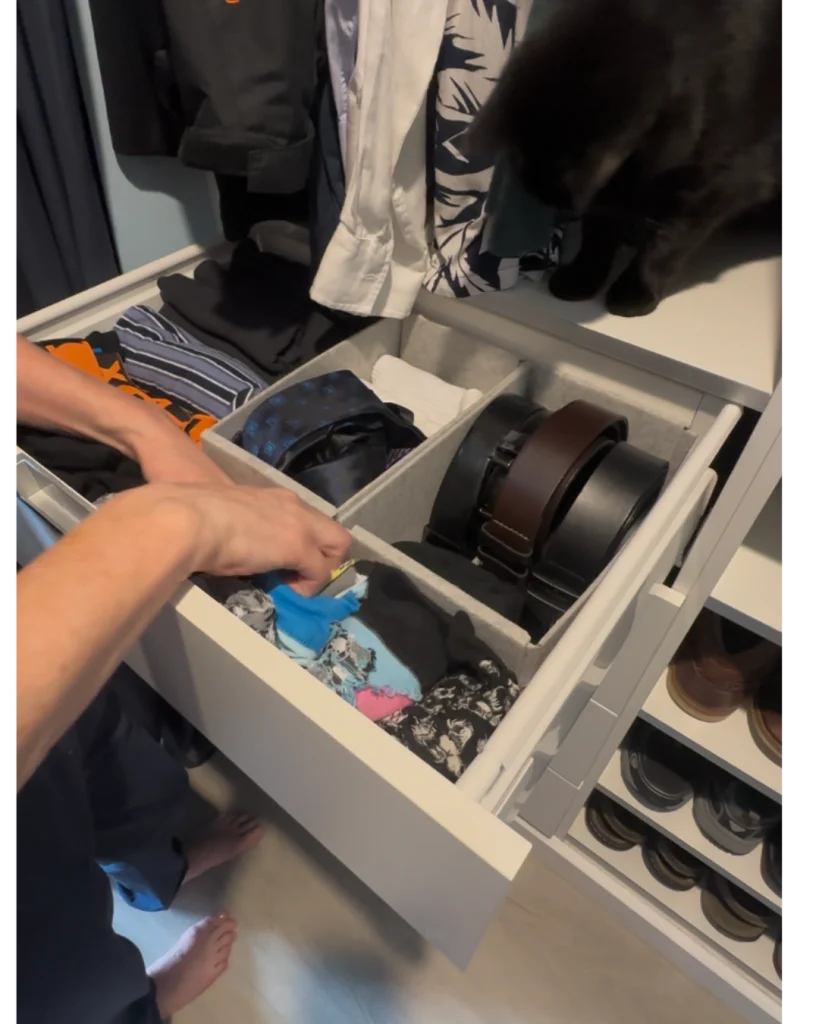
- Set very small, manageable goals: Instead of aiming for an entire room, tackle one drawer or a single shelf at a time. This approach not only makes the task less daunting but also provides a sense of accomplishment with each completed segment.
- Schedule decluttering sessions: Treat them as important appointments that you cannot miss. Dedicating just 15-20 minutes a day can lead to substantial progress over time. Consistency is crucial.
- Use timers: Follow the Pomodoro technique by setting a timer for 25 minutes of focused decluttering followed by a 5-minute break. This structured technique can enhance focus and make the task feel more manageable.
Creating a Physical Decluttering System
Having a solid plan to tackle your clutter is essential. A systematic approach can streamline the decluttering process:
- Establish sorting categories: Create clear categories such as ‘Keep’, ‘Donate’, ‘Sell’, and ‘Trash’. Labeling bins or boxes can visually segment the process and make decision-making simpler.
- Use the “One-Year Rule”: If you haven’t used or worn an item in the last year, consider whether it’s truly needed. This simple strategy can provide a much-needed reality check on your holdings.
- Enlist external support: Sometimes, two (or more) heads are better than one. Involving a friend or family member can not only provide emotional encouragement but also additional perspectives on the items you’re holding onto.
Understanding the Role of Resources
Utilizing available resources can also help mitigate physical decluttering challenges:
- Research local donation centers: Many organizations in the U.S. accept donations, and some even arrange for pickups. Knowing where to send items can make the process feel more fulfilling as you transition them to a new life.
- Explore online selling platforms: Websites and apps like Facebook Marketplace, Poshmark, or ThredUp can provide a quick avenue for selling items you no longer want. The realization that your items can serve others may add motivation to let go.
- Consider professional organizers: If the task feels too overwhelming, hiring a professional organizer can provide expert advice and hands-on assistance. This option is particularly helpful for those with significant clutter or emotional attachments they cannot navigate alone.
By implementing these practical strategies, you can start to dismantle both emotional and physical barriers to decluttering. Progress may be gradual, but each step contributes to a more streamlined and peaceful environment. As you cultivate a system that works for you, it’s possible to foster a profound sense of clarity and liberation within your space.
DISCOVER MORE: Click here to enhance your daily routine
Conclusion: Embracing the Journey of Decluttering
In conclusion, demystifying essential decluttering involves addressing both the emotional and physical barriers that often stand in our way. By acknowledging our attachments and learning to let go, we can foster a healthier relationship with our possessions. Remember, decluttering is not just about the act of sorting through items; it is a journey towards creating a more peaceful and organized living space that aligns with our values and aspirations.
As we’ve explored, practical strategies such as setting small goals and establishing a systematic approach can help you make progress without feeling overwhelmed. The importance of time management cannot be overstated; dedicating just a few minutes each day may lead to significant long-term changes. Engaging with external resources, whether through community donation centers or online marketplaces, can also enhance the decluttering experience, transforming it from a daunting task into an empowering endeavor.
Ultimately, the path to decluttering is deeply personal and often requires patience and self-compassion. As you embark on this journey, remind yourself that letting go is not merely about the loss of items but about making room for new opportunities and experiences. By overcoming the emotional and physical hurdles associated with clutter, you will find greater clarity, freedom, and a renewed sense of purpose in your space. So take that first step—your clutter-free future awaits!