present day
Singapore's Historic Port Role Shapes A Modern Hub
Singapore's position along the Strait of Malacca has made it a trading entrepot for centuries, a role formalized under British colonial adm…
An Editorial Atlas of Global Trade
Trade Triad traces the networks of exchange — goods, technologies, and ideas — that linked societies across continents and centuries, from prehistoric barter to today's global supply chains.
Eras of Exchange
Every event and article on Trade Triad is organized into one of eight broad periods, from the earliest barter networks to today's digital marketplaces.
From the Timeline
A sample of entries from the full interactive timeline.
present day
Singapore's position along the Strait of Malacca has made it a trading entrepot for centuries, a role formalized under British colonial adm…
2007
Launched by mobile operator Safaricom in 2007, M-Pesa allowed users to store, send, and receive money using basic mobile phones, without re…
c. 2003-2005
In the early 2000s, Walmart and the United States Department of Defense required major suppliers to attach radio-frequency identification (…
c. 1990s-2010s
Following China's market reforms and its 2001 accession to the World Trade Organization, the city of Shenzhen and the surrounding Pearl Riv…
c. 1990s-2000s
Economic liberalization in India beginning in 1991, combined with the spread of internet connectivity, enabled Indian firms to provide soft…
1999
Jack Ma and a group of co-founders established Alibaba in Hangzhou in 1999 to connect Chinese manufacturers and wholesalers with buyers wor…
Article Library
Fifty in-depth articles covering the people, goods, and infrastructure that built global commerce.
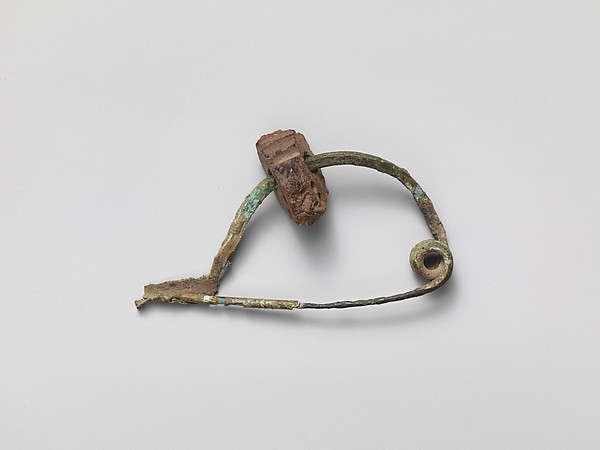
Baltic amber traveled a network of ancient routes and rivers through Europe to Mediterranean workshops, linking northern communities to Roman markets.
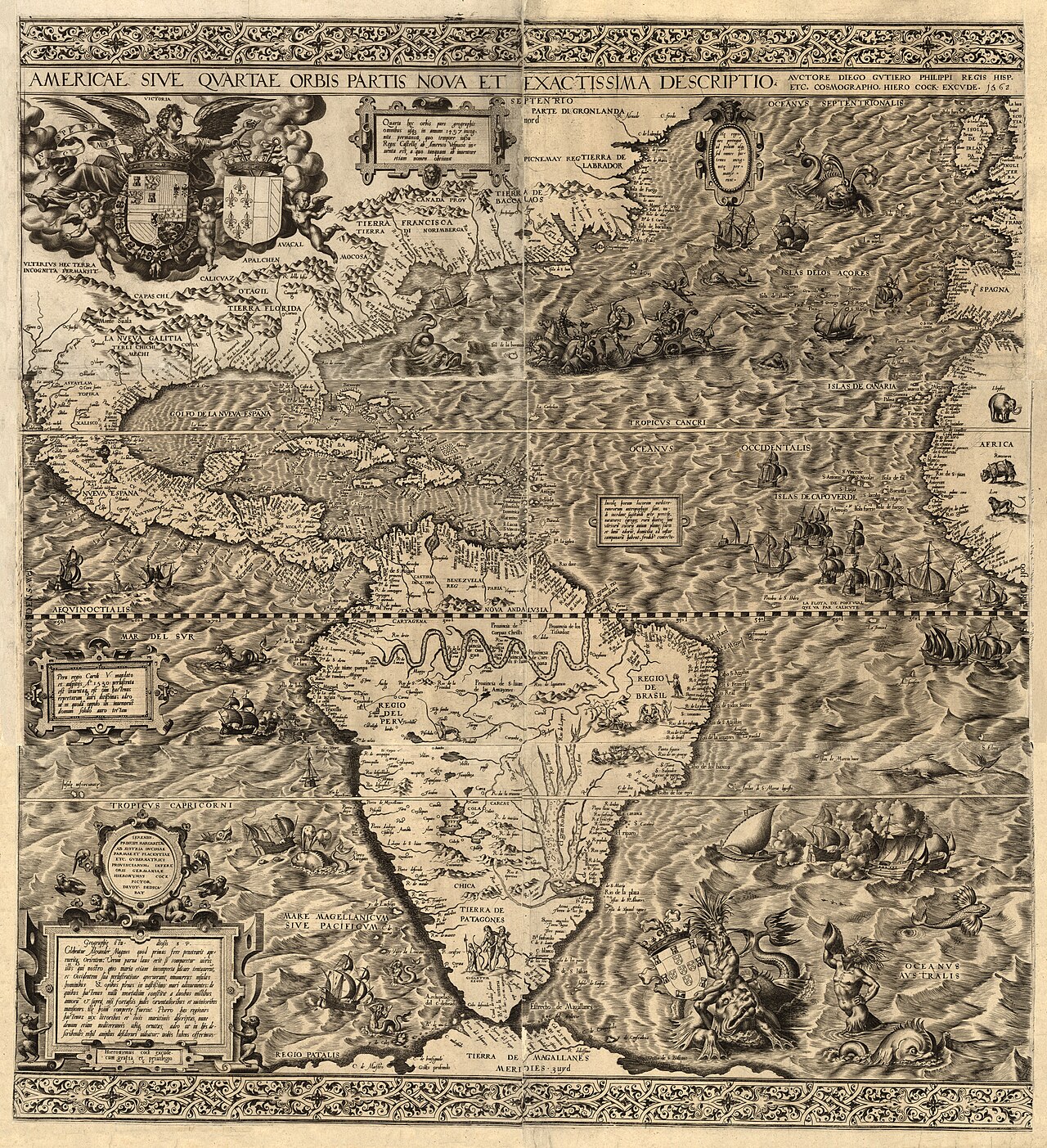
The transfer of crops, animals, diseases, and people that followed 1492 reshaped diets and economies worldwide while bringing demographic catastrophe to the Americas.
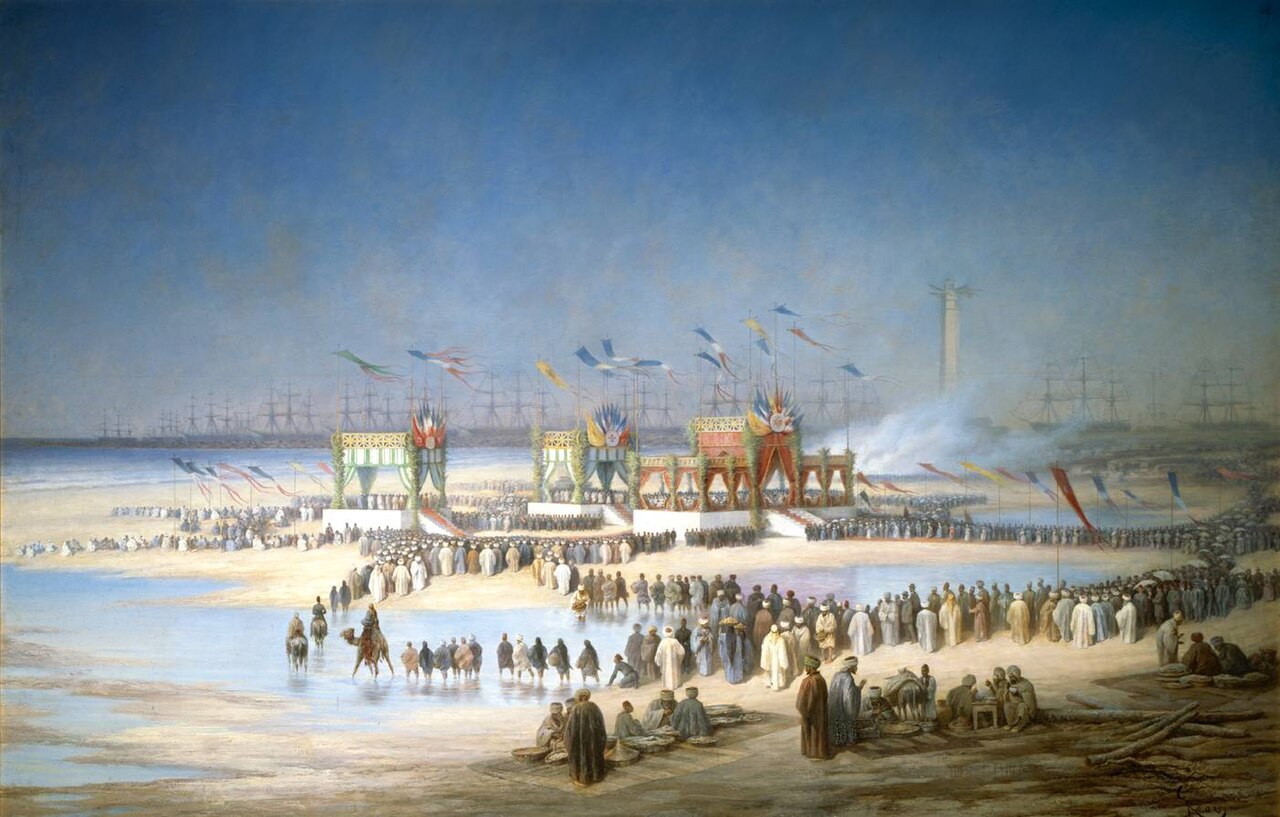
The story of how the Suez Canal, opened in 1869, reshaped global shipping by creating a direct maritime shortcut between Europe and Asia.
Our Approach
We separate documented history from hypothesis, credit multiple societies rather than single "discoverers," and cite museums, universities, and archives rather than inventing sources. Read more in our Sources & Methodology and Editorial Policy.