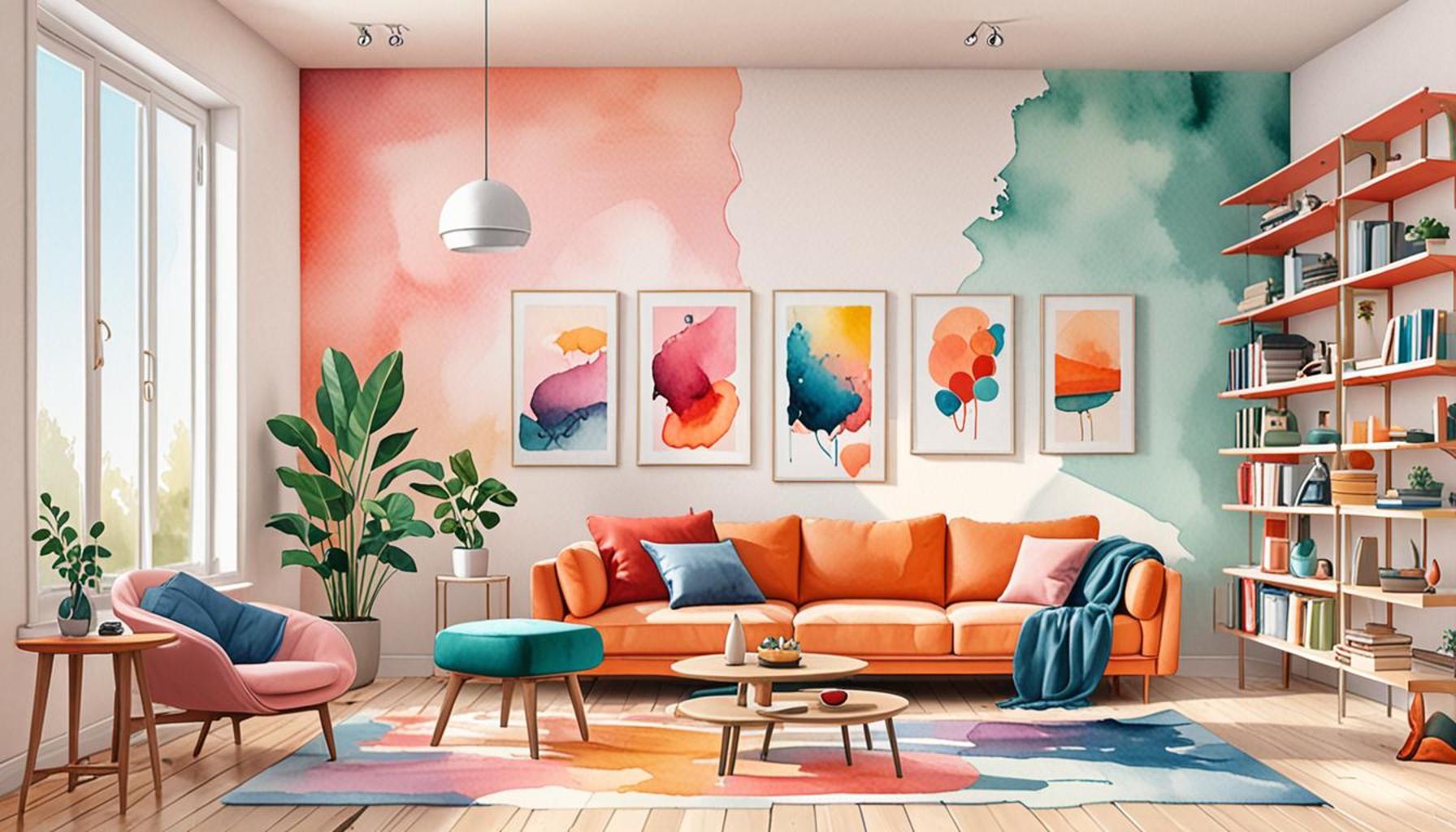
Intentional Spaces for Education: How Minimalism Can Transform Learning Environments
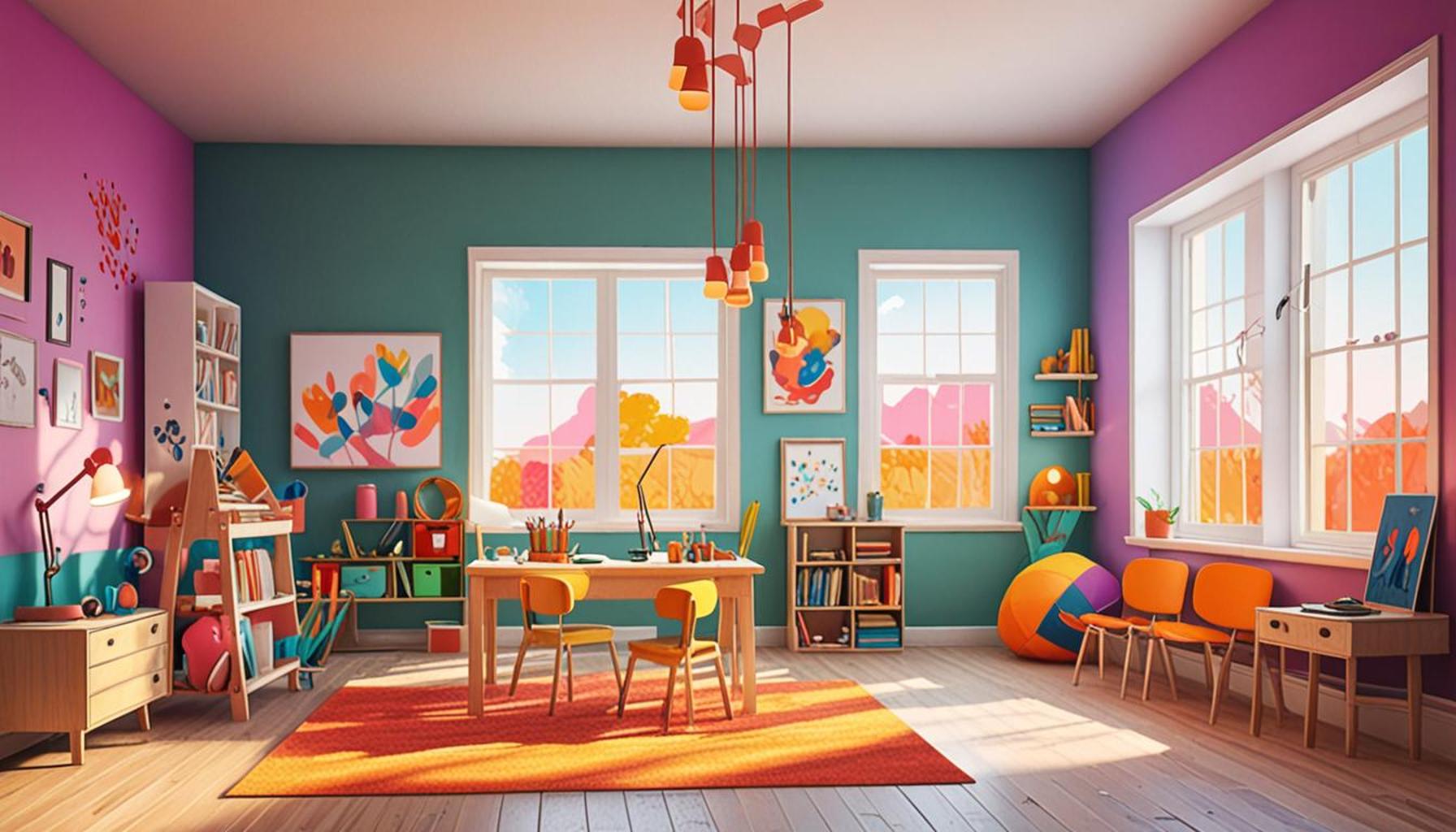
Rethinking Learning Environments
In an age where distractions abound, the design of learning spaces is undergoing a significant transformation. Intentional spaces created with the principles of minimalism are emerging as a solution to enhance focus and engagement among students. This new approach to educational design not only reflects contemporary needs but also taps into the time-tested benefits of a simplified environment.
What is Minimalism in Education?
Minimalism in educational settings emphasizes simplicity, functionality, and purpose, seeking to strip away the excess that can detract from learning. This approach can lead to:
- Reduced clutter, fostering improved concentration: By organizing materials and removing unnecessary decorations, students can focus better on their tasks.
- Flexibility in classroom layouts, allowing for diverse teaching styles: Classrooms can be reconfigured to support group work, independent study, or interactive learning, adapting to various pedagogical strategies.
- Enhanced natural light and airflow, promoting well-being: Incorporating large windows and open spaces helps improve mood and reduces fatigue, contributing to a more pleasant learning atmosphere.
Why Focus on Intentional Design?
The choice of how classrooms are arranged significantly influences the learning experience. By intentionally designing these spaces, educators can:
- Create environments that encourage collaboration and critical thinking: Thoughtfully placed seating arrangements and collaborative workspaces foster interaction and idea-sharing among students.
- Facilitate personalized learning, tailoring spaces to meet individual needs: Creating nooks or zones within a classroom can help accommodate diverse learning preferences and styles.
- Reduce anxiety through calming, organized surroundings: Neutral color palettes, soft furnishings, and simplified decor can create a serene environment, helping students feel more at ease.
Research indicates that when students feel comfortable and focused, their academic performance improves. A study by the Journal of Learning Sciences found that well-designed classrooms can lead to better student engagement and experience. Furthermore, educators across the United States are beginning to see the value of minimalism, with schools like the Pioneer Valley Performing Arts Charter Public School in Massachusetts redesigning their spaces to embody these principles.
The synergy of intentional spaces and minimalism may just be the key to unlocking their potential. As more institutions embrace this innovative approach, they are not only reshaping physical spaces but are also transforming the educational landscape itself. This evolution invites further exploration into how the principles of minimalism can enhance learning experiences for future generations.

DIVE DEEPER: Click here to discover more
Creating Focused Educational Experiences
The essence of minimalism in education revolves around the belief that less can indeed be more. By intentionally designing learning environments that prioritize simplicity and purpose, educators can craft spaces that not only support but enhance the educational experience. When applied effectively, the principles of minimalism can lead to profound improvements in student engagement, retention, and overall well-being.
Elements of Minimalist Design in Educational Spaces
To fully appreciate how intentional spaces can transform learning environments, it is essential to understand the key elements that comprise minimalist design. These elements work harmoniously to create productive atmospheres in which students can thrive. Notable aspects of minimalist educational design include:
- Neutral Color Schemes: Utilizing calm and neutral colors can foster a sense of tranquility within a classroom. These hues help to reduce distraction and can lead to increased focus among students.
- Multi-functional Furniture: Incorporating furniture that serves multiple purposes—such as tables that can be reconfigured for various activities—allows for adaptability within the learning space. This supports a range of learning modes, from collaborative projects to individual study sessions.
- Decluttered Spaces: A minimalistic approach advocates for a decluttered environment. By reducing excess materials and decorations, educators can create a cleaner aesthetic that promotes clear thinking and reduces cognitive overload.
- Incorporation of Nature: Bringing elements of nature indoors—through plants, natural light, or outdoor learning spaces—can significantly enhance the learning environment. These aspects have been shown to reduce stress and improve concentration.
- Technology Integration: Thoughtful integration of technology allows for seamless learning experiences. This includes using devices that assist learning without overwhelming students with digital distractions.
As these design elements come together, they contribute to an overall learning environment that supports not only academic success but emotional and mental health as well. For instance, educational institutions such as the Green School in Bali and the H20 School in Los Angeles have embraced this approach, setting benchmarks for effective modern educational spaces. Their physical structures incorporate minimalistic principles and reveal the potential for transforming student experiences through thoughtful design.
Beyond aesthetics, research continues to highlight the tangible benefits of minimalist environments. A study conducted by the American Educational Research Association indicates that minimalist classrooms lead to improved academic outcomes, highlighting a significant correlation between well-designed spaces and student performance. This evidence beckons schools across the United States to reconsider outdated designs and invest in intentional spaces that are both inspiring and functional.
As schools embrace minimalism, they pave the way for an encouraging educational landscape that nurtures curious, engaged learners. By focusing on intentional design, educators can ensure that classrooms become environments where students not only gain knowledge but also cultivate essential life skills—preparing them to navigate the complexities of tomorrow’s world.
| Advantages | Details |
|---|---|
| Increased Focus | Minimalism reduces distractions, allowing students to engage fully in learning activities. |
| Enhanced Creativity | Intentional spaces foster an open environment that encourages innovative thinking and collaboration. |
| Improved Well-being | A minimalist approach contributes to reduced anxiety, as clean spaces promote calmness. |
In today’s educational landscape, embracing minimalism can redefine traditional learning environments. By creating intentional spaces, educators are not just decluttering physical classrooms, but they are also encouraging a mindset shift among students towards greater concentration and creativity. Studies indicate that well-organized, sparse environments allow learners to absorb information more effectively as their focus is less divided. Furthermore, these minimalist setups often include adaptable furniture that can be reconfigured for a variety of activities, promoting collaboration and innovative ideas. Simplicity in design can also lead to an enhanced sense of well-being, decreasing stress and allowing students to feel more at ease in their learning spaces. As educators increasingly recognize these benefits, the transformation of classrooms into harmonious, minimalist environments opens new avenues for educational success and personal development.
DISCOVER MORE: Click here to boost your productivity
Fostering Collaborative Learning Through Minimalism
One of the defining features of modern education is the emphasis on collaborative learning, which prepares students for an increasingly interconnected world. Minimalist spaces can foster this type of engagement by creating environments that encourage interaction and teamwork among students. The intentional layout of a classroom can serve to invite discussion rather than inhibit it, proving that design plays a critical role in educational success.
Adaptable Learning Zones
In minimalist settings, the establishment of adaptable learning zones can make a significant difference. By designing areas that can easily be reconfigured for different group compositions or activities, educators enable a fluid learning experience. For instance, movable seating arrangements can transition seamlessly from individual study to group brainstorming, allowing for a dynamic flow in learning activities. Flexible spaces create opportunities for peer-to-peer interaction, which can boost critical thinking and creativity.
Schools such as the High Tech High network in California exemplify this approach, where classrooms are designed with open layouts that break down traditional barriers. Here, students move freely between workstations, fostering spontaneous discussions and collaborative projects. This kind of spatial organization not only aligns with minimalist principles but also empowers students to take ownership of their learning experiences.
Community and Inclusivity
The focus on community participation in minimalist classroom design also encourages a more inclusive learning environment. By minimizing distractions, students from diverse backgrounds—especially those who may struggle with conventional educational settings—can engage more meaningfully. Studies indicate that classrooms designed with minimalism in mind help reduce anxiety and foster a sense of belonging, which is crucial for holistic development. As a result, students feel empowered to share their ideas without the fear of judgment.
Furthermore, accessibility is a critical aspect of intentional spaces. Applying minimalist design means ensuring that all students can navigate and utilize classroom tools effectively. This includes using furniture and resources that cater to diverse physical and learning needs, such as adjustable desks and sensory areas for students who require a different approach to learning.
Impact of Minimalism on Teacher Practices
It’s not only students who benefit from minimalist educational environments; educators find that these spaces can enhance their own teaching practices. Less clutter leads to a more focused teaching approach, allowing instructors to concentrate on delivering quality instruction rather than managing overwhelming classroom setups. With fewer distractions, educators can focus on engaging content delivery, leading to richer classroom discussions and deeper understanding.
As educational trends continue to evolve, more institutions are adopting the minimalist philosophy. Schools across the United States, from urban centers to rural communities, are recognizing that effective educational design reflects a commitment to both aesthetic and functional principles. The modern classroom increasingly serves as an incubator for innovative thinking, where the thoughtful application of minimalism can lead to profound transformations—shaping students who can thrive in a world that demands adaptability, collaboration, and creativity.
DIVE DEEPER: Click here to discover practical strategies
Conclusion: The Future of Learning Environments
As we reflect on the transformative power of minimalism in educational spaces, it becomes evident that intentional design can create learning environments that enhance engagement, promote collaboration, and foster inclusivity. By stripping away unnecessary clutter and distractions, schools pave the way for both students and educators to thrive in a focused and adaptable atmosphere. The principles of minimalist design not only encourage creative thinking and teamwork among students but also empower teachers to deliver more impactful and meaningful instruction.
As seen in innovative educational networks like High Tech High, a shift towards open and flexible layouts demonstrates how environments can be crafted to embrace the dynamic needs of contemporary learning. This intentional approach caters to diverse learning styles and physical requirements, ensuring that all students feel valued and included. The prevalence of stigma around traditional classroom settings diminishes as educators adopt practices that enhance the overall learning experience, paving the way for a new era in education.
Moving forward, it is essential for schools across the United States to embrace these principles, recognizing that the future of learning requires spaces designed for collaboration, community, and adaptability. As we navigate an ever-evolving educational landscape, minimalism stands out as a guiding philosophy that not only reflects our aesthetic values but also aligns with our goals to cultivate a generation of thinkers who are prepared to meet the challenges of tomorrow. Invest in the design of intentional spaces, and we invest in the future of education.