Transforming Outdoor Spaces: Creating Intentional Gardens with Minimalist Principles
Revitalize Your Outdoor Space
Our outdoor spaces, whether expansive gardens or cozy balconies, are often overlooked in the hustle and bustle of daily life. However, with the application of minimalist principles, these areas can be transformed into harmonious retreats that serve both aesthetic and functional purposes. Minimalism, in this context, emphasizes simplicity and intentionality, allowing us to forge a stronger connection with nature while creating environments that foster peace and reflection.
Key Features of Minimalist Gardens
Minimalist gardens are characterized by their focus on essential design elements that promote tranquility. Here are some key features to incorporate into your outdoor space:
- Focal Points: Select striking sculptures, a unique tree, or a centerpiece planter to serve as a visual anchor in your garden. For instance, a sleek, modern bench or a vibrant fire pit can draw attention and create a great gathering spot.
- Color Palettes: Adopting a restrained color scheme can evoke a sense of harmony. Consider using various shades of green, complemented by white or soft earth tones. This approach not only helps to unify the space but also encourages a calming atmosphere, ideal for relaxation.
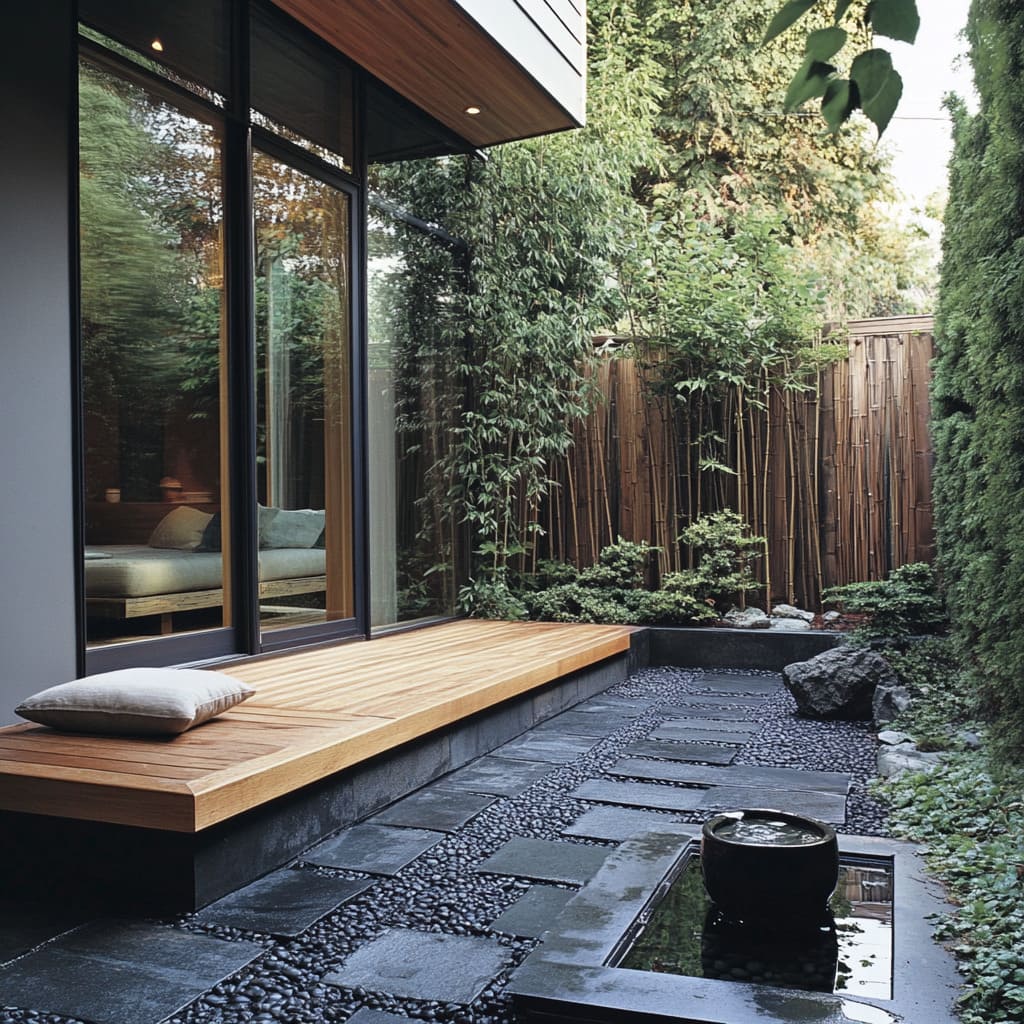
- Natural Materials: Integrating natural elements such as stone pathways, wooden decking, or bamboo fencing enhances the organic feel of your garden. Using native plants that thrive in your area not only preserves nature but also reduces the need for watering and maintenance.
Adopting the minimalist approach towards gardening extends beyond mere visual appeal. It nurtures a sense of peace and mindfulness by inviting individuals to engage with their surroundings in a more intentional way. Imagine sipping your morning coffee on a simple, unobtrusive terrace surrounded by fragrant lavender and elegant grasses—this is the essence of a thoughtfully designed space.
Why Choose Minimalism?
One of the most practical reasons for adopting a minimalist garden design is the reduction in maintenance time and costs. Fewer plants and features mean less watering, pruning, or replacing dead flora, allowing you to spend more time enjoying your outdoor space and less time working on it. This allows for a more joyful, restorative experience, whether you have a small balcony in an urban setting or a larger backyard in the suburbs.
Moreover, minimalist gardens can evoke profound lifestyle changes. By simplifying your outdoor environment, you invite peace and clarity into your life, making it easier to unwind after a long day. The combination of mindful design and thoughtful landscaping not only enhances the beauty of your home but also enriches your daily experiences.
In exploring the world of minimalist gardening, you’re likely to discover a wealth of techniques and styles that suit your taste and space. Dive into this transformative journey, and witness the profound impact it can have on your lifestyle and relationship with the natural world.
DISCOVER MORE: Click here to learn how to create intentional spaces for better focus
Embracing Simplicity in Garden Design
To begin your journey into creating intentional gardens, it’s essential to understand that minimalism is not merely a design choice but a lifestyle philosophy that encourages us to be purposeful in our selections. As we dive into the world of minimalist landscaping, we discover ways to cultivate spaces that go beyond the visual, inviting a deeper connection with our surroundings. By stripping away the unnecessary, we are left with the essence of what makes a space a refuge.
Elements to Consider When Designing Minimalist Gardens
Designing a minimalist garden involves careful consideration of each element you choose to incorporate. The following components are crucial in aligning your outdoor space with the principles of minimalism:
- Spacious Layout: One of the foundational aspects of minimalism is the use of space. A clutter-free environment allows for better air circulation and a sense of openness. Consider designing wide pathways or open areas that promote ease of movement, enhancing the feeling of serenity.
- Minimal Plant Selection: Choosing a limited number of plant species can simplify maintenance while still providing diversity in texture and color. Opt for perennials that bloom at different times of the year, keeping your garden visually appealing with minimal effort. Plants like ornamental grasses, succulents, and native wildflowers require less upkeep and thrive in their natural habitat.
- Multi-functional Features: Incorporate elements that serve multiple purposes. For instance, a seating area can also be used for entertaining guests or a gravel path can act as a drainage solution. These thoughtful additions help reduce clutter while maximizing the utility of your outdoor space.
When designing your intentional garden, it’s vital to reflect on how each element aligns with your overall vision. Choosing to embrace a minimalist aesthetic invites us to cultivate mindfulness, fostering a deeper interaction with our gardens. By engaging with the landscape, we create spaces where we can step back from our hectic lives, immersing ourselves in a calming atmosphere.
The Importance of Maintenance in Minimalist Gardening
Another rewarding aspect of embracing minimalism in your garden design is the straightforward maintenance it affords. With fewer plants and simpler designs, you can dedicate less time to weeding, watering, and trimming, leading to substantial savings on gardening supplies and time spent laboring. This approach allows you to enjoy quality moments in your outdoor haven, whether it’s reading a book under the shade of a tree or having meaningful conversations around a fire pit.
Incorporating minimalist principles into your garden not only enhances its aesthetic appeal but also cultivates peace and mindfulness. As you embrace this design philosophy, you’ll find that the transformation of your outdoor space reflects not just a change in environment, but a shift in lifestyle, allowing you to savor the beauty of simplicity and intentionality in every aspect of your life.
| Design Element | Impact |
|---|---|
| Simple Plant Selection | Fosters low maintenance and long-term sustainability. |
| Open Space Planning | Enhances visual flow and creates a serene environment. |
| Natural Materials | Promotes a sustainable approach by reducing environmental impact. |
| Balanced Colors | Creates an inviting atmosphere that encourages relaxation. |
Transforming outdoor spaces into intentional gardens embodies the principles of minimalism, allowing us to appreciate the simplicity and beauty of nature. By incorporating elements such as simple plant selection, garden designers can achieve low maintenance landscapes that flourish effortlessly. Open space planning is equally crucial; it enhances visual flow, drawing the eye through the garden and creating a tranquil experience. Natural materials not only support sustainability but also harmonize with the garden’s surroundings. The smart use of balanced colors can dramatically alter the atmosphere, inviting a sense of peace that is sought after in contemporary outdoor design. Exploring these minimalist principles opens the door to creating gardens that are not only functional but also resonate deeply with the human need for beauty and connection to nature.
DISCOVER MORE: Click here to uncover the secrets of meaningful routines
Integrating Natural Elements and Sustainability
When embarking on the path of minimalist gardening, it’s crucial to remember that the essence of this design philosophy extends beyond mere aesthetics. Integrating natural elements fosters a deeper connection to the environment while embracing sustainability. Each choice made in your garden reflects a commitment not just to visual simplicity, but also to the health of the ecosystem. In the United States, where environmental considerations are increasingly significant, the adoption of sustainable practices in garden design can yield both aesthetic and ecological benefits.
Utilizing Native Plants for Biodiversity
One of the most effective ways to create an intentional garden that aligns with minimalist principles is to incorporate native plants. These species are adapted to the local climate and soil conditions, resulting in a lower maintenance garden that thrives without excessive intervention. For instance, in a midwestern state like Illinois, planting species such as purple coneflower or beebalm can attract pollinators while providing vibrant blooms throughout the seasons. By choosing native plants, you’re not only embracing minimalism but also promoting biodiversity, which is essential for a healthy ecosystem.
The Role of Hardscaping in Minimalist Gardens
Another key aspect of minimalist principles is the use of hardscaping, which features materials like stone, concrete, or metal in your design. These elements provide structure and function while cultivating a clean and modern appearance. Consider constructing a simple rock garden, using gravel paths, or creating raised beds with natural stone as borders. Such hardscape features can delineate spaces, facilitate drainage, and even reduce the need for water-intensive lawns, making your garden easy to maintain while upholding minimalist aesthetics.
Water Conservation Techniques
Water conservation is paramount in sustainable gardening and can easily be integrated into your minimalist garden design. Techniques such as installing a rain garden or using drip irrigation systems allow for responsible water use without detracting from the landscape’s beauty. In regions prone to drought, these methods not only ensure healthy plant growth but also reduce the time and effort spent on watering, aligning with the minimalist goal of maximizing enjoyment while minimizing chores.
- Rainwater Harvesting: Collecting rainwater in barrels can effectively provide a sustainable source of irrigation for your garden. This simple method not only conserves water but also reconnects you with the natural water cycle.
- Xeriscaping: By selecting drought-resistant plants and using mulch to retain moisture, xeriscaping effectively reduces water consumption and upkeep, creating a minimalist garden that flourishes in arid conditions.
Incorporating these sustainable practices into your intentional garden design reflects a commitment to minimalism and the environment. As modern gardeners, it’s our responsibility to cultivate spaces that honor both our aesthetic desires and the needs of our planet. By focusing on harmony between nature and design, we can create outdoor spaces that are not only visually stunning but also resonate with a greater purpose, ultimately leading to a more enriching gardening experience.
DISCOVER MORE: Click here to dive deeper
Embracing Minimalism for a Harmonious Outdoor Space
In the quest to transform our outdoor environments, creating intentional gardens through minimalist principles offers an innovative approach to gardening that harmonizes beauty, functionality, and sustainability. By thoughtfully integrating native plants, hardscaping, and modern water conservation techniques, we can cultivate gardens that not only captivate the eye but also foster biodiversity and support ecological health. The minimalist philosophy encourages us to strip away the unnecessary, allowing both the garden and the gardener to thrive in a space free of clutter and burden.
As we move forward in our gardening journeys, it’s essential to reflect on the broader implications of our design choices. Each plant selection, each stone laid, and each drop of water utilized should resonate with a commitment to stewardship of our environment. Not only does embracing minimalism in our gardens lead to lower maintenance and resource conservation, but it also invites us to engage more deeply with our surroundings, creating a peaceful refuge that nurtures both personal well-being and ecological balance.
As you contemplate your own outdoor space, take the time to explore how these minimalist strategies can transform your garden into a sanctuary that reflects your values and aspirations. In doing so, you’re not just enhancing your home; you’re also contributing to a more sustainable future. Thus, let your garden tell a story of intentionality, simplicity, and harmony with the natural world, inspiring others to appreciate the beauty in less.