Intentional Spaces for Leisure: How Minimalism Promotes Work-Life Balance
Finding Balance in a Chaotic World
In today’s fast-paced society, achieving a healthy work-life balance has become increasingly challenging. Many professionals are grappling with the overwhelming demands of their jobs while trying to carve out valuable time for personal pursuits. This struggle has sparked interest in the concept of intentional spaces for leisure, rooted in minimalism. With work hours escalating and the boundaries between home and work blurring, understanding how to create spaces that serve to rejuvenate and inspire is essential.
The Role of Minimalism
Minimalism encourages the elimination of unnecessary clutter, both physical and mental. By focusing on the essentials, individuals can create environments that promote relaxation and efficiency. It is a lifestyle choice that is gaining traction in urban areas, particularly among millennials who are often juggling multiple roles. Some key benefits of adopting a minimalist approach include:
- Enhanced focus: Fewer distractions in your environment lead to greater productivity. For instance, a clean workspace can help employees concentrate better and complete tasks more efficiently.
- Improved mental clarity: A simplified space fosters peace of mind. Studies show that people in clutter-free environments report lower levels of stress and anxiety, contributing to better overall mental health.
- Increased motivation: An intentional environment inspires creative pursuits. By curating spaces filled with items that spark joy or represent personal goals, individuals can boost their drive and creativity.
Creating Intentional Spaces
Transforming your surroundings into intentional spaces is a vital step in cultivating a balanced lifestyle. Consider integrating elements that support leisure and relaxation, such as:
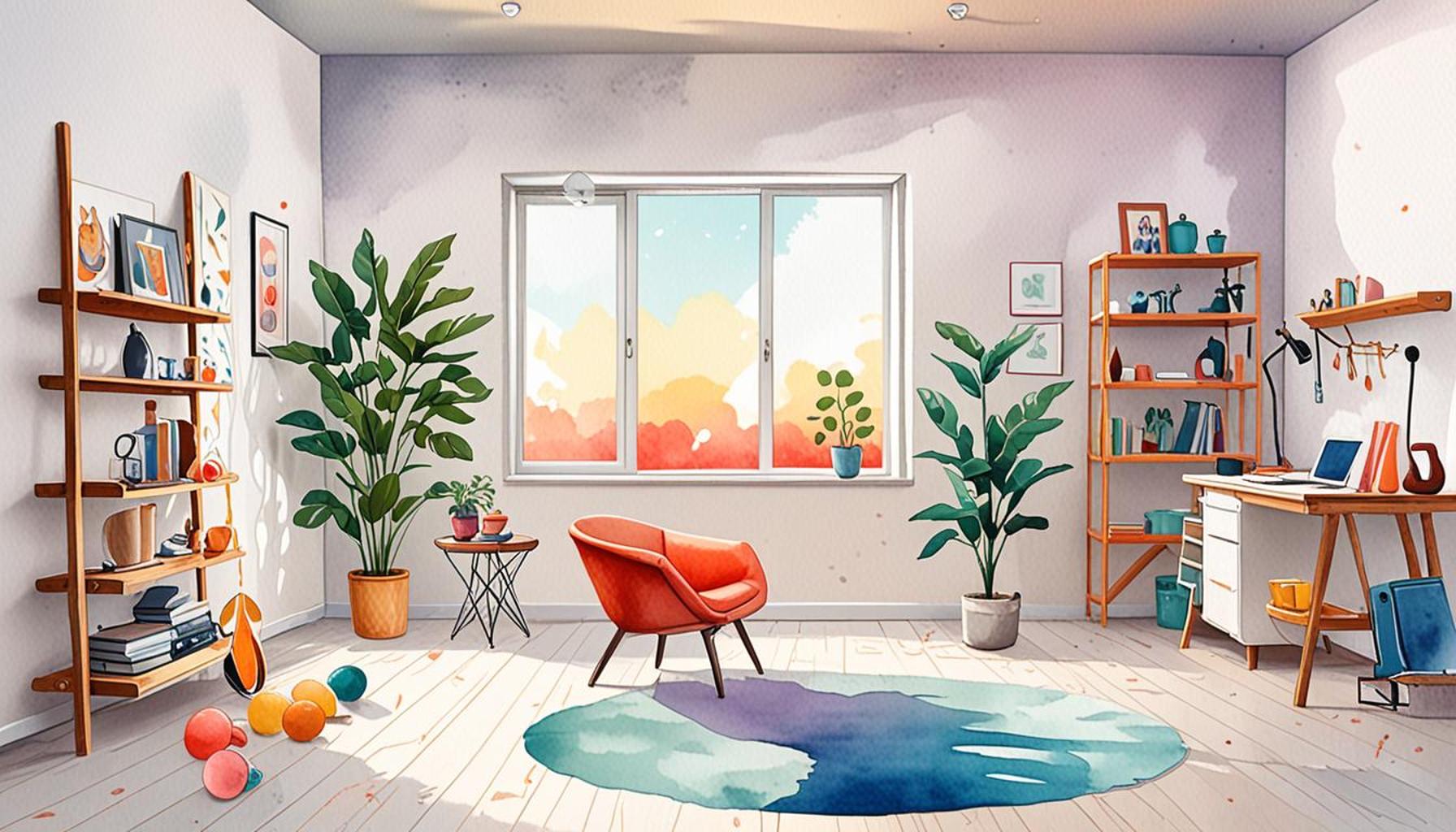
- Comfortable seating: Cozy nooks for reading or meditating can significantly improve the quality of your downtime. Slip into a comfortable chair with a cup of tea and a good book to rejuvenate after a long workday.
- Simplified decor: Aesthetic choices that evoke tranquility may include earthy tones and soothing textures. Incorporating artwork that you love, but not overcrowding the walls, can create a calming backdrop for your daily life.
- Designated zones: Areas dedicated to various leisure activities are essential. For example, a corner of your living room can be set aside for yoga, while another area can serve as a workspace to keep professional and personal life visually separate.
As you explore the synergy between minimalism and leisure, consider how these intentional modifications can enhance your life. Creating a balance does not only involve managing time effectively but also involves establishing spaces that encourage relaxation and inspire creativity. Remember, it’s not merely about having less; it’s about making room for what truly matters. Embrace the journey of simplifying your surroundings to enrich your experiences—your mind and body will thank you.
DISCOVER MORE: Click here to enhance your routine

Transforming Your Environment
To truly embrace intentional spaces for leisure, one must embark on a transformative journey focused on the environment surrounding them. The physical space you inhabit plays an integral role in shaping your mindset and daily experiences. As you seek to cultivate a work-life balance through minimalism, consider the following strategies to optimize your surroundings:
- Declutter Regularly: Embracing minimalism requires a commitment to regularly assess and remove items that do not serve a purpose or bring joy. This practice not only clears your space but also has a profound impact on mental clarity. Studies indicate that individuals who declutter their environments report reduced anxiety and heightened focus.
- Incorporate Natural Elements: Integrating elements from nature, such as plants or natural light, can vastly improve your mood and overall well-being. Research shows that exposure to greenery can enhance feelings of relaxation and creativity. A simple potted plant on your desk or a strategically placed window can facilitate a refreshing atmosphere throughout your space.
- Create Multi-Functional Areas: Given the increasing trend of remote work, it’s essential to design spaces that can quickly transition between leisure and productivity. For instance, using a foldable desk that can be stowed away can create a sense of separation between work and downtime. This duality allows individuals to switch gears mentally, resulting in a more defined work-life boundary.
- Curate Your Surroundings: Each item within your space should resonate with you emotionally or serve a practical function. By selectively displaying artwork, photographs, or personal mementos, you build a visual narrative that inspires positivity. Eliminate the excess to enhance the significance of each piece, thus cultivating an emotional connection to your environment.
As you delve deeper into creating more intentional spaces for leisure, reflect on how these strategies align with your personal goals. The journey toward a minimalist lifestyle is not simply about reducing belongings; it is a pathway to enhancing well-being through refined choices. By managing your environment thoughtfully, you pave the way for a nurturing atmosphere where relaxation and productivity can coexist harmoniously.
Bridging Mindfulness with Minimalism
In integrating minimalism into your daily routine, remember that simplicity goes hand in hand with mindfulness. Focusing on care for your space can lead to greater self-awareness and intentionality in how you spend your time. Whether it’s an evening spent reading in a cozy nook or engaging in a creative hobby in a dedicated area, the intentional use of space invites a deeper appreciation for leisure and rejuvenation.
Intentional Spaces for Leisure and Minimalism
Creating intentional spaces for leisure is a crucial aspect of achieving work-life balance, especially in our fast-paced, digitally-driven world. By embracing minimalism, individuals can cultivate environments that prioritize relaxation, creativity, and mindful presence. This approach minimizes distractions and maximizes the potential for rejuvenation.When one carefully curates their physical space, it encourages a mental shift towards mindfulness and intention. For instance, decluttering a personal space allows one to focus on activities that bring joy and fulfillment, rather than being weighed down by unnecessary possessions. Minimalist design principles promote simplicity, which can lead to a more profound appreciation of leisure activities.Research has shown that environments designed with minimalism in mind can enhance overall well-being. Natural light, open spaces, and a lack of clutter can significantly reduce stress levels, allowing individuals to enjoy their time off more effectively. Moreover, minimalist spaces often incorporate elements like plants or art, which can enhance creativity and emotional resilience.Implementing intentional spaces at home can also involve creating dedicated areas for different leisure activities—be it reading, exercising, or engaging in hobbies. This zoning serves as a physical reminder to disconnect from work and devote time to self-care. By setting aside intentional time for these activities within a minimalist framework, individuals naturally foster a work-life balance that is sustainable and invigorating.Ultimately, minimalism is not just an aesthetic choice, but a lifestyle shift that can profoundly impact our relationship with leisure and productivity. As we continue to explore the intersection of minimalism and work-life balance, it becomes clear that a harmonious life is attainable through thoughtfully designed spaces that prioritize rest and rejuvenation.
DISCOVER MORE: Click here to learn how simplifying can change your life
Fostering Connection Through Minimalist Design
Creating intentional spaces for leisure is not solely about the physical environment; it’s also about the connections formed within that space. Minimalism can enhance relationships and social interactions, promoting a more integrated work-life balance. As you approach minimalism strategically, keep in mind the following aspects of fostering connection:
- Encourage Shared Spaces: Establish areas where family members or friends can gather and interact. This could involve designing a cozy living room equipped with comfortable seating and minimal distractions. By reducing clutter and focusing on a few key pieces of furniture, you create an inviting atmosphere that promotes conversation and connection, vital for maintaining healthy relationships amidst busy schedules.
- Host Mindfully: Minimalism encourages thoughtful hosting. By keeping your entertainment spaces decluttered, you can create a calming environment where guests feel valued, not overwhelmed. Consider hosting small gatherings where the focus is on engaging conversations rather than extravagant setups. This approach not only strengthens bonds but also offers a more meaningful recreational experience.
- Work Together: In a home setting, crafting a workspace that is minimalistic can also cater to collaborative projects. Designate zones where creativity can flow freely—be it through art, music, or any shared hobby. When the environment is free from excess distraction, your family or friends can work together more effectively, enhancing both productivity and enjoyment in the process.
- Mindful Eating Areas: Dining should be more than just a meal; it’s an experience meant to be savored. Create a minimalist dining area that promotes mindful eating. A clean table setting with simple dishware allows the focus to shift onto the shared experience of food and conversation, creating cherished memories. Research suggests that families prioritizing time around the dinner table enjoy improved communication and deeper relationships.
As you explore ways to foster connections through a minimalist approach to leisure, let your personal values guide your decisions. By transforming your space into a vessel for social interaction and relationship building, you reclaim the essence of leisure, empowering both yourself and those around you.
Integrating Digital Minimalism
The modern workplace often blurs the lines between personal and professional life, driven by technology. To optimize intentional spaces for leisure, consider the role of digital minimalism. This practice encourages individuals to thoughtfully manage their screen time and online interactions:
- Designate Tech-Free Zones: Designating areas in your home where technology is not permitted can be immensely beneficial. These spaces allow you to unplug and reconnect with yourself or loved ones without the distractions that devices often bring. Whether it’s the bedroom, a reading nook, or the dining table, tech-free zones encourage authentic interactions and moments of reflection.
- Schedule Device-Free Leisure: Make it a practice to establish device-free times during your day. Carving out even one hour for activities—such as reading, exercising, or engaging in a hobby—encourages genuine leisure and can provide a refreshing break from the digital world. This re-engagement with offline activities leads to better mental health and renewed creativity.
- Assess Your Digital Environment: Just as you declutter your physical space, evaluate your digital life. Unsubscribe from unwanted emails, delete unused apps, and organize your digital interfaces. A less cluttered digital environment will allow for more focus and intentionality, minimizing the likelihood of work creeping into your leisure time.
By merging minimalist design principles with mindful practices around technology, you can effectively redefine your leisure spaces. In doing so, you facilitate a greater work-life balance while nurturing personal relationships, ultimately enriching your life further. Embracing a holistic approach to minimalism leads to deeper connections and an enhanced experience of leisure time.
DISCOVER MORE: Click here to learn about intentional spaces
Conclusion: Embracing Minimalism for Deeper Connections
In a world where the boundaries between personal and professional life blur more each day, intentional spaces for leisure emerge as a vital aspect of fostering a healthy work-life balance. By embracing minimalism, individuals can cultivate environments that not only prioritize relaxation and enjoyment but also enhance the connections that truly matter. The principles outlined in this article serve as a roadmap for redefining leisure spaces, weaving together the physical design of our environments with insightful practices that reconnect us with ourselves and those around us.
Whether through establishing tech-free zones or encouraging mindful gatherings, minimalism invites us to be deliberate about how we use our spaces and time. The creation of serene leisure areas, free from clutter and distraction, fosters deeper interactions and shared experiences—pivotal components in nurturing interpersonal relationships. Additionally, integrating digital minimalism allows us to reclaim moments disconnected from screens, encouraging creativity, mindfulness, and self-care.
As we venture forward, consider how these practices can redefine your leisure time, inspiring a more balanced and meaningful life. Embracing minimalism not only simplifies our surroundings but also clarifies our priorities, allowing us to savor moments with family and friends. By investing in intentional spaces for leisure, we not only enhance our well-being but also embrace a lifestyle that upholds values of connection, peace, and fulfillment.