The Importance of Intentional Spaces in Mindfulness and Relaxation Practice
The Importance of Intentional Spaces
In our fast-paced world, finding moments of stillness can be a challenge. The rise of technology has led to an environment saturated with distractions, where notifications jingle and screens beckon for our attention at all hours. This is where the concept of intentional spaces becomes not just beneficial, but essential for our overall well-being. A carefully curated environment can drastically influence your mindfulness and relaxation practices, shaping our mental and emotional states in profound ways.
To create an intentional space, consider the following elements that define these environments:
- Clarity: An uncluttered area promotes focus and reduces distractions. Studies indicate that clutter can overwhelm our cognitive resources, making it difficult to concentrate. For example, a clean desk can lead to increased productivity and improved creativity, while a visually chaotic workspace might inhibit these qualities.
- Comfort: Soft seating or cushions invite you to pause and unwind. A plush armchair or a set of floor cushions can provide a tactile invitation to slow down, fostering an atmosphere where relaxation becomes easy. Personal touches—like your favorite blanket or a comfortable reading nook—can transform an ordinary space into a haven.
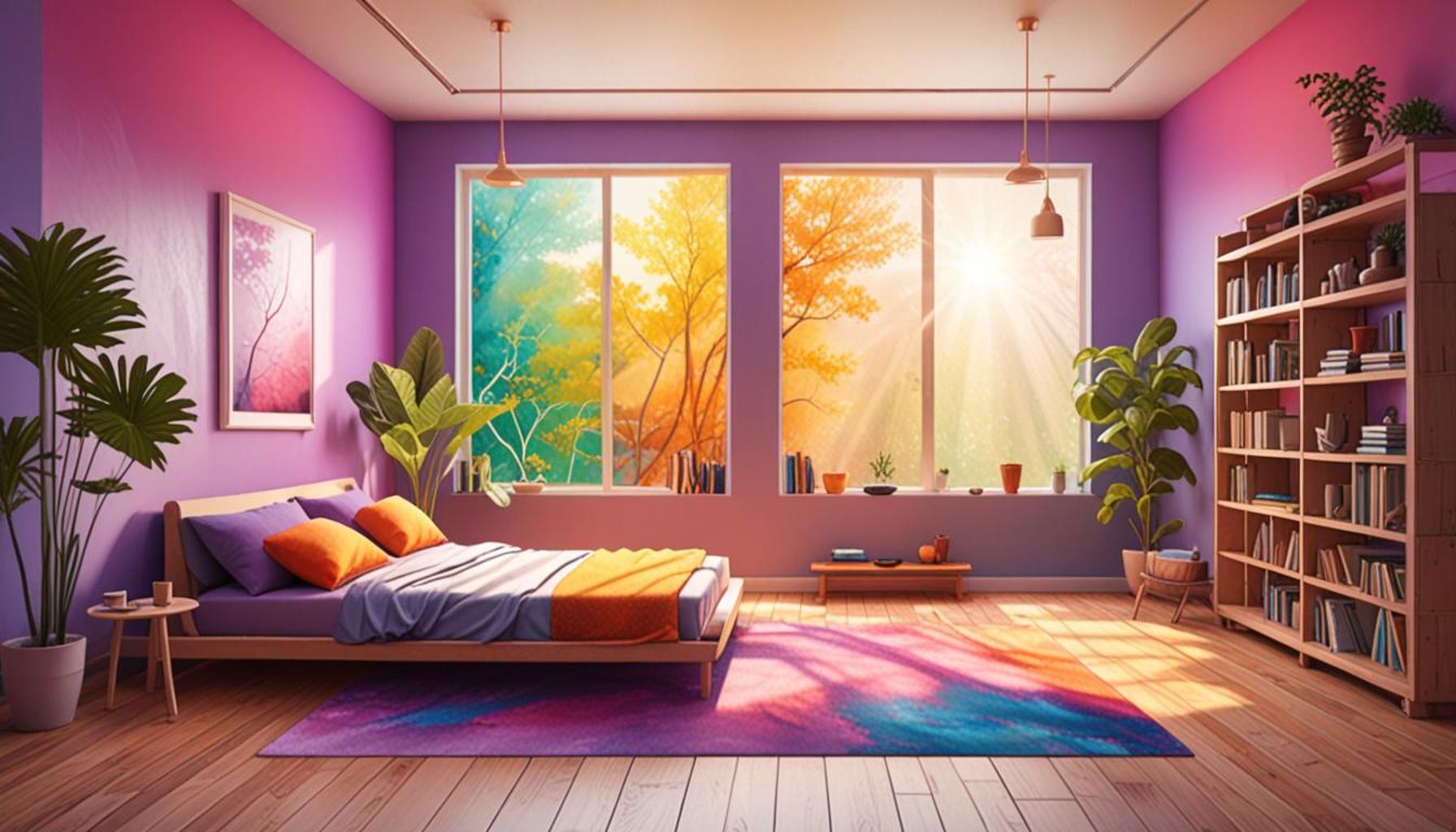
- Nature: Incorporating plants or natural light can significantly enhance your sense of peace. Research shows that exposure to greenery and sunlight can reduce stress and improve mood. For instance, bringing a small potted fern or succulent into your space not only purifies the air but also adds a touch of life to your environment. Similarly, positioning your setup near windows can maximize natural light, inducing a sense of calm.
Creating a space that speaks to your senses can elevate your practice from a mere routine to a deeply fulfilling experience. Whether it’s a cozy corner of your living room where you practice yoga or a small outdoor patio for meditation, the right setting truly matters. These intentional environments allow us to disconnect from the chaotic outside world and connect more deeply with ourselves.
As you explore the significance of intentional spaces, keep in mind that it’s more than mere aesthetics—it’s about cultivating a personal sanctuary where mindfulness thrives. A dedicated space for reflection, mindfulness, or relaxation can pave the way for improved emotional regulation and cognitive clarity. By understanding the interplay between our surroundings and our mental state, we can take the first steps toward profound relaxation and self-awareness. So, begin your journey to create an intentional space today. You might be surprised at the positive changes it brings to your life.
DISCOVER MORE: Click here to enhance your productivity
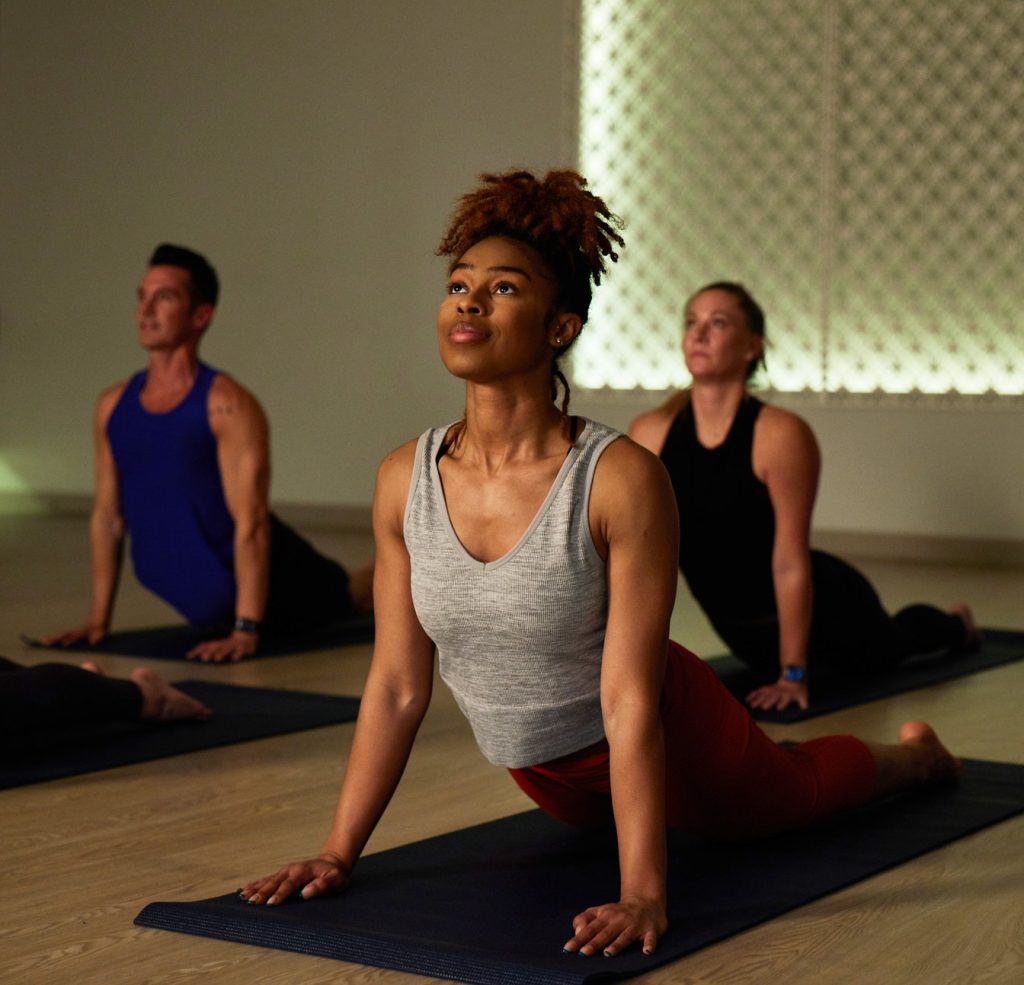
Crafting Your Refuge
Creating intentional spaces involves more than just arranging furniture or selecting decor—it’s about designing an experience that enhances your well-being. To fully understand the impact of these environments, we need to delve into the different elements that contribute to a mindful atmosphere, each working in harmony to support your practice. When you curate your sanctuary, consider the following components:
- Lighting: The role of lighting in establishing a calming atmosphere cannot be overstated. Soft, ambient lighting can evoke tranquility, while harsh fluorescent lights might induce tension. Incorporating lamps with warm tones, or using dimmable options, allows you to adjust the environment according to your mood. Natural light, when possible, regulates our circadian rhythms and boosts serotonin levels, which can significantly enhance emotional well-being.
- Sound: The auditory landscape of your intentional space plays a vital role in shaping your mindfulness experience. Silence can sometimes be unnerving, so consider integrating soothing sounds, such as gentle music or nature sounds—like ocean waves or rustling leaves. White noise machines or apps featuring ambient sounds can also mask disruptive noises from outside, allowing you to focus more deeply during your practice.
- Fragrance: Our sense of smell is closely intertwined with memory and emotion. Incorporating calming scents, such as lavender or sandalwood, can foster a serene mood. Essential oil diffusers and scented candles are popular choices for enhancing relaxation and setting the tone for mindfulness practices. Research shows that aromatherapy can reduce anxiety and improve concentration, making your space even more inviting for deep reflection.
All these elements work synergistically to create a cohesive environment that encourages mindfulness and relaxation. By carefully considering these factors, you can transform a plain area into an enriching space that caters to your personal needs. Whether it’s your meditation corner, a cozy nook for reading, or a special place for yoga, the concept of an intentional space extends far beyond aesthetics—it’s a commitment to nurturing your mind and spirit.
Interestingly, studies reveal that individuals who regularly engage in mindfulness practices in dedicated spaces report higher levels of satisfaction and emotional health. The presence of a consistent, intentional environment fosters a habitual response to relaxation and tranquility, almost retraining the brain to find peace when entering these spaces. This principle is particularly helpful for those navigating stressful lifestyles, as intentional spaces can be their refuge from life’s demands.
As you embark on this journey of creating intentional spaces, remember that your environment should resonate with your personal identity and preferences. It may take time to discover what truly works for you, but the exploration itself can become part of the practice of mindfulness. Reflect on what elements resonate with you and how they improve your propensity for relaxation. As you align your surroundings with your mindfulness goals, you’ll likely find enhanced clarity and focus that spills over into daily activities, illuminating a path towards greater well-being.
| Category | Details |
|---|---|
| Awareness | Intentional spaces cultivate a heightened state of awareness, enhancing one’s ability to focus on the present moment. |
| Stress Reduction | Creating a dedicated space for mindfulness practice can significantly reduce stress levels, contributing to overall well-being. |
| Mental Clarity | A calm, purposeful environment aids in achieving mental clarity by decreasing distractions. |
| Emotional Stability | Intentional spaces facilitate emotional regulation, leading to greater emotional stability and resilience in daily life. |
The significance of creating intentional spaces in mindfulness and relaxation practices cannot be overstated. These spaces not only improve focus but also contribute to a cascade of positive effects. Establishing a dedicated environment allows practitioners to immerse themselves in the moment, fostering a profound connection with their thoughts and feelings. As awareness grows, so does the capacity for introspection, leading to deeper insights about life and personal challenges. Furthermore, the tranquil atmosphere in these spaces aids in achieving stress reduction and mental clarity. This dual benefit enhances one’s ability to navigate modern life, characterized by its myriad stresses and distractions. Emotional outcomes also flourish in an intentional space, promoting overall emotional stability. Mindfulness, facilitated by these carefully curated environments, not only augments relaxation but transforms perceptions and experiences, leading to a holistic improvement in mental health.
EXPLORE MORE: Click here to discover how minimalism can enhance your well-being</p
Utilizing Nature’s Influence
Another significant aspect of creating intentional spaces is the incorporation of nature. The concept of biophilia—the innate human attraction to nature—has been extensively studied, revealing that infusing natural elements into our environments can profoundly enhance our mindfulness and relaxation practices. Integrating plants, natural materials, or even outdoor settings can stimulate a sense of calm and connection, reinforcing our mental health and overall well-being.
- Plants: Houseplants not only beautify a space but also contribute to air quality and enhance mood. Studies indicate that greenery can reduce stress levels, increase feelings of happiness, and boost focus. Consider adding low-maintenance plants like succulents or snake plants, which can thrive indoors and require minimal care, making them perfect companions for your meditation area.
- Natural Materials: Incorporating materials such as wood, stone, or clay into your space can create a tactile and visual connection to the outdoors. Furnishings made from these materials often resonate with a sense of warmth and authenticity, grounding your practice within a more organic context. For instance, a wooden bench for meditation or a stone sculpture can serve as focal points that draw your attention away from distractions, bringing you back to the present moment.
- Outdoor Spaces: If circumstances allow, nothing can compete with the serenity offered by nature itself. Creating an outdoor intentional space may involve a cozy chair under a tree, a small garden for yoga, or simply a designated area on your porch for contemplation. Immersing yourself in an outdoor setting enhances the sensory experience, encouraging you to embrace the sounds of chirping birds, the gentle rustling of leaves, and the invigorating scents of fresh air.
The power of nature is a poignant reminder that our surroundings can cache the elements needed to foster peace and presence. If you’re unable to access the great outdoors, even incorporating a natural-themed mural or images in your space can effectively evoke the tranquility associated with nature.
Personalization and Flexibility
Equally vital in crafting your intentional spaces is the aspect of personalization. Mindfulness practices are inherently individualistic; therefore, your environment should reflect your personal tastes and style to truly feel like a refuge. What may be calming for one person can feel overwhelming for another, and the key lies in trial and exploration.
- Color Schemes: Research indicates that colors can wield significant influence over our emotional states. Soft blues and greens can evoke serenity, whereas warm hues like yellows and oranges often inspire energy and creativity. Taking the time to choose a color palette that resonates with you can set the mood for relaxation or stimulation, depending on your mindfulness goals.
- Flexible Arrangements: The mutability of your space is crucial to keeping your practice fresh and engaging. Flexibility allows you to adapt your environment based on your current emotional state or mindfulness focus. Move a chair to face a window one day, and shift it to the center of the room the next; this ability to redirect and reshape can inspire creativity and reinvigoration.
This season of personalization means regularly reevaluating and adjusting your intentional space. As your mindfulness practice evolves, so too can your environment, staying aligned with your journey towards inner peace and self-discovery.
As you reflect on these considerations, remember that the journey to designing your sanctuary is an essential part of fostering a growing mindfulness practice. Each carefully chosen element contributes to not only creating a physically comfortable space but also enhancing your ability to tap into relaxation and mindfulness when you most need it.
DISCOVER: Click here to transform your workspace
Conclusion: Crafting Your Sanctuary for Mindfulness and Relaxation
In a fast-paced world filled with distractions, creating intentional spaces for mindfulness and relaxation is not just beneficial; it is essential for our mental health and emotional well-being. The elements that we incorporate into our environment—from natural influences like plants and outdoor settings to personalized touches reflecting our unique preferences—play a crucial role in establishing a serene atmosphere conducive to deep reflection and peace. As we cultivate these thoughtfully designed spaces, we invite opportunities for self-discovery, creativity, and rejuvenation.
The integration of nature not only grounds us but also serves as a constant reminder of our innate connection to the world around us. By intentionally selecting items and colors that resonate with our emotions, we can transform our spaces into refuges that foster relaxation. Moreover, embracing flexibility allows our surroundings to evolve alongside our mindfulness journeys, further enhancing our capacity for adaptation and growth.
Ultimately, the importance of intentional spaces in mindfulness and relaxation cannot be overstated. They offer us a sanctuary, a place to retreat when life feels overwhelming. By reflecting on the suggestions outlined and engaging in a process of trial and exploration, we can find the perfect combinations that resonate with us personally. As you embark on your journey to create a dedicated space for mindfulness, remember, each small adjustment not only enhances your practice but also builds a deeper connection to oneself, facilitating a more profound understanding of who you are and where you aspire to be.