The Intersection of Minimalism and Architecture: Creating Intentional Spaces that Inspire
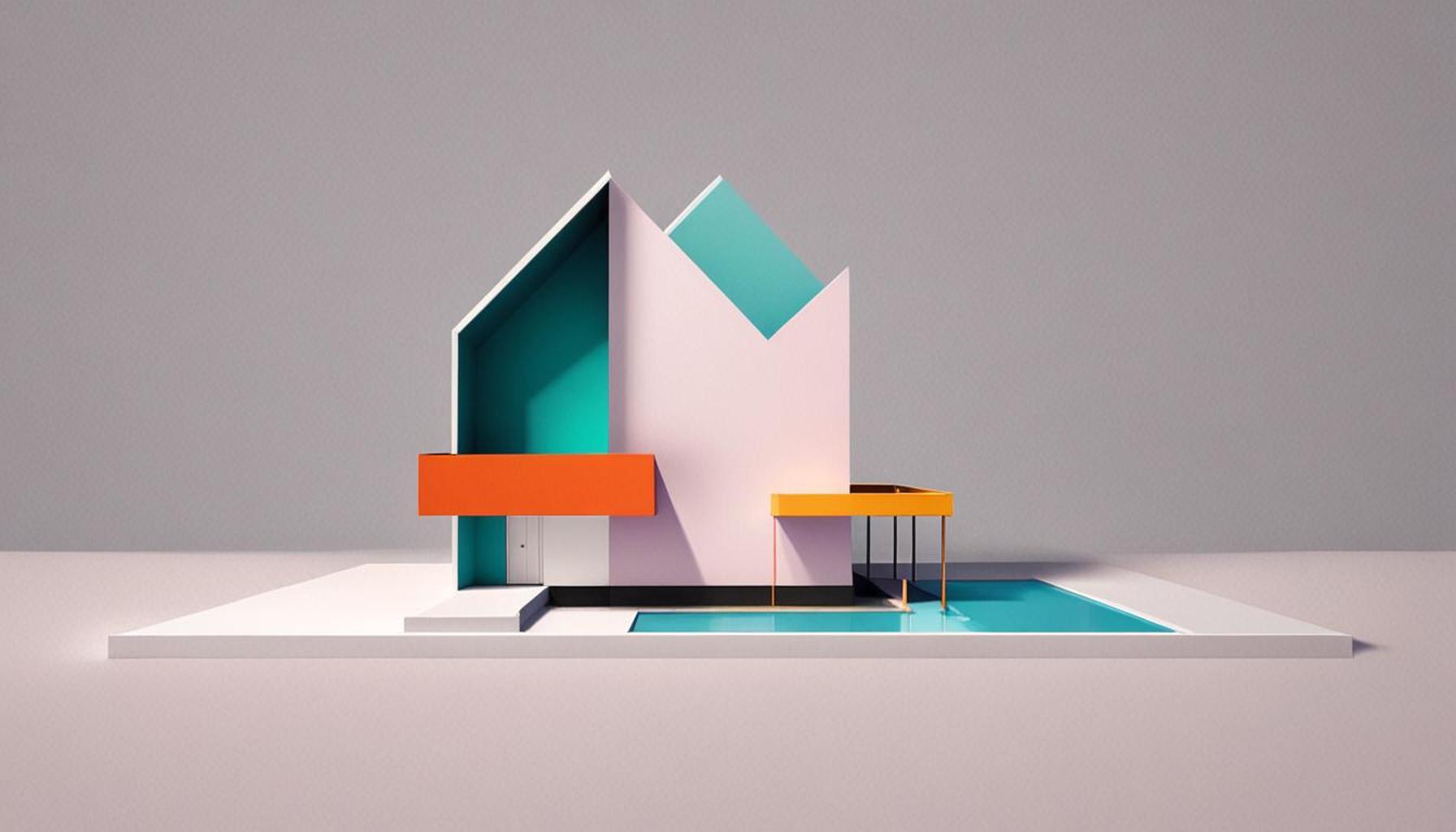
The Essence of Minimalism in Architectural Spaces
In a world overflowing with stimuli, the essence of minimalism offers a refreshing respite. It champions simplicity, function, and purpose in architecture, creating spaces that not only look exquisite but also enhance our well-being. This approach goes beyond aesthetics; it emphasizes the profound impact that architecture can have on our emotional and mental states. Minimalism invites us to reflect on what is truly necessary, stripping away superfluity while enhancing our appreciation for thoughtful design.
The intersection of minimalism and architecture can be characterized by several key features that create a serene living environment. Firstly, Sleek Lines play a crucial role in achieving tranquility. Clean, unadorned forms devoid of excessive ornamentation evoke clarity and a sense of calm, making these architectural spaces a retreat from the chaotic outside world.
Secondly, the use of Natural Materials cannot be understated. A focus on organic textures such as wood, stone, and glass fosters a sense of connection with nature, promoting not only visual appeal but also emotional comfort. For instance, a home featuring large glass windows allows natural light to pour in, blurring the boundaries between indoor and outdoor realms and celebrating the beauty of the surrounding landscape.
Equally important are Functional Spaces, where every element serves a purpose. This intentionality eliminates unnecessary distractions and clutter, resulting in environments conducive to both productivity and relaxation. Open floor plans and strategically placed furnishings ensure that each area of the home or office supports its intended use, further enhancing overall well-being.
Across the United States, architects are embracing this philosophy to transform urban living into more mindful experiences. Notable examples include:
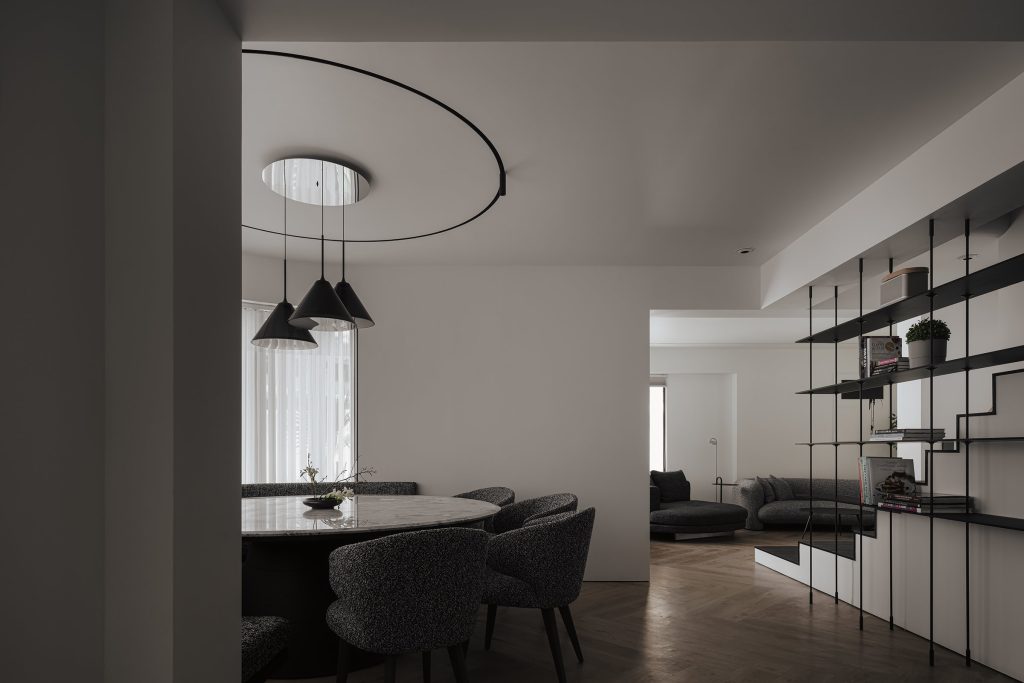
- The NeueHouse in Los Angeles, which exemplifies how workspace and minimalist design can blend seamlessly. With a focus on communal areas that foster collaboration while retaining personal space, it reflects the ideals of modern work culture.
- The Farnsworth House in Illinois, designed by the renowned architect Ludwig Mies van der Rohe, showcases an exceptional harmony between the indoors and nature. Its transparent structure allows residents to immerse themselves in the surrounding environment, creating a peaceful atmosphere.
- Modern homes in New York’s Hudson Valley, often featuring eco-friendly materials and open layouts, capture a simplistic elegance that resonates with the natural beauty of the region. These residences exemplify how minimalistic architecture can create a sense of belonging within the landscape.
As we delve into the rich tapestry of minimalist architecture, we uncover how these intentional spaces stimulate creativity and inspire serenity. This exploration reveals not just design principles but also a deeper understanding of our relationship with our environments. Through the lens of minimalism, we can appreciate how thoughtful design not only shapes spaces but also profoundly influences our way of living, prompting us to consider our own interactions with the built world.
DIVE DEEPER: Click here to discover the transformative power of letting go
Embracing Simplicity: The Design Principles of Minimalist Architecture
At the heart of minimalist architecture lies a commitment to simplicity and functionality that extends beyond mere visual appeal. This design philosophy emphasizes creating intentional spaces that foster a sense of peace, clarity, and purpose. By prioritizing essential elements and eliminating excess, architects can transform everyday environments into sanctuaries that inspire and uplift. This approach beckons us to explore how core principles of minimalism intersect seamlessly with architectural practices, leading to spaces that not only serve our needs but also enhance our quality of life.
One of the pivotal principles of minimalism is the concept of open space. Open floor plans are prevalent in minimalist design, promoting a fluid connection between different areas of a home or building. This layout encourages movement and interaction while discouraging the formation of cluttered zones that can overwhelm the senses. The central premise is to embrace the absence of walls, where each area flows into the next, fostering an inclusive atmosphere that encourages both social engagement and solitude.
Light, both natural and artificial, serves as another cornerstone of minimalist ethos. In minimalist architectural spaces, the use of large windows, skylights, and strategically positioned fixtures allows light to fill the room, creating an airy ambiance and highlighting the essential features of the design. This practice not only enhances visibility but also elevates mood, underscoring how illumination interacts with architectural forms to enrich our experiences within a space. Designers often emphasize this by orienting buildings to capture optimal sunlight, allowing inhabitants to harmonize with the rhythms of nature.
Another dimension of minimalist architecture is its reliance on color palettes that promote tranquility. Neutral tones such as whites, beiges, and grays are commonly used, evoking calmness and spaciousness. These subtle shades act as a canvas, allowing individual pieces of furniture or art to stand out, contributing to an overall feeling of coherence and harmony. The thoughtful selection of colors reverberates throughout the space, highlighting minimalism’s intent to cultivate environments that soothe rather than stimulate.
To further showcase the effectiveness of minimalism in architectural spaces, consider the following renowned examples that encapsulate its principles:
- The Close House in Newcastle, designed by studio 34, illustrates the integration of open spaces and natural light, making it a study in modern minimalist design.
- The Casa Garcia in Mexico, designed by architect Jorge Gracia, embodies minimalism with its expansive lines and integration with the surrounding landscape, evoking a harmonious relationship between human habitation and nature.
- The Vanna Venturi House in Pennsylvania, a critical piece of architectural history, demonstrates how minimalism can bridge tradition and modernity through its innovative approach to form and function.
As we observe and analyze these impactful designs, we begin to recognize how minimalist architecture serves as a gateway to more intentional living. Through the exploration of these key principles, architects and designers are redefining our relationships with our environments, sparking curiosity about how minimalist ideals can lead to profound improvements in our daily lives.
The Essence of Minimalism in Architectural Design
Minimalism in architecture emphasizes the idea that “less is more.” This principle goes beyond aesthetic appeal; it fosters functionality and simplicity in design, allowing the structure itself to breathe life into the space. Functional minimalism leads to clearer pathways and decluttered environments, which can alleviate cognitive overload and enhance mental clarity. The integration of nature—through sustainable materials and natural light—often plays a pivotal role in creating these intentional spaces. Simplicity is also a crucial component that encourages the use of natural colors and textures, which evoke a sense of calm and tranquility. By removing extraneous elements, architects can design spaces that not only serve their purpose but also provide a backdrop for inspiration and creativity. For instance, open floor plans and large windows complement minimalist interiors, inviting the surrounding natural environment indoors and fostering a stronger connection to the outside world.
The Role of Intentionality in Functional Spaces
Intentional design in architecture focuses on creating spaces that prioritize user experience and emotional well-being. This philosophy suggests that every element within a space—whether it’s a piece of furniture, a wall color, or lighting—should have a purpose and contribute to a holistic experience. Intentional spaces nurture creativity, prompting individuals to engage with their surroundings and be influenced by them. Moreover, intentional design can greatly affect productivity. Research indicates that well-thought-out spaces enhance focus and inspiration in environments such as offices or studios. Elements like biophilic design—which incorporates natural elements—have been shown to improve air quality and increase well-being, thus creating a more conducive atmosphere for creativity and work. The intersection of minimalism and architecture creates a unique opportunity for innovation, allowing architects and designers to explore new dimensions of space usage that align with modern lifestyles. As we delve deeper into the implications of these principles, we find that intentional design not only shapes aesthetics but also enriches human experiences.
| Advantages of Minimalism | Impact on Architecture |
|---|---|
| Enhanced Clarity | Creates uncluttered spaces that promote mental focus. |
| Improved Well-being | Encourages emotional tranquility through natural elements. |
The marriage of minimalism and architecture not only transforms spaces but also elevates our day-to-day experiences, urging us to appreciate the beauty found in simplicity. Each design element becomes a conversation starter and a canvas for innovation, beckoning us to explore deeper into this fascinating subject.
DISCOVER MORE: Click here to learn about mindful consumption
Functional Aesthetics: The Role of Materials in Minimalist Design
As minimalist architecture seeks to strip away the non-essential, the materials used in these structures play an integral role in crafting intentional spaces that resonate with their inhabitants. The careful selection and application of materials align perfectly with minimalism’s ethos of functionality and authenticity. With a focus on natural and sustainable materials, architects can create environments that not only appeal to the eye but also promote ecological responsibility and harmony.
The use of natural materials such as wood, stone, and concrete is prevalent in minimalist architecture. These substances embody a raw beauty, often revealing their unique textures and imperfections. For instance, exposed concrete can lend a sense of industrial chic while providing longevity and durability. Similarly, timber elements can bring warmth and vitality to a space, creating a welcoming atmosphere without overwhelming aesthetics. The synergy created by these materials not only enhances visual interest but also contributes to the overall emotional experience of the spaces they inhabit.
Sustainability is another vital aspect of minimalist architecture that has gained traction in recent years. With growing awareness of climate change and the urgency for eco-friendly design, architects are increasingly opting for sustainable materials that reduce the carbon footprint of their buildings. The use of recycled materials, along with responsibly sourced woods, reflects a commitment to environmental stewardship while still adhering to minimalist principles. This convergence of aesthetics and sustainability prompts a deeper consideration of our built environment and urges architects to innovate in ways that benefit society as a whole.
Moreover, minimalist architecture often emphasizes craftsmanship and quality, raising the bar on what it means to create functional beauty. This philosophy advocates for attention to detail and emphasizes the importance of artisanal techniques in the construction process. Projects often highlight local artisans and traditional construction methods, which not only honors cultural heritage but also ensures that each element is thoughtfully designed and executed. This fusion of modernity and tradition results in spaces that tell a story, connecting occupants to their surroundings in meaningful ways.
The incorporation of technology into minimalist designs further exemplifies how this architectural style evolves to meet contemporary needs. Smart home technologies, for instance, seamlessly integrate into minimalist spaces, enhancing user functionality while maintaining clean lines and aesthetic balance. From automated lighting systems that adjust according to natural light to energy-efficient climate control, these innovations support the minimalist mindset by optimizing the spaces for convenience, comfort, and sustainability.
Examples of successful implementation of these principles can be found in several architectural marvels across the United States. The Farnsworth House in Illinois, designed by Ludwig Mies van der Rohe, epitomizes the idea of merging indoor and outdoor environments through the liberal use of glass and minimalist lines. Similarly, the Glass House designed by Philip Johnson, showcases the interplay of transparency and nature, creating a deliberately unembellished space that allows for maximum connection with the surroundings.
Ultimately, the intersection of minimalism and architecture encourages a reevaluation of how we inhabit spaces, urging designers to create environments that are not only visually stunning but also profoundly inspirational. Through pragmatic use of materials, an emphasis on sustainability, and the preservation of craftsmanship, minimalist architecture continues to challenge and enrich our understanding of what intentional spaces can and should be.
DIVE DEEPER: Click here to discover intentional spaces
Conclusion: The Future of Minimalism in Architecture
As we navigate the complexities of modern living, the intersection of minimalism and architecture emerges as a powerful lens through which we can redefine our spaces. By emphasizing simplicity, functionality, and sustainability, minimalist design encourages a profound reconnection with our environment. The intentional crafting of spaces, facilitated by thoughtfully selected materials, not only enhances aesthetic appeal but also fosters emotional well-being.
The focus on sustainable practices intertwined with minimalist principles is crucial in addressing the urgent need for ecological responsibility. Architects and designers are called to explore innovative solutions that minimize environmental impact while maximizing user experience. In this way, projects like the Farnsworth House and Glass House become benchmarks and inspirations for future designs, showcasing a harmonious balance between built and natural environments.
Moreover, as technology continues to evolve, the integration of smart solutions within minimalist architecture offers exciting possibilities for enhancing functionality without sacrificing aesthetic integrity. By leveraging innovation while adhering to the philosophy of less being more, architects can create spaces that are both practical and inspiring.
Ultimately, the intersection of minimalism and architecture signifies more than just a design trend; it represents a conscious shift towards creating environments that nurture human connection, promote mindfulness, and inspire creativity. By prioritizing the essence of space, we open up new avenues for exploration and expression in our built world, inviting a future where our surroundings truly reflect our values.