Create a Functional Space Practical Tips for Minimalistic Home Organization
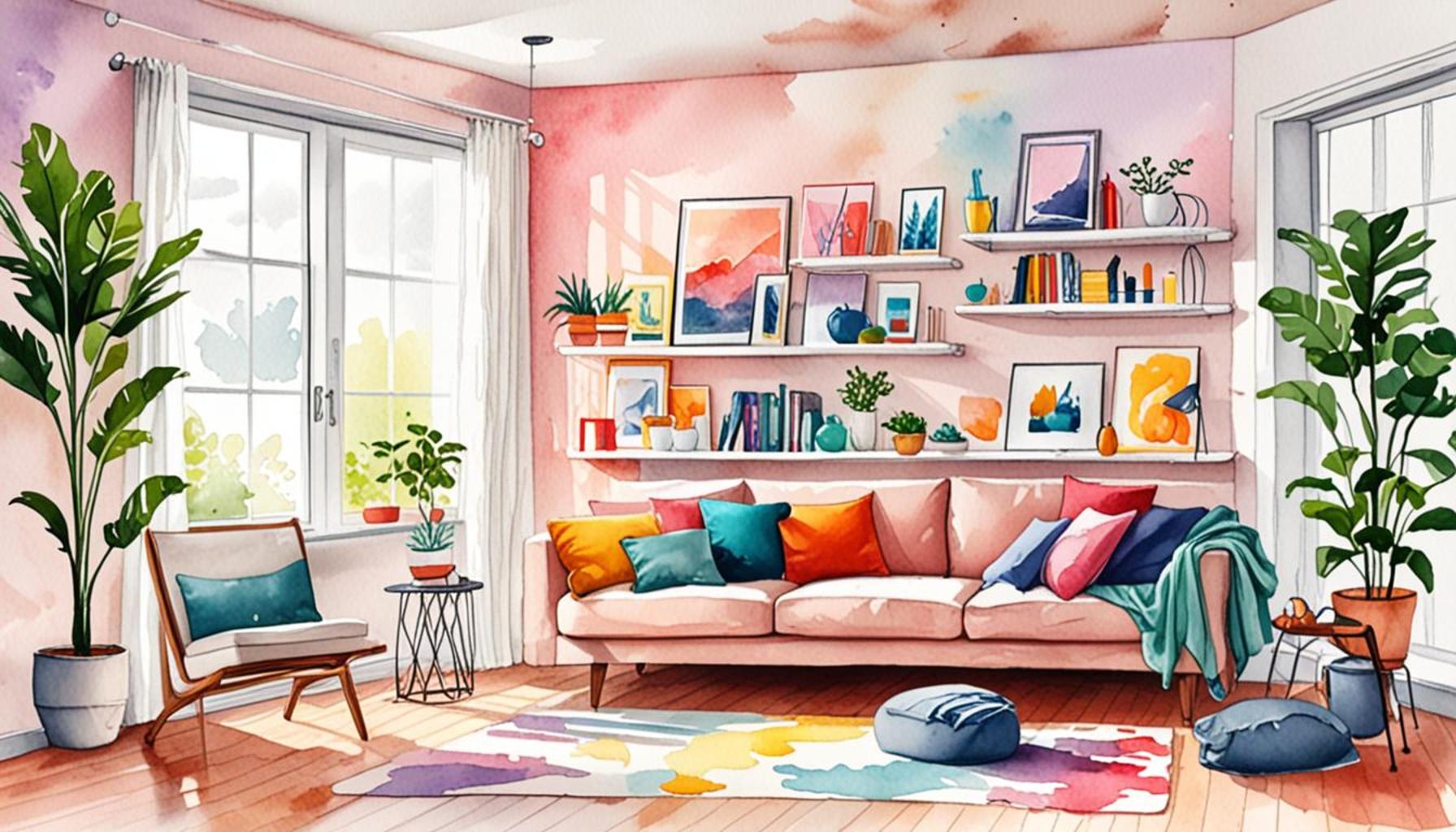
In an increasingly chaotic world, the concept of minimalism has gained traction as a means to simplify our lives. By stripping away the excess, minimalism encourages individuals to create spaces that are not only aesthetically pleasing but also functional. This approach to home organization helps reduce stress and fosters a sense of tranquility.
Embracing minimalism involves much more than just decluttering. It requires a thoughtful examination of our belongings, understanding what truly brings us joy, and reorganizing our living spaces accordingly. To assist you on this journey, we’ve compiled a list of the Top 5 Practical Tips to create a functional and organized home.
- Identify your priorities and essentials.
- Implement effective storage solutions.
- Create designated zones for activities.
- Utilize multi-functional furniture.
- Regularly reassess and adjust your space.
Join us as we delve deeper into each of these strategies, guiding you toward a more organized and fulfilling living space.
Top 5 Tips for Creating a Functional Space: Practical Minimalism for Organizing Your Home
In a world that’s constantly bustling with activity, the allure of minimalism continues to rise, offering a retreat from chaos into simplicity. It’s far more than just eliminating clutter; it’s about crafting spaces that promote tranquility and elevate efficiency. Imagining a home where every item has a purpose and contributes to your well-being can be transformative. Below, we delve into five essential tips designed to help you embrace a functional, minimalist lifestyle. By adopting these strategies, you’ll not only optimize your living area but also cultivate an environment that enhances everyday life.
5. Embrace the ‘One In, One Out’ Rule
The ‘One In, One Out’ rule isn’t just a helpful mantra—it’s a foundational practice for maintaining a minimalist home. This principle requires a commitment to letting go of an item for every new one we bring in, ensuring balance and preventing clutter from slowly creeping back in after a tidy purge. The key element here is mindful consumption; when we consider the value an item adds before purchasing, we become more intentional with what we allow into our homes.
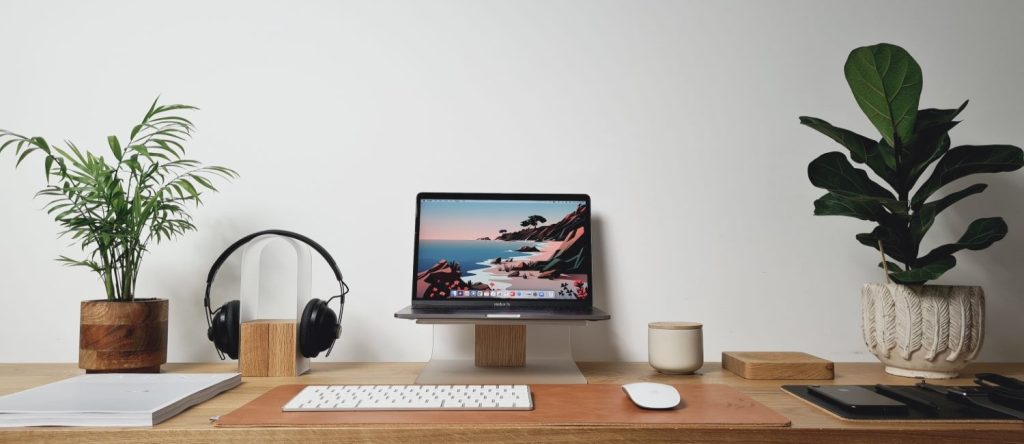
Benefits of the ‘One In, One Out’ Rule:
- Encourages intentional acquisitions: By evaluating what to remove before adding, you engage in thoughtful purchasing, focusing on quality over quantity.
- Minimizes clutter and overspending: This rule acts as a natural budgetary measure, curbing impulse buys that often lead to cluttered spaces.
- Promotes a sense of order and calm: A balanced environment, free from excess, can significantly reduce stress and mental clutter.
To implement the ‘One In, One Out’ rule, discipline is necessary. Consider establishing a routine check to reflect on your possessions, gradually fostering a more peaceful environment.
4. Create Functional Zones
Your home should be a sanctuary of efficiency, and creating functional zones can be the masterstroke in achieving this. Assigning specific areas for distinct activities helps eliminate distractions and enhances productivity. Think of your home as a blueprint where each section serves a dedicated purpose—no more time lost looking for things or double-using limited spaces.
Tips for Creating Functional Zones:
- Assess the purpose of each room: Start by determining the primary activities for each area. Is it relaxation, work, or dining?
- Use furniture placement to clearly define spaces: Arrange furniture in a way that subtly partitions different zones, like using a bookshelf to separate a living room from a dining area.
- Ensure easy access to items needed for each zone: Streamline each zone by keeping related items close by, minimizing the need to wander, thus increasing efficiency.
By fostering functional zones, you’re designing a home environment that inherently boosts your lifestyle’s organization and productivity.
3. Choose Multi-Functional Furniture
Adopting multi-functional furniture isn’t just about saving space—it’s about maximizing the potential of every square inch. These versatile pieces are particularly advantageous in smaller homes where every item must earn its keep. The beauty of multi-functional furniture is that it curates a minimalist aesthetic while serving your practical needs.
Examples of Multi-Functional Furniture:
- Sofas with built-in storage: Perfect for stashing extra blankets, books, or seasonal décor out of sight yet within reach.
- Foldable dining tables: The adaptability to expand for guests or tuck away when not in use conserves valuable space.
- Murphy beds for guest rooms: They allow rooms to serve dual purposes, transforming from sleeping quarters to office or workout space with ease.
Thoughtfully selected, these pieces do more than just furnish a room; they bridge function with form, cutting down clutter significantly without sacrificing style.
2. Declutter Regularly
Decluttering is not a one-time thrill; it’s a consistent practice that ensures ongoing harmony in your home. Items accumulate over time, often unbeknownst to us. By making decluttering a regular habit, we can avoid the overwhelm that comes with sporadic purges and maintain a serene and tidy space year-round.
Effective Decluttering Strategies:
- Use the Marie Kondo method: Keep only what sparks joy: This mindset shifts the focus from ‘elimination’ to ‘selection’, promoting a positive engagement with your belongings.
- Focus on one area at a time for less overwhelm: Tackling smaller sections one by one makes the process manageable and prevents fatigue.
- Donate or recycle items you no longer use: Giving items a new life through donation or recycling is a sustainable solution that benefits others while clearing your space.
By embracing regular decluttering, you sustain a minimalist environment, ensuring your space remains fresh and invigorating.
1. Prioritize Minimal Aesthetics
Atop our list, prioritizing minimal aesthetics elevates not just your home’s look, but its overall vibe. Minimalism in design doesn’t have to mean plain—it’s about purposeful beauty that mirrors simplicity and calm. A cohesive design palette achieves visual harmony, making spaces feel larger and more inviting.
Elements of Minimal Aesthetics:
- Neutral colors that evoke tranquility: Shades of white, beige, and gray build a calming backdrop, allowing serenity to reign.
- Natural materials that add warmth: Incorporating wood, stone, or wool adds texture and comfort to a minimalist scheme.
- Thoughtfully curated décor that reflects your personality: Rather than filling spaces with numerous ornaments, choose meaningful pieces that speak to you and align with the minimalist ethos.
By nurturing a home that resonates with minimalist aesthetics, you facilitate a smoother flow of energy, helping create a more organized and peaceful lifestyle.
In conclusion, adopting these five practical tips will empower you to create a functional and organized living space that embodies minimalism’s core principles. Through intentional decisions regarding your belongings and a commitment to simplicity, you can transform your home environment, enhancing not just aesthetics but your quality of life as well. Whether it’s through routine decluttering or the adoption of versatile furniture, each step you take is a stride towards harmonizing with the minimalist philosophy.
| Category | Key Features/Characteristics |
|---|---|
| Space Optimization | Employing smart storage solutions like multi-functional furniture to maximize your available space. |
| Visual Clarity | Utilizing a neutral color palette and minimal decor to create a soothing environment that enhances focus. |
| Time Efficiency | Implementing simple organizational systems that reduce cleaning time and streamline daily tasks, allowing for more leisure. |
| Emotional Wellness | Creating a clutter-free space that promotes tranquility, mental clarity, and an overall sense of peace. |
The principles of minimalism advocate for a lifestyle that emphasizes simplicity and functionality. Adopting these strategies not only enhances the aesthetic appeal of your home but also significantly boosts your day-to-day living experience. As one embraces space optimization, innovations like built-in shelving or foldable furniture can effortlessly blend style with practicality. Moreover, visual clarity through a calm and cohesive color scheme not only makes spaces feel larger but also acts as an antidote to the chaos of everyday life. It’s about creating an environment that is not just a place to live but a sanctuary for the mind. Time efficiency is another alluring benefit of minimalism. By minimizing distractions and organizing spaces intelligently, individuals can dedicate more time to what truly matters in their lives—be it connecting with family or enjoying personal hobbies. In terms of emotional wellness, a simplified home promotes a sense of peace. The absence of clutter directly correlates with lower stress levels, encouraging a lifestyle where individuals can thrive emotionally as well as physically. Exploring these dimensions of minimalism opens the door to a well-rounded approach to home organization that balances aesthetics with mental and emotional health.
Frequently Asked Questions about Creating a Functional Space
What is the main principle of minimalism in home organization?
The main principle of minimalism in home organization revolves around the idea of having *less* to create *more space*. This concept encourages individuals to eliminate clutter and focus on the essentials as a way to enhance functionality and visual appeal. A minimalistic approach can lead to a more serene environment, increasing both productivity and relaxation by reducing distractions.
How can I start adopting minimalism if I have a lot of belongings?
To begin adopting minimalism, start with a step-by-step decluttering process. Focus on one room or area at a time. Ask yourself critical questions like “Do I need this?” or “Does this item add value to my life?” It’s often advised to follow the *one-in, one-out* rule, where for every new item acquired, an old one is discarded. This can help maintain a balanced and minimal inventory of belongings.
Is it expensive to transform my home into a minimalist space?
Contrary to popular belief, transitioning to a minimalistic home does not have to be expensive. In fact, it is often about living with less rather than purchasing more. Begin by reassessing existing furniture and decor, repurposing items where possible. When you do need to buy, invest in quality pieces that will last and that essentially serve multiple functions, thus reducing the overall number of items you need.
How does a minimalist home environment affect mental health?
A minimalist home can have a profound impact on mental health by reducing stress and promoting a sense of calm. Environments with fewer distractions present a clearer space for thinking and can lead to improved focus and creativity. The clear and organized surroundings often reflect on internal feelings, providing mental clarity and emotional balance.
Conclusion: Embracing Minimalism for a Functional Home
Transforming your living space into a functional, minimalist sanctuary may seem daunting, but the rewards are undeniable. Through the lens of minimalism, personal organization becomes a journey of introspection, where each choice holds the power to enhance your living environment. The key takeaways from adopting this lifestyle are numerous and impactful.
Key Insights for Creating a Functional Space
- Purge with Purpose: Embrace the process of letting go of unnecessary items and keep only those that bring joy and utility.
- Utilize Smart Storage Solutions: Efficient storage not only helps in clutter management but also maximizes available space.
- Emphasize Multifunctionality: Selecting furniture that serves multiple purposes can revolutionize how spaces are used.
- Maintain Simplicity in Design: Adopting a less-is-more approach in decor encourages serenity and mindfulness.
- Commit to Consistent Habits: A routine of organization fosters a sustainable, clutter-free environment.
Minimalism is more than a decorative style; it is a lifestyle shift towards intentional living and personal organization. By reducing distractions, you create space for what truly matters, enhancing both physical surroundings and mental well-being. In an age where excess often reigns, these principles serve as a beacon, guiding individuals toward a clearer, more purposeful existence.
Ultimately, integrating minimalism into your home is a commitment to quality over quantity. It fosters an environment that aligns with the essence of simplicity and efficiency. As you continue to explore and apply these practices, remember that minimalism is a personal journey—one that has the potential to transform every aspect of your life for the better. The path to a peaceful, organized home begins with a single step: choosing to live with less, but better. Embrace this philosophy and watch as your living space evolves into a true haven of functionality and tranquility.