Demystifying Minimalism Practical Strategies for Efficient Personal Organization

Understanding Minimalism
In a world increasingly filled with distractions and clutter, the concept of minimalism has gained significant traction. This lifestyle choice is about focusing on what truly matters, stripping away unnecessary possessions, and creating space both physically and mentally for a more fulfilling life. By adopting minimalism, individuals often find improved clarity, efficiency, and an enhanced sense of purpose.
Why Personal Organization Matters
Effective personal organization is vital in our fast-paced lives. It allows us to navigate daily responsibilities more smoothly and fosters a sense of control over our environments. When combined with minimalism, organizing becomes not just a task but a lifestyle transformation.
What to Expect
In this article, we’ll explore practical strategies that can help you achieve an efficient personal organization system through minimalism. You will discover top techniques that can simplify your space, streamline your tasks, and ultimately enhance your quality of life. Prepare to delve into our “Top 5” strategies that pave the way for a minimalist approach to organization.
Top 5 Strategies to Demystify Minimalism: Practical Approaches for Efficient Personal Organization
Minimalism transcends mere aesthetics or fashionable trends; it is a deliberate lifestyle that intricately shapes our interactions with our environment. By engaging in simplicity, individuals can significantly reduce both physical and mental clutter, thereby enhancing their productivity and overall well-being. This article delves into five practical strategies designed to demystify minimalism and elucidate efficient personal organization. Join us as we dissect the essence of applying a minimalist approach, unraveling one strategy at a time.
5. Declutter Your Space Regularly
The cornerstone of minimalism is maintaining a space free from clutter. A clean, organized environment not only inspires peace but also boosts creativity and concentration. Regular decluttering sessions are essential to keep a space both thematic and inviting. However, achieving this can be broken down into manageable actions that prevent the task from becoming overwhelming:
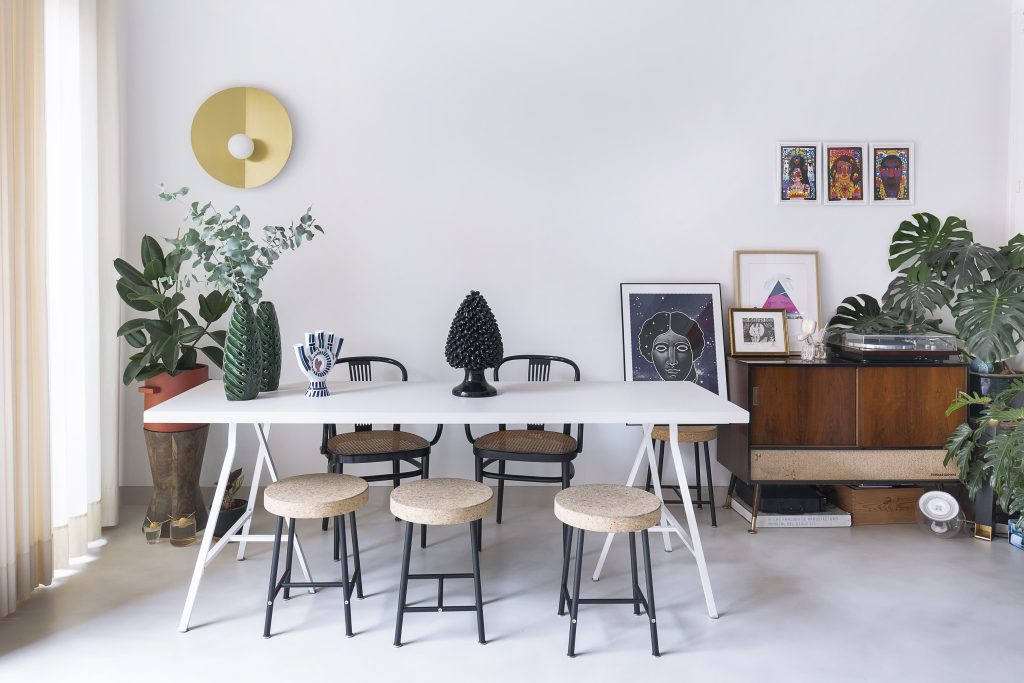
- Set a Timer: Allocate about 15-30 minutes each week to dedicate solely to organizing. This timed session helps in transforming the decluttering process into a habitual practice.
- Focus on One Area: Choose a specific section or room of your living space to target. This targeted approach makes the process feel achievable and less daunting.
- Use the ‘Four-Box Method’: Prepare four labeled boxes—keep, donate, trash, and sell. This system facilitates decision-making about which items to retain, eliminate, or redistribute.
Regular decluttering doesn’t only create a visually appealing and functional environment but also promotes mindfulness. By actively choosing items that add genuine value to your life, you adhere to the essential minimalist mantra of quality over quantity.
4. Embrace the One In, One Out Rule
Adopting the “One In, One Out” rule bolsters the ethos of mindful consumption. By ensuring that for every new item brought into your living space, an existing item is removed, you effectively curtail the accumulation of unnecessary possessions. This strategy is particularly effective in fostering a disciplined and intentional method towards purchases.
To seamlessly integrate this strategy into your lifestyle, consider the following approaches:
- Evaluate Needs vs. Wants: Before purchasing, consider if an item meets a genuine need or is simply a desire. This step can thwart impulsive buying behavior.
- Be Aware of Marketing Traps: Stay mindful of marketing tactics designed to spur unplanned acquisitions, encouraging you to refocus on personal value rather than perceived trends.
- Family Participation: Make this practice a household endeavor, encouraging family members to adopt the same mindful principle, thereby ingraining a collective minimalist mindset.
This method of applied discipline in consumption not only aids in preventing clutter but also instills the values of conscious living, enriches the household’s ethos, and strengthens the acceptance of a minimalist lifestyle.
3. Set Clear Priorities and Goals
A pivotal element of minimalism is discerning what truly holds importance in one’s life. Establishing clear priorities and realistic goals acts as a guiding lighthouse in your minimalist journey. Lacking a defined direction may lead to the accumulation of items and tasks that, instead of enhancing life, serve merely as distractions.
To effectively set and achieve priorities, consider implementing these practices:
- Identify Your Values: Dive into what fundamentally anchors your being, such as family, health, or professional aspirations.
- Create a Personal Mission Statement: Draft a concise statement encapsulating your core goals. This serves as a constant, visual reminder of your focus and ambition.
- Regularly Reflect: Dedicate time to reviewing and adjusting priorities to ensure they align with your continuous growth and life changes.
Establishing and harmonizing your priorities not only streamlines decision-making but also empowers you to relinquish possessions and tasks that do not correspond with your core aims.
2. Streamline Your Digital Life
In today’s digital landscape, it is paramount to recognize that clutter is not restricted to physical spaces. Digital clutter—from an overflowing email inbox to chaotic file systems—can be just as overwhelming. Streamlining your digital life is an integral facet of adopting a minimalist mindset.
To achieve clarity within your digital realm, employ the following strategies:
- Unsubscribe from Unwanted Newsletters: Reducing the inflow of newsletters can significantly decrease digital information overload.
- Systematic File Organization: Develop and use a structured framework of folders and clear labeling for easy navigation through your digital documents.
- Evaluate Social Media Presence: Identify which platforms contribute value to your life; consider minimizing or eliminating usage of those that don’t enrich your daily interactions.
Creating an organized digital environment can foster a sense of control, enhance focus, and promote increased productivity—all of which are vital tenets of a minimalist lifestyle.
1. Cultivate Mindfulness and Intentionality
The essence of minimalism is deeply rooted in the practice of mindfulness and intentionality. Living mindfully means making conscious choices that resonate with your core principles and aspirations, thereby fostering clarity and inner peace—foundational elements that fortify a minimalist lifestyle.
To cultivate such a mindset, consider these actionable steps:
- Practice Daily Meditation: Allocate moments each day for meditation or stillness, allowing reflection and tranquility to guide your thoughts.
- Engage in Conscious Consumption: When considering purchases, reflect upon necessity and long-term value rather than instant gratification.
- Embrace Present Living: Anchor yourself in the present moment, fully experiencing life without excessive preoccupations with past regrets or future anxieties.
Integrating mindfulness and conscious living into your routine not only supports a minimalist lifestyle but imbues each day with purpose, enhancing your quality of life while nurturing a profound sense of satisfaction and fulfillment.
In a world dominated by hustle and the incessant demand for more, minimalism presents a refreshing, sustainable alternative—a path toward serenity and intention. By embracing these strategies, individuals can embark on a transformative journey toward an organized, fulfilling, and minimalist life.
In the pursuit of minimalism, individuals often encounter a plethora of strategies aimed at transforming their personal organization into a more efficient framework. Below, we delve into some fundamental concepts that are intrinsic to adopting a minimalist lifestyle, offering insightful perspectives that go beyond the typical interpretations.One of the central themes in minimalism is the importance of **intentionality**. Choosing what to keep in one’s life involves a conscious decision-making process that prioritizes significance over mere possession. This leads individuals to evaluate their belongings critically—considering not just their utility but also their emotional impact. Minimalism teaches that by stripping away excess, we can elevate the value of what remains. This intentional focus fosters an atmosphere of gratitude, allowing individuals to appreciate the items that bring true joy or functionality.Another relevant strategy involves **time management**, which is pivotal in cultivating a minimalist environment. Minimalism isn’t solely about physical possessions; it also pertains to how we manage our schedules and commitments. By applying minimalist principles to time, individuals can streamline their daily routines, eliminate unnecessary tasks, and thereby reduce mental clutter. The practice of setting clear priorities aids in redirecting efforts towards meaningful tasks that genuinely enhance personal fulfillment. It’s about saying ‘no’ to distractions and focusing efforts on actions that resonate with one’s core values.Alongside intentionality and time management is the concept of **digital minimalism**, which is increasingly significant in our hyper-connected world. Many are learning that decluttering their digital spaces—such as emails, social media feeds, and files—can lead to a more serene mental state. Limiting screen time and curating online experiences helps individuals manage information overload, making way for greater focus on engaging with life outside of screens. This aspect of minimalism challenges the notion that constant connectivity is necessary for productivity, emphasizing instead the benefits of mindful engagement with technology.Lastly, cultivating a **mindset of abundance** can be a radical shift for those entrenched in consumer culture. Minimalism challenges the notion that more possessions lead to greater happiness. Instead, it suggests that true contentment stems from experiences, relationships, and personal growth. By recognizing that value lies not in accumulation but in mindful presence, individuals can foster a sense of abundance that is inherently fulfilling and liberating, moving away from the shackles of materialism.Through these strategic approaches, individuals can demystify minimalism and uncover a pathway towards an efficiently organized personal life. Empowered by intentional choices, streamlined time management, thoughtful digital engagement, and a reframed mindset, one can discover that minimalism transcends mere aesthetics; it becomes a profound way of living that encourages simplicity and clarity in everyday existence.
Frequently Asked Questions About Practical Minimalism
What exactly is minimalism, and how can it benefit my personal organization?
Minimalism is often misunderstood as living with the bare minimum, but in essence, it’s about consciously focusing on what truly adds value and eliminating what’s unnecessary. This approach can significantly streamline your personal organization by reducing clutter, which in turn can improve your mental clarity and productivity. By embracing minimalism, many people find they are less stressed, more focused, and spend less time managing possessions, leading to a more efficient and satisfying life.
How can I start integrating minimalist practices into my daily routine?
Integrating minimalism into your routine begins with a shift in mindset. Start by evaluating your daily activities and identify tasks or belongings that don’t contribute to your goals or happiness. Try adopting the “one in, one out” rule where you only add something new if you get rid of something old. Establish clear priorities to manage your time more effectively, allowing you to focus on activities that truly matter. Remember, minimalism is a personal journey and doesn’t have a one-size-fits-all approach.
Do I need to get rid of most of my belongings to be a minimalist?
Contrary to popular belief, minimalism doesn’t require you to live in a sparse environment. Instead, it’s about intentionality—owning items that serve a purpose or bring joy without excess. Begin by decluttering one area at a time, asking yourself if each item is either functional or meaningful. It’s about surrounding yourself with what you need and love, rather than adhering to a specific number of possessions.
Can minimalism impact my mental health positively?
Yes, many minimalists report improved mental health as a result of their lifestyle changes. The process of decluttering often leads to a decrease in anxiety and stress. When you’re not weighed down by excess physical and mental clutter, you’re free to focus on activities that enrich and fulfill you. Research suggests that a simpler, more organized living environment can lead to increased feelings of calm and clarity, contributing to overall mental well-being.
Is minimalism a sustainable lifestyle choice?
Minimalism can indeed be a sustainable approach to living. By reducing consumption and waste, minimalists often have a smaller ecological footprint. This lifestyle encourages mindful purchasing decisions, supporting quality over quantity, which in turn can promote sustainable production practices. As you consume less, you contribute to less environmental impact, making minimalism a friendly choice for the planet as well as your personal wellbeing.
Conclusion
Understanding and implementing minimalism in our daily lives is much more than simply reducing physical belongings; it is about streamlining life to focus on what truly matters. Through the exploration of practical strategies for personal organization, this article has demystified minimalism by offering tangible steps that are accessible to everyone.
Firstly, acknowledging the psychological impact of clutter allows individuals to take the first steps toward transformation. By recognizing how an overload of possessions can create mental noise, one can begin to seek serenity through simplicity. This realization prompts a shift in mindset, which is crucial for successful minimalistic living.
The importance of setting clear goals and priorities plays a critical role in directing our focus and actions. By aligning our environments and habits with these goals, we create spaces that support our aspirations rather than hinder them. Developing a clear vision enables us to declutter with purpose and ensures that our decisions are intentional and meaningful.
Another key takeaway is the implementation of automated systems and tools. These not only save time but also enhance productivity, allowing individuals to focus on creative and fulfilling pursuits. Utilizing technology to manage daily tasks can significantly reduce the burden of organization and increase overall efficiency.
By adopting a mindset of intentional consumption, individuals can curb unnecessary acquisitions and reduce clutter accumulation. This approach not only benefits personal organization but also contributes to a sustainable lifestyle, emphasizing quality over quantity.
In conclusion, the journey towards a minimalist lifestyle offers a gateway to personal freedom and a more organized existence. It requires introspection, discipline, and a commitment to live intentionally. As we embrace these strategies, we pave the way for a life that is enriched with meaningful experiences, where one’s environment serves as a foundation for creativity and growth. Exploring minimalism and personal organization is not just a trend but an opportunity to embrace a more fulfilling and balanced life.