How to Organize Intentional Spaces to Increase Productivity and Mental Clarity
Creating Spaces That Enhance Focus
In our modern society, where distractions are often just a notification away, the design and organization of our environments can make a significant difference in our productivity and mental well-being. The notion of intentional spaces goes beyond the visual appeal of an environment; it’s about constructing settings that foster focus, creativity, and effectiveness.
Numerous studies highlight the undeniable connection between our surroundings and cognitive performance. One such research from the University of Toronto reveals that exposure to organized spaces enhances the ability to process information and make decisions. With this in mind, here are some key factors to consider when organizing your space:
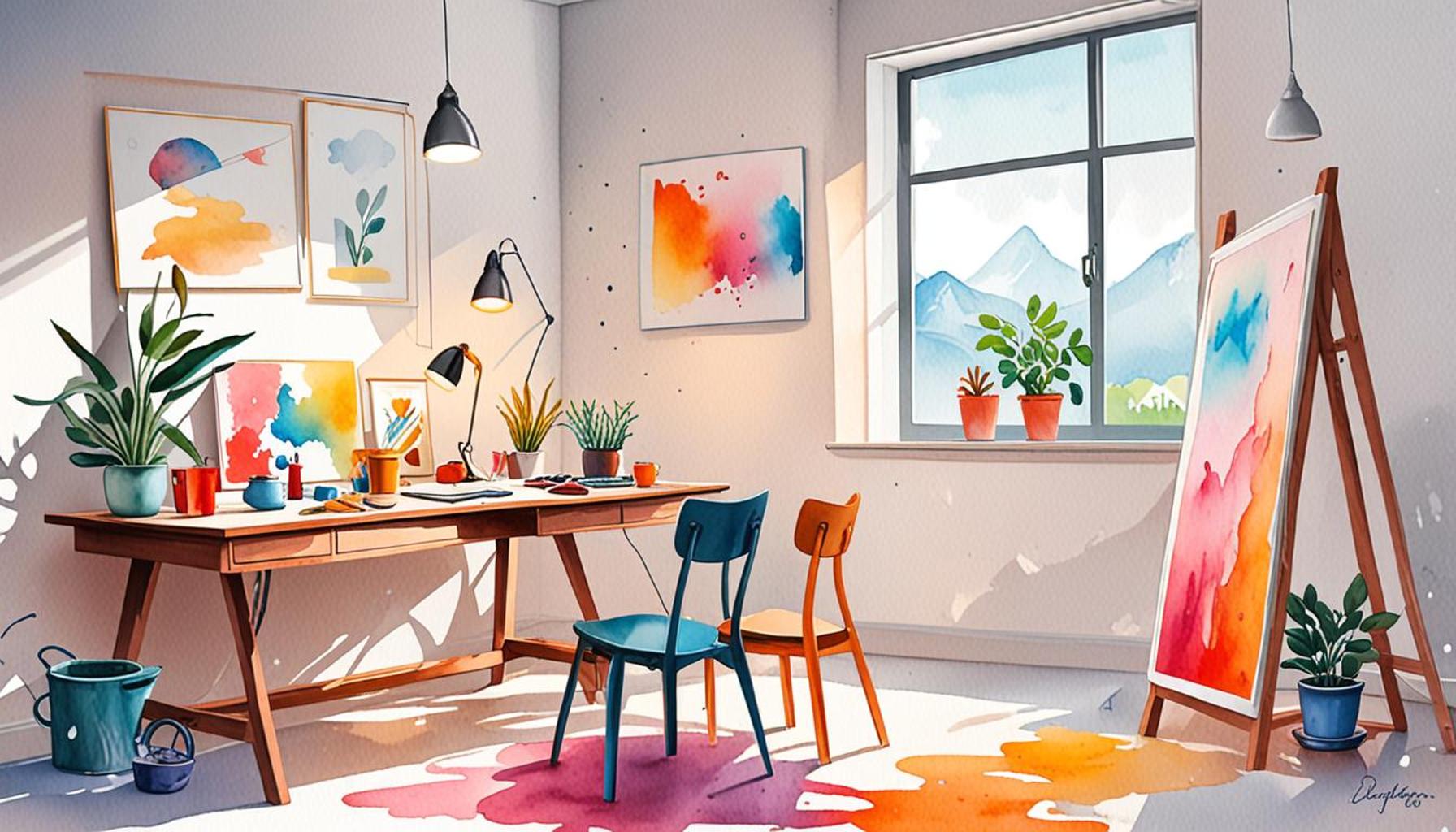
- Lighting: Natural light is often touted as a productivity booster. According to the Journal of Environmental Psychology, workplaces flooded with sunlight can lead to a 20% higher productivity rate. Consider setting up your workspace near windows or using full-spectrum bulbs that mimic natural light to elevate mood and alertness.
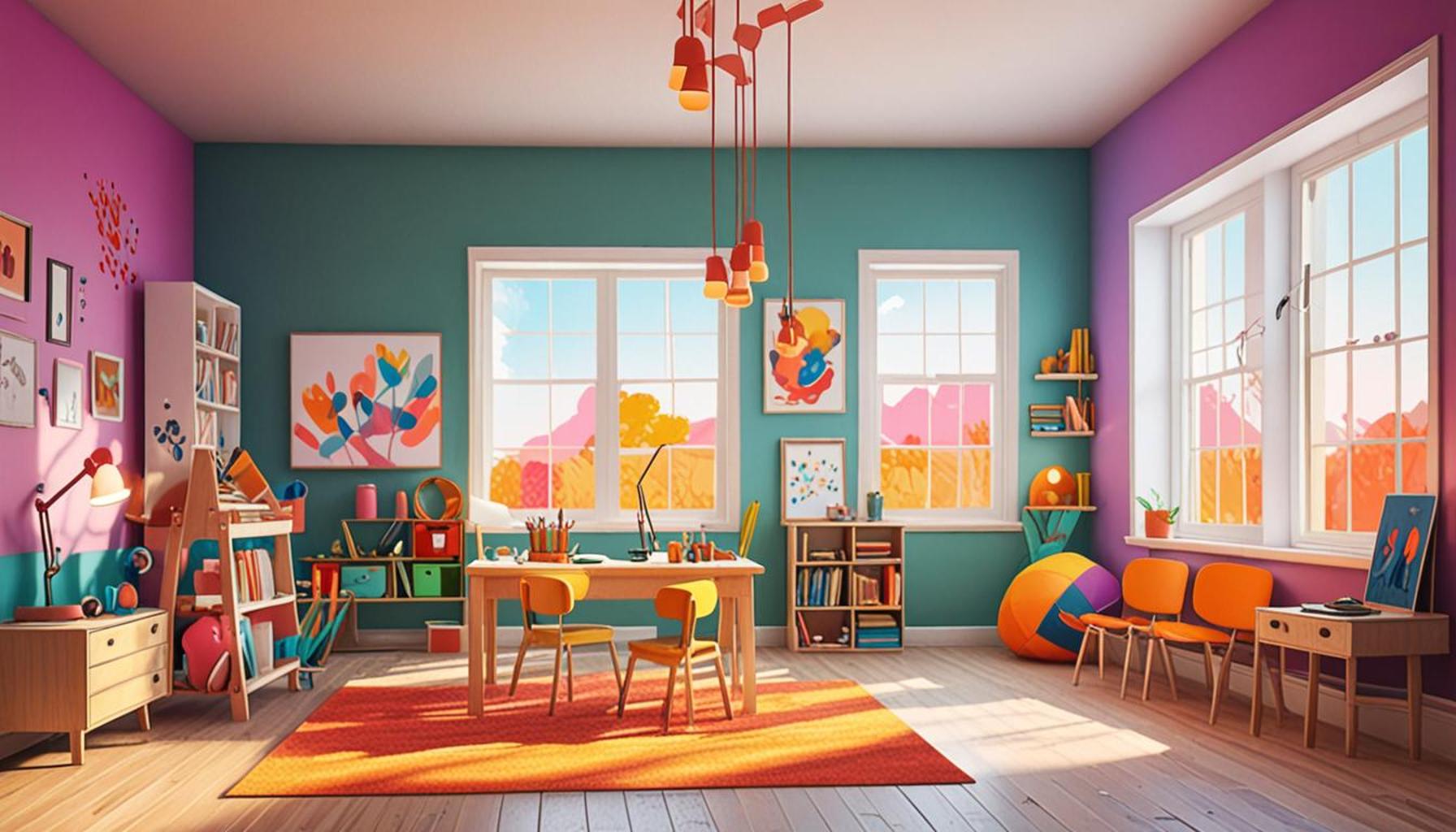
- Color: Colors are not merely decorative; they have profound psychological impacts. For example, blues and greens are found to create a sense of tranquility, while yellows can stimulate creativity. In fact, many startups have adopted vibrant color schemes in their offices to encourage innovation. Explore color psychology to select palettes that resonate with your work objectives.
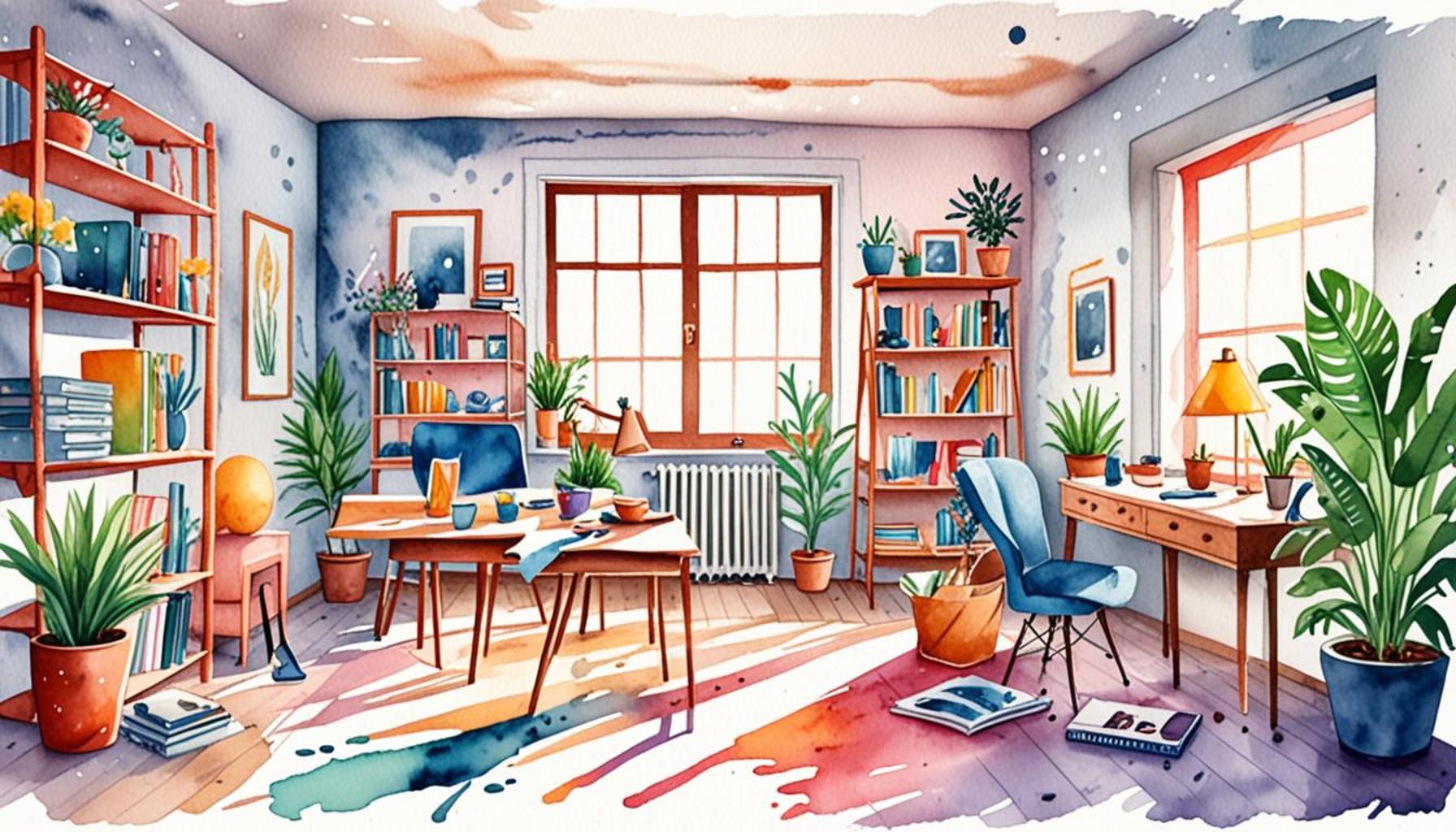
- Decluttering: The principle of “less is more” holds particularly true in workspaces. A survey from ClosetMaid reveals that 90% of people feel more productive in organized spaces. By eliminating clutter, you create mental clarity and reduce the cognitive load associated with disorganization. Use storage solutions—like shelves, boxes, and desk organizers—to streamline your environment.
Intentional curation of your workspace can generate a ripple effect, enhancing not just your productivity but also your overall mental health. Implementing elements that resonate positively with you can foster a sense of ownership and comfort. For example, incorporating plants into your space can not only improve air quality but also enhance creativity and reduce stress levels, with research showing that greenery boosts positive feelings in workspace settings.
As we navigate a landscape filled with distractions, the transformative power of a well-organized and carefully designed environment cannot be overstated. By taking small, deliberate steps to create intentional spaces, you not only pave the way for better focus but also cultivate an atmosphere that prioritizes well-being and creativity. Consider experimenting with these principles—what works well for one individual may not for another. Your own exploration is a valuable journey toward discovering the optimal environment for your productivity and mental acuity.
DISCOVER: Click here for tips on transforming your workspace

The Importance of Personal Touch in Intentional Spaces
When diving into the realm of intentional spaces, one must acknowledge the critical role of personalization in optimizing productivity and mental clarity. Our surroundings not only influence our focus but also reflect our individuality and work style. By infusing elements that resonate with your personal values and preferences, you can create an environment that motivates and inspires.
Consider the concept of personal meaning. Items that hold sentimental value or represent achievements can serve as powerful motivators. Displaying awards, photos, or mementos can evoke positive emotions, reinforcing a productive mindset. A study by the University of Southern California found that integrating personal artifacts into workspaces can significantly increase emotional engagement and satisfaction among workers.
- Functional Decor: Aim to blend aesthetics with utility. Items like an elegant desk organizer or a stylish yet functional chair can enhance both the look and efficiency of your space.
- Biophilic Design: Integrate natural elements—consider bright, indoor plants or water features. Research indicates that biophilic designs can improve mood and cognitive function by connecting individuals with nature.
- Sound Management: Noise can either hinder or enhance productivity. Consider using soundproofing materials, noise-canceling headphones, or even ambient sound machines to create a sound environment that promotes focus.
Moreover, the organization extends beyond the physical items in your workspace. The flow and arrangement of these elements matter greatly. Implementing effective zoning in your workspace by separating distinct areas for tasks—such as a zone for brainstorming, a zone for deep focus, and a relaxing nook for breaks—can optimize your productivity. Research from the Harvard Business Review suggests that well-defined zones can enhance workflow and reduce the time spent shifting between tasks.
In addition, consider decluttering your digital space as much as your physical one. A disorganized computer, overflowing email inbox, or chaotic digital files can evoke the same discomfort as an untidy desk. Tools like digital organization apps, file management systems, and email folders can significantly reduce mental clutter, providing a clear path for your thoughts and creativity.
As you embark on the journey of creating intentional spaces, remember that this process is both personal and dynamic. It’s essential to iterate and adjust as you identify what specific elements promote your best work. The interplay between organization and personalization creates a unique space tailored to enhance your productivity and mental clarity. Exploring this balance can lead to profound benefits, ultimately transforming your workspace into a sanctuary for creativity and effectiveness.
Maximizing Your Workspace for Enhanced Focus
Creating intentional spaces can significantly boost your productivity and mental clarity. By carefully selecting and organizing your work environment, you set the stage for greater focus and efficiency. The key lies in minimizing distractions and fostering an atmosphere that encourages deep work.
Choosing the Right Colors and Materials
Color psychology plays a crucial role in how we feel and perform in our environments. For example, blues and greens promote tranquility and concentration, while yellows inspire creativity. Consider incorporating desk accessories or wall colors aligned with your personal preferences to foster a productive atmosphere. Additionally, the selection of materials should align with your work style; natural elements can enhance well-being, while sleek, modern designs can promote a sense of professionalism.
Smart Layout for Optimal Flow
A well-planned layout is vital in a productive workspace. Ensure that essential tools are within arm’s reach, minimizing unnecessary movement and interruptions. Utilize different zones for varied tasks to create a mental division between activities, allowing your brain to switch modes effectively. For instance, have a designated space for brainstorming and another for focused work.
The Power of Decluttering
Embrace the principle of ‘less is more.’ A decluttered space not only looks more appealing but also clears the mind. Start by removing clutter that adds no value to your workspace, keeping only items that inspire and motivate you. Regularly revisiting your organizational strategy will help maintain a clean environment that continues to support your goals.
| Category | Benefits |
|---|---|
| Color Psychology | Enhances mood and boosts focus based on color choices. |
| Strategic Layout | Facilitates a smooth workflow and minimizes distractions. |
| Decluttering | Promotes a clear mind and a more aesthetically appealing workspace. |
By implementing these strategies, you can craft environments that not only support your work but also contribute to your overall well-being. Keep exploring the various aspects that make a workspace intentionally designed for productivity and clarity.
DISCOVER MORE: Click here for practical tips
Creating Functional and Inviting Aesthetics
When working on organizing intentional spaces, the aesthetics of your environment plays an equally pivotal role as its functionality. The visual elements of your workspace can significantly impact mood and motivation, making it crucial to curate a space that is both appealing and conducive to productivity.
One effective approach is to utilize the principles of color psychology. Different colors evoke varying emotional responses; for instance, blue hues are often associated with calm and focus, while brighter colors like yellow can energize creativity. According to research published in the journal “Color Research and Application,” the right color palette can enhance performance and efficiency in work-related tasks. Consider painting a feature wall, using colorful stationery, or incorporating artwork that resonates with your professional goals. Adaptation of color schemes based on your work style and personality can dramatically transform your workspace.
- Lighting Strategies: Natural light is a powerful enhancer of productivity and mental clarity. Position your desk near windows whenever possible to benefit from sunlight, which can improve mood and energy levels. If natural light isn’t an option, consider investing in full-spectrum lamps that mimic daylight to reduce eye strain and combat fatigue.
- Incorporating Texture: Integrating a variety of textures—like plush fabrics, wooden surfaces, or sleek metals—can add a tactile dimension to your space. A well-placed soft rug or textured wall hanging can make the area feel warmer and more inviting, encouraging you to spend more time in it.
Another crucial component is the concept of flexibility. Work tasks can vary drastically from day to day, so your workspace should adapt to these changing needs. Consider adopting multi-functional furniture, such as a height-adjustable desk that allows for both sitting and standing while working. This flexibility not only caters to physical well-being but also supports varying focus levels and moods throughout the day, helping you stay engaged regardless of the task at hand.
Furthermore, technology should seamlessly integrate into your intentional space to enhance productivity rather than hinder it. Evaluate your electronic setup—does it encourage connectivity, or does it create clutter? Utilizing cord management solutions and investing in wireless charging stations can help keep your workspace tidy and efficient. A well-organized tech setup allows for smoother transitions between tasks and reduces frustration, leading to improved mental clarity.
Don’t overlook the power of aromatherapy to elevate your workspace atmosphere. Essential oils such as peppermint can help boost alertness and concentration, while lavender is known for its calming properties. Diffusing scents that align with your work goals or even using scented candles can create an ambiance that supports mental sharpness and focus. A study from the University of Minnesota suggested that pleasant scents can enhance cognitive performance, making it a simple yet effective enhancement to your intentional space.
As you navigate the intricacies of crafting an intentional workspace, it is vital to tailor these suggestions to your unique preferences and work habits. The objective is to create an environment that aligns with your workflow while also inviting creativity and clarity. By thoughtfully combining elements of aesthetics, functionality, and sensory stimulation, you’ll be well on your way to maximizing productivity and achieving a higher level of mental clarity in your daily tasks.
DISCOVER MORE: Click here to learn about intentional spaces
Final Thoughts on Organizing Intentional Spaces
As we have explored, creating intentional spaces is not merely about arranging furniture or decluttering; it’s an intricate balance of aesthetics, functionality, and personal preference. By consciously designing your environment with elements such as thoughtful color choices, flexible layouts, effective lighting, and sensory engagement, you can significantly influence both productivity and mental clarity.
Consider this: your surroundings profoundly shape your mental state. It’s essential to regularly assess your workspace—are there distractions that undermine your focus? Is the atmosphere inviting enough to spark creativity? Adopting dynamic adjustments like integrating natural light, varied textures, and even aromatherapy can revitalize your situation, making your environment not only productive but also an inspiring sanctuary.
Moreover, the technology embedded in your workspace should enhance, rather than complicate, your tasks. Embracing minimalist tech setups and effective management solutions can lead to smoother transitions and reduced cognitive strain, further bolstering your mental clarity.
Ultimately, the journey toward an organized and intentional workspace is unique and ongoing. Encourage yourself to experiment with different configurations and sensory elements, and observe how these modifications affect your mood and output. By embracing this process and prioritizing your workspace, you will unlock the potential for improved efficiency and clarity in your daily endeavors, setting the stage for both personal and professional growth.