The Importance of Intentional Spaces in Creating a Minimalist Environment
Understanding Intentional Spaces
In today’s fast-paced world, the concept of intentional spaces has gained significant attention. These thoughtfully designed areas encourage a sense of purpose, focus, and tranquility. By fostering these qualities, individuals can enhance productivity and well-being in a minimalist environment. As our lives become increasingly cluttered with information and distractions, creating intentional spaces can become a game-changer in the pursuit of a balanced lifestyle.
The Role of Minimalism
Minimalism isn’t just about decluttering; it’s about creating deliberate spaces that serve specific needs. Key features of a minimalist environment often include:
- Simplicity: Fewer items, clearer paths. A minimalist design emphasizes open areas, using light and neutral colors that make spaces feel larger and more inviting.
- Functionality: Each element serves a distinct purpose. This approach prioritizes quality over quantity, ensuring that every piece, from furniture to decorations, has a role in enhancing daily activities.
- Calmness: Aesthetic appeal that promotes relaxation. With the right use of materials, lighting, and textures, intentional spaces can foster an environment of peace and tranquility.
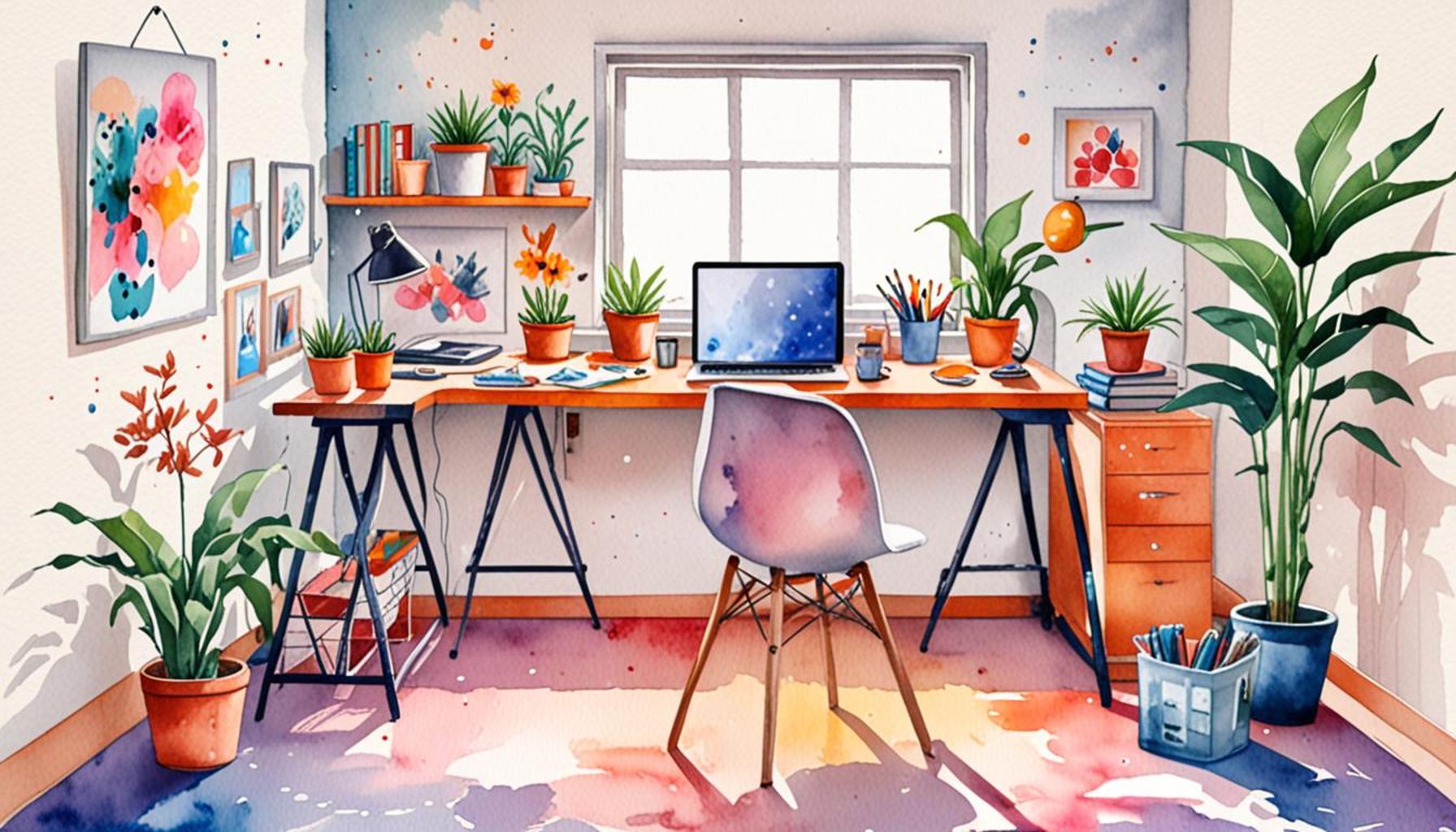
Intentional spaces can be both physical and mental, allowing individuals to escape the chaos of modern life. For example, a serene corner for meditation can be enhanced by soft pillows, calming scents, and ambient lighting, transforming it into a personal sanctuary for introspection. Alternatively, a streamlined workspace, equipped with only essential tools and devoid of unnecessary distractions, can greatly enhance productivity. The impact of establishing such spaces can indeed be transformative, leading to improved focus and overall well-being.
Creating Your Intentional Space
To truly benefit from minimalism, consider the following guiding questions:
- What activities or feelings do you want to nurture? Reflect on the elements in your environment; they should support joy, calm, or creativity as needed.
- How can your environment reflect those intentions? For instance, incorporating plants can promote a sense of vitality and connection to nature, while art can inspire and uplift your spirit.
- Are your spaces supporting your goals or opposing them? Analyze your current environment; is your bedroom too cluttered to foster rest? Or is your workspace devoid of inspiration?
These questions encourage reflection on how our surroundings shape our experiences. The process of exploring the importance of intentional spaces invites individuals to rethink their environment for a more balanced, minimalist lifestyle. By consciously curating our spaces, we not only improve productivity but also cultivate a deeper sense of contentment and clarity amidst the complexities of modern existence.
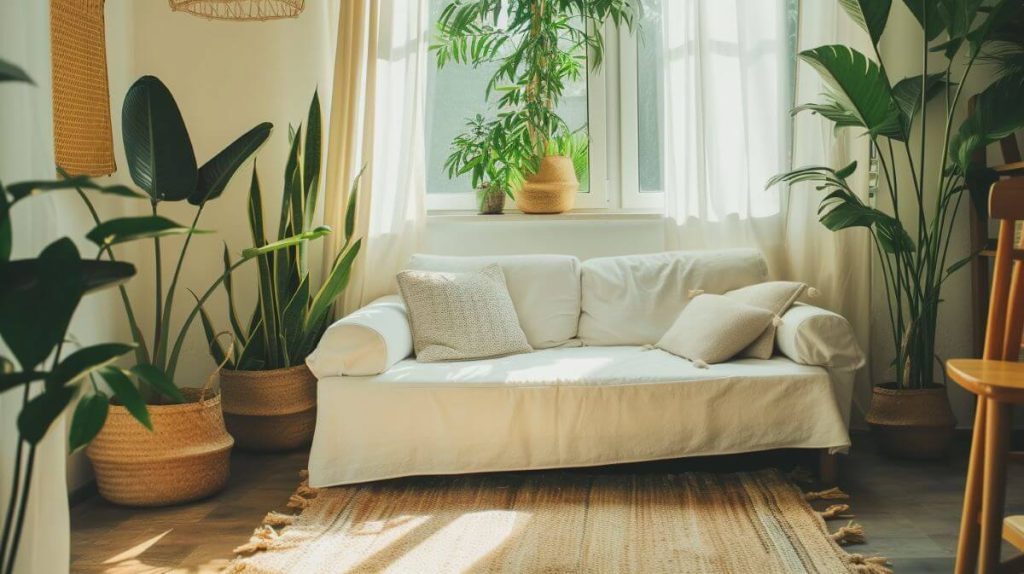
In conclusion, the practice of creating intentional spaces is not just a design trend; it is a lifestyle approach that many are adopting as a means to achieve greater peace, purpose, and efficiency. As individuals learn to strip away the unnecessary, they can uncover what truly matters—essentially leading to a more mindful and fulfilling way of living.
DISCOVER MORE: Click here to learn how to transform your workspace
The Transformative Power of Intentional Spaces
Building intentional spaces is not merely about aesthetic choices; it is about understanding the profound impact that our environment can have on our daily lives. In the framework of a minimalist lifestyle, intentional spaces serve as powerful tools that foster an atmosphere of clarity, creativity, and calm. By narrowing down our physical and mental environments to what truly matters, we can reclaim our focus in a world filled with distractions.
Analyzing Your Environment
To create truly intentional spaces, the first step is to actively analyze and address the environment around you. This includes both physical spaces, such as your home or workspace, and mental spaces, as in your mindset and emotional state. Ask yourself how each area of your life contributes to your overall well-being. Consider these factors:
- Clarity: Does your space provide a clear pathway for movement and thought? A disorganized environment often leads to a cluttered mind. By establishing clear and designated areas for work, relaxation, and creativity, you can promote mental clarity.
- Comfort: Is your space conducive to comfort? Elements like seating, lighting, and temperature all need to align to create an inviting atmosphere. Thoughtfully chosen furniture and accessories can lead to enhanced contentment and functionality.
- Connection: Do your spaces foster a sense of connection? Whether with nature through plants and natural light or with yourself through items that evoke joy or inspiration, this connection can significantly impact your emotional well-being.
As you evaluate these aspects of your environment, consider how you can adapt and reshape your spaces to align better with your life goals. For instance, if you find yourself distracted by clutter in your home office, implementing a minimalist approach by keeping only essential tools can drastically mitigate distractions and improve your productivity.
Mindfulness in Design Choices
Intentional spaces are deeply tied to the choices we make in design, which should reflect our values and aspirations. In a minimalist environment, every decor item or piece of furniture should serve a function, while also promoting a sense of peace. This combination generates an atmosphere that encourages introspection and concentration. For example, using a neutral color palette can create an airy and serene feeling, while natural materials like wood or stone can bring a sense of warmth.
Furthermore, mindfulness must extend beyond mere aesthetics. Incorporating elements such as plants or art that resonate with you on a personal level can reinforce a sense of presence and purpose within your space. Understanding that the essence of intentional spaces lies not only in their visual appeal but also in their reflective quality can enhance your experience as you navigate through daily challenges.
Ultimately, the journey toward a minimalist environment shaped by intentional spaces is an ongoing process of discovery. Each change made in our surroundings should resonate with our inner selves, guiding us toward a more balanced existence. As more individuals shift towards minimalist lifestyles, the significance of these intentional spaces becomes increasingly clear, revealing a path to greater peace, productivity, and joy.
The Role of Intentional Spaces in a Minimalist Lifestyle
Creating intentional spaces is a cornerstone in establishing a minimalist environment. These spaces are thoughtfully curated to serve specific purposes, thus eliminating clutter and enhancing functionality in daily life. By prioritizing what is essential, individuals can enjoy a harmonious atmosphere that promotes productivity and peace.
Decluttering and Purposefulness
One of the core principles of minimalism is decluttering. Intentional spaces encourage individuals to evaluate their possessions and remove items that do not add value to their lives. This process not only makes physical spaces more organized but also clears mental space, allowing for better focus and clarity. For instance, a minimalist workspace that includes only tools necessary for tasks can lead to heightened concentration and efficiency.
Emotional Well-Being
Moreover, intentional spaces can significantly affect our emotional well-being. Environments that are clutter-free and meticulously arranged can reduce stress and foster a sense of calm. For example, creating a cozy reading nook with minimal distractions can enhance relaxation and mindfulness. Additionally, the psychological impact of a tidy, intentional space can help cultivate self-discipline and motivate individuals to maintain their environment.
Health Benefits
The influence of intentional spaces extends to physical health as well. Spacious, organized areas facilitate better airflow and natural light, crucial elements in promoting wellness. Dirty and cluttered spaces can harbor allergens and contribute to health issues. In contrast, maintaining intentional spaces encourages regular cleaning and maintenance, leading to a healthier living environment.
Designing Intentional Spaces
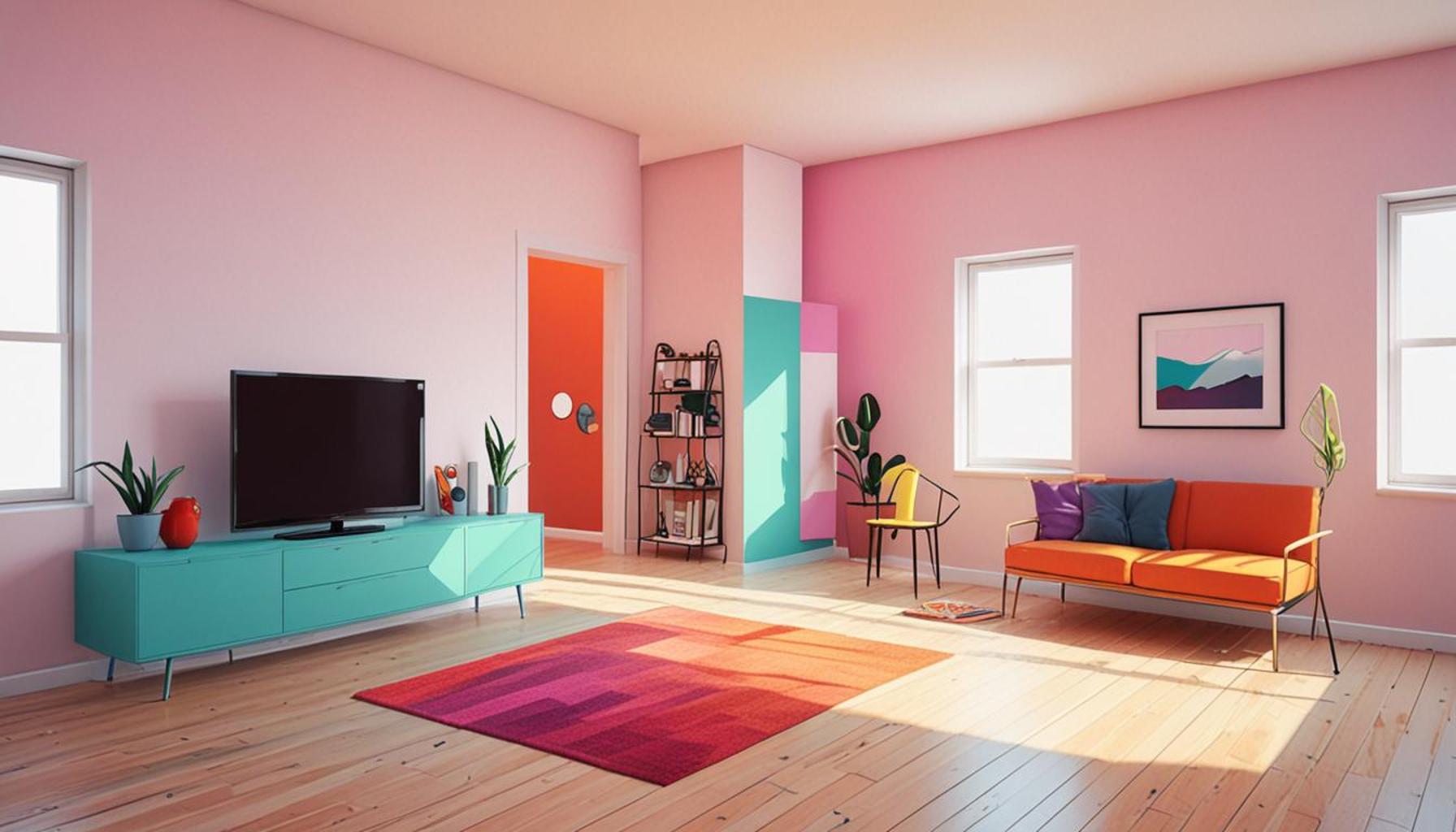
When designing intentional spaces, consider the aesthetic elements that align with your values and needs. Use a limited color palette, select multifunctional furniture, and incorporate natural elements to enhance tranquility. For example, using potted plants can improve air quality while adding life to a room without overwhelming it.
In summary, the creation of intentional spaces is fundamental in establishing a minimalist environment. It not only promotes a curated lifestyle filled with purpose but also enhances overall quality of life. Explore how you can implement these principles in your own spaces to experience the transformative effects of minimalism.
| Category | Impact |
|---|---|
| Productivity | Less clutter enhances focus and work output. |
| Emotional Health | Calm and organized spaces reduce stress and anxiety. |
EXPLORE MORE: Click here to discover how minimalism can enhance your daily life</p
The Role of Functionality in Intentional Spaces
Building intentional spaces requires a keen focus on the functionality of each element within your environment. A minimalistic approach emphasizes the importance of using only what is necessary, thus enhancing both the aesthetic and practical aspects of design. This idea resonates deeply within the principles of minimalism, where every item must either serve a purpose or evoke joy. With a highly functional space, individuals can navigate their daily routines more efficiently and with less stress.
Streamlining Daily Activities
The integration of functionality within intentional spaces streamlines daily activities, making your environment more conducive to focus and productivity. For example, in a well-organized kitchen, every tool should be easily accessible, thoughtfully stored, and aligned with your cooking habits. This not only simplifies meal preparation but also turns the space into a joyful environment for culinary creativity. In contrast, a cluttered kitchen filled with unnecessary gadgets can frustrate even the most enthusiastic cook.
Similarly, in workspaces, the arrangement of tools and resources can drastically affect productivity. Incorporating elements like adjustable desks and ergonomic chairs can enhance comfort, while reducing physical strain and increase focus. Research has shown that environments that prioritize functionality can lead to an impressive boost in employee satisfaction and performance. According to a study by the University of California, Berkeley, workers in optimized workspaces reported a 20% increase in productivity compared to those in traditional office setups.
Adaptation to Changing Needs
Intentional spaces should also be adaptable, allowing room for change as your needs evolve. Flexibility is a core element of a minimalist environment. For instance, a living room that can easily transform from a gathering space to a yoga studio can accommodate various lifestyles and activities. By incorporating multi-functional furniture or design elements, you can maintain a minimalist aesthetic while ensuring that your space adapts to your daily demands.
Consider implementing storage solutions that are sleek yet effective. Items like under-bed organizers or hidden cabinets can help keep your space clutter-free while preserving the essential amenities required for comfort and function. Making minimalism dynamic in this way ensures that your ongoing journey towards simplicity can accommodate not only your current lifestyle but also future changes.
The Emotional Impact of Intentional Spaces
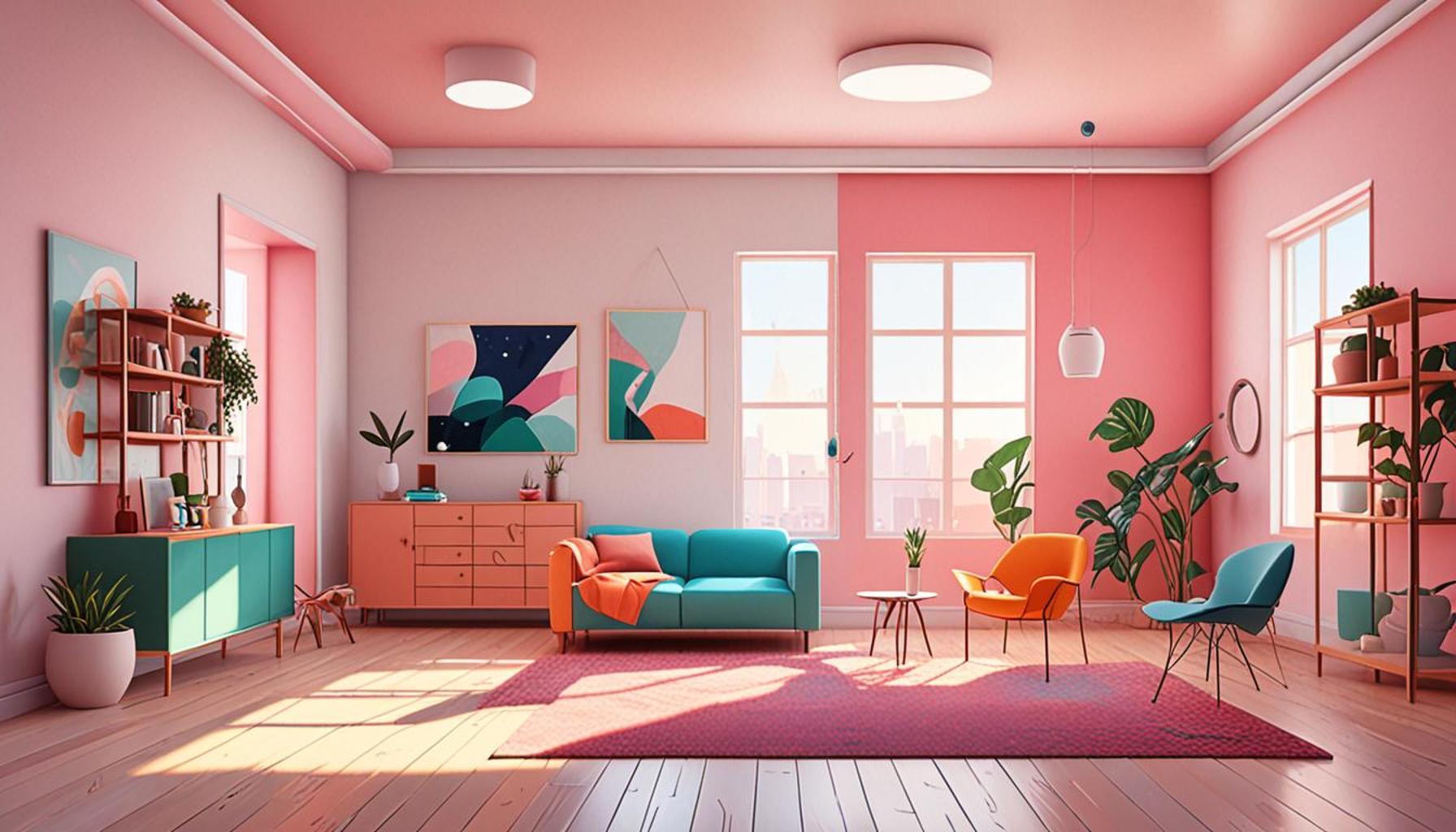
Moreover, the emotional and psychological impacts of intentional spaces cannot be overlooked. Spaces designed with intention resonate with non-physical qualities, allowing individuals to foster a sense of peace and stability amidst life’s chaos. Incorporating calming elements, such as natural light, vibrant plants, or inspiring artwork, can significantly elevate the mood and energy of a space.
Studies indicate that exposure to natural environments can reduce stress and boost happiness. The presence of greenery, even in a compact urban apartment, can evoke feelings of tranquility and contentment. Such emotional responsiveness to your surroundings emphasizes why careful consideration of intentional spaces is paramount in creating a minimalist environment that not only looks harmonious but feels rejuvenating.
Ultimately, recognizing the intricate relationship between functionality, adaptability, and emotional resonance in creating intentional spaces paves the way to achieving a truly minimalist lifestyle. The important interplay of these elements promotes a holistic approach to well-being, which results in an enriched experience as you journey towards simplicity.
DISCOVER MORE: Click here to learn about mindful consumption
Conclusion: Embracing Intentional Spaces for a Harmonious Minimalist Environment
In a world filled with distractions and overwhelming choices, the concept of intentional spaces serves as a beacon of clarity in the pursuit of a minimalist lifestyle. By prioritizing functionality, adaptability, and emotional wellbeing within our environments, we not only enhance our daily routines but also cultivate a greater sense of peace and fulfillment. A thoughtfully designed space, free from unnecessary clutter and filled with only meaningful items, can significantly impact our mindset and productivity.
The integration of functional elements—whether it’s a well-organized kitchen that inspires culinary creativity or a flexible home office that boosts productivity—demonstrates the power of intentional design. Additionally, accommodating the evolving needs of our lives through adaptable spaces solidifies the idea that minimalism is not a rigid philosophy but a dynamic lifestyle that evolves with us. Beyond practical benefits, intentional spaces also provide emotional refuge, helping to mitigate stress and enhance overall happiness.
As you embark on your journey towards creating a minimalist environment, consider the influence of intentional spaces on your life. A harmonious balance between aesthetics and functionality can lead to a richer, more satisfying experience. Explore new ways to curate your surroundings, allowing each area to reflect your true essence. In doing so, not only will you find a clearer path to simplicity, but you’ll also uncover the profound joy that comes from living with intention and purpose. Let your environment be a sanctuary that nurtures your aspirations, fuels your passions, and ultimately, supports your journey towards a more fulfilling life.