Intentional Spaces and Emotional Well-Being: The Role of Minimalism in Creating Personal Sanctuaries
Creating Calm in a Chaotic World
In today’s fast-paced society, finding moments of peace can seem elusive. With constant distractions and overwhelming stimuli, the need for intentional spaces has never been more critical. Increasingly, individuals are turning to minimalism as a strategy to cultivate environments conducive to emotional well-being. Minimalism is not merely about reducing clutter; it’s a way to embrace simplicity and value what truly matters in life.
What is an Intentional Space?
Intentional spaces are designed with purpose and mindfulness, allowing individuals to escape the incessant noise of daily life. These spaces serve as personal sanctuaries that foster tranquility and clarity. Here are some key characteristics that define an intentional space:
- Clutter-free environments – A tidy area helps remove distractions, promoting a clear mind. For instance, a well-organized workspace can enhance focus, enabling you to tackle tasks more effectively.
- Natural elements – Incorporating plants or natural light into your environment can significantly improve mood and reduce stress. Studies have shown that greenery can uplift spirits and enhance creativity.
- Designated areas for specific activities – Creating spots for reading, meditation, or even artistic pursuits ensures that activities can be enjoyed without distractions, thus deepening the experience.
Benefits of Minimalism
Minimalism goes beyond aesthetic appeal; it actively contributes to mental health. By simplifying environments, individuals may experience several benefits, including:
- Reduced anxiety – Simplified surroundings often lead to a calmer state of mind. For example, a minimalist bedroom, free from excessive decor and clutter, can promote better sleep quality.
- Improved focus and productivity – When distractions are minimized, concentration can soar. Many professionals report that a clean desk leads to heightened efficiency and creativity.
- A deeper connection with one’s self and surroundings – A minimalist lifestyle encourages introspection and mindfulness, allowing individuals to appreciate what they have rather than distract themselves with excess.
As more people seek refuge from external chaos, the principles of minimalism provide a foundation for emotional well-being. By creating intentional spaces, individuals can reclaim their mental clarity and peace. This article will delve deeper into how these spaces can be crafted, their profound impact on mental health, and actionable tips for designing your personal sanctuary.
For instance, consider starting with a small corner of your home. Clear out unnecessary items and introduce elements that invoke joy or comfort, such as a favorite chair for reading or a serene nook for meditation. Be mindful of how each item serves a purpose; this intentionality can create a space that genuinely nurtures you. Ultimately, the journey toward creating your oasis of calm involves consistent, conscious effort, leading to a more centered and balanced life.
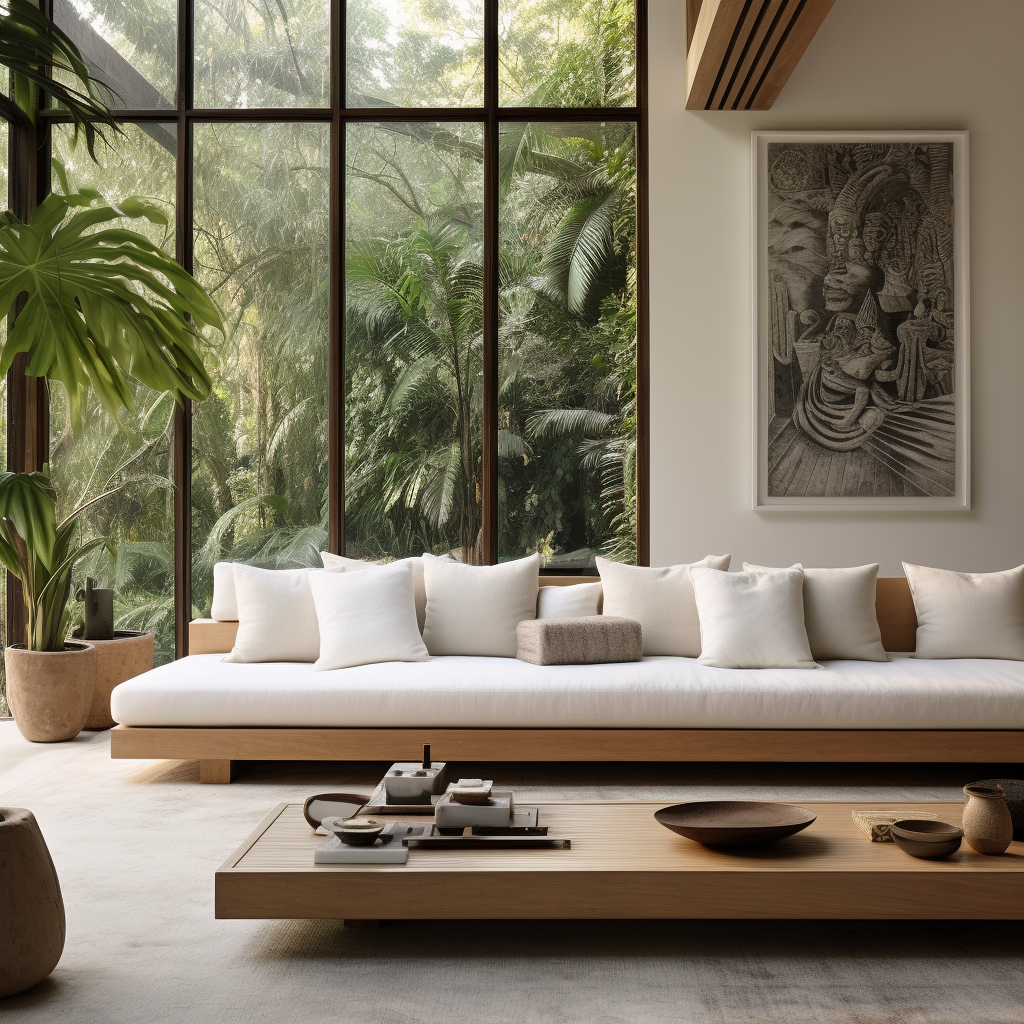
DISCOVER MORE: Click here to delve deeper
The Philosophy of Minimalism and Intentional Living
The essence of minimalism revolves around stripping life down to its fundamental elements while amplifying what brings joy and value. This approach resonates deeply within the concept of intentional spaces. By examining the philosophy behind minimalism, we can gain insights into how these principles can transform our environments and, consequently, our emotional well-being. At its core, minimalism is an invitation to evaluate our possessions, activities, and even our thoughts, urging us to discard the unnecessary while cherishing the essential.
The Connection Between Environment and Emotion
Numerous studies have illustrated the profound impact that our environments have on our emotional health. For example, a cluttered home environment often leads to increased levels of stress and anxiety. Conversely, an intentional space—grounded in minimalism—can act as a soothing balm to the mind. Consider some of the emotional benefits derived from creating these purposeful environments:
- The creation of a sanctuary: A dedicated space that reflects personal values allows individuals to decompress and escape the daily barrage of obligations and expectations. This could be as simple as a cozy reading nook or a serene meditation area.
- Encouragement of mindfulness: When spaces are thoughtfully curated, they serve as a reminder to live in the moment. Intentional spaces can stimulate mindfulness practices, reminding occupants to focus on their breathing, surroundings, and the present.
- Enhanced emotional clarity: The act of engaging with a simplified environment can help declutter the mind, allowing for better emotional regulation. This, in turn, may enable individuals to process their feelings more effectively.
Furthermore, it’s vital to recognize the role of sensory experiences in emotional well-being within these spaces. Color schemes, textures, and scents can significantly influence mood and emotional states. For instance, soothing colors like blues and greens can evoke calmness, while the introduction of natural aromas, such as lavender or eucalyptus, can create a relaxing atmosphere. Therefore, careful selection of these elements should be seen as an integral part of the minimalist strategy in crafting intentional spaces.
Practical Steps to Design Intentional Spaces
Implementing minimalism in your home doesn’t require a complete overhaul. Instead, small, manageable changes can yield significant results. Here are some practical steps to begin transforming your environment into an intentional space:
- Declutter regularly: Commit to routine decluttering sessions. Start with one room or even one area at a time to avoid overwhelm, keeping only items that serve a purpose or provoke joy.
- Incorporate meaningful decor: Choose decor items that resonate personally. Whether it’s artwork from a local artist or family photographs, invest in pieces that uplift and inspire you.
- Designate your zones: Clearly define specific areas for particular activities. This will help foster a sense of purpose and intentionality for each space.
In conclusion, understanding the interplay between minimalism and intentional spaces provides the groundwork for enhancing emotional well-being. As we explore these connections further, we will delve deeper into the specific benefits of intentional living and practical methods to establish personal sanctuaries.
| Advantages | Impact on Well-Being |
|---|---|
| Less Clutter | Promotes mental clarity and reduces stress. |
| Enhanced Focus | Fosters a space where creativity and productivity can thrive. |
| Mindful Living | Encourages intentional decision-making about belongings. |
| Personal Reflection | Creates a sanctuary for self-discovery and emotional regulation. |
The journey towards creating intentional spaces is powered by the principles of minimalism, which not only enhance our physical environments but profoundly impact emotional well-being. When we embrace minimalism, we significantly reduce the clutter in our lives, allowing for greater mental clarity. A less chaotic space minimizes distractions, helping individuals focus better on tasks and fostering creativity.Additionally, cultivating these environments encourages us to engage in mindful living. It urges us to make intentional decisions regarding the items we bring into our homes, focusing on those that resonate with our values and emotional needs. This practice not only nurtures our personal spaces but also promotes a sense of control over our surroundings.Furthermore, creating personal sanctuaries fosters emotional regulation by providing a dedicated area for reflection and self-discovery. This can ultimately lead to improved emotional health and stronger connections with our inner selves and others. Through the practice of minimalism, we can transform our environments into havens that support and uplift our emotional states.
DISCOVER MORE: Click here to learn how to enhance your space for better focus
Transforming Daily Routines Through Intentional Spaces
Beyond the aesthetics of minimalism, the transformation of daily routines represents another crucial aspect of intentional living. By consciously crafting spaces that align with our values and aspirations, we cultivate environments that actively support our emotional health. This synergy between setting and routine can profoundly affect our overall sense of well-being. Here are some insightful approaches to how intentional spaces can reshape daily habits:
Establishing Rituals in Designated Areas
Intentional spaces serve as more than just background; they become active participants in our daily rituals. Rituals are essential for grounding ourselves amidst life’s chaos, and having a specific space designated for these practices promotes consistency and focus. For example, a meditation corner can enhance the experience by providing a visually pleasing and sensory-pleasing environment conducive to mindfulness. Similarly, creating a dedicated workspace devoid of distractions enables deeper concentration and productivity.
Moreover, integrating elements such as natural light and indoor greenery can significantly elevate mood and mental clarity. Research suggests that natural light stimulates serotonin production, promoting a sense of happiness. Therefore, positioning workspaces near windows or incorporating plants into the decor not only enriches the aesthetic but also fosters a positive emotional atmosphere.
The Role of Community in Personal Sanctuaries
Minimalism encourages not only introspection but also community interaction. Intentional spaces can act as communal sanctuaries for fostering connections with family and friends. Creating inviting living areas that prioritize conversation and togetherness strengthens relationships and enhances emotional well-being. For instance, designing a minimalist dining nook free of clutter can encourage meaningful family dinners and shared stories.
Additionally, communal activities such as yoga classes or mindful cooking sessions can take place in minimalistic environments that promote relaxation and camaraderie. The simplicity of the space allows participants to focus on the experience and connection rather than potential distractions from clutter or excess.
Personal Growth Through Minimalist Practices
As we delve deeper into intentional living, the act of customizing spaces not only accommodates personal preferences but also invites ongoing personal growth. Minimalism challenges individuals to continually evaluate what relationships and possessions are truly valuable. This process can lead to a heightened sense of self-awareness and emotional intelligence.
Studies suggest that individuals who engage in thoughtful decluttering have higher levels of satisfaction with their lives. When entering an intentional space, one is often reminded of their goals and motivations, prompting individual growth and reflection. For example, a bedroom designed with dreams and affirmations displayed can serve as a daily motivator to pursue personal ambitions, fostering an environment conducive to self-improvement.
The Impact of Color and Texture on Emotional States
Our sensory experiences profoundly influence our emotional responses, and the aesthetic choices within intentional spaces play a pivotal role. A minimalist approach allows individuals to explore how color palettes and textures affect emotional well-being. Some psychological studies indicate that certain colors can evoke feelings; for instance, blues and greens tend to promote tranquility, while yellows can foster joy and energy.
Incorporating textures such as soft fabrics can enhance tactile comfort, adding layers to the experience of the sanctuary. A thoughtfully curated environment, embracing sensory elements, can create a holistic atmosphere that nurtures emotional stability and personal growth.
The journey to creating intentional spaces infused with minimalism is more than a physical transformation; it is a roadmap to enhancing emotional well-being and embracing a lifestyle of purpose and clarity. As we move forward, exploring how these environments can be personalized for individual needs becomes vital in the quest for emotional sanctuary.
DISCOVER MORE: Click here to learn about the significance of intentional spaces
Conclusion: The Journey Towards Intentional Living
In a world filled with incessant noise and overwhelming distractions, the creation of intentional spaces presents a powerful avenue for enhancing our emotional well-being. By embracing the principles of minimalism, we can transform our environments into personal sanctuaries that inspire mindfulness, connection, and self-discovery. These spaces, purposefully designed to reflect our values and desires, facilitate meaningful rituals and promote emotional clarity.
Moreover, the integration of color, texture, and natural elements fosters an ambiance that nourishes mental health, while encouraging personal growth and reflection. As we reassess the significance of our possessions and relationships, we cultivate a sense of purpose that ultimately leads to greater life satisfaction.
It is essential to recognize that the journey towards intentional living is inherently individual. Each person’s sanctuary may look different, tailored to their unique needs and aspirations. Therefore, as we explore the role of minimalism in creating these spaces, we should remain open to experimentation and self-reflection. In doing so, we can unlock the potential of personal sanctuaries to uplift our emotional states and foster stronger connections with ourselves and others.
Let us challenge ourselves to embark on this journey of mindful living, crafting environments that empower us to thrive emotionally. By prioritizing our well-being through the lens of minimalism and intentionality, we can truly build a foundation for a more fulfilling and enriched life.