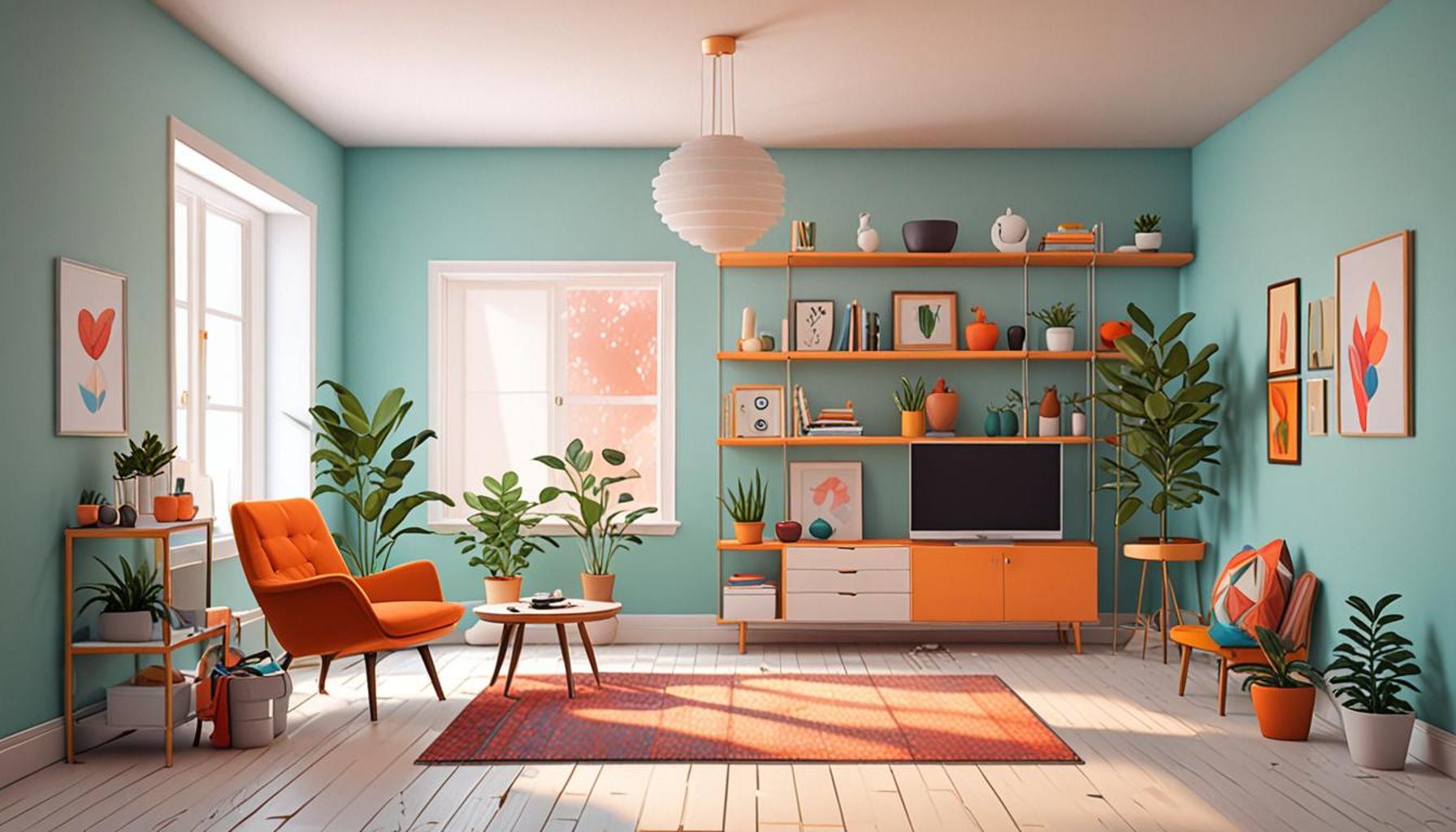
Intentional Spaces for Creativity: How Minimalism Stimulates Innovation
Redefining Creativity through Space
As our lives become increasingly cluttered with distractions, the significance of our environments in fostering creativity cannot be overstated. Spaces designed with intention are proving to be pivotal in unlocking our creative capabilities. One design philosophy that has gained traction in this context is minimalism. Not only recognized as a lifestyle choice, minimalism is emerging as a powerful catalyst for innovation.
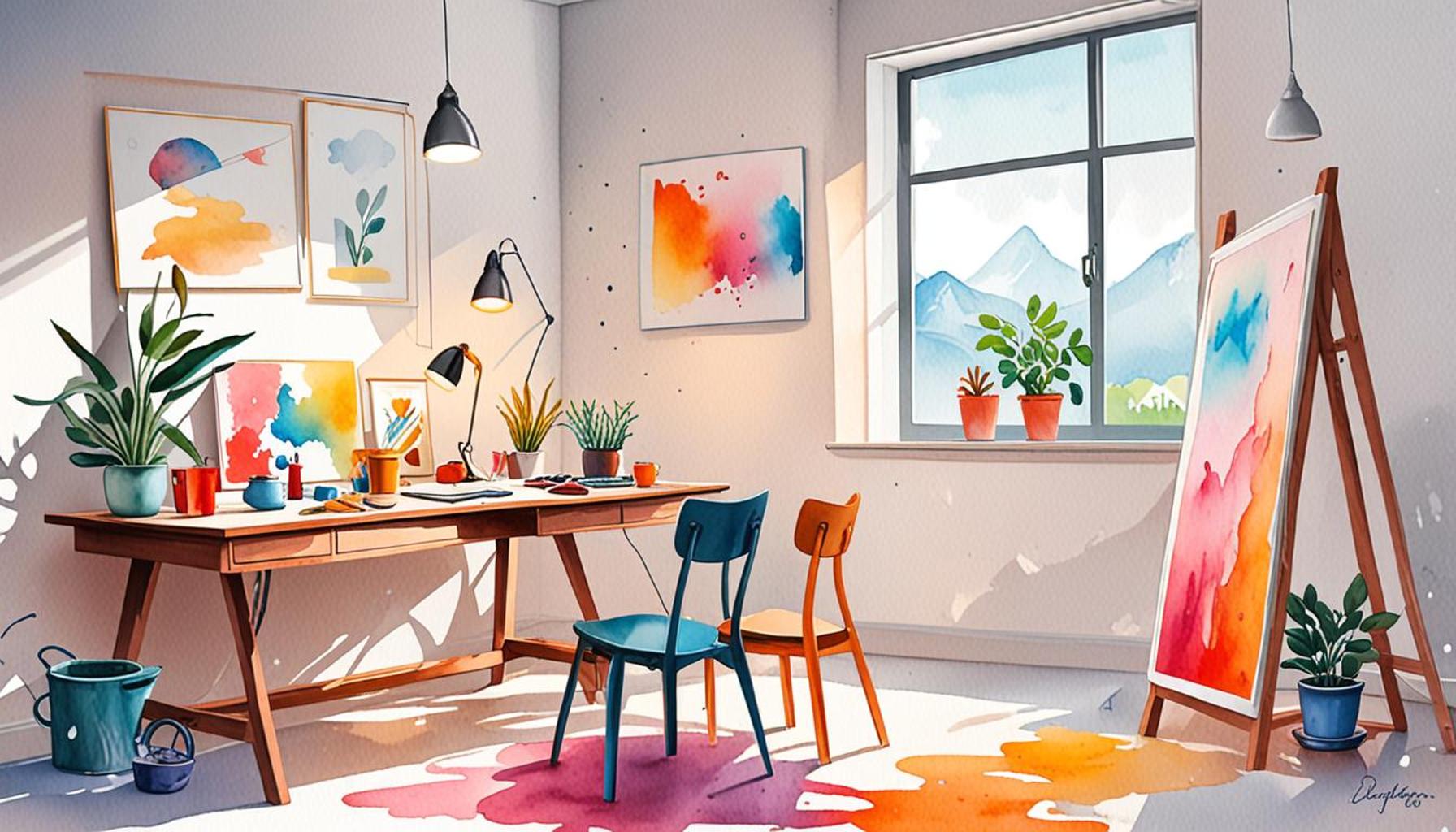
Understanding the implications of intentional spaces is crucial. For instance, when we look at the principle of clarity of focus, a decluttered environment can significantly minimize mental noise. This reduction creates a mental landscape where fresh ideas can blossom. Imagine an artist’s studio devoid of unnecessary materials; the lack of distraction allows their imagination to take flight, leading to the birth of extraordinary art.
Moreover, enhanced functionality in minimalist settings ensures that every item serves a purpose. This obsession with utility allows creative tools—be it a digital tablet for graphic design or an acoustically treated space for musicians—to shine as the focal points of innovation rather than being drowned by excess. Companies like Google have adopted this mindset in their office designs. Employees are equipped with a variety of tools that facilitate creativity, yet the spaces remain notably uncluttered, promoting a streamlined workflow.
The environmental influence of intentional spaces cannot be overlooked. A thoughtfully designed space can encourage collaboration and ignite inspiration among individuals. Think of co-working spaces such as WeWork, where flexible layouts and communal areas foster interaction and co-creation. These spaces are deliberately constructed to break down traditional barriers and spark innovative exchanges among diverse groups.
Many successful companies in the United States exemplify this design philosophy:
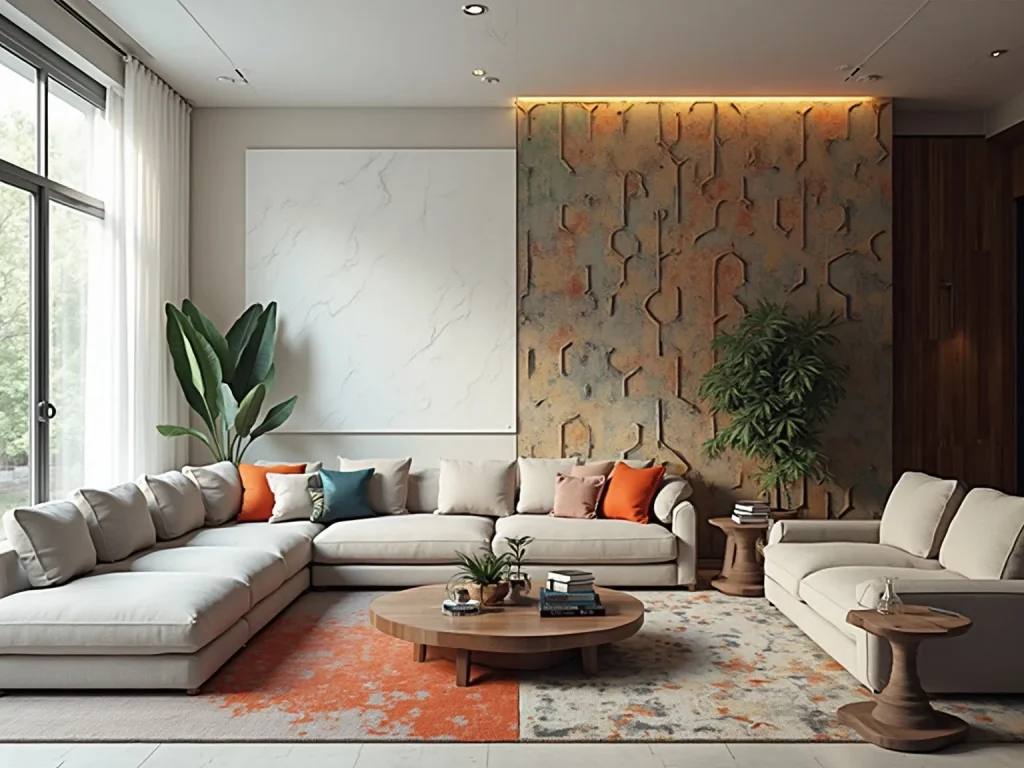
- Apple: Known for its clean, open spaces that encourage free thinking and allow for the natural flow of ideas.
- Creative agencies: Often embrace minimalism to create stimulating atmospheres that are absent of superfluous distractions, thereby enhancing creativity.
- Home studios: Many artists curate their personal environments to inspire rather than overwhelm, reflecting the minimalist movement’s principles.
Diving deeper into the relationship between space and creativity, we uncover significant insights. Reducing visual clutter does more than just tidy up; it has a profound psychological impact on our ability to think innovatively. Creatives are encouraged to explore the principles of minimalism actively, discovering ways to create their own intentional spaces tailored to their unique needs. Through this exploration, we can unveil the remarkable potential that resides within simplicity, reshaping how we approach our creative endeavors.
DISCOVER MORE: Click here to enhance your daily routine
Unlocking Potential through Intentional Design
At its core, the philosophy of minimalism invites us to think critically about our surroundings and their impact on our cognitive processes. The deliberate design of our spaces plays a vital role in shaping our creative output by minimizing distractions and maximizing focus. Studies have shown that when we strip away the superfluous, we create an environment that is not just more pleasing to the eye but also more conducive to the creative process. This transformation from chaos to clarity allows the mind to engage more deeply, paving the way for cognitive leaps and innovative thinking.
Research supports the notion that physical space is a reflection of our mental states. When individuals are in cluttered environments, whether in offices or personal spaces, their ability to concentrate diminishes, leading to increased stress and decreased productivity. In contrast, a neatly organized, minimalistic workspace facilitates the flow of ideas and invites inspiration. For instance, the principles of feng shui, which emphasize balance and harmony, resonate deeply with those seeking to create intentional spaces aimed at fostering creativity.
Minimalism advocates for the ‘less is more’ mantra, challenging creators to remove non-essential elements and retain only what speaks to their inspiration. Here are some principles to consider when crafting intentional spaces:
- Color Palette: Soft, muted colors can inspire tranquility and focus, allowing the mind to engage creatively without the distraction of overstimulating hues.
- Natural Light: Incorporating ample natural light can enhance mood and vitality, creating an energizing environment that encourages creativity.
- Functional Furniture: Choosing multi-purpose and aesthetically simple furniture can declutter the physical space while still serving essential functions, reinforcing the minimalist ethos.
- White Space: Leaving areas open and blank in design not only maintains visual simplicity but also affords the mind room to breathe and innovate.
In workplaces such as the headquarters of companies like Facebook and Amazon, employees are often met with versatile workspaces that encourage movement and flexibility. Instead of being bound to rigid desks, the use of communal tables, lounge areas, and breakout spaces promotes collaboration and innovative thinking. The philosophy behind these designs embodies the essence of minimalism, where every component is carefully selected to enhance the creative experience.
Moreover, the rise of digital nomadism—and the prevalence of remote work during recent years—has further underscored the importance of creating intentional spaces. Individuals find themselves curating home offices or co-working spaces that resonate with their personal styles and creative needs. Whether it’s a rustic corner in a cozy apartment or an airy shared workspace, these environments often reflect a commitment to minimalism that fosters inspiration and inclusivity.
As we delve deeper into the essence of intentional spaces, we can truly appreciate how minimalism acts as a powerful tool in the pursuit of innovation. By embracing simplicity, we open the doors to creativity, laying the foundation for groundbreaking ideas and extraordinary outcomes. The combination of thoughtfully designed spaces and the freedom from clutter ignites an untapped potential within us, urging us to explore, create, and innovate in ways we never thought possible.
Enhancing Focus through Minimalism
One of the primary ways minimalism stimulates creativity is by creating environments that enhance focus and reduce distractions. In today’s fast-paced world, individuals often find themselves inundated with sensory overload, from digital notifications to cluttered workspaces. Minimalism, with its emphasis on simplicity and intentional design, can effectively strip away these distractions, allowing for more profound and sustained concentration.By reducing visual and auditory chaos in workspaces, individuals are enabled to channel their mental energy towards the creative process. This focused environment fosters a space where thoughtful innovation can thrive. For example, numerous studies have shown that individuals who work in clean, organized spaces report higher levels of productivity and creativity. By curating their physical surroundings, creators can better harness their ideas and develop unique solutions.
The Impact of Intentional Design
Another vital aspect of minimalism is intentionality in design. An intentionally designed workspace not only serves functional purposes but also mirrors the user’s aspirations and values. By utilizing minimalistic principles, individuals can tailor their environments to reflect their personal creative processes. This intentionality cultivates a sense of ownership and pride in one’s space, consequently inspiring greater productivity. Moreover, the aesthetic qualities of minimalism, characterized by open spaces, clean lines, and a harmonious color palette, can evoke feelings of calmness and clarity. This serene atmosphere can help individuals stimulate creative thought, as it becomes easier to brainstorm and experiment without the fear of chaos disrupting their flow. The right minimalistic environment encourages risk-taking within creativity, as individuals feel empowered to explore ideas without the burden of clutter weighing them down.Ultimately, the correlation between intentional spaces and enhanced creativity cannot be overlooked. By embracing minimalism as a deliberate approach to workspace design, individuals can unlock a world of innovation that fuels their creative journeys.
DISCOVER MORE: Click here to dive deeper
Cultivating Connections: The Role of Community and Collaboration
While the individual benefits of minimalism in personal and professional spaces have been widely recognized, an equally crucial aspect is the promotion of community and collaboration within these intentional environments. A minimalist approach to space goes beyond aesthetics—it fosters relationships, dialogue, and creative partnerships that can significantly enhance innovation. By creating environments that offer flexibility and invitation for engagement, organizations can harness the power of collaborative creativity.
For instance, in spaces designed with minimalism in mind, the integration of communal areas and shared resources allows teams to brainstorm and collaborate effectively. The ethos of these spaces emphasizes accessibility and openness, recognizing that great ideas often stem from informal interactions. Some companies have adopted a hot-desking approach, where employees do not have assigned desks, fostering a culture that encourages networking and association across departments. This flexibility can uncover new perspectives that might otherwise remain dormant in traditional, rigid office setups.
Furthermore, the integration of quiet zones alongside collaborative areas exemplifies a balanced approach to creativity. Studies indicate that while social interaction can stimulate idea generation, solitary reflection is equally valuable for deep, focused thought. By providing intentional spaces for both collaboration and solitude, organizations can effectively cater to the diverse creative needs of their teams, promoting a holistic environment conducive to innovation.
On a more personal level, individuals seeking to enhance their creative processes can transform their home environments into centers of innovation by incorporating elements that encourage social interaction. Joining co-working spaces or forming artist collectives provides platforms for shared creativity, where the minimalist design is paired with community engagement. Popular examples include coworking hubs in cities like San Francisco and Brooklyn, where the minimalist aesthetic not only cultivates an inspiring atmosphere but also attracts individuals from varying industries, all eager to collaborate.
Moreover, the notion of digital minimalism has emerged as a powerful tool for creativity in an age overwhelmed by technology. By limiting digital distractions and curating a streamlined digital workspace, individuals can enhance their productivity and foster more profound ideation. The practice encourages individuals to invest time in meaningful exchanges rather than succumbing to the noise of constant notifications and multitasking. Apps and tools that promote focused work, such as time management techniques like the Pomodoro Technique, can complement a minimalist space and further hone one’s creative output.
It’s also important to note that the impact of intentional spaces for creativity extends beyond the office or home. Public spaces, such as libraries, parks, and art installations designed with minimalistic principles, can inspire communal creativity. They serve as gathering points for artists, thinkers, and innovators, inspiring a collective pursuit of ideas. For example, The High Line in New York City not only transforms urban space but also invites innovation through its unique integration of nature and art, fostering spontaneous encounters and collaborative opportunities.
Thus, the fusion of minimalism with community engagement creates an ecosystem where creativity can thrive. By embracing intentional spaces that support collaboration, organizations and individuals alike position themselves to unlock innovative potential. As we continue to explore how these driven designs can elevate creativity, we uncover yet another layer of minimalism’s transformative power—uniting people through ideas, interactions, and a shared vision for innovation.
DIVE DEEPER: Click here to discover the power of letting go
Fostering Innovation Through Minimalism
In summary, the intersection of minimalism and intentional creative spaces illuminates a profound path toward innovation. As we have explored, the simplicity and clarity inherent in minimalist design do more than declutter physical environments; they effectively sharpen our cognitive processes and enhance our collaborative endeavors. By creating structured yet adaptable spaces, organizations can facilitate not only individual creativity but also vibrant community interactions.
Moreover, the deliberate integration of areas for both collaboration and solitude acknowledges the multifaceted nature of creativity. This balance is crucial as it allows individuals to recharge through introspection while also benefiting from the rich exchange of ideas with others. The rise of co-working spaces, digital minimalism, and visionary public environments emphasizes that the wave of minimalism extends beyond aesthetics, representing a lifestyle shift towards focused engagement and meaningful connections.
As we consider moving forward, the challenge lies in continuously adapting these principles in various contexts. Whether in bustling urban landscapes or our personal spaces, the push for a minimalist approach to creativity not only transforms how we work but also deepens our relationships with those around us. By inviting less noise into our lives, we pave the way for clearer thinking and richer interactions. In this new era, where intentional spaces are pivotal for fostering innovation, embracing minimalism could very well be the key to unlocking our collective creative potential.