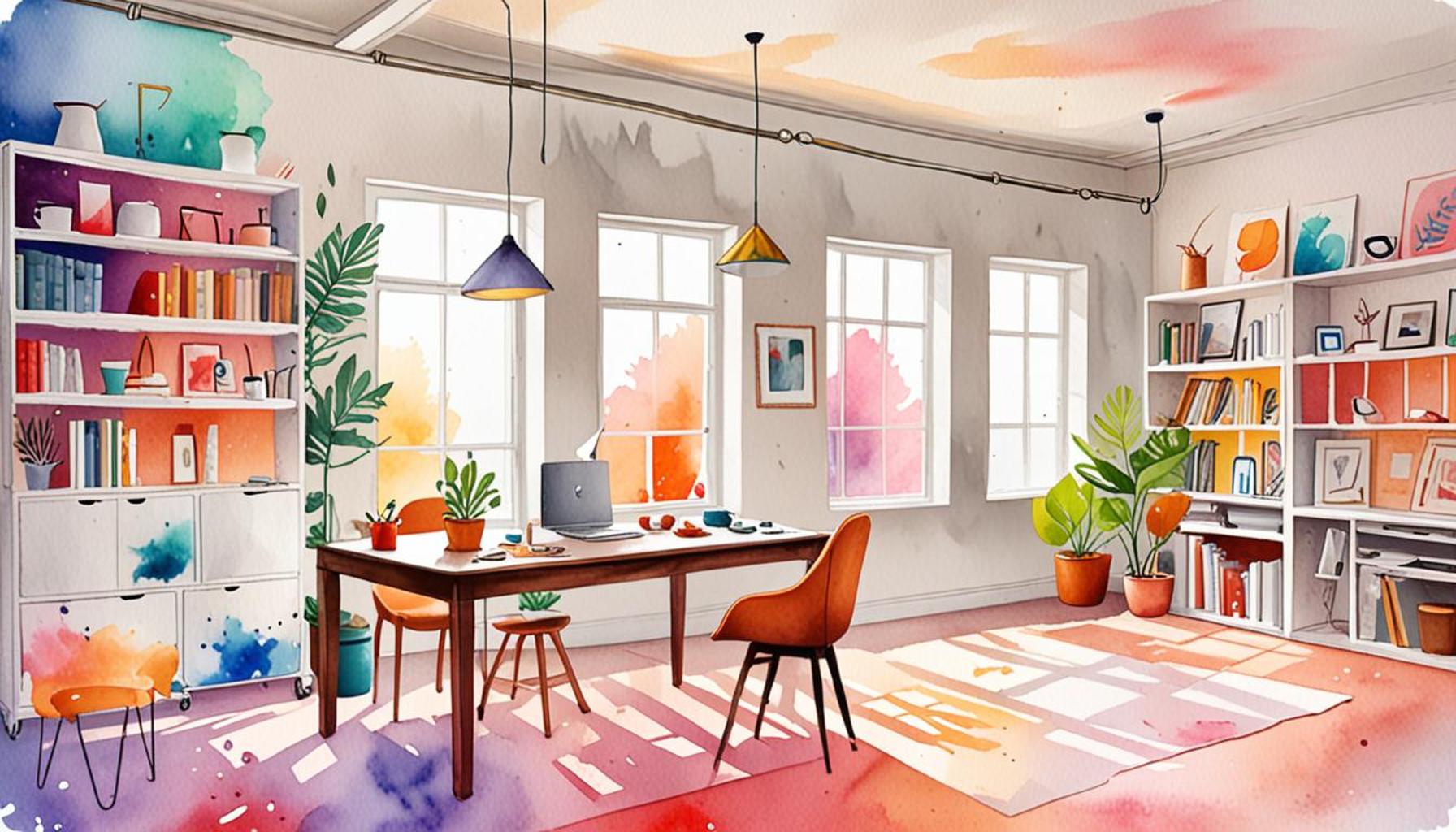
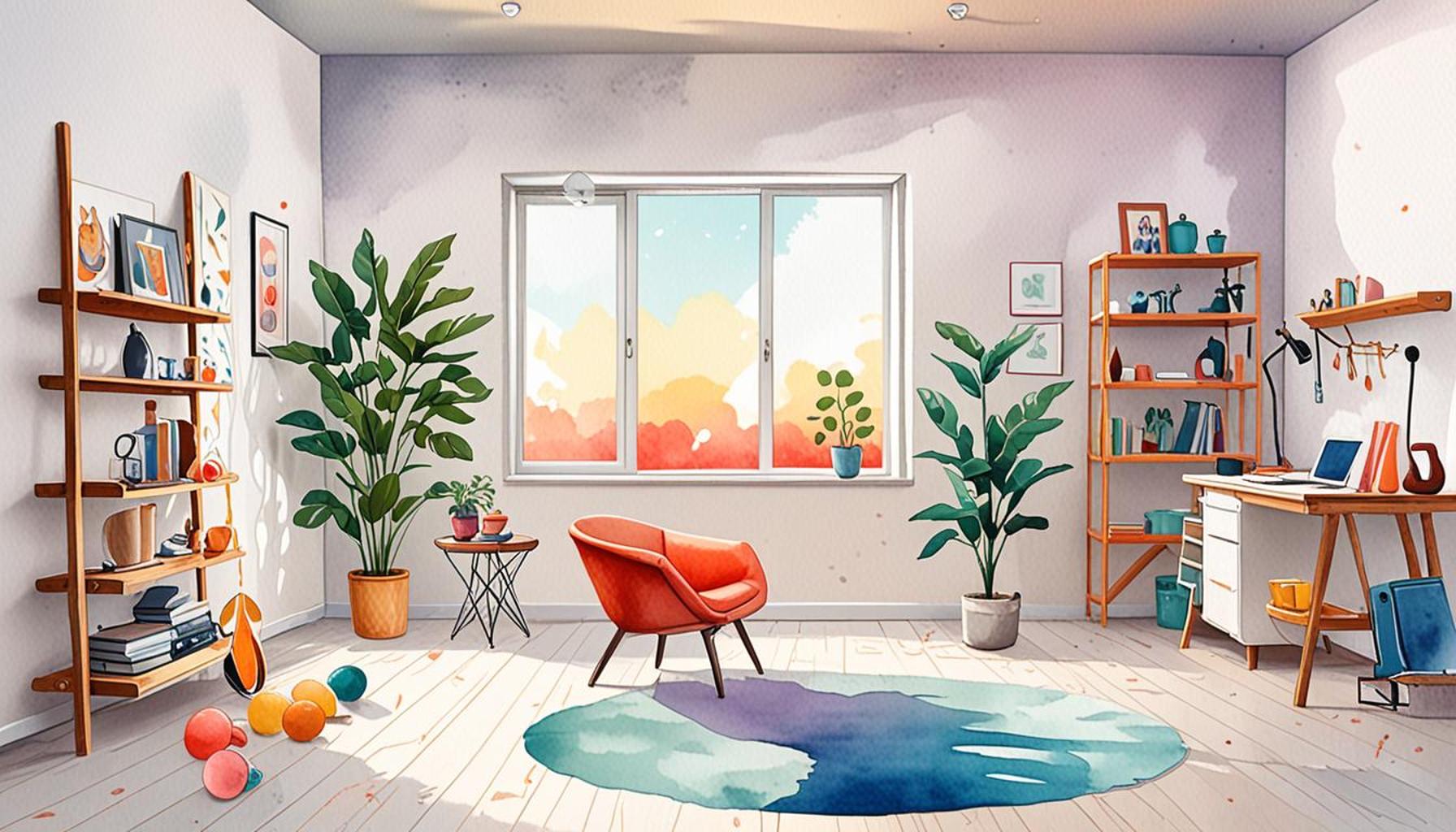
Intentional Spaces Key to Minimalism and Personal Organization Success
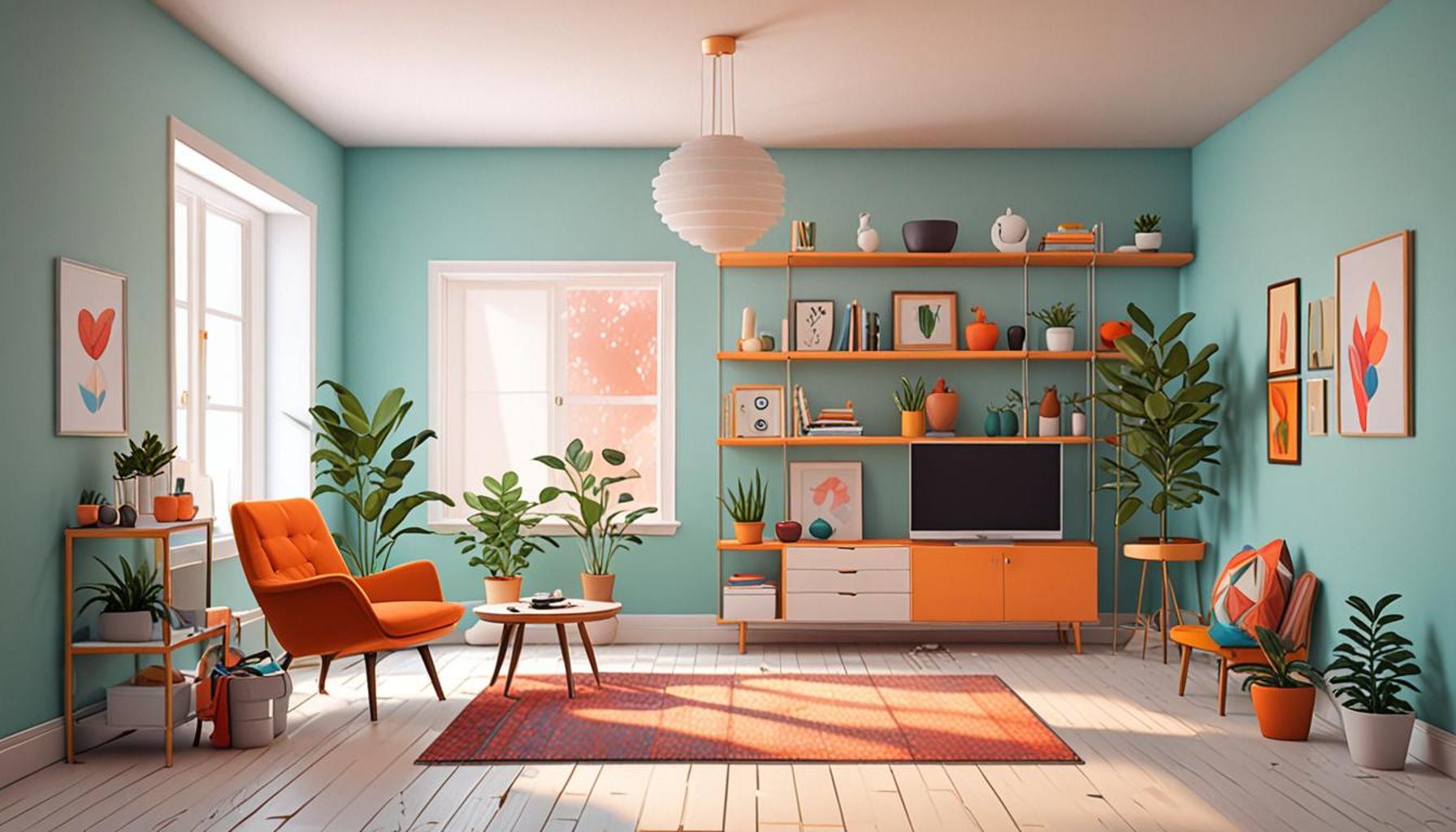
Finding the Power of Intentional Spaces
In our fast-paced world, clutter often becomes a silent enemy that disrupts our peace and productivity. The practice of minimalism offers a refreshing antidote by encouraging us to intentionally streamline our surroundings for greater clarity and focus. One key element in achieving this is understanding the concept of intentional spaces, which can profoundly impact our personal organization.
Intentional spaces are thoughtfully curated environments that promote purpose and mindfulness. They serve as catalysts for enhancing our well-being, fostering creativity, and decluttering our minds. As minimalism gains traction, recognizing the importance of these spaces can empower individuals to reclaim control over their lives.
In this article, we’ll explore the Top 5 ways intentional spaces can enhance your minimalism journey and personal organization. Prepare to discover actionable insights that will inspire you to create your own serene and efficient environment.
Top 5: The Importance of Intentional Spaces in Minimalism and Personal Organization
In a world teeming with distractions and an overwhelming abundance of material possessions, the philosophy of minimalism emerges as a beacon of simplicity and purpose. At its core is the concept of intentional spaces—environments in our homes, offices, and even in our mental landscapes that are crafted to encourage clarity, efficiency, and tranquility. This article delves into the reasons why intentional spaces are vital in practicing minimalism and maintaining personal organization. From promoting mental clarity to cultivating a sense of purpose, each point is crucial yet distinctive, and we have ranked them from least to most important.
5. Promoting Mental Clarity
In the hustle and bustle of modern life, maintaining mental clarity often feels like an elusive goal. Yet, one of the most profound benefits of creating intentional spaces is the promotion of mental clarity. A cluttered physical environment often reflects and exacerbates a cluttered mind. By intentionally designing specific spaces—be it a home office, a reading nook, or a meditation corner—individuals can minimize cognitive overload and enhance focus on their priorities and tasks.
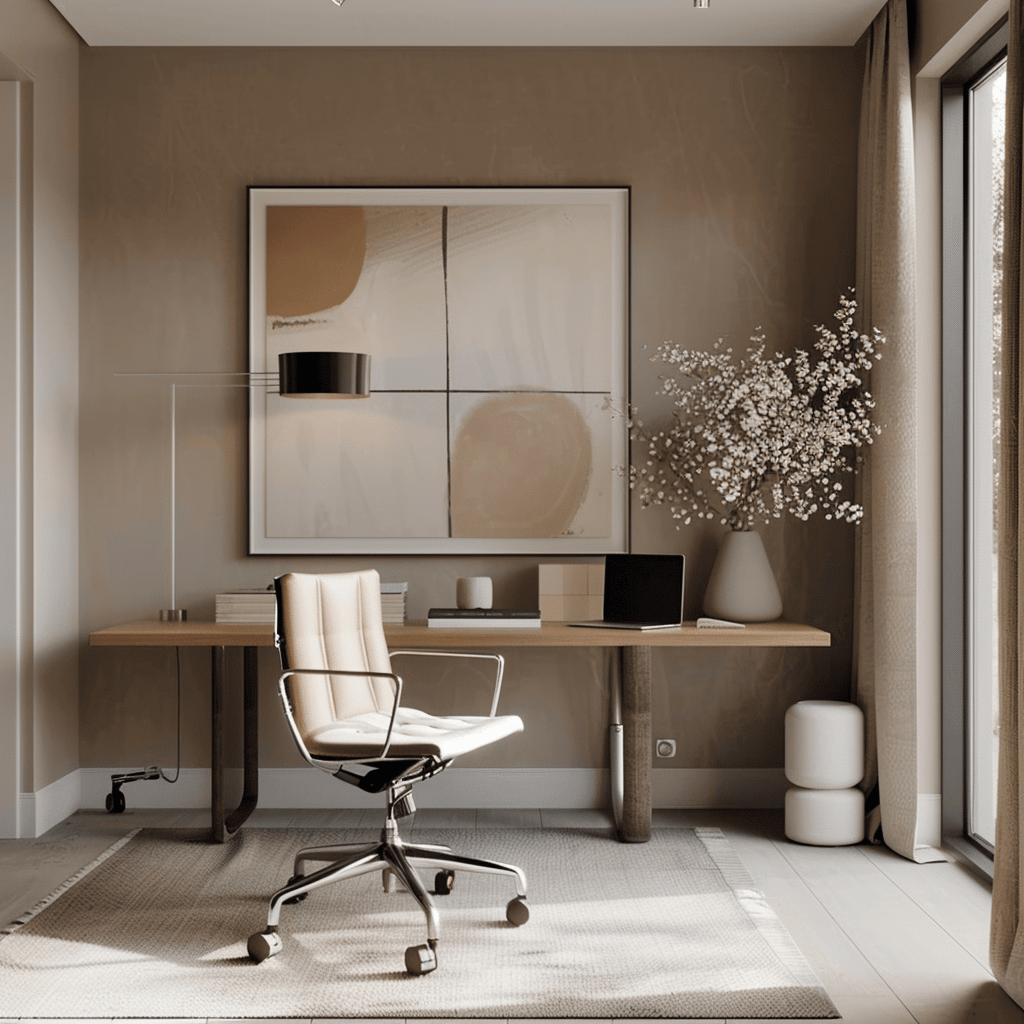
The minimalist ethos supports a clutter-free lifestyle by advocating for the elimination of superfluous items. Such deliberate organization allows individuals to focus on what truly matters without being bogged down by distractions. By practicing this, one can develop a heightened awareness of their surroundings, leading to a mind that is both serene and sharp.
To achieve mental clarity through intentional spaces, consider these steps:
- Declutter regularly: Commit to revisiting and removing unnecessary items from spaces at least once a month as clutter can accumulate rapidly.
- Limit distractions: Allocate specific zones for technology use, reducing interruptions in areas dedicated to concentration or relaxation.
- Create distinct spaces: Designate different areas for particular activities, allowing your mind to seamlessly transition from one task to another.
4. Enhancing Productivity
For anyone striving to improve their productivity, the role of intentionally designed spaces cannot be overstated. Productivity finds fertile ground in spaces that are purposefully crafted to accommodate specific tasks. A clutter-free, thoughtfully organized workspace helps align actions with intentions, ensuring that energy is focused on achieving one’s goals rather than being sapped by distractions.
Intentional spaces act as tangible reminders of our objectives, enabling us to work more efficiently and with greater enjoyment. Psychological studies have shown that environments that support concentrated efforts can improve not only the quantity of work done but also its quality. This is particularly relevant in work-from-home settings where boundaries between work and personal life often blur.
Consider these principles to maximize productivity:
- Organized zones: Keep essential items within arm’s reach to limit interruptions and maintain focus.
- Natural elements: Incorporate elements like plants or natural lighting. These features have been shown to reduce stress and boost mood, subsequently enhancing performance.
- Ergonomic furniture: Invest in furniture that supports good posture and encourages comfort, reducing physical fatigue.
3. Fostering Emotional Well-Being
Beyond functionality, intentional spaces also play a critical role in nurturing one’s emotional well-being. Calm and inviting environments are essential for fostering a sense of peace and reducing stress, a common adversary especially in today’s fast-paced world.
Intentional spaces serve as sanctuaries where emotions are respected and soothed. By deliberately designing areas aimed at relaxation and comfort, individuals can create a refuge from the external world’s chaos. Spaces filled with warmth and personal touches not only provide comfort but become a source of inspiration and reflection, fostering an ambience that supports emotional and mental health.
To create spaces that nurture emotional well-being, try:
- Soft textures: Use blankets, cushions, and rugs to add warmth and comfort, making the space more inviting.
- Color psychology: Opt for colors that evoke desired emotions; soft blues and greens can foster calmness, while warm yellows can encourage positivity.
- Personal touches: Include sentimental items like photographs or keepsakes that resonate with your identity and bring joy.
2. Encouraging Mindfulness
The practice of mindfulness—being fully present and engaged in the moment—is greatly facilitated by intentional spaces. Such environments provide the serenity needed to cultivate practices such as meditation, deliberate reflection, or simply the appreciation of stillness.
Minimalism encourages a re-evaluation of our relationship with objects and our surroundings, urging us to focus on what brings us peace and joy. Intentional spaces designed for mindfulness enable us to disconnect from the frenetic pace of everyday life, inviting a deeper connection to ourselves and our experiences. These spaces are more profound than mere aesthetics; they are a gateway to a balanced and centered existence.
Elevate mindfulness in your environment by:
- Dedicate a meditation corner: Specify a small area for meditation with minimal distractions, perhaps with some calming items like small fountains or cushions.
- Incorporate aromatherapy: Use essential oils or scented candles to create an atmosphere that appeals to the senses.
- Limit digital access: Establish technology-free zones to encourage uninterrupted reflection and connection with oneself.
1. Cultivating a Sense of Purpose
Finally, at the heart of the significance of intentional spaces is their profound ability to cultivate a sense of purpose. Spaces crafted with intention reflect more than just aesthetic preferences—they embody personal values, goals, and dreams. When every area of your living or working environment is aligned with these core aspects, they serve as constant reminders of what truly holds significance in your life.
Living with purpose means every choice you make, including how you design your spaces, supports your life’s intentions. By aligning your physical environment with what you aspire to achieve or uphold, intentional spaces motivate and guide you toward fulfilling these goals. They become spaces where perspective is found, ambitions are nurtured, and life’s hustle is understood within a broader, meaningful context.
To ensure your spaces reflect and foster a sense of purpose, consider:
- Define your values: Clearly outline what is most meaningful to you, allowing these guiding principles to influence space design.
- Set clear intentions: Determine the primary purpose of each space to ensure it serves its destined function effectively.
Ultimately, creating intentional spaces within the minimalist framework invites you to live with intention and clarity. By understanding each space’s potential impact on mental clarity, productivity, emotional well-being, mindfulness, and a sense of purpose, you can craft environments that support and enrich every facet of your life. The journey toward intentional living might require effort, but the rewards—a tranquil mind, an inspired heart, and a purposeful life—are immeasurably fulfilling.
| Category | Advantages |
|---|---|
| Intentional Design | Spaces that are intentionally designed foster creativity and focus, enhancing productivity in both personal and professional contexts. Purposeful arrangements can significantly reduce distractions and improve clarity of thought. |
| Emotional Well-being | Creating spaces with careful consideration allows for better emotional balance. Minimalist environments support peace of mind and promote mental health by eliminating clutter and fostering serenity. |
| Enhanced Productivity | A well-organized space leads to improved concentration and time management. Decluttering aspects of one’s environment can directly correlate with higher output and more efficient workflows. |
| Personal Growth | Intentional spaces encourage self-reflection and clarity in goal setting. Creating a minimalist setting allows individuals to prioritize what truly matters and reduces decision fatigue, which in turn fuels personal development. |
Exploring each category, the significance of intentional spaces is evident in the transformative effects they can have on our lives. For instance, ‘Intentional Design’ not only caters to aesthetics but also to functionality. By organizing environments purposefully, one can navigate tasks with unparalleled efficiency. Furthermore, when we delve into ‘Emotional Well-being,’ the impact becomes even more profound. Surrounded by simplicity, individuals often find a refuge from the chaos, enabling a state of tranquility that is essential for mental rejuvenation.As we transition into ‘Enhanced Productivity,’ this aspect highlights the symbiotic relationship between a clean space and a focused mind. The mere act of minimizing disruptions reinforces a conducive atmosphere for achievement.Finally, ‘Personal Growth’ encapsulates the essence of fostering an environment that mirrors one’s values and aspirations. In this journey towards minimalism, individuals are not just removing excess but also discovering dimensions of their identity and priorities that had long been obscured by complexity. Each of these categories holds the key to unlocking a richer, more fulfilling life through the power of intentional spaces.
Frequently Asked Questions About Intentional Spaces in Minimalism and Personal Organization
What are intentional spaces, and how do they relate to minimalism?
Intentional spaces are areas thoughtfully designed to serve specific purposes, enhancing efficiency and reducing clutter. In the context of minimalism, these spaces promote mindful living, where every item has a designated place and purpose, minimizing unnecessary distractions.
How can intentional spaces improve personal organization?
By consciously arranging areas based on their function, intentional spaces help maintain a system of order, making it easier to keep items organized. This approach encourages regular decluttering, fostering an environment where focus and productivity thrive.
Can intentional spaces have an impact on mental health?
Yes, creating intentional spaces can significantly impact mental well-being. A well-organized environment reduces stress and anxiety, leading to greater mental clarity. This framework supports a sense of peace and control over one’s surroundings.
How can someone start incorporating intentional spaces into their home?
Begin by analyzing your daily habits and identifying areas that feel chaotic. Focus on one space at a time, decluttering and assigning functions to different zones. Using tools like baskets, shelves, and labels can help maintain these spaces effectively, promoting long-term organizational success.
Are there any common challenges when creating intentional spaces?
One common challenge is the tendency to cling to sentimental items, making it difficult to declutter. It’s also easy to overcomplicate spaces, leading to counterproductive clutter. The key is to remain disciplined and true to the principles of minimalism, allowing for a sustainable and simplified living environment.
Conclusion: The Essential Role of Intentional Spaces
Exploring the realm of minimalism and personal organization, it becomes evident that intentional spaces serve as a cornerstone for a balanced and mindful lifestyle. This approach not only involves decluttering physical surroundings but also extends to organizing thoughts and prioritizing time. Intentional spaces foster an environment where individuals can concentrate on what truly matters, eliminate distractions, and enhance their quality of life.
Key takeaways from the discussion highlight the transformative power of minimalism in achieving clarity and focus. By creating purposeful environments, individuals can cultivate a sense of serenity and productivity. The integration of intentional spaces encourages a shift from the accumulation of possessions to a more meaningful life based on experiences and values. This shift has been supported by studies showing an increase in personal satisfaction and mental well-being when individuals engage with minimalism on a deeper level.
Furthermore, intentional spaces advocate for a personalized lifestyle where spaces are tailored to support the individual’s goals and aspirations. This aspect is pivotal in ensuring that one’s environment is conducive to personal and professional growth. As individuals continue to seek harmony amidst the chaos of modern life, embracing intentionality in their spaces proves to be not just beneficial but essential.
In conclusion, the deliberate creation and maintenance of intentional spaces as part of minimalism and personal organization hold profound importance. This practice challenges individuals to reconsider their relationship with their surroundings, leading to a more fulfilled and focused life. For those intrigued by the potential of minimalism, exploring the concept of intentional spaces could be the key to unlocking a new realm of personal organization and well-being.