Mindful Consumption and Durability: How Conscious Choices Can Impact the Lifespan of Products

Understanding Mindful Consumption
In today’s fast-paced world, the choices we make as consumers can have significant implications not just on our lives, but on the planet as well. Mindful consumption emphasizes the importance of making informed decisions that prioritize sustainability and durability. By recognizing the impact of our purchases, we can extend the lifespan of products and reduce waste. This growing awareness comes at a critical time when environmental degradation and consumerism are at odds, prompting many to rethink their habits and consider the ripple effects of their choices.
The Impact of Conscious Choices
The concept of conscious consumption invites us to consider various factors that impact our environment and society:
- Environmental footprint: How does our buying affect the ecosystem? Each product we choose has a carbon footprint, from the materials used in production to the transportation involved in getting the product to stores. For example, purchasing a locally-sourced organic vegetable not only reduces transportation emissions but also supports local farmers.
- Product lifespan: Are we choosing items designed to last? Investing in higher-quality goods, like a well-constructed pair of shoes or a durable kitchen appliance, can stave off the cycle of disposable culture, ultimately benefiting both our wallets and the environment.
- Social responsibility: Do we support ethical brands and fair labor practices? Many consumers are increasingly evaluating the companies behind products, looking at their treatment of workers and sourcing materials. Brands like Patagonia have garnered attention for their commitment to environmental stewardship and ethical labor practices, proving that it is possible to create beautiful products responsibly.
These mindful choices not only foster a more sustainable lifestyle but also positively influence the economy. For instance, opting for high-quality, durable products means investing in items that are:
- Less likely to end up in landfills, as they are built to withstand wear and tear.
- More efficient in resource usage, as they often consume less energy in the production process.
- Beneficial in reducing long-term costs, allowing consumers to spend less over time since they won’t have to frequently replace items.
As consumers in the United States become increasingly aware, there is a growing movement towards products that prioritize durability and sustainability. According to a recent survey by Nielsen, a significant majority of American consumers are willing to pay more for sustainable brands. This shift not only impacts our personal consumption patterns but also encourages manufacturers to adapt and produce longer-lasting goods. The question remains: how can we take charge of our purchasing habits? By actively researching brands, considering second-hand markets, and embracing minimalism, we can contribute to a cultural shift that values both quality and ethical considerations. Embracing mindful consumption is not merely a trend; it is an essential practice for the preservation of our environment and society moving forward.
DIVE DEEPER: Click here to uncover more
Elevating Product Lifespan Through Conscious Choices
In the quest for mindful consumption, understanding the longevity of products is central to creating a sustainable lifestyle. What we often overlook in our hasty shopping habits is that the true cost of an item extends far beyond its price tag; it encompasses the environmental, economic, and social implications tangled in its production and eventual disposal. By making conscious choices, we not only enhance the durability of the products we purchase but also lessen our collective environmental impact.
Embracing Quality Over Quantity
One of the fundamental tenets of mindful consumption is the preference for quality over quantity. Instead of filling our homes with a multitude of cheap, disposable items, investing in a few high-quality products can significantly improve their longevity and sustainability. Consider the following advantages of choosing durable products:
- Reduced Waste: Products designed to last naturally decrease the frequency of replacements, leading to less waste in landfills. The average American produces about 4.9 pounds of waste per day, a significant portion of which comes from discarded consumer goods.
- Efficiency in Resources: Durable goods often require fewer resources over their lifespan. For example, a high-efficiency washing machine may cost more upfront, but it conserves water and energy, translating to lower utility costs and less environmental strain in the long run.
- Economic Savvy: While the initial investment in durable items may be higher, the long-term savings are compelling. Regularly replacing low-cost items can add up quickly, making it economically prudent to invest in goods that will stand the test of time.
Furthermore, the shift towards durable consumption can catalyze a broader change in manufacturing practices. As more consumers demand products that last, companies are responding by exploring innovative materials and production methods aimed at enhancing product lifespan. For example, brands like Levi Strauss have introduced initiatives to extend the life of their jeans through repair programs, thus encouraging consumers to cherish their clothes rather than toss them aside.
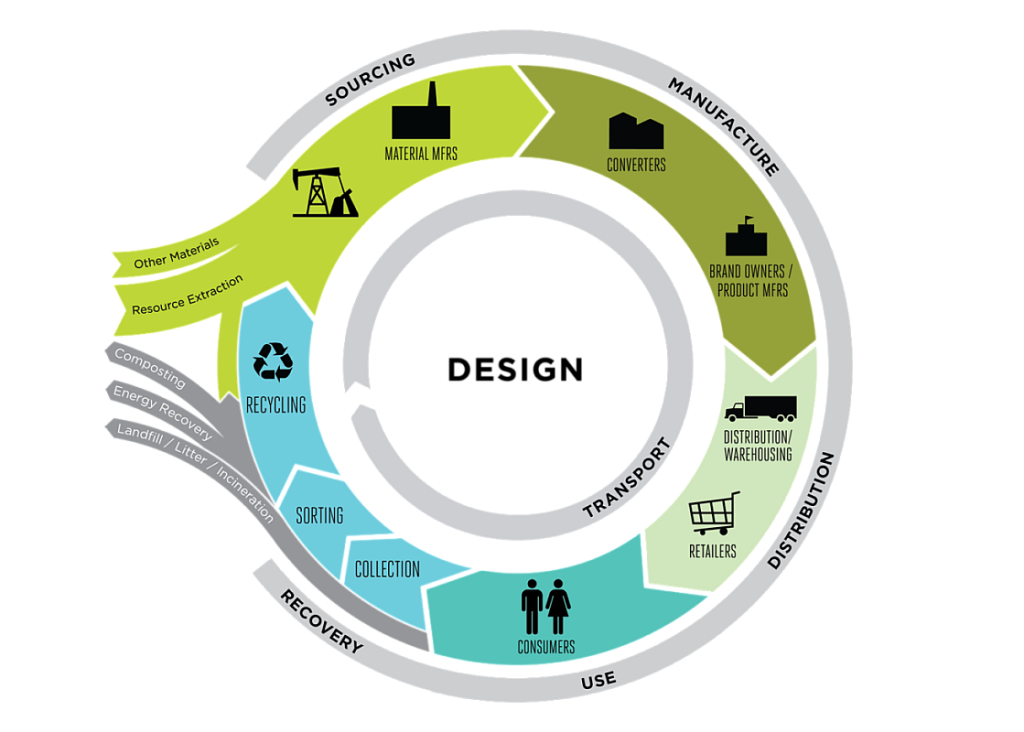
In tandem with durable goods, the movement toward sustainable production practices is gaining traction. Many businesses are now focused on eco-friendly materials and processes, highlighting a new trend where the lifecycle of a product is considered from inception to disposal. For instance, companies such as IKEA have pledged to utilize only renewable or recycled materials for their products by 2030, setting a benchmark for responsible business practices.
The relationship between mindful consumption and product durability is indeed symbiotic. By fostering an environment that values long-lasting products, consumers can pave the way for greater sustainability. As we collectively shift our purchasing habits, the call for durable products will resonate throughout manufacturing, leading to a positive ripple effect that benefits not just the consumer but the environment as well.
| Advantage | Impact on Products |
|---|---|
| Informed Purchasing Decisions | By evaluating the sustainability credentials of products, consumers can choose items that are built to last. |
| Reduction of Waste | Focusing on durability leads to a decrease in waste generation, promoting a circular economy. |
Mindful consumption plays a pivotal role in prolonging the lifespan of products. When consumers engage in informed purchasing decisions, they actively evaluate not just the price but also the long-term value and durability of what they are buying. This shift in focus can lead to a marketplace that rewards manufacturers for creating more sustainable options. Moreover, the emphasis on durability leads to a significant reduction in waste. According to research, products designed with longevity in mind contribute to less landfill waste and reduced resource depletion. This awareness drives consumers to select items that can withstand frequent use, thus fostering an environment where the emphasis is on quality over quantity. By choosing durable products, individuals become instrumental in ushering sustainability into the mainstream consumer culture.
DISCOVER MORE: Click here to transform your space
Building a Culture of Repair and Maintenance
As part of the shift towards mindful consumption, there’s a growing recognition of the value of repair and maintenance in extending the lifespan of products. When we prioritize fixing rather than discarding items, we not only save resources but also foster a culture that appreciates durability. This perspective encourages consumers to adopt a proactive mindset, viewing possessions as investments rather than mere commodities.
The Revival of Repair Cafés and DIY Culture
Worldwide, initiatives like repair cafés are gaining traction, and the concept is particularly relevant in the United States. These community-driven events allow individuals to bring in broken household items—from toasters to bikes—and receive free assistance in fixing them. This not only reduces waste but also empowers consumers by teaching valuable skills. Furthermore, the resurgence of DIY (Do-It-Yourself) culture offers an avenue for creatively addressing repairs and modifications, ensuring products last significantly longer.
Additionally, narrated by the looming crises of electronic waste, repairability has become increasingly vital. Products like smartphones and laptops are often designed with limited access to vital components, rendering repairs either difficult or nearly impossible. However, movements advocating for the right to repair are pushing back against this obsolescence, pushing manufacturers to redesign products that are easier to fix. The push for legislation supporting repair rights, such as the proposed Right to Repair laws, aims to give consumers agency in maintaining their possessions, ultimately leading to extended product lifespans.
Innovative Practices in Agricultural Sustainability
The idea of durability extends beyond consumer goods into other sectors, notably agriculture. Consumers can influence product durability through their food choices as well. Following responsible practices, such as buying from farmers who focus on crop rotation and soil health, contributes to a sustainable ecosystem. By favoring local and organic produce, consumers support methods that prioritize longevity in both the food supply and the overall health of the environment. This directly impacts the quality and nutritional value of the products we consume.
Moreover, the surge in popularity of brands with strong sustainability credentials is indicative of consumer preference shifting towards mindful choices. Notably, companies like Patagonia have pioneered sustainability in outdoor wear by using recycled materials and providing repair services. Their “Worn Wear” program encourages customers to trade in used gear for store credit, fostering a circular economy that directly opposes fast fashion’s throwaway mentality.
Understanding the interconnectedness of consumer choices and product durability can ignite a transformative cycle. By prioritizing repair, promoting eco-conscious agricultural practices, and supporting brands committed to sustainability, we can create a demand for long-lasting solutions. This push for durable products not only results in a more sustainable marketplace but also inspires others to think critically about their consumption habits, fostering a community that champions resilience and longevity.
DISCOVER MORE: Click here for insights on boosting your productivity
Conclusion
In a world grappling with the consequences of overconsumption and waste, the principles of mindful consumption and durability offer a transformative path forward. By intentionally choosing to value longevity over disposability, consumers can significantly impact not only the products they use but also the larger ecosystem. The rise of community initiatives like repair cafés and the embrace of the DIY culture exemplify how collective efforts can foster a mindset geared towards sustainability, reinforcing the idea that our belongings can—and should—be repaired rather than discarded.
Furthermore, advocating for right to repair legislation empowers individuals by holding manufacturers accountable for designing systems that facilitate extended product lifespans. This kind of conscious consumer activism challenges the status quo of rapid obsolescence by promoting designs that are easier to maintain. Coupled with sustainable practices in agriculture, where mindful choices influence both food quality and environmental health, the ripple effects of our consumption habits cannot be overstated.
Ultimately, adopting a framework that prioritizes durability not only encourages smarter purchasing but also nurtures a culture of appreciation for the resources we engage with. As we shift towards brands and practices that honor sustainability, we begin to build a more resilient and self-sufficient society. By investing in lasting products and supporting sustainable initiatives, we can ensure that our choices have meaningful implications, paving the way for a future where durability is championed, and mindful consumption becomes the norm.