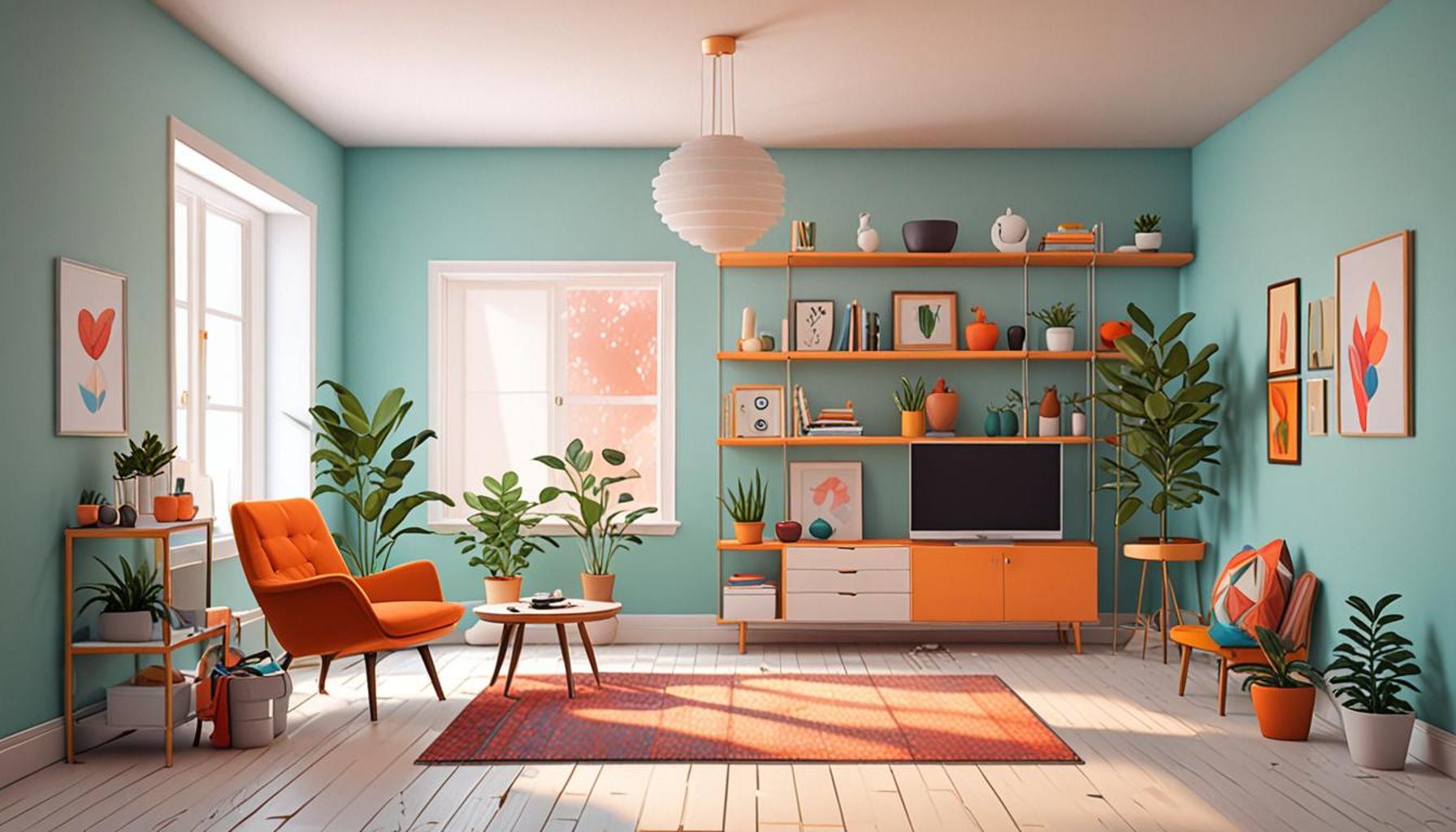
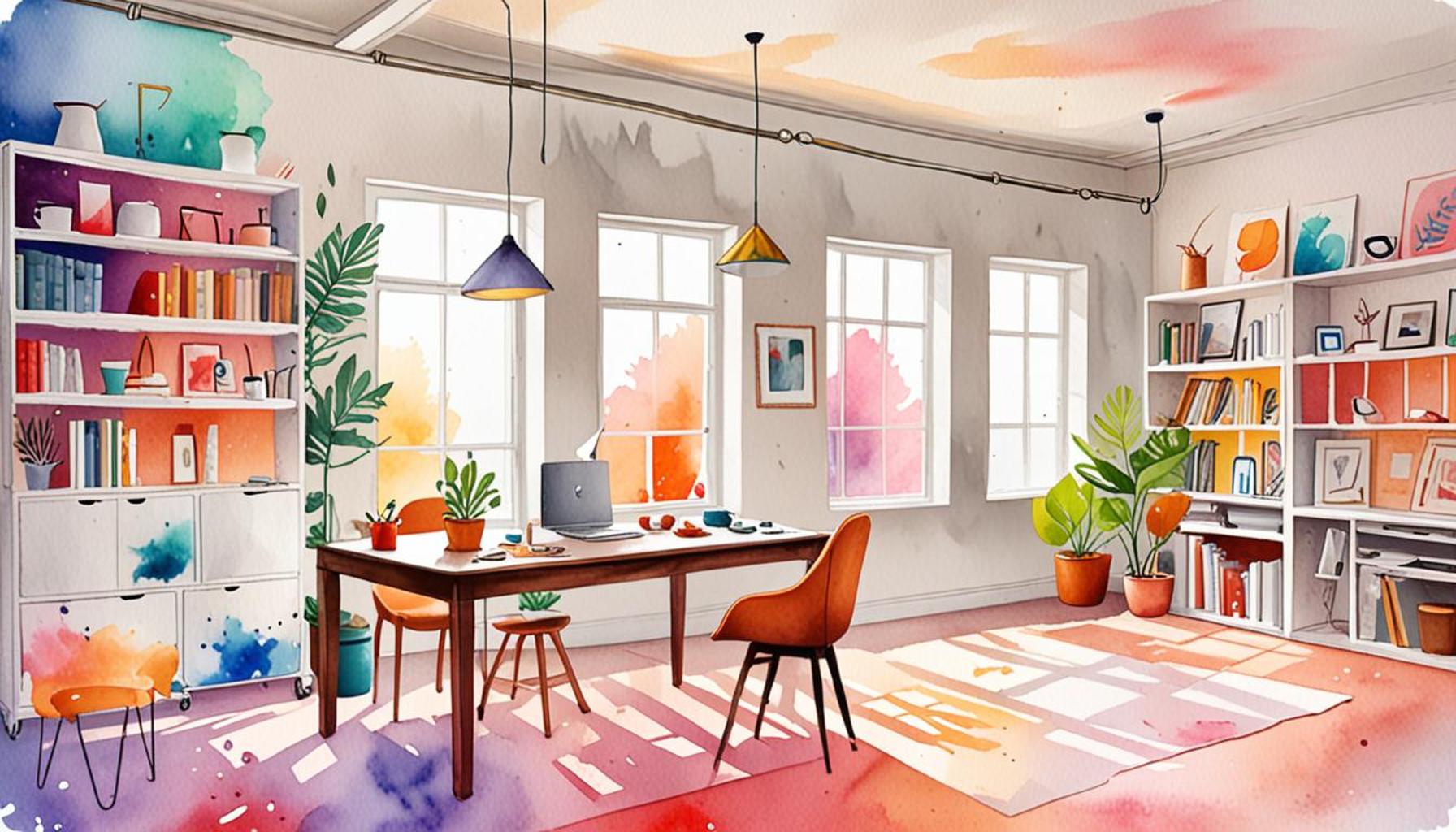
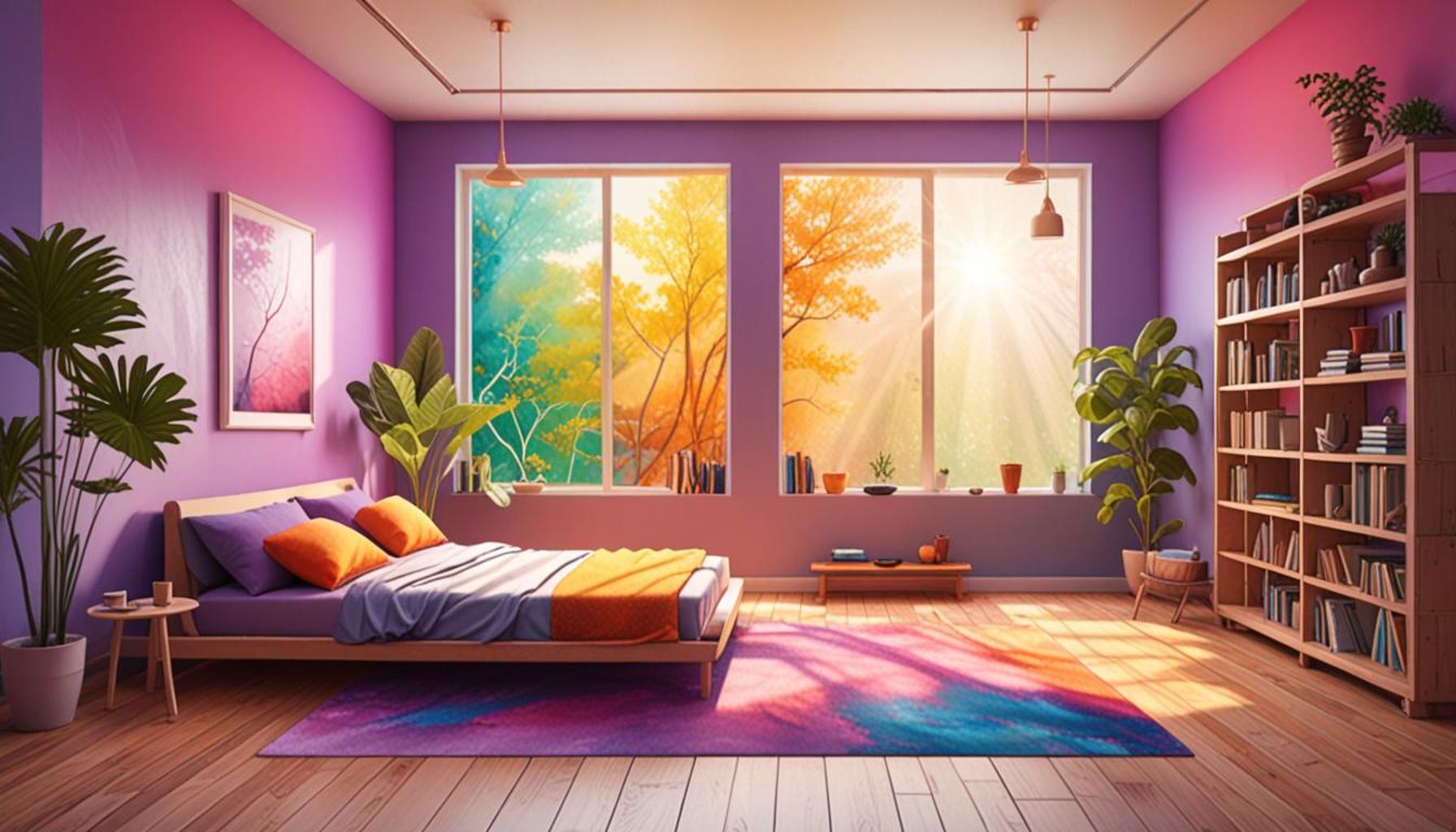
Personal Organization in Intentional Spaces: Strategies to Preserve the Essential
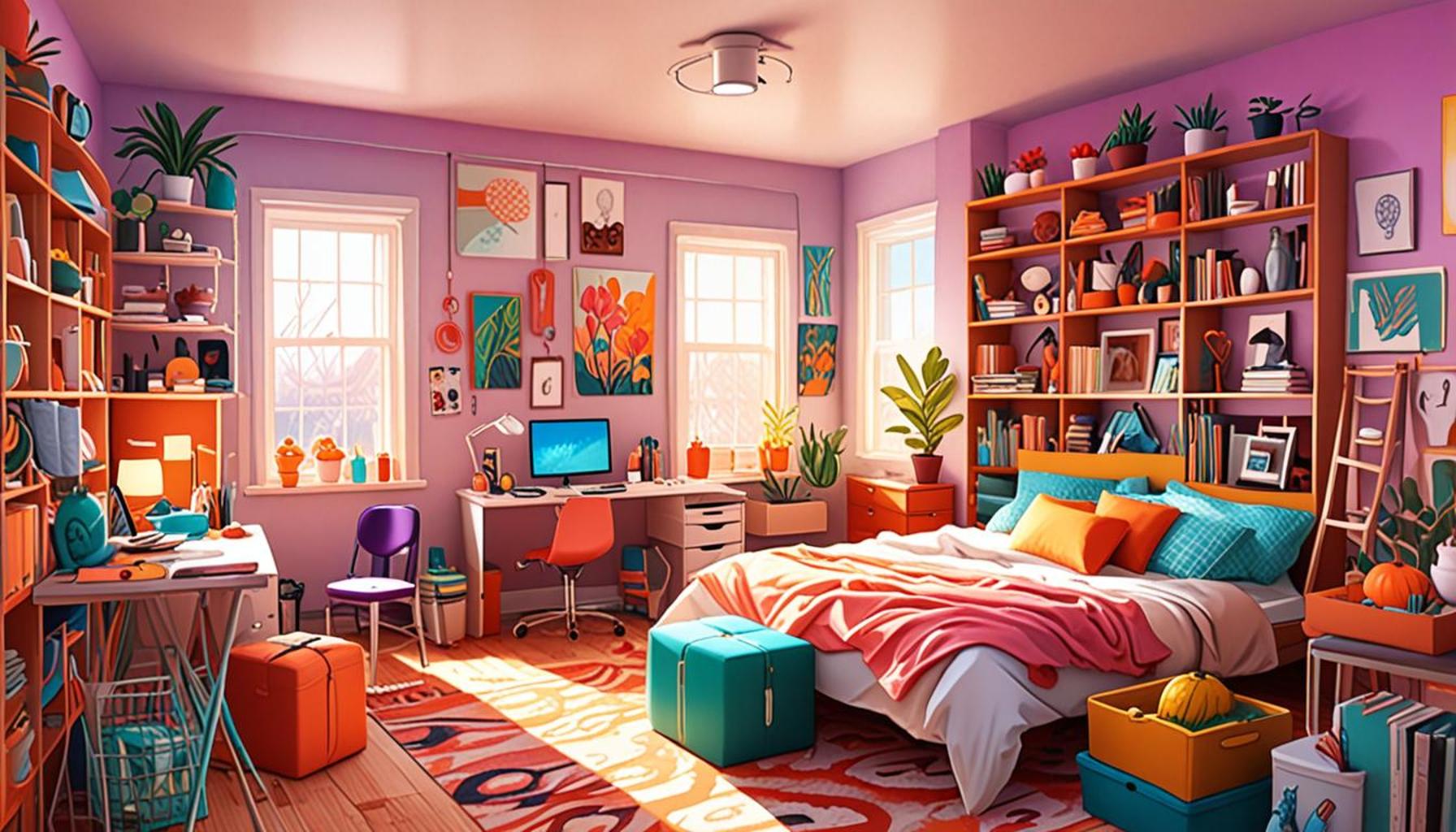
Understanding the Importance of Personal Organization
In today’s fast-paced world, where technology and constant notifications vie for our attention, personal organization within intentional spaces transcends mere convenience. It has become a crucial element in achieving a balanced and productive life. Each item you choose to keep and the way you arrange your environment can either foster a sense of tranquility or evoke feelings of chaos. Cultivating a space that resonates with your personal values and aspirations not only enhances your mental clarity but also boosts your overall productivity.
Defining Intentional Spaces
Intentional spaces are carefully curated areas designed to mirror your priorities and support your daily activities. These spaces are more than just organized rooms; they embody your ideals and aspirations, serving as a backdrop for both work and leisure. By knowing how to create and maintain such places, you can carve out a sanctuary that enhances your quality of life.
Strategies for Crafting Intentional Spaces
- Decluttering: Take a critical look at your possessions. Adopt the practice popularized by Marie Kondo—asking yourself whether each item “sparks joy.” By removing excess belongings, you can minimize distractions and create a more inviting atmosphere. Consider donating items that are in good condition to local charities, fostering a sense of community in the process.
- Designated Zones: Establish separate areas in your home or office for specific activities. For instance, create a dedicated workspace furnished with ergonomic chairs and adequate lighting to enhance focus, while reserving a cozy nook for relaxation and unwinding after a long day. This physical separation can help your brain switch gears more efficiently between tasks.
- Mindful Decor: Select decor that not only pleases the eye but also aligns with your goals. For example, if you’re pursuing a career in art, surround yourself with inspiring pieces or work by your favorite artists. This could motivate you to persist in your creative journey. Plants, inspirational quotes, and soothing colors can also contribute to a calming atmosphere.
The effects of nurturing such environments extend far beyond aesthetics. The psychological benefits are profound; studies have shown that well-organized spaces can reduce stress, improve focus, and promote a sense of control over one’s life. Visualize entering a clutter-free space that not only allows you to breathe easier but also inspires motivation—this is a day-to-day reality achievable through intentional organization.
By engaging in this process, you may discover hidden potential in your surroundings. Small changes, such as rearranging furniture or making room for cherished items, can cultivate a feeling of fulfillment and well-being. Join us as we delve deeper into the art of personal organization and explore innovative techniques that will help you preserve the essential and enhance the quality of your life.
DIVE DEEPER: Click here to discover how simplified living boosts your productivity
Exploring the Foundations of Effective Personal Organization
To embark on the journey of personal organization within intentional spaces, it is essential first to recognize that organization is not merely about neatness. It involves understanding the intrinsic value of each item and recognizing its role in shaping your environment and, ultimately, your life. The underlying principle is to create spaces that not only reflect your lifestyle but also elevate your day-to-day experiences.
Identifying Your Core Values
The first step in establishing an intentional space is to identify your core values. A clear understanding of what matters most to you forms the backbone of your organization efforts. Ask yourself: What do you want to prioritize in your life? Is it health, creativity, family, or professional success? Clarity in your values will guide your choices regarding both what to keep and how to design your environment.
- Reflect on Your Lifestyle: Consider the activities you engage in daily. Are there hobbies that bring you joy or work projects that need to be prioritized? Your space should facilitate these aspects, making it easier for you to engage deeply in what you love.
- Assess Emotional Connections: Evaluate the emotional weight of your possessions. Some items may hold sentimental value while others may simply be clutter. The process of organizing should allow you to cherish what enriches your life and release what no longer serves a purpose.
- Categorize Your Essentials: Distinguish between items that are truly indispensable and those that merely take up space. Creating categories—such as work materials, personal mementos, and leisure items—can simplify the organization process.
Implementing the Five-Step Organization Methodology
Once you have pinpointed your core values, it is beneficial to implement a systematic approach to organizing your space. This can be achieved through a five-step methodology that ensures efficiency and clarity:
- Step 1: Assess: Begin by reviewing the entire space. Take stock of what you have, identifying areas that feel congested or overwhelming.
- Step 2: Declutter: Engage in a thorough decluttering session. Be ruthless in your decision-making—only retain items that serve a purpose or inspire happiness.
- Step 3: Organize: Create a logical system for organizing remaining items. Use storage solutions like bins, shelves, and drawer organizers to maintain order.
- Step 4: Maintain: Set a schedule for regular checks on your spaces. Consistency is key in keeping areas intentional and clutter-free.
- Step 5: Reflect: Frequently assess your organization approach and adapt it as necessary, allowing for growth and change.
By understanding the foundational elements of personal organization, you can start to cultivate intentional spaces that not only serve functional purposes but also resonate with your core values. Your environment plays a critical role in shaping your mindset and productivity, and this journey toward intentional organization can be both transformative and empowering.
| Category | Examples |
|---|---|
| Clutter Reduction | Utilizing storage solutions like baskets and organizers can significantly streamline your environment. |
| Mindful Living | Incorporating minimalism allows you to focus on what truly matters without distractions. |
| Time Management | Implementing schedules or time-blocking techniques can enhance productivity in your intentional spaces. |
| Emotional Space | Creating areas that inspire and rejuvenate promotes mental clarity and well-being. |
Maintaining a balance between form and function is paramount in achieving personal organization in your intentional spaces. Effective clutter reduction not only opens physical space but also nurtures mental peace, allowing individuals to truly engage with their environments. Mindful living, on the other hand, invites you to evaluate what items are essential, pushing against the consumerist tide and focusing instead on quality and meaning.Time management strategies can provide a backbone to your daily routines, ensuring that you are working within your most productive hours. Perhaps using visual planners or digital tools can bring clarity to your scheduling needs. Additionally, recognizing and cultivating emotional space is crucial in fostering a sense of belonging and comfort, reinforcing the connection between space and emotional well-being. By meticulously curating these elements, you shape a harmonious environment that serves not just as a backdrop but as an integral part of your life. This interconnected approach invites readers to uncover insights into their own organization challenges, leading them to deliberate strategies that enhance everyday living.
DIVE DEEPER: Click here to uncover mindful consumption tips
Creating Cohesive and Functional Environments
Having identified your core values and implemented a systematic approach to organization, the next critical step is to create cohesive and functional environments that reflect your intentions. It is essential that your spaces evoke inspiration, encouraging productivity while also being aesthetically pleasing. The principles of design psychology play a significant role in how we interact with our environments, influencing our mood and efficiency. Here are some methods to craft spaces that resonate with your priorities:
Designing with Purpose
In the realm of personal organization, the design of your intentional spaces should foster a sense of purpose. Each area of your home or workspace must align with specific functions. For example, a designated home office that is free from household distractions enables more focused work sessions. Similarly, a space set aside for meditation or hobbies can help in recharging and nurturing your creativity. Here are actionable steps to consider:
- Zone Your Space: Create distinct zones within larger areas to accommodate various functions. For instance, if your living room also serves as a workspace, clearly delineate a section dedicated to work with appropriate lighting and organization tools.
- Incorporate Natural Elements: Integrating plants or natural light can significantly enhance mood and productivity. Studies suggest that even small touches of nature can reduce stress and boost overall well-being, making your organization strategies even more impactful.
- Utilize Color Psychology: The colors in your environment can evoke certain feelings. Soft blues might promote calmness, while vibrant yellows can stimulate creativity. Choose colors that align with your core values and desired outcomes.
Capitalizing on Technology for Efficient Organization
In today’s digital age, embracing technology can significantly enhance your personal organization efforts. Numerous applications and tools exist specifically designed to streamline your spaces and improve efficiency. Here are some noteworthy options:
- Task Management Applications: Tools like Trello or Todoist can help keep your projects organized, setting clear deadlines and priorities while maintaining an overview of your goals.
- Digital Decluttering: An often-overlooked aspect of personal organization is digital space. Implementing strategies like regularly archiving emails, organizing files, and using cloud storage not only saves physical space but also minimizes cognitive overload.
- Smart Organizers: Consider using smart gadgets that help streamline daily tasks. From automated planners to device management systems, these technological advancements can help maintain a clutter-free, intentional environment.
Engaging the Community and Accountability Partners
An essential, yet frequently neglected, element of maintaining intentional organization involves the social aspect. Engaging with a community or enlisting an accountability partner can provide motivation and insights. You might consider:
- Joining Local or Online Groups: Look for community organizations or online forums focused on personal organization. Sharing experiences and strategies with like-minded individuals can inspire fresh ideas and methods.
- Hosting “Organize Together” Sessions: Invite friends or family members to join you in decluttering and organizing spaces. The process will be more enjoyable, and the collaborative effort can lead to remarkable results.
By thoughtfully designing functional environments and integrating technology, alongside mutual support from your community, maintaining intentional spaces becomes an achievable and transformative endeavor. This holistic approach not only enhances organization but creates a living experience intertwined with purpose and clarity.
DISCOVER MORE: Click here to learn how to simplify your life and reduce stress
Final Thoughts on Personal Organization in Intentional Spaces
In our fast-paced world, personal organization can often feel daunting. However, by embracing the strategies outlined in this article, you can create intentional spaces that resonate with your core values and enhance your daily life. The journey begins with a deep understanding of what is truly essential to you and making conscious decisions about the organization of your environment.
By designing with purpose, you cultivate areas that inspire productivity and creativity while reducing distractions. The integration of technology not only simplifies organization but also ensures your systems remain adaptive to your needs. Additionally, engaging with a community or accountability partners further enriches the process, fostering motivation and innovative approaches that might otherwise evade you.
As you implement these strategies, remember that modern life demands flexibility. It is vital to regularly reassess and adapt your organized spaces to suit evolving priorities and experiences. This dynamic nature of organization encourages satisfaction and sustainability, ultimately leading to a fulfilling life grounded in clarity and intentionality.
As you reflect on your personal organization journey, consider diving deeper into resources and courses available, learning more about the principles of design psychology, or exploring technology solutions tailored for personal growth. By continuously seeking improvement, you pledge commitment not only to organized spaces but to an enriched, harmonious lifestyle.