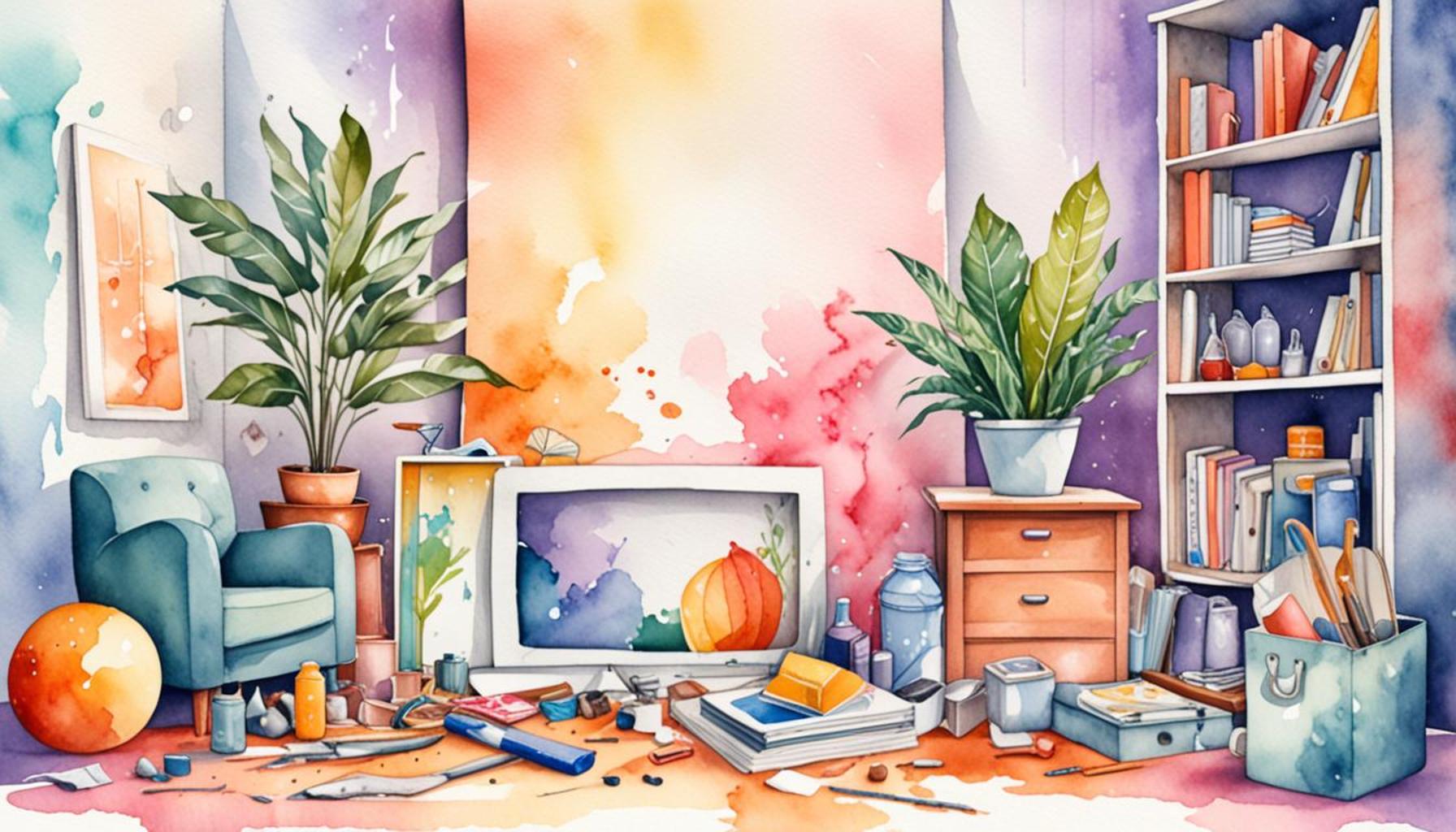
The Art of Letting Go: How Essential Decluttering Can Transform Your Life

Discover the Power of Decluttering
Everyday life can become overwhelming, filled with clutter that weighs us down both physically and mentally. The process of letting go is not just about cleaning out your space; it’s a profound journey towards self-discovery and tranquility. It invites us to rethink what we hold on to and why. In a world consumed by consumerism, where shopping often serves as a quick fix for emotional discomfort, the need for decluttering has never been more essential.
Consider these aspects of essential decluttering:
- Physical Space: Clearing out unnecessary items can create a more peaceful environment. Imagine walking into a room that has minimal furniture and decor; it instantly feels more open and inviting. This physical space can promote better relaxation and creativity. Studies suggest that tidy environments can lead to better productivity. Take, for example, the “one in, one out” philosophy popular among minimalists: for every new item you bring into your home, another must go. This practice keeps clutter at bay and maintains a harmonious living space.
- Mental Clarity: Less clutter often leads to decreased stress and increased focus. When surrounded by visual chaos, our brains can struggle to concentrate. A well-organized desk can enhance productivity, making tasks feel less daunting. This is particularly relevant in a fast-paced society where distractions abound. Programs like the Pomodoro Technique, which promote focused work in short bursts followed by breaks, can be even more effective in a decluttered workspace.
- Emotional Freedom: Letting go of possessions linked to past memories can be liberating. Sentimental items, while meaningful, can sometimes anchor us to the past and prevent us from moving forward. Consider the story of a woman who decided to part with her grandmother’s possessions after years of keeping them. Though it was a difficult process, she found that the memories associated with those items remained alive in her heart, allowing her to embrace new experiences without the weight of material attachments.
In the United States, many people are flocking to minimalism, recognizing that a simpler lifestyle can enhance quality of life. The popularity of shows like “Tidying Up with Marie Kondo” and books like “The Life-Changing Magic of Tidying Up” speaks volumes about society’s evolving relationship with material goods. What might start as a simple cleanup can open doors to personal growth and redefining values, urging individuals to consider what truly brings joy and purpose to their lives.
Join the Movement
Finding the courage to let go can lead to remarkable transformations. This article will delve into the art of decluttering, offering practical tips such as starting small (perhaps by tackling one drawer at a time) and seeking accountability from friends or family. Inspiring stories will showcase how others have successfully navigated their decluttering journeys and the unexpected benefits they discovered along the way. Prepare to embark on a journey that may just change your life, one item at a time.
DISCOVER MORE: Click here to learn about intentional spaces
The Benefits of Embracing Change
In the journey of life, embracing change is vital for personal growth and fulfillment. Decluttering extends beyond just tidying up; it represents a fundamental shift in the way we perceive and interact with the physical world around us. As we let go of items that no longer serve a purpose or bring us joy, we simultaneously open ourselves up to new possibilities and perspectives. The benefits of embracing this change are multifaceted, affecting our emotional, mental, and even physical well-being.
Let’s explore some profound advantages of essential decluttering:
- Enhanced Well-Being: The act of decluttering serves as a therapeutic exercise. It encourages mindfulness, allowing us to assess our possessions critically. By treating our surroundings as a reflection of our inner selves, we cultivate a healthier mindset. A study from the UCLA’s Center on Everyday Lives and Families found that individuals living in cluttered homes exhibited higher levels of cortisol, the stress hormone. In contrast, a clean and organized environment is associated with lower stress levels and improved mood.
- Financial Freedom: Uncluttered spaces often lead to less spending. When our homes are filled with unnecessary items, they can inadvertently trigger the desire to acquire even more. Understanding what we truly need becomes easier when we clearly see our possessions. This not only helps us save money but also encourages thoughtful purchasing habits. Participating in local community swaps or donating items can provide the double benefit of decluttering while giving back to others.
- Time Efficiency: Decluttering streamlines our daily routines. Imagine the time saved searching for lost keys or misplaced documents in a well-organized space. Keeping only essentials allows for a more efficient lifestyle, where we spend less time managing our belongings and more time enjoying life’s simple pleasures. Implementing easy organization systems can aid this transition further, reducing time spent on maintenance and increasing time available for what truly matters.
Furthermore, as we declutter our spaces, we can reflect on what truly defines us—the experiences, relationships, and values that shape our lives. By understanding the difference between material possessions and meaningful connections, we foster a deeper appreciation for the present. Instead of storing items with nostalgic ties, letting go can help cultivate a healthier emotional landscape. When we release these attachments, we often discover a newfound liberation that paves the way for richer experiences.
Creating the Right Mindset
To embark on this transformative journey, it’s crucial to develop the right mindset. Acknowledge that the process of letting go can be emotionally challenging, but remember that each item released opens the door to something new. Start with a positive vision of what you wish to achieve through decluttering—whether it’s a peaceful home environment, greater financial stability, or simply freedom from the chaos of excess.
Delve into your motivations for decluttering and set realistic goals. Perhaps you want to create a serene sanctuary for relaxation or organize your workspace for increased productivity. By establishing these aspirations, the journey of decluttering can evolve into a fulfilling quest for a more intentional and meaningful life.
The Importance of Decluttering
In our fast-paced lives, the accumulation of unwanted items can profoundly impact our mental and emotional well-being. Decluttering is not merely about removing physical objects; it symbolizes a deep-seated process of letting go. The act of decluttering allows individuals to create a more peaceful environment, fostering clarity and focus. This is especially relevant in today’s society, where we are bombarded with material goods and distractions. By engaging in essential decluttering, one can uncover a sense of freedom and control.
Psychological Benefits
Research indicates that clutter can contribute to stress and anxiety, making it vital to address these physical manifestations in our surroundings. When we let go of unnecessary items, we also alleviate the mental load they impose. The psychological benefits of decluttering include enhanced mood, increased productivity, and a greater sense of accomplishment. This form of self-care not only cleanses our spaces but also rejuvenates our minds.
Steps to Effective Decluttering
To embark on a successful decluttering journey, begin by setting attainable goals. Start with one area, and gradually expand your efforts. Utilize the Four-Box Method: Keep, Donate, Trash, and Unsure. This strategy encourages thoughtful decision-making, ultimately leading to a more purposeful collection of belongings. As you progress, maintain the momentum by adopting a minimalistic mindset, celebrating small victories along the way.
| Advantage | Impact |
|---|---|
| Increased Focus | A decluttered space improves concentration and boosts creativity. |
| Enhanced Well-being | Reducing clutter helps lower stress levels, leading to better mental health. |
The Ripple Effects of Decluttering
Decluttering extends beyond physical space; it has a profound ripple effect on many aspects of life. By adopting a minimalist lifestyle, individuals often find clearer vision in their personal and professional endeavors. They become more intentional with their time and resources, leading to a more fulfilled existence.
DISCOVER MORE: Click here to enhance your daily routine
Strategies for Successful Decluttering
Venturing into the world of decluttering can initially feel overwhelming, but equipping yourself with effective strategies can make the process both enjoyable and fulfilling. There are various methods employed by minimalists and organizing experts that can help streamline the journey of letting go.
One popular approach is the KonMari Method, developed by Marie Kondo, which encourages declutterers to keep only those items that “spark joy.” This method not only focuses on physical decluttering but also emphasizes emotional connections to belongings. By categorizing possessions into groups like clothing, books, and sentimental items, individuals are guided to a more holistic understanding of what truly matters in their lives. The ritual of holding each item and asking whether it brings joy can uncover deeper insights into personal values and aspirations.
Another effective strategy is the One-In-One-Out Rule. This method requires that for every new item brought into the home, one existing item must be removed. This simple rule discourages impulse buys and encourages mindful consumption while maintaining a clutter-free environment. Over time, this strategy can lead to a dramatic reduction in possessions and promote a culture of less, which can be especially beneficial in today’s consumer-driven society.
- Set a Timeline: Create a timeline with specific deadlines for each decluttering session. Knowing that there is an endpoint can motivate individuals to steadily eliminate possessions without becoming too attached.
- Start Small: Tackle smaller spaces initially, such as a single drawer or closet. Achieving small victories fosters a sense of accomplishment and builds momentum for larger decluttering projects, making the process seem less daunting over time.
- Document Your Journey: Keep a journal or take photos of your spaces before and after decluttering. Seeing the transformations can reinforce your motivation and serve as a reminder of the progress made along the way.
The Psychological Impact of Letting Go
As people engage in decluttering, they often experience a significant psychological shift. The act of letting go not only purges physical items but can also alleviate mental burdens such as guilt and anxiety. An article in the journal Psychological Science highlights how clutter can exacerbate feelings of stress and contribute to decreased cognitive function. When we declutter, we liberate our minds from the distractions of excess, allowing for clearer thoughts and enhanced creativity.
Many people report emotional benefits from decluttering, including feelings of empowerment and achievement. By taking control of their surroundings, individuals often gain confidence that spills over into other areas of their lives. This newfound strength can lead to positive changes in relationships, work life, and personal goals. The process itself is transformative—beyond just clearing out spaces, it fosters a mindset of intentionality and appreciation for what one possesses.
Moreover, studies indicate that individuals who regularly engage in decluttering are more likely to maintain better mental health. The American Psychological Association notes that cleaning and organizing can provide a sense of control over one’s environment, which is particularly beneficial during times of stress. With a focus on the essentials, individuals can cultivate inner peace and a deeper connection to their life’s purpose.
DISCOVER MORE: Click here to learn how to create intentional spaces for better focus
Embracing the Art of Letting Go
In conclusion, essential decluttering is more than just a practical exercise in organizing belongings; it serves as a powerful catalyst for personal transformation. The journey of letting go facilitates a deeper connection with both our physical and mental landscapes, allowing individuals to reclaim space and peace in their lives. By employing methods like the KonMari Method or the One-In-One-Out Rule, one can navigate the complexities of this process with intention and clarity. Every item released opens the door to discovery—whether through the tangible joy of appreciating fewer, more meaningful possessions or through the psychological relief stemming from a decluttered mind.
The emotional benefits of decluttering extend beyond mere physical spaces, fostering a heightened sense of control, reduced anxiety, and enhanced creativity. As highlighted in psychological studies, maintaining a clutter-free environment can contribute significantly to improved mental well-being, paving the way for new opportunities in daily life and personal growth. By actively engaging in this practice, individuals can embrace a lifestyle characterized by simplicity and appreciation for the essentials.
Ultimately, the art of letting go encourages a mindset of intentionality and mindfulness, inspiring a profound shift in how we perceive our surroundings and our relationships with ourselves and others. As you consider embarking on your decluttering adventure, remember that each step taken is not just about removing items but also about enriching your life with purpose and clarity. Discovering serenity through the art of essential decluttering awaits those who dare to let go.