The Art of Letting Go How Simplified Living Transforms Your Life

Embracing Change through Simplified Living
Simplified living has emerged as a crucial movement within the broader context of minimalism and personal organization. In a world overflowing with possessions and distractions, the art of letting go takes center stage, offering individuals a pathway to reclaim their time, space, and mental clarity.
This lifestyle encourages a conscious choice to prioritize experiences over material goods, leading to significant transformations in overall well-being. By simplifying one’s surroundings, people often discover newfound freedom, creativity, and a deeper connection with what truly matters.
What to Expect
In this article, we will explore:
- The core principles of minimalism and how they foster a simplified living environment.
- Practical tips for decluttering your home and life.
- The emotional benefits associated with letting go of excess possessions.
- Inspiring stories of individuals who transformed their lives through this approach.
- A ranked list of the top 5 strategies for embracing simplified living.
Prepare to embark on a journey that promises to illuminate how the art of letting go can profoundly impact your life.
The Art of Letting Go: How Simplified Living Can Transform Your Life
In today’s fast-paced world, minimalism emerges not merely as a fleeting trend but as a profound lifestyle choice. It emphasizes the essence of living with less and appreciating more. Simplified living helps us clear mental clutter, diminish stress, and develop a deeper appreciation for life’s true priorities. This article explores five crucial facets of the art of letting go and how each can fundamentally transform your life. These insights are designed not only to inspire your journey toward minimalism but to guide you through the intricate process of achieving simplified living.
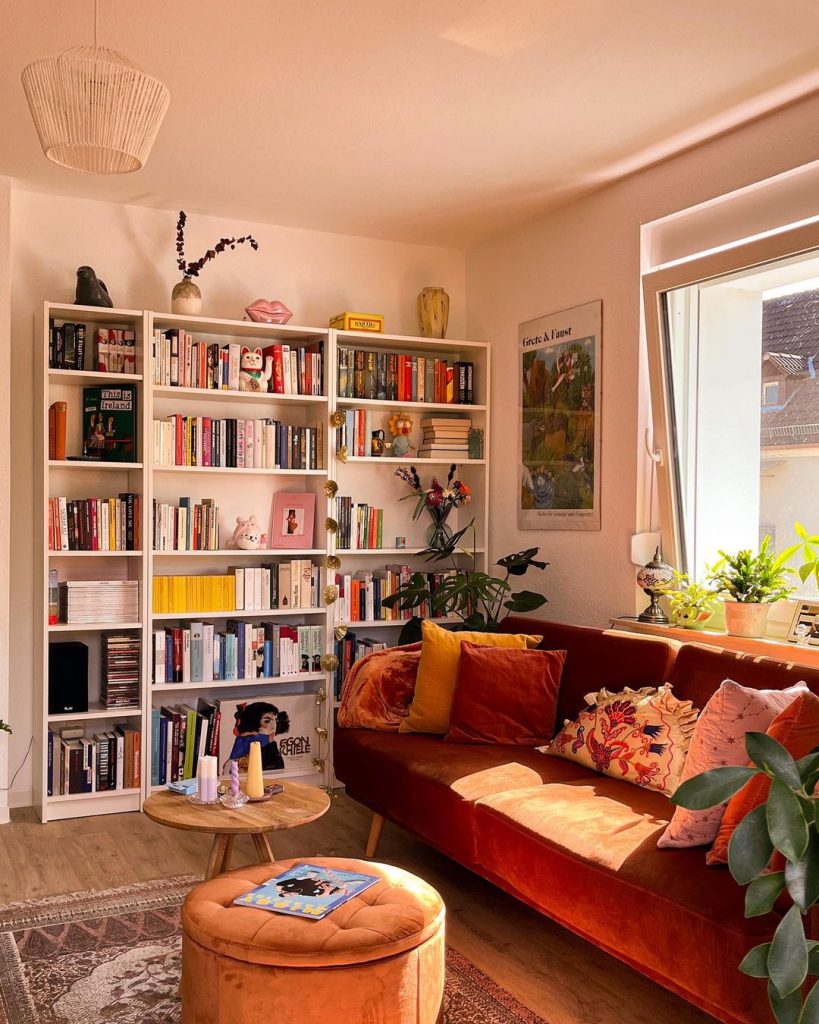
5. Decluttering Your Space
Decluttering your space is often the first visible step toward embracing minimalism. The process involves removing unnecessary items from your living environment, which can lead to a more peaceful and productive existence. Numerous studies highlight the correlation between a tidy living space and improved mental clarity and focus. Yet, decluttering often requires overcoming emotional attachments to possessions, a task that can be both challenging and liberating.
Here are a few effective strategies for decluttering:
- Identify belongings you haven’t used in over a year; these are prime candidates for removal.
- Question the emotional attachment to sentimental items and evaluate if they genuinely enhance your life.
- Organize items into categories: keep, donate, recycle, or discard.
By freeing your physical environment from clutter, you set the stage for a more orderly, efficient, and serene household. This act of simplification not only improves your surroundings but can also enhance your mental space, setting a foundation for other minimalism-inspired changes.
4. Simplifying Your Schedule
Much like physical spaces, schedules too can become cluttered, crammed with commitments that dilute focus and enthusiasm. Simplifying your schedule means learning to prioritize activities that bring you closer to your values and aspirations, fostering a life filled with intention instead of overwhelm.
To streamline your schedule, consider the following approaches:
- Take inventory of your weekly obligations and identify which ones do not serve your long-term goals and can be removed.
- Establish clear boundaries to protect personal time, preventing burnout.
- Allocate regular breaks or downtime to bolster relaxation and rejuvenation.
By simplifying your schedule, you not only reduce stress but also create space for pursuits that bring joy and meaning. This approach enables a more intentional use of time, cultivating a lifestyle that aligns with your most intrinsic values and passions.
3. Mindful Consumption
Minimalism isn’t confined to our physical spaces; it also encompasses the realm of mindful consumption. In a consumer-driven society, it’s easy to succumb to marketing manipulations that drive us to acquire more than we need, cluttering our lives with excess.
Practicing mindful consumption invites you to:
- Differentiate between ‘needs’ and ‘wants’ to prioritize purchases that genuinely enhance your life.
- Invest in quality over quantity to minimize frequent replacements and waste.
- Support brands and businesses that prioritize sustainability and ethical practices.
This shift in consumption not only benefits your financial health but also nurtures a conscious lifestyle that contributes positively to the environment, promoting a more sustainable way of living.
2. Fostering Deeper Relationships
Minimalism encourages us to go beyond superficial interactions, motivating us to foster deeper relationships. In a world where relationships often seem driven by quantity rather than quality, focusing on genuine connections becomes paramount.
Actions to cultivate deeper, more fulfilling relationships include:
- Commit to spending quality time nurturing close friendships and familial bonds.
- Engage in open and honest communication with loved ones, building trust and understanding.
- Create shared experiences that forge lasting memories and strengthen emotional ties.
By prioritizing meaningful relationships, you enrich your life with a robust support system, capable of providing companionship and strength through life’s various challenges, all within the ethos of simplicity.
1. Connecting with Yourself
Ultimately, the pinnacle of simplified living is connecting with yourself. In a busy, hyper-connected world, rediscovering your authentic self beneath the layers of clutter and noise is both a challenge and a revelation. Minimalism urges us to engage in self-reflection, paving the way for uncovering what truly brings joy and fulfillment.
Connecting with yourself can be undertaken through several mindful practices:
- Set aside regular time for self-reflection activities such as journaling or meditation to introspect and realign with your inner values.
- Pursue passions and interests that resonate with your core, free from external distractions.
- Define and pursue personal goals that mirror your true aspirations and values, discarding societal pressures or expectations that do not serve them.
This personal connection not only bolsters your mental health but also strengthens your overall well-being, equipping you to navigate life’s challenges with a clear mind and a resilient spirit. In effect, simplified living enriches your journey towards self-discovery and empowerment, infusing every moment with clarity and purpose.
| Category | Description |
|---|---|
| Mental Clarity | Adopting a simplified living approach leads to improved mental clarity, helping individuals focus on what truly matters. |
| Financial Freedom | Engaging in a minimalist lifestyle reduces unnecessary expenses, paving the way for financial freedom and better management of resources. |
| Sustainable Living | Simplified living often promotes a sustainable lifestyle, encouraging individuals to make environmentally friendly choices, such as reducing waste. |
| Time Management | With fewer possessions, individuals find it easier to manage their time effectively, focusing on experiences rather than material accumulation. |
Embracing the principles of “A Arte de Desapegar” not only affects one’s environment but extends deeply into personal well-being. Many individuals embarking on a minimalist journey report a profound sense of relief and serenity as clutter—both physical and mental—is eliminated. This sense of relief often translates into a sharper ability to concentrate, as distractions dissipate. The aspect of financial freedom is crucial in today’s consumer-driven society. By simplifying their lives, individuals tend to purchase less, leading to substantial savings over time. This behavioral shift represents a larger trend where people are prioritizing experiences over material goods, ultimately fostering a more enriched life.Moreover, the environmental benefits of simplified living cannot be overlooked. Individuals who adopt a minimal lifestyle often find themselves drawn to more sustainable practices. This may include everything from mindful shopping to reducing single-use plastics, thus contributing positively to global conservation efforts without even realizing it.Additionally, as individuals streamline their lives, the outcome often reflects in their time management skills. The diminishment of excess allows for a more focused approach to time, where activities align more closely with personal values and priorities. This shift not only enhances productivity but also promotes a genuine connection to one’s surroundings and relationships. In essence, adopting a simplified livingethos represents a multidimensional path towards transformation, one that encompasses a richer, more fulfilling life beyond just decluttering one’s space. The journey of “A Arte de Desapegar” is as much about *discovering** one’s true self as it is about the physical act of letting go.
Frequently Asked Questions About “The Art of Letting Go: How Simplified Living Can Transform Your Life”
What is the concept of “simplified living”?
At its core, “simplified living” revolves around the idea of reducing complexity in your life by minimizing possessions and distractions. It encourages individuals to focus on what truly matters. This lifestyle can lead to greater peace of mind, reduced stress, and more meaningful relationships. It’s not merely about decluttering your home but also involves letting go of emotional baggage and unnecessary commitments. By adopting this approach, many find themselves experiencing a newfound sense of freedom and clarity.
How can letting go of material possessions impact my life positively?
Letting go of material possessions can have profound effects on your life. Firstly, it can lead to a more organized and serene living environment, which in turn reduces stress levels. Secondly, by eliminating excess, you free up both physical and mental space to focus on experiences and relationships that enrich your life. A simplified environment can also enhance productivity and creativity by minimizing distractions. More importantly, it often helps people understand their true needs and values, fostering a deeper sense of contentment.
Is there scientific evidence supporting the benefits of a simplified lifestyle?
Yes, there is a growing body of research suggesting the benefits of a simplified lifestyle. Studies have shown that decluttering can lead to lower levels of cortisol, a stress hormone, which contributes to better mental health. Simplified living is also linked to increased focus and cognitive performance. Researchers have found that living with fewer distractions allows individuals to concentrate better, thereby improving their ability to process information and solve problems. Practicing gratitude and mindfulness, often components of this lifestyle, have further been shown to enhance overall well-being and happiness.
What steps can I take to start living a simplified life?
Embarking on a journey towards a simplified life involves several key steps. Begin by evaluating your possessions and deciding what you truly need. Consider adopting the “one in, one out” rule to maintain balance. Prioritize your time around activities that fulfil you and let go of obligations that drain your energy without adding value. Practicing mindfulness can aid in keeping you grounded and focused. Finally, remember that simplified living is a personal journey—it’s important to tailor it to fit your unique life circumstances and goals.
Can simplified living affect my relationships?
Embracing simplified living can indeed positively affect your relationships. By clearing your life of distractions, you can spend more quality time with loved ones, strengthening connections and communication. Simplified living often encourages a more thoughtful and intentional approach to interactions, making room for deeper, more meaningful relationships. It also helps in setting boundaries, allowing you to maintain relationships that are truly supportive and aligning with your values. Ultimately, this lifestyle fosters healthier relationship dynamics by creating space for what genuinely counts.
Conclusion: Embracing the Art of Letting Go
In our fast-paced world, embracing the art of letting go through simplified living offers a transformative path to a more fulfilling life. By focusing on minimalism and personal organization, individuals can declutter not only their physical spaces but also their mental state. This approach promotes a life free from excess, providing clarity, and empowering individuals to focus on what truly matters.
The process of decluttering and simplifying can often lead to significant personal growth, as minimizing distractions allows for the prioritization of goals and values. Living with less can foster a deeper appreciation for the present, enriching both personal experiences and relationships. The mindful selection of possessions and priorities aids in building a life aligned with our authentic selves, ultimately leading to increased happiness and satisfaction.
Moreover, embracing simplified living can have a broader impact, promoting sustainability by reducing consumerism and waste. This approach not only benefits individuals but also contributes positively to the environment, creating a ripple effect that extends beyond the personal realm.
For those wishing to embark on this journey, it is crucial to remember that the path to simplicity is highly personal and adaptable. By setting realistic goals, practicing gratitude, and continuously reassessing our choices, we can foster a lifestyle that thrives on intentionality and purpose.
Ultimately, the art of letting go is about finding freedom — freedom from the clutter that weighs us down, allowing us to live a life of greater intention, connection, and joy. As we navigate this path, we are invited to reconsider our desires and redefine success on our terms, a pursuit that can truly transform our lives for the better.