The Connection Between Conscious Consumption and Organized Spaces: Creating Environments that Reflect Our Values
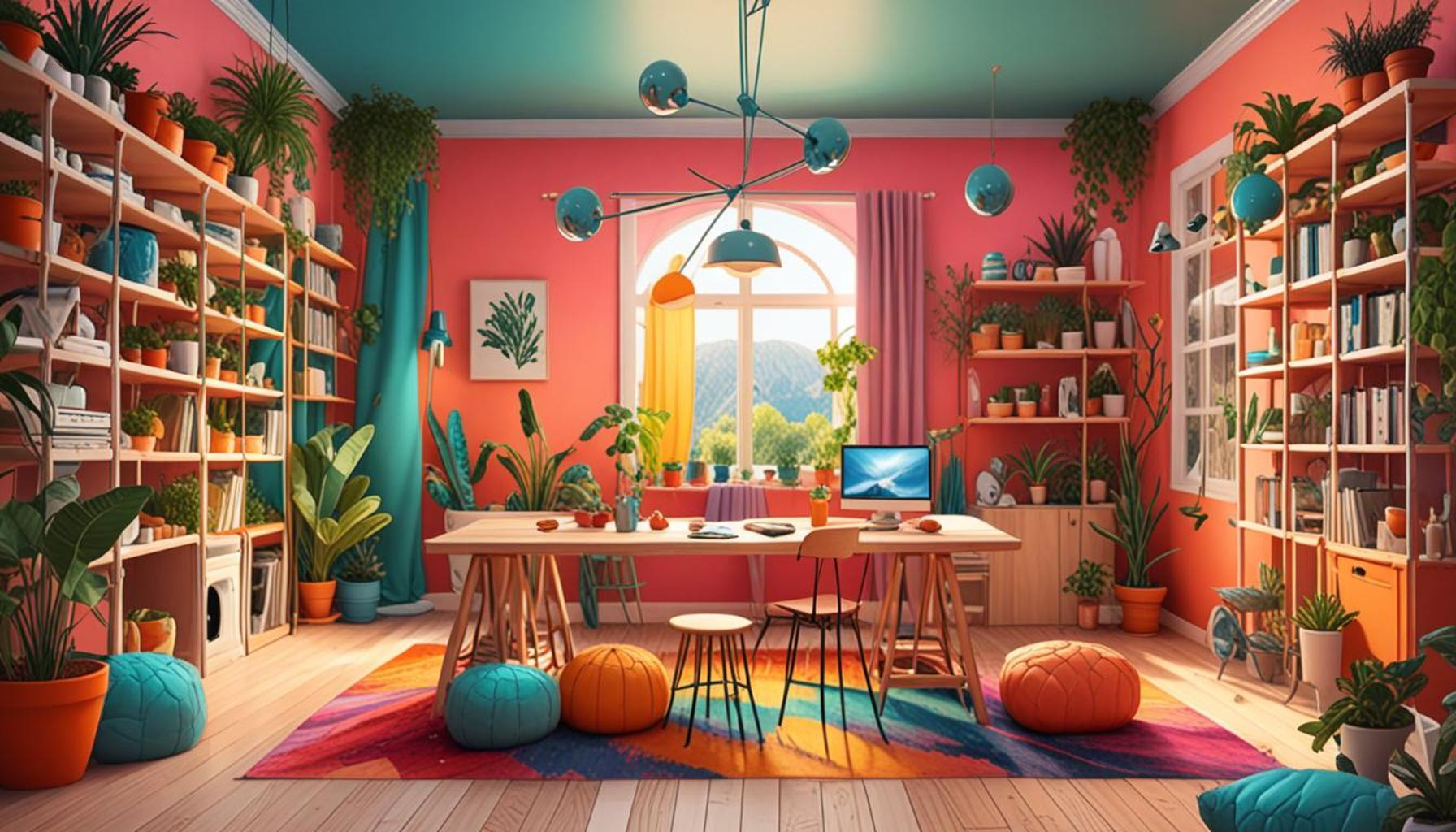
The Connection Between Conscious Consumption and Organized Spaces
In today’s fast-paced world, individuals are increasingly recognizing the significance of their choices. The practice of conscious consumption highlights a shift towards mindful shopping, sustainability, and purpose-driven purchases. This growing awareness is prompting consumers to think critically about the products they buy and how their purchasing decisions impact not only their personal well-being but also the environment and society as a whole.
But how do these consumption habits play into the organization of our living spaces? The way we curate our environments can dramatically affect our mental well-being and reflect our personal values. Consider the following aspects:
- Eco-friendly products: Choosing sustainable materials, such as bamboo or recycled metals, can create a positive impact on the planet while fostering a healthier home environment. For example, opting for non-toxic paint or organic textiles not only reduces harmful chemicals in your living space but also contributes to a more sustainable ecosystem.
- Minimalism: An organized space free from clutter can enhance focus and tranquility. Research indicates that an orderly environment can help reduce stress levels and improve productivity. By embracing minimalist principles—such as the ‘one in, one out’ rule—individuals can cultivate a serene atmosphere that aligns with their values, promoting mental clarity and emotional balance.
- Local sourcing: Supporting local artisans and businesses helps strengthen community connections. By purchasing handmade crafts or locally-produced furniture, consumers not only enjoy unique and high-quality items but also invest in their neighborhood’s economy. This practice can transform a house into a home filled with meaningful stories and a strong sense of connection to the community.
The interplay between our consumption habits and how we organize our environments brings forth a deeper understanding of our identities. A space that embodies our values not only fosters a sense of belonging but also encourages others to adopt similar practices. For instance, a home decorated with locally-sourced art and eco-conscious furniture can serve as a powerful statement, inspiring guests to consider their own choices.
As we delve into this topic, we will explore how intentional choices shape our surrounding spaces and promote a lifestyle that reflects our core beliefs. In addition, we will examine the psychological benefits of living in organized spaces that resonate with our values and how this approach can foster not only a harmonious home but also contribute to a more sustainable future. Join us on this journey to uncover the profound connection between conscious consumption and organized spaces, and learn actionable strategies to create environments that truly resonate with who we are.
DISCOVER MORE: Click here to transform your buying habits
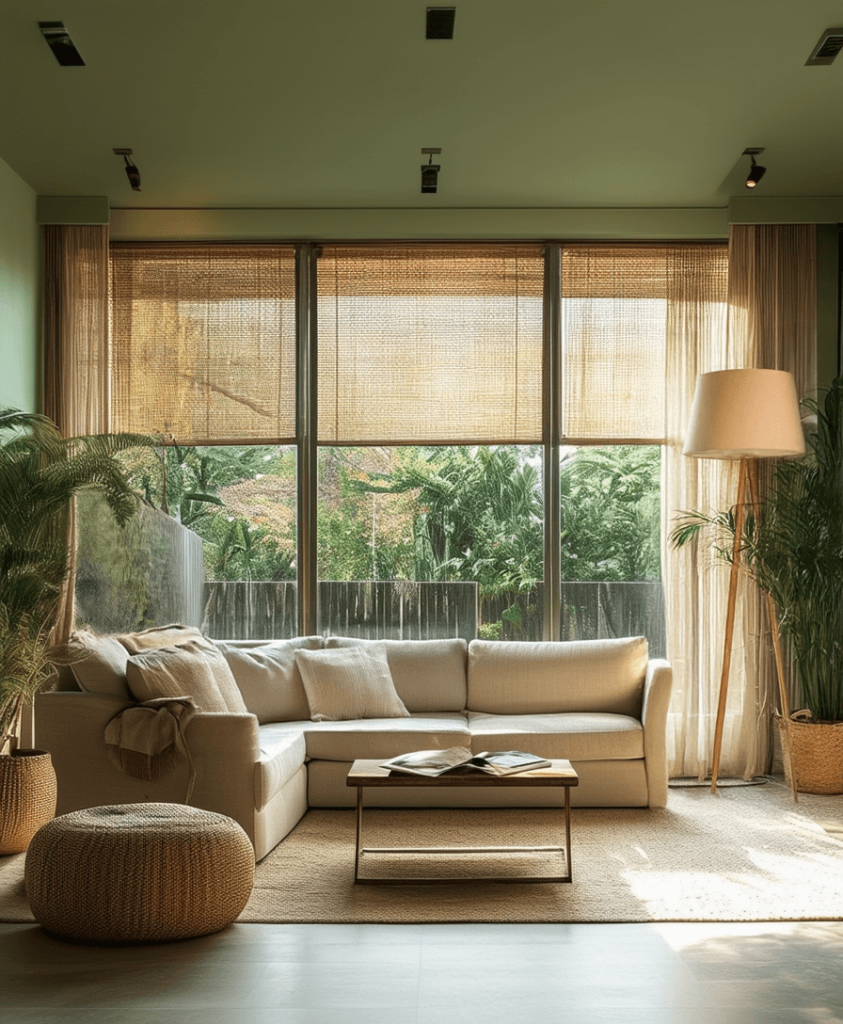
The Impact of Conscious Choices on Our Environments
As the trend of conscious consumption continues to gain traction, it prompts us to examine not only what we buy but also how those purchases shape our living spaces. The philosophy of mindful buying encourages individuals to prioritize quality over quantity, sustainability over disposability, and ethical production over mass-manufactured goods. This approach not only influences economic mindset but also lays the groundwork for creating organized environments that authentically reflect our core values.
When we make choices based on consciousness and intention, the ripple effect can be profound. This is particularly true when it comes to home organization and aesthetics. Let’s explore some of the key components of how embracing conscious consumption can lead to more organized and value-aligned spaces:
- Quality over Quantity: Opting for high-quality items can lead to fewer purchases over time. Investing in durable, timeless pieces—like a handcrafted wooden table or a meticulously crafted couch—means that clutter is minimized, and each item holds personal significance. When every piece in our home is valued, it not only enhances our environment but also elevates our overall well-being.
- Mindful Decor: The decor we choose should resonate with our values and beliefs. Incorporating items that have stories behind them—such as souvenirs from fair-trade markets or artwork from local artists—creates a captivating space that reflects our principles. Such decor items invite meaningful conversations and also encourage others to consider the stories behind their choices.
- Functional Design: Implementing storage solutions that prioritize organization can lead to a more serene living space. The “less is more” philosophy promotes simplicity, resulting in visually appealing areas that are easy to navigate. Using stacked baskets, multi-functional furniture, or built-in shelves can help maintain order while supporting a conscious lifestyle.
The benefits of creating organized spaces that align with our values extend beyond aesthetics. Research suggests that environments rich in meaningful, organized items can enhance our mental clarity and emotional stability. A serene, organized space fosters a sense of peace, influencing our well-being and productivity levels. Additionally, individuals often note an increase in motivation and creativity when surrounded by a thoughtfully curated environment.
Ultimately, the connection between conscious consumption and well-organized spaces reveals a powerful narrative about identity and intention. As we choose items that resonate with our values, we not only make statements about who we are but also inspire those around us to reflect on their own consumption habits. The simplicity of intentionally curated environments leads to more profound conversations about responsibility and sustainability, forging connections between individuals, communities, and the planet.
| Advantages of Conscious Consumption | Impact on Organized Spaces |
|---|---|
| Promotes Sustainability | Encourages long-lasting, quality items that enhance aesthetics. |
| Supports Ethical Brands | Creates environments that align with personal values and social responsibility. |
| Reduces Clutter | Encourages thoughtful purchases that lead to organized, serene spaces. |
| Enhances Mindfulness | Fosters a calm, clear environment conducive to focus and reflection. |
The connection between conscious consumption and organized spaces is pivotal in crafting environments that genuinely mirror our values. By choosing sustainable products, we not only reduce waste but also cultivate an atmosphere filled with purpose. The practice inherently drives us to select items that fit harmoniously within our surroundings, thereby supporting our holistic lifestyle. Items of quality over quantity create a more organized space, leaving room for serenity and clarity.Moreover, aligning purchases with ethical values positively influences our immediate environment. Each choice made within this mindful consumption approach has ramifications that extend beyond personal satisfaction; these decisions seep into our spaces, promoting a culture of awareness and accountability. As we work towards reducing clutter, the foundations of a well-organized space become solidified, each item taking its place both functionally and visually. Such organized settings were not just decluttered experiences; they reaffirmed our commitment to our values, making every home a reflection of conscientious living.
DISCOVER MORE: Click here to uncover the psychological benefits of decluttering
Transforming Spaces Through Conscious Consumerism
In addition to influencing our purchasing decisions, conscious consumption has a significant impact on the overall layout and function of our living environments. Understanding the ways in which our consumption choices dictate the arrangement of our spaces is key to creating homes that uphold our values. Let’s delve into additional facets of how intentional decisions can contribute to organized, meaningful settings:
- Choosing Locally-Sourced Materials: Selecting furniture and decor made from locally-sourced materials supports the community economy while reducing environmental impact associated with transportation. Products crafted from regional resources not only cut down on carbon footprints but can also bring a distinct sense of place into your home. Distinctive items that mirror local craftsmanship—such as handmade pottery or reclaimed wood furniture—create ambiance while fostering an awareness of the history behind each piece.
- Decluttering with Purpose: Embracing a conscious consumption mindset often leads to a dramatic shift in our relationship with material possessions. This shift is evident in the act of decluttering, which should not merely be about tossing items away but rather curating what truly serves us. By systematically assessing belongings through the lens of need and value, homeowners can create organized spaces that feel lighter and more intentionally crafted. Resources like Marie Kondo’s method encourage reflection on each item’s emotional significance, urging mindfulness in decision-making that harmonizes with conscious values.
- Rethinking Repurposing: A vital aspect of organized spaces influenced by conscious consumption is the practice of repurposing. Instead of discarding items, individuals can creatively find new uses for them, thereby reducing waste and embracing sustainability. For instance, a glass jar can be transformed into a chic storage container, while old clothing can be turned into quilts or decorative cushions. This not only supports an environmentally friendly ethos but also fosters a sense of individuality in one’s living space.
Furthermore, as consumers become more aware of the ecological repercussions of their choices, there emerges a stronger inclination to adopt sustainable practices. Many studies have highlighted the positive correlation between organized environments and psychological well-being, suggesting that individuals who actively engage in eco-conscious purchases and organization methods report lower stress levels and improved mental clarity. This transformation is crucial—embodied through spaces filled with meaningful, sustainable choices that invite relaxation and inspiration.
Moreover, conscious consumerism cultivates an environmental consciousness that can spill over into our community dynamics. An organized space adorned with ethically sourced decorations sparks discussion, encouraging friends and family to ponder their consumption habits. This dialogue around sustainability and mindful living can ripple through social networks, prompting more individuals to consider their purchasing habits with intention.
The growing trend of incorporating plants and natural elements into our homes further reflects this connection between consciousness and organization. Biophilic design—a concept rooted in the innate human connection to nature—promotes the inclusion of greenery which has been shown to improve air quality and promote tranquility. When consumers choose to incorporate plants with care and purpose, they propagate an organized ambiance while reinforcing a commitment to both environmental and personal health.
DISCOVER MORE: Click here for essential tips
Conclusion: Harmonizing Values and Spaces
In a world increasingly defined by our consumption habits, the synergy between conscious consumption and organized spaces emerges as a vital narrative. By choosing products that resonate with our values, from locally-sourced materials to repurposed items, we not only enhance the aesthetic of our homes but create environments that are fundamentally more aligned with our personal ethics. The act of decluttering, rooted in mindfulness, encourages a harmonious relationship with our belongings, allowing for spaces that exude simplicity and clarity. This intentionality transcends aesthetics; it fosters emotional well-being and cultivates a sense of belonging.
The ripple effect of such practices is profound. When we create spaces that reflect sustainability and thoughtfulness, we spark conversations around conscious living within our communities. An organized home, adorned with thoughtfully selected items, can serve as an invitation for others to examine their consumption habits, creating a network of awareness that promotes broader societal change. Furthermore, integrating natural elements through biophilic design not only enhances our physical environments but also nurtures our psychological health, underscoring the importance of blending nature and design in our lives.
As we redefine what it means to live consciously, we unlock doors to richer, more meaningful spaces that honor both our values and the planet. Embracing this connection not only transforms our homes into sanctuaries that promote well-being but inspires a substantial shift towards more sustainable communities. Engaging with conscious consumption and organized living offers a pathway to harmonize our actions with our beliefs, ultimately crafting environments that are as dynamic and diverse as the stories they tell.