The Creation of Intentional Spaces: How Minimalism Can Transform Your Home
In an increasingly chaotic world, the concept of intentional spaces resonates deeply. This philosophy embraces the idea of cultivating your home by purposefully selecting elements that truly enrich your life. By focusing on what is essential, you can create an atmosphere that not only reflects your personality but also supports your well-being. One of the most impactful approaches to this transformation is minimalism, a concept that enables individuals to reclaim both their physical and mental space.
What Does Minimalism Offer?
Imagine living in a home that embodies clarity, tranquility, and purpose. Minimalism can provide a slew of benefits that transcend mere aesthetics:
- Reduced Clutter: By removing items that don’t serve a meaningful purpose, you can enjoy a more organized environment. For example, consider the joy of clearing out your closet and donating clothes that no longer fit your lifestyle.
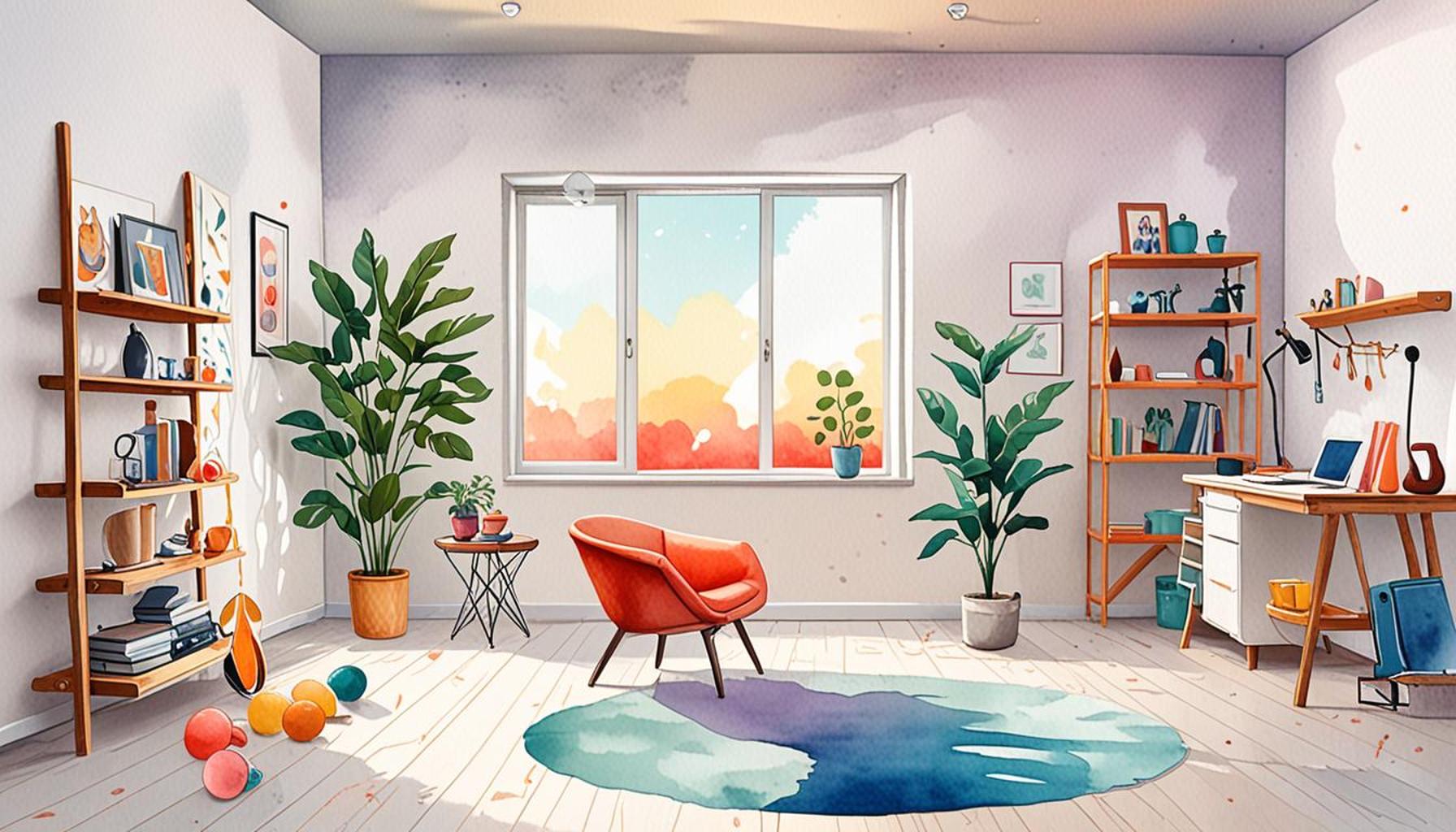
- Enhanced Serenity: A minimalist space fosters a sense of peace. Think of a simple, dimly lit room with serene colors, minimal furniture, and plants—the absence of distraction can help you unwind after a long day.
- Improved Focus: Streamlined environments promote concentrated thought. With fewer distractions around, you may find that you are better able to focus on work, study, or even hobbies that ignite your passion.
However, the benefits of minimalism extend beyond the visual appeal; it also represents a lifestyle shift. Embracing fewer possessions allows you to prioritize experiences over material goods, cultivating a sense of presence and mindfulness in your daily routines. Imagine spending weekends hiking or exploring local art galleries rather than shopping for more items you may not need.
How to Get Started
Embarking on the journey toward a minimalist home doesn’t have to feel overwhelming. To begin, consider the following steps:
- Evaluating what items you truly need: Start with small areas like a drawer or a shelf and ask yourself if each item adds value. This simple assessment can reveal surprising insights into your habits.
- Creating designated areas for reflection and relaxation: Design a cozy reading nook with a comfortable chair and a small bookshelf. Having a dedicated space can encourage more mindful moments in your day.
- Incorporating sustainable materials that enhance your environment: Opt for furniture made from reclaimed wood or eco-friendly fabrics. These choices not only reduce your ecological footprint but also contribute to a serene aesthetic.
As you delve deeper into this journey, you will uncover how minimalism can significantly enhance your quality of life. It’s a gateway to discovering what truly matters to you, and the intentional spaces you create can serve as a nurturing force in your daily existence. The time is now to explore how embracing minimalism can enrich your life in profound and meaningful ways.
DISCOVER MORE: Click here to enhance your daily routine
Embracing the Minimalist Mindset
To fully harness the power of minimalism, it is essential to adopt a mindset that values simplicity and intentionality. This philosophy extends beyond merely decluttering physical objects; it encourages a broader examination of our lifestyles, choices, and even relationships. In the realm of home design, the minimalist approach fosters an environment where every item has a defined purpose—an idea that can significantly enhance both your living space and personal well-being.
Prioritizing Quality Over Quantity
One of the core principles of minimalism is the belief that quality should always outweigh quantity. This perspective invites you to invest in fewer but more meaningful possessions. Choosing a beautifully crafted piece of furniture or handmade decor item over multiple mass-produced accessories not only elevates your space aesthetically but can also contribute to a more robust emotional connection with your home. Consider the following examples:
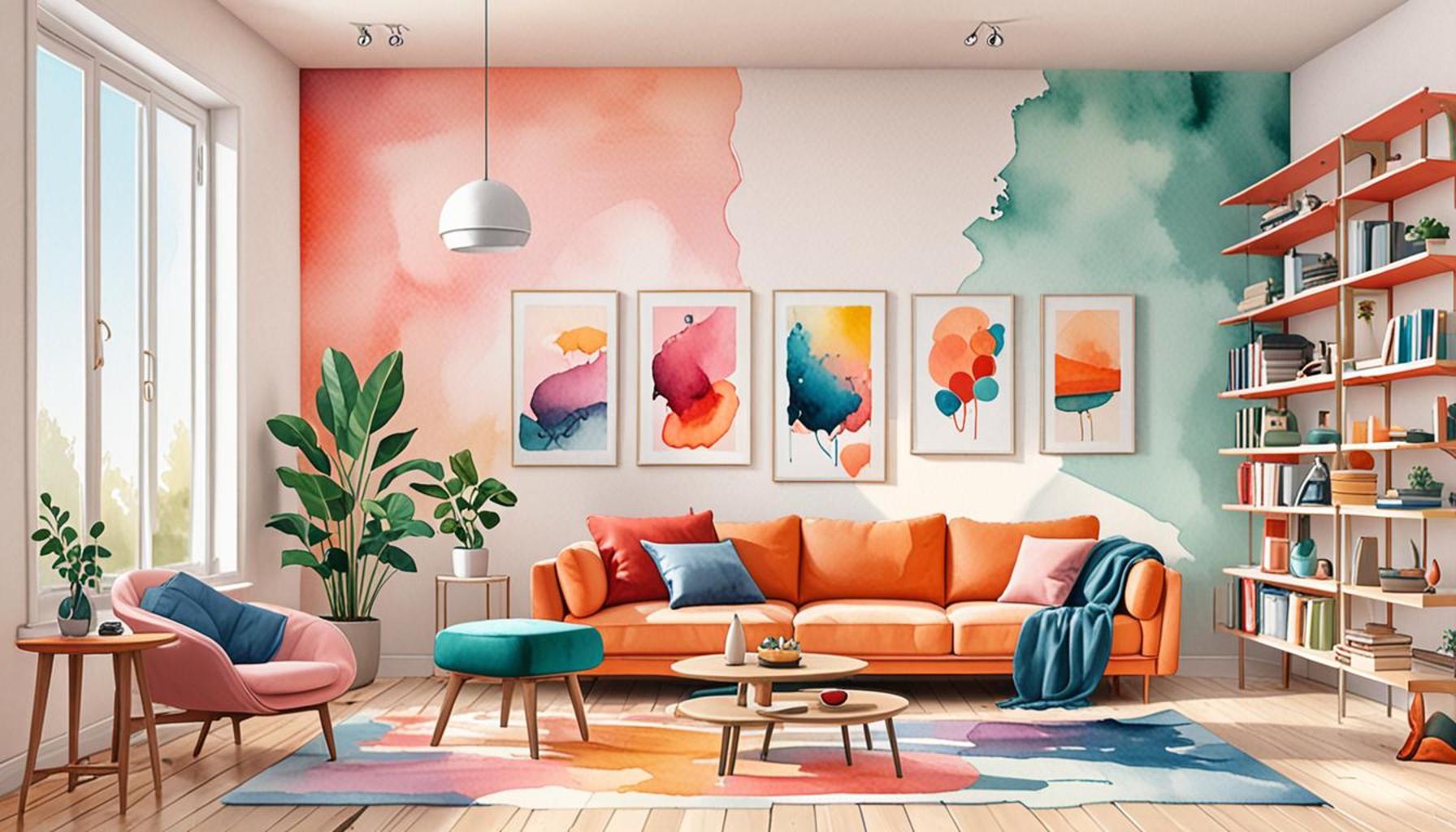
- Artistic Expression: Instead of filling your walls with generic prints, select artwork that resonates with you personally—pieces that tell a story or evoke a memory, thus creating a more intentional atmosphere.
- Functional Furnishings: Invest in versatile furniture that serves multiple purposes, such as a stylish coffee table that doubles as a storage unit. This practical approach can immediately reduce clutter while enhancing the functionality of your living space.
- Sentimental Keepsakes: Curate a collection of items that hold sentimental value. For instance, a few treasured family photographs displayed thoughtfully can make your home feel warm and welcoming, while ensuring that each piece contributes to the overall narrative of your space.
Minimalism encourages an ongoing dialogue between you and your environment. When you prioritize quality, you create an engaging space where meaningful interactions flourish. Furthermore, this shift in focus can lead to lasting connections with your belongings, igniting gratitude rather than overwhelming attachment.
Defining Your Intentional Space
Creating an intentional space involves clear definitions of what works best for you individually. Start by reflecting on the functions you want each area in your home to serve. For example, your living room can be tailored for relaxation, creativity, and social gatherings, whereas your bedroom can become a sanctuary for rest. By aligning your design choices with these intentions, you lay the groundwork for a harmonious living environment.
Consider how the use of color, lighting, and layout can complement these goals. Drafting a plan for your spaces not only streamlines the design process but also enhances your understanding of your own needs and desires. In this transformation journey, it’s crucial to approach every element with intentionality, ensuring that every choice you make is a reflection of your values and lifestyle.
By embracing this minimalist mindset, you will discover how surrounding yourself with carefully chosen items, rooted in purpose, can profoundly transform your home into an intentional space that nurtures your well-being and unleashes your potential.
| Advantage | Description |
|---|---|
| Clarity and Focus | Minimalism in your home fosters a sense of clarity by reducing distractions, enabling you to focus on what truly matters. |
| Enhanced Aesthetics | With intentional spaces, your home can achieve modern, sleek designs that promote peace and creativity, reflecting your personal style. |
| Improved Well-being | Simplifying your environment contributes to better mental health by reducing stress associated with clutter. |
| Sustainability | Embracing minimalism encourages sustainable living by emphasizing quality over quantity, allowing for eco-friendly choices. |
As you delve deeper into the world of minimalism, consider how these advantages can redefine not just your spaces but your life. The intentional choices you make in decor and organization lead to a more purposeful existence. Whether through a tranquil workspace or a serene bedroom, minimalism can help cultivate environments that allow for enhanced creativity and productivity. Explore further how each of these elements can contribute significantly both to your lifestyle and home aesthetics.
DISCOVER MORE: Click here to enhance your productivity
Design Principles for Intentional Spaces
As you begin to reimagine your home through the lens of minimalism, it is crucial to consider several design principles that can help facilitate the creation of intentional spaces. These principles revolve around clarity, balance, and functionality, serving to refine your living environment while enhancing your overall lifestyle.
Clarity Through Open Spaces
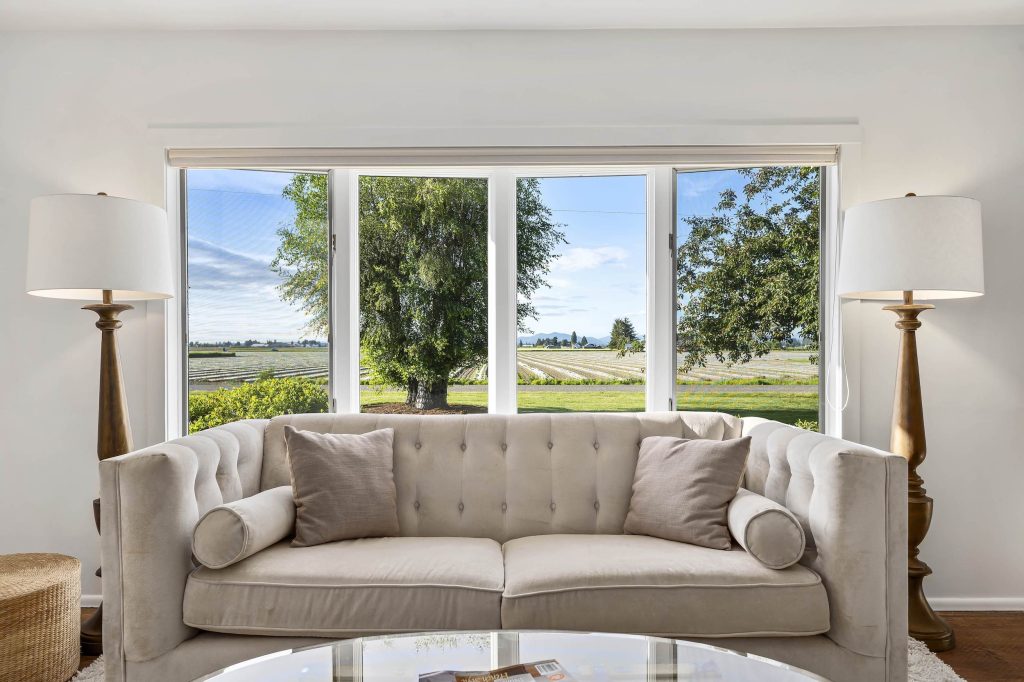
One of the simplest yet impactful changes you can make is to adopt an open-plan design ethos in your home. Open spaces foster a sense of peace and relaxation, allowing natural light to flow freely and visually expanding the environment. By minimizing physical barriers, such as unnecessary walls or bulky furniture, you create an area where your mind can wander and ideas can flourish. For example, consider reconfiguring a cramped kitchen by removing non-structural partitions to create a seamless interaction with an adjacent living area—this encourages both socialization and ease of movement.
Balance with Color and Texture
Minimalism isn’t synonymous with a monotonous color palette; rather, it embraces the art of balance between color and texture. Neutral base colors such as whites, greys, and earth tones set a tranquil foundation, while strategically placed accents in richer hues can invigorate a space. Using a variety of textures—think smooth cottons, coarse woods, and sleek metals—can also add depth and interest without overwhelming the senses. This balance not only nourishes aesthetics but also nurtures an emotional atmosphere within your home.
Functional Zones: Space for Every Activity
Another core aspect of minimalist design is carving out functional zones tailored to the specific activities you engage in daily. Instead of viewing a room as a single entity, break it down into distinct areas that serve individual purposes. For instance, a living room can be organized into a cozy reading nook, a game area, and a conversation space. Utilize effective furniture arrangements and multi-functional pieces—such as an ottoman that can provide both a footrest and hidden storage—to optimize space while maintaining clarity and simplicity.
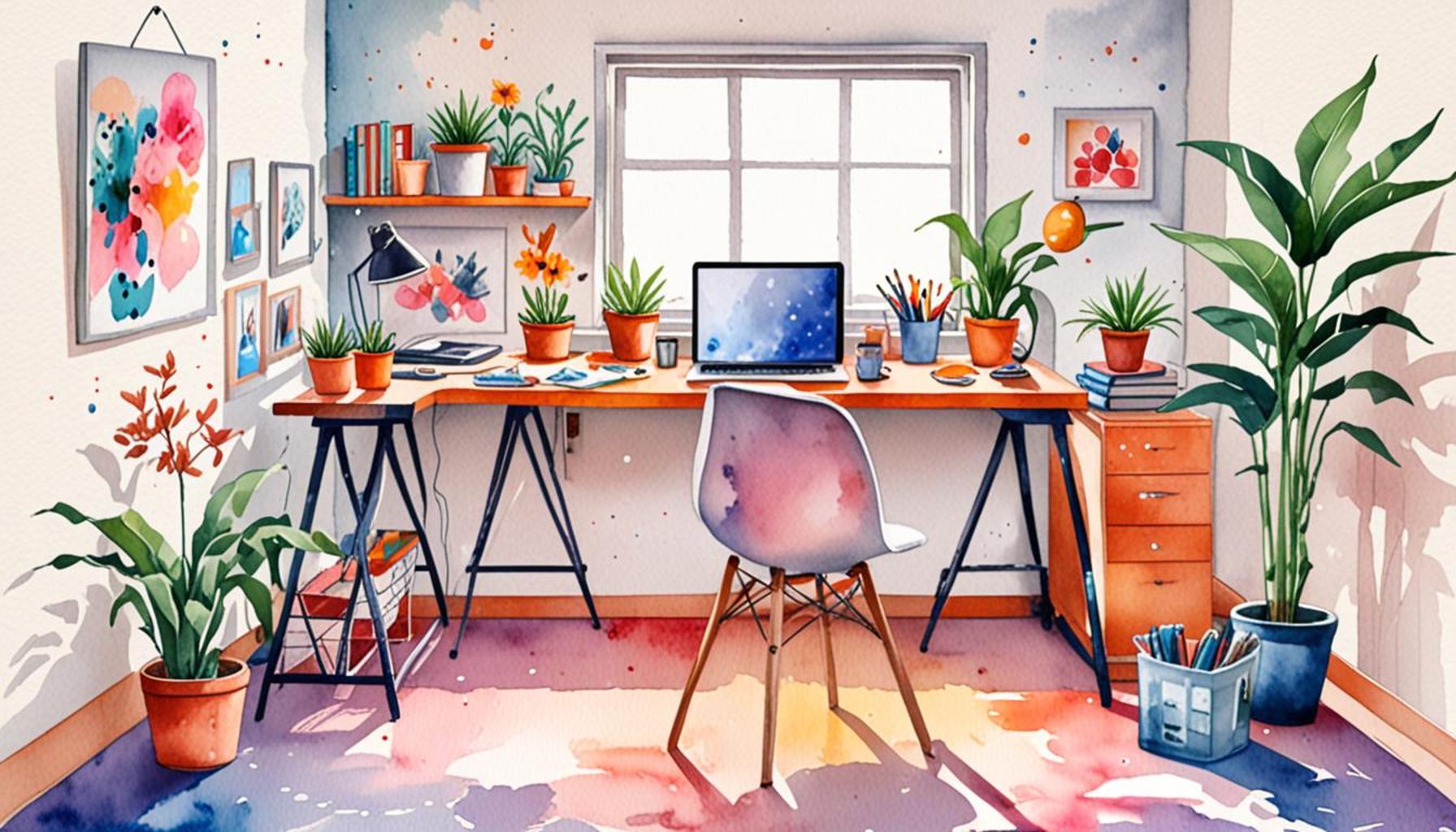
- Defined Workspaces: In multifaceted homes, it’s essential to create a dedicated workspace. This could be achieved by incorporating a simple desk, complete with minimal supplies, in a quiet corner of the living area. An intentional workspace not only enhances productivity but encourages a focused mindset.
- Harmonious Outdoors: Don’t forget about outdoor spaces. A minimalist approach extends to patios and balconies, where strategically placed furniture, such as a single table with chairs, allows for intimate gatherings and quiet afternoons without clutter.
As you implement these design principles, remember that shifting towards minimalism is a journey rather than a destination. Each adjustment you make to create intentional spaces in your home is a step toward a more fulfilling and tranquil lifestyle. The aim is not just to have less, but to embrace the philosophy that every item, every element, and every layout should elevate your daily experience.
DISCOVER MORE: Click here to dive deeper
Conclusion: Embracing Minimalism for a Transformed Living Experience
In an ever-bustling world, the principles of minimalism offer a refreshing escape that not only beautifies your home but also enhances your quality of life. By consciously prioritizing intentional spaces, you can cultivate an environment that reflects your true self, fosters deep connections, and encourages mindfulness in daily activities. As we’ve explored, the key elements of minimalism—clarity, balance, and functionality—serve as a transformative foundation, guiding you in decluttering both your physical and mental space.
Employing open layouts invites serenity and spaciousness, while a harmonious use of color and texture enriches the visual experience without chaos. The creation of functional zones allows you to tailor your home to suit your unique lifestyle, where each corner serves a specific purpose, thus improving efficiency and focus. Ultimately, the journey toward a minimalist home is not merely a design choice; it is a commitment to intentional living.
As you embark on this transformative path, remember that minimalism is a continuous process. It encourages thoughtful consideration of every item in your home, leading you to question not only its utility but also its emotional value. The challenge lies in letting go of the superfluous and embracing a lifestyle centered around clarity and peace. In a country as diverse as the United States, varying traditions and styles can meld with minimalist principles, creating personalized sanctuaries that resonate deeply with their inhabitants.
In conclusion, minimalism can significantly influence how we experience our homes. By fostering intentional spaces, you pave the way for a life enriched by quality moments rather than mere possessions. As you cultivate your home into a reflection of yourself, take the time to appreciate the beauty of simplicity, and invite the joy that comes from living intentionally.