The Influence of Minimalism in Fashion: How Dressing Simply Can Redefine Your Personal Style
Exploring Minimalism in Fashion
In an era of overwhelming choices and fast fashion, minimalism in fashion emerges as a refreshing approach. This philosophy promotes the idea of simplifying one’s wardrobe to enhance personal style and eliminate clutter. As consumers increasingly seek authenticity and sustainability, simplicity in fashion speaks to a broader cultural shift where less truly is more.
Embracing the Essence of Minimalism
By focusing on fewer items, individuals can:
- Define their unique style through quality over quantity.
- Save time in daily routines by reducing decision fatigue, making it easier to choose outfits in the morning.
- Invest in sustainable fashion that impacts both their wardrobe and the planet, supporting ethical brands and sustainable materials.
Minimalism encourages a profound shift from excessive consumption to intentional selections. For instance, individuals might choose a versatile white shirt, a tailored blazer, or a pair of well-fitted jeans, which can each be styled in numerous ways. This approach not only creates a chic look but also reduces the impulse to buy trendy pieces that may fall out of fashion quickly.
Consider these features that highlight minimalism’s influence:
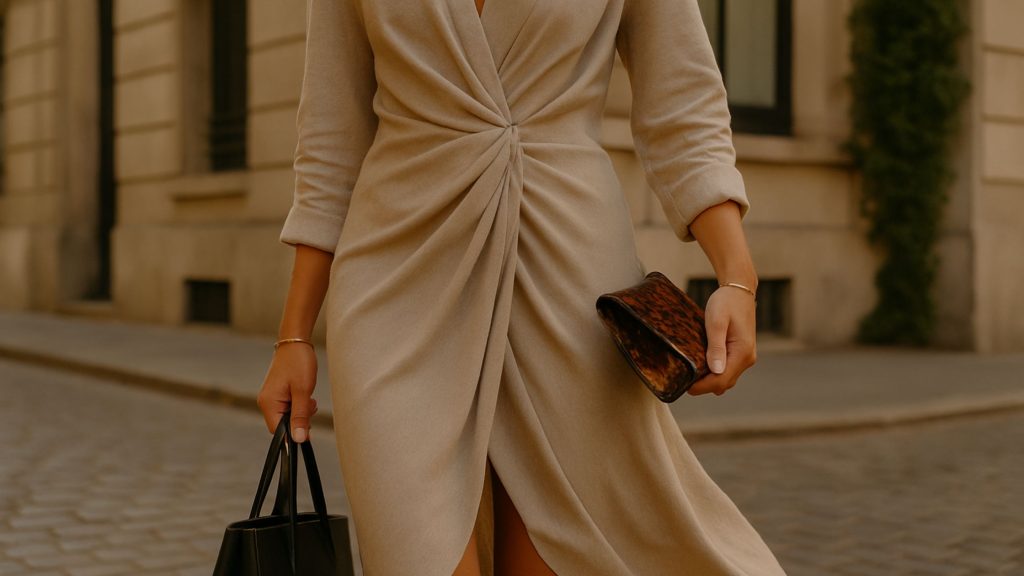
- Neutral palettes and timeless pieces create a cohesive wardrobe, making outfits easily interchangeable. Colors like black, white, beige, and gray dominate this style, providing a canvas for elegant combinations.
- Layering techniques allow for multiple looks with fewer items, enabling wearers to adapt outfits to various occasions, from casual brunches to formal meetings, simply by adding a scarf or changing shoes.
- Personal expression becomes clearer when distractions are minimized. With fewer items to choose from, individuals can focus on selecting pieces that genuinely reflect their personality and values.
The simplicity of minimalist fashion not only reflects a personal aesthetic but also speaks volumes about a mindful lifestyle. The fashion industry has seen a rise in brands like Eileen Fisher and Everlane, which emphasize ethical production practices and encourage consumers to invest in long-lasting pieces rather than disposable trends. As we explore this concept further, we’ll uncover how these principles can redefine your fashion choices and identity, enhancing not just your style but also your environmental consciousness.
In conclusion, embracing minimalism in fashion is more than just a trend; it’s a holistic approach to self-expression and sustainability. By thoughtfully curating a wardrobe that values quality and versatility, individuals not only elevate their personal style but also contribute to a more responsible fashion landscape. Thus, the minimalist movement empowers wearers to reclaim their time, space, and identity in an increasingly noisy world.
DIVE DEEPER: Click here to discover the secrets of decluttering
Unveiling the Principles of Minimalist Fashion
To grasp the true essence of minimalism in fashion, it is crucial to understand its core principles. This transformative approach fundamentally challenges the traditional notions of style by advocating for a simplified, yet profound, aesthetic. A minimalist wardrobe is built upon the foundation of essential, high-quality pieces that serve both form and function. By concentrating on less is more, individuals can cultivate a cohesive and timeless look that transcends fleeting trends.
The Building Blocks of a Minimalist Wardrobe
Creating a minimalist wardrobe begins with selecting versatile items that can be mixed and matched effortlessly. Here are key components to consider:
- Quality Over Quantity: Investing in well-crafted, durable clothing not only enhances personal style but also promotes sustainability. Brands such as Everlane and Reformation are pioneers in this realm, offering classic staples made from eco-friendly materials.
- Adaptable Shapes: Loose-fitting silhouettes, structured blazers, and tailored trousers form the backbone of a minimalist wardrobe. These adaptable pieces can be dressed up or down, ensuring versatility across different settings, from the office to a night out.
- Signature Accessories: Accessories play a crucial role in minimalist fashion. A single statement watch, a leather tote, or a pair of hoop earrings can elevate an outfit without overwhelming the overall look.
Moreover, the emphasis on neutral colors and simple patterns makes it easy to build a harmonious wardrobe. Colors like soft whites, muted grays, and deep blacks serve as a blank canvas for personal expression. By opting for these shades, individuals reduce the visual noise, allowing their true style to shine through.
The Psychological Impact of Minimalism
Beyond aesthetic appeal, embracing minimalist fashion can have significant psychological benefits. Many people experience decision fatigue when faced with an overabundance of clothing options, leading to stress and indecision. Simplifying one’s wardrobe can reduce this daily dilemma. A curated selection of go-to outfits streamlines the decision-making process, fostering greater confidence in personal style choices.
Furthermore, the act of dressing simply encourages mindfulness. It invites individuals to engage with their clothing more intentionally, fostering a deeper connection to the items they choose to wear. This shift from consumerism to intentionality not only redefines personal style but also reinforces individual values of sustainability and self-expression. Taking these steps can create a lasting impact, leading to a more fulfilling relationship with fashion.
As we delve deeper into the influence of minimalism in fashion, it becomes evident that this trend is more than just a stylistic choice; it is a movement that encourages individuals to reclaim their time, energy, and ultimately, their identity.
The Advantages of Minimalism in Fashion
Adopting a minimalist approach to fashion can significantly reshape your personal style. Minimalism isn’t just about a reduction in visual clutter but rather about creating a cohesive wardrobe that enhances your individuality. Let’s explore some of the compelling advantages of dressing simply.
| Category | Benefits |
|---|---|
| Simplicity | Simplicity fosters clarity in style, allowing personal attributes to shine. |
| Versatility | Minimalist pieces are versatile, enabling endless outfit combinations for various occasions. |
| Sustainability | A minimalist wardrobe promotes more sustainable fashion choices, leading to less waste. |
These advantages underline the potential of minimalism to offer not merely a shift in aesthetic but a fundamental redefinition of how we perceive and engage with fashion. By simplifying your wardrobe, you can unlock a more authentic expression of yourself, inviting curiosity and admiration.
Diving deeper into how minimalism can shape various aspects of your life also showcases its role in reducing decision fatigue and enhancing your overall wellbeing. In a world overwhelmed by choices, minimalism stands as a refreshing way to embrace your personal style without the clutter.
Embracing Wardrobe Consciousness
The minimalist fashion movement goes beyond simply curating a collection of essential pieces; it encompasses a broader philosophy known as wardrobe consciousness. This concept encourages individuals to be more mindful about their clothing choices and the implications associated with them, including environmental sustainability, ethical production, and personal wellbeing. By fostering wardrobe consciousness, people can align their fashion sense with their values and make informed choices that contribute to a positive impact.
Making Sustainable Choices
In recent years, the call for sustainable fashion has grown louder, with minimalism at the forefront of this important dialogue. Research indicates that the fashion industry is among the largest contributors to global waste, with an estimated 92 million tons of textile waste generated each year. Minimalist fashion advocates prioritize quality and longevity over fast fashion, encouraging people to invest in pieces that are not only stylish but also ethically sourced and produced.
Brands like Patagonia and Outerknown exemplify this commitment to sustainability, offering sustainable clothing options that emphasize durability and ethical manufacturing processes. Embracing these brands and similar alternatives encourages a fashion culture that prioritizes respect for the planet while embracing timeless design.
Personal Style Evolution through Minimalism
One of the most enlightening aspects of adopting minimalism in fashion is its potential to pave the way for personal style evolution. By concentrating on fewer, but highly curated pieces, individuals often discover unique ways to express themselves through their wardrobe. As they explore the versatility of their minimalist staples, their styles can adapt and grow, allowing them to experiment with various combinations and silhouettes. For instance, a classic white button-down shirt, when paired with tailored trousers or a flowy skirt, can convey professionalism and sophistication; yet, when styled with distressed jeans and sneakers, it can effortlessly deliver a casual weekend vibe.
Moreover, minimalist fashion encourages experimentation with textures and layers. Using unexpected pairings, such as combining a soft cashmere sweater with a structured leather skirt, can create an intriguing contrast that highlights individual creativity. This adaptability makes minimalism an inviting avenue for anyone looking to redefine their style beyond the superficiality of trends.
The Intersection of Technology and Minimalist Fashion
Advancements in technology further enhance the minimalist fashion movement by facilitating more sustainable practices. Mobile apps like Cladwell and Shop Your Wardrobe assist users in organizing their wardrobes, providing personalized outfit suggestions based on the individual items they own and encouraging mindful consumption. These innovative platforms emphasize the power of wearing and re-wearing items, challenging the culture of overconsumption that has plagued the fashion industry for decades.
Additionally, brands increasingly utilize technology to lower their environmental footprint through practices like 3D printing and on-demand production. Such methods can significantly minimize waste, aligning closely with minimalist values while meeting consumer demand for unique, personalized items. By grasping the intersection of technology and fashion, consumers can embrace minimalism without sacrificing style.
In a world saturated with choices, minimalism in fashion stands out as a transformative movement that not only impacts personal style but also nurtures a deeper connection to clothing, encourages sustainability, and leverages technological advancements for an eco-conscious future. The journey toward a simplified wardrobe is a testament to the power of intentionality, opening doors to both creativity and self-affirmation.
Conclusion: Redefining Style through Minimalism
The journey into minimalism in fashion offers a refreshing perspective on how clothing can be an extension of values rather than just a means to adhere to fleeting trends. By embracing wardrobe consciousness, individuals cultivate a more meaningful relationship with their clothing, where each piece tells a story of sustainability, ethical production, and personal expression. This transformation encourages a deeper sense of responsibility, leading to choices that not only enhance the wearer’s identity but also reflect a commitment to environmental stewardship.
As we witness a growing demand for sustainable practices, the minimalist approach brings a necessary shift in the conversation around fashion consumption. Investing in durable, ethically made pieces not only supports a healthier planet but allows individuals to curtail the clutter of fast fashion—thereby unlocking creativity within their wardrobes.
The integration of technology further amplifies this minimalist ethos, enabling consumers to curate their wardrobes intelligently and mindfully. With tools like clothing management apps and advanced manufacturing techniques, the fashion landscape is rapidly evolving into one that values personalization without excess.
Ultimately, minimalism in fashion is not just about reducing quantities; it is about celebrating the quality and versatility of what we wear. By prioritizing simplicity, we can redefine our personal style in a way that is not only aesthetically pleasing but also resonates with our core beliefs. Adopting this philosophy invites people to explore a world where less truly is more—a world where every outfit reflects intention, creativity, and a mindful lifestyle.