The Influence of Minimalism on the Creation of Intentional Spaces for Meditation and Self-Care
Embracing Minimalism for Mental Clarity
In our increasingly chaotic environments, the allure of minimalism has emerged as a powerful antidote to the clutter of modern life. The essence of minimalism encompasses not only the visual aspect of reduced possessions but also the profound impact it has on mental and emotional health. Particularly in spaces designed for meditation and self-care, minimalism fosters a serene environment conducive to introspection and healing.
Clarity of Mind
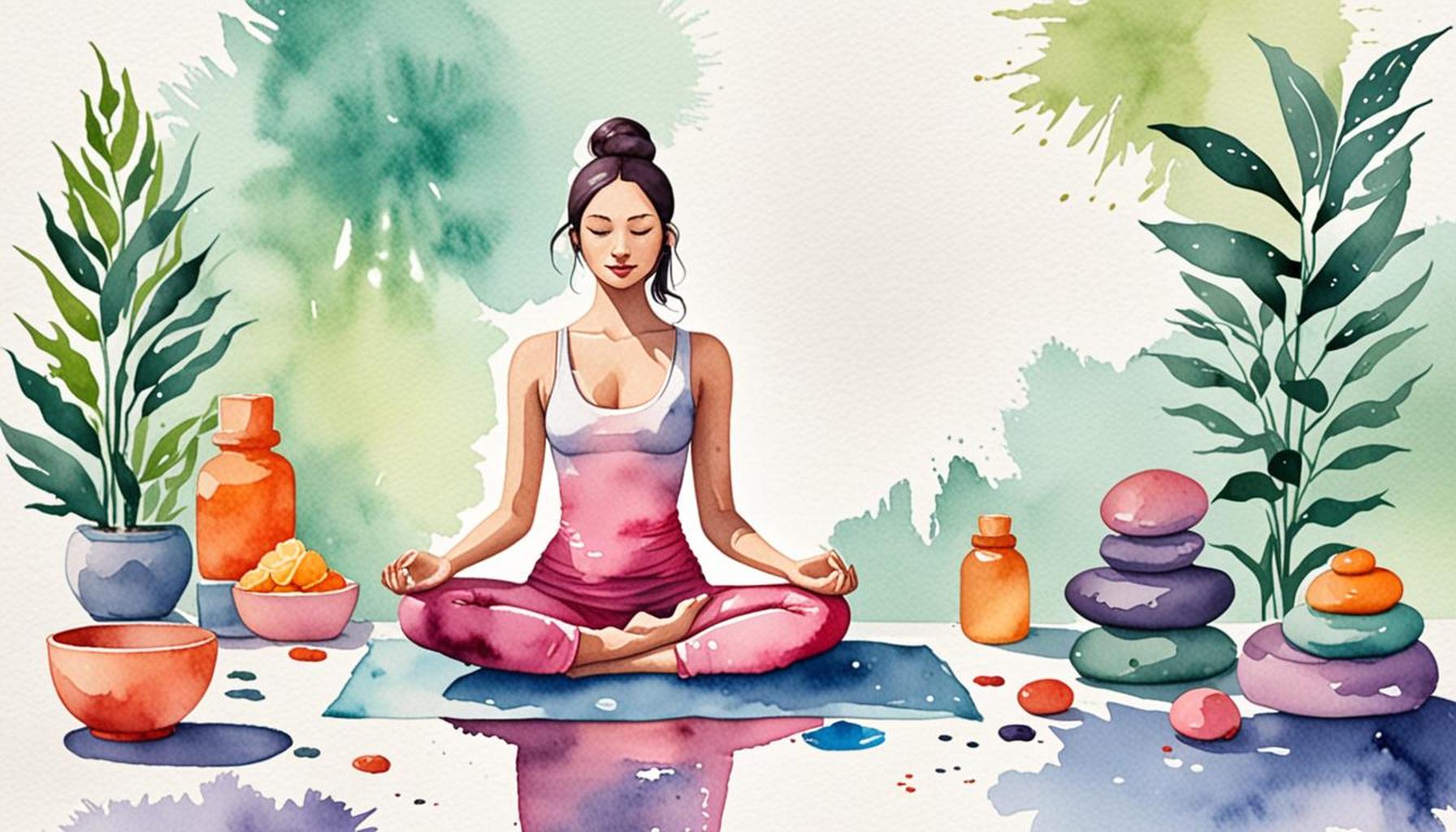
One of the primary benefits of adopting minimalism in meditation areas is the clarity of mind it cultivates. When the environment is stripped of distractions, individuals often find it easier to focus on their breath or the present moment. For example, a simple meditation nook with just a comfortable cushion and soft lighting can help eliminate sensory overload, allowing thoughts to settle and peace to blossom. Research indicates that a clear physical space can contribute to clearer mental pathways, leading to enhanced problem-solving capabilities.
Enhanced Focus
In a world filled with notifications and constant demands, enhanced focus is a precious commodity. Minimalism encourages mindful engagement with the present by reducing the number of stimuli vying for attention. By creating a minimalist meditation space—perhaps with only a few carefully chosen items like crystals, plants, or candles—practitioners can direct their energy towards their mindfulness practices rather than being sidetracked by surrounding clutter. The result is a deeper, more transformative meditation experience.
Visual Serenity
A minimalist approach yields visual serenity, which is vital for self-care rituals. Consider the calming effect of a clean, uncluttered bathroom decorated in soft, muted tones versus one filled with excess products and decor. The former invites relaxation and rejuvenation, making it a perfect environment for self-pampering and reflection. Simple design elements such as natural light, minimal decor, and open spaces contribute significantly to this sense of tranquility.
As awareness of personal wellness continues to grow in the United States, the architecture of our living and healing spaces will become even more crucial. Minimalist principles encourage an exploration of not only our physical environments but also our emotional landscapes. By fostering spaces that are stripped of excess, we pave the way for greater self-awareness and holistic health.
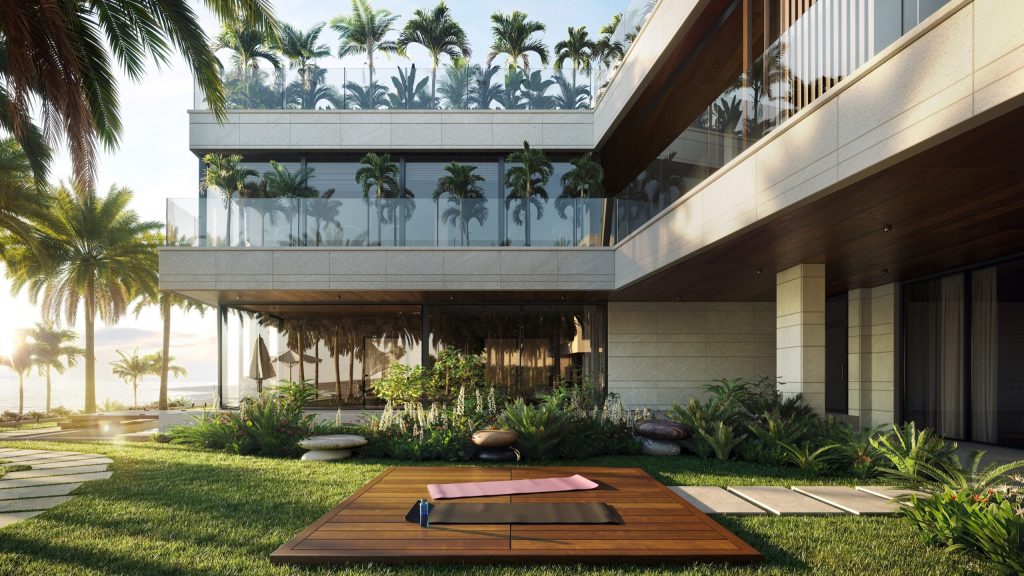
Ultimately, embracing minimalism in meditation and self-care spaces is not merely a trend but a life-altering philosophy. By focusing on intentional living, individuals can create environments that promote focus, clarity, and serenity. In the coming sections, we will delve deeper into the design elements that reflect this philosophy and explore the emotional benefits achieved through incorporating minimalism into daily practice.
DISCOVER MORE: Click here to learn how to declutter your life
Designing Intentional Spaces for Mindful Practice
The practice of meditation and self-care is deeply rooted in the creation of intentional spaces that nurture mental and emotional well-being. Minimalism, with its emphasis on simplicity and intentionality, plays a crucial role in shaping these environments. By focusing on the essentials, individuals can transform ordinary areas into sanctuaries of peace and reflection. The following elements illustrate how minimalism influences the design of these vital spaces.
Intentional Arrangement
In minimalism, the arrangement of space is pivotal. By consciously selecting the placement of objects within a meditation or self-care area, one can foster a sense of harmony and flow. Key aspects to consider include:
- Symmetry and Balance: Arranging elements in a balanced manner can create a feeling of stability. This can help enhance the meditative process by promoting a tranquil environment.
- Open Space: Allowing for wide open areas can prevent feelings of confinement and promote freedom of movement, essential for activities like yoga and stretching that complement meditation practices.
- Negative Space: The use of negative space—areas intentionally left vacant—can invite calmness. This technique can facilitate a focus on inner thoughts and provide a mental ‘breath’ amidst the busy swirl of life.
Thoughtful Color Palettes
The colors chosen for an intentional meditation space can evoke specific emotions and influence mental states. A minimalist approach embraces muted and natural tones that encourage tranquility without overwhelming the senses. Shades like soft blues, gentle greens, and warm neutrals can:
- Promote Relaxation: Cool tones can help lower heart rates and induce a sense of calm, leading to a more effective meditation session.
- Enhance Focus: A cohesive palette minimizes distractions, allowing the practitioner to immerse fully in their mindfulness practice.
- Encourage Connection with Nature: Earthy colors can help bridge the gap between indoor and outdoor spaces, fostering a connection with the natural world, which is vital for self-care.
Functional Decor
Another significant aspect of creating intentional spaces with minimalism is the selection of functional decor. Each item within a meditation or self-care area should serve a purpose and contribute to the overall ambiance. Some examples include:
- Essential Oils: A small diffuser with calming scents can aid in relaxation and improve the overall atmosphere.
- Natural Materials: Items made from wood, stone, or cotton can enhance tactile comfort, making a space more welcoming.
- Mindful Art: A single piece of art that inspires reflection or embodies tranquility can be a focal point, guiding meditative thought without introducing clutter.
In summary, adopting minimalism in the creation of intentional spaces for meditation and self-care not only reflects a commitment to mental clarity but also invites individuals to engage in deeper, more fulfilling practices. As we explore further the intersection of minimalism and well-being, we uncover a method that is not only functional but transformative. Looking forward, this article will delve into the emotional benefits that arise from these thoughtfully designed spaces.
The rise of minimalism significantly enhances the creation of intentional spaces dedicated to meditation and self-care. As the modern world becomes increasingly chaotic, many individuals are recognizing the need for tranquility and inner peace. Minimalism provides a framework for decluttering not just physical spaces, but also mental frameworks, leading to a deeper focus on mindfulness.
Minimalist design principles advocate for simplicity, which cultivates a more serene environment conducive to relaxation and introspection. By limiting distractions within a space, one can enhance emotional well-being through intentional arrangement and decor. For instance, neutral color palettes paired with natural materials can evoke a sense of warmth and calm, making the space feel inviting. Moreover, reducing visual clutter allows the mind to focus more on the present moment, essential for effective meditation practices.
Furthermore, the practice of minimalism encourages intentionality in one’s choices. Each item within a meditation or self-care space should serve a purpose, be it aesthetic or functional. This thoughtfulness not only enhances the overall experience but aligns with the philosophy of self-awareness. When surrounded by objects that inspire peace and calm, an individual can more Easily transition into a meditative state. The result is a sanctuary tailored to personal well-being, promoting deeper self-exploration and ultimately, personal growth.
| Advantage | Description |
|---|---|
| Clarity of Mind | Minimalism reduces distractions, fostering better focus during meditation. |
| Personalized Spaces | Intentional design draws attention to meaningful objects, deepening self-reflection. |
As one delves deeper into the transformative power of minimalism, the relationship between physical spaces and mental clarity becomes evident. This harmony forms the foundation for nourishing self-care rituals and profound meditation experiences. By embracing minimalism, individuals not only create spaces but also cultivate a lifestyle that values peace, reflection, and intention.
DISCOVER MORE: Click here to learn about the psychological benefits of essential decluttering
Emotional and Psychological Benefits of Minimalism in Self-Care Environments
As society becomes increasingly chaotic and fast-paced, the need for intentional spaces dedicated to meditation and self-care becomes ever more critical. A minimalist approach does not only serve an aesthetic purpose; it can significantly impact emotional and psychological well-being. Exploring these benefits can deepen our understanding of how minimalism shapes more than just physical spaces.
Reduction of Cognitive Overload
In a world bombarded by stimuli, from technology to advertising, cognitive overload has become a familiar struggle. Minimalism counters this by creating spaces that promote mental clarity. Studies have shown that cluttered environments can lead to increased levels of stress and anxiety. By adopting minimalist principles, individuals can:
- Streamline Attention: A simplified environment reduces distractions, allowing for a more focused mind during meditation and self-care routines.
- Enhance Decision-Making: With fewer elements to consider, individuals can spend less energy making basic choices about their space, redirecting that energy towards meditation and mindfulness practices.
Fostering Emotional Resilience
Another profound impact of minimalist design is its ability to foster emotional resilience. A carefully curated meditation space can serve as an emotional sanctuary, a place where one can retreat to recharge. The following factors contribute to this emotional refuge:
- Intentional Experiences: By focusing on meaningful rituals and practices, like journaling or guided meditation, individuals can cultivate a deeper connection with themselves.
- Mindful Simplicity: Engaging in a space that embodies simplicity encourages individuals to practice gratitude and appreciation, essential qualities for building emotional strength.
Improved Well-Being through Nature Integration
Minimalism often encourages a stronger connection with nature, which is vital for mental health. Incorporating elements like indoor plants or natural light can greatly influence the emotional state of a space. For instance, studies indicate that greenery can enhance mood and reduce feelings of anxiety. Embracing nature in minimalistic environments can include:
- Biophilic Design: This concept integrates natural elements into built environments, using features such as large windows or outdoor views to instill a sense of calm.
- Natural Light: Exposure to sunlight elevates serotonin levels, creating feelings of happiness and well-being. Minimal design utilizing expansive windows or skylights minimizes barriers to this vital resource.
The Role of Ritual in Self-Care
A minimalist environment also emphasizes the role of ritual in meditation and self-care practices. Rituals grounded in simplicity can create a structure that is both comforting and grounding. For example:
- Consistent Practices: Establishing a routine, such as morning meditation in a clean, uncluttered space, allows individuals to anchor their day in calmness and clarity.
- Presence and Mindfulness: Minimalism invites individuals to be fully present in their self-care practices, enhancing the overall quality of each moment spent in intentional spaces.
The benefits of minimalism extend beyond visual appeal; they can reshape emotional landscapes and mental frameworks. As we further explore the intersection between minimalism and self-care, it becomes evident that intentional space design is not just about aesthetics, but about creating a nurturing environment that encourages transformative practices.
DISCOVER MORE: Click here to learn about the psychological benefits of decluttering
Conclusion: Embracing Minimalism for Holistic Well-Being
As we navigate the complexities of modern life, the intersection of minimalism and intentional design offers a transformative pathway to enhanced meditational and self-care practices. This approach goes beyond mere aesthetics, forging environments that actively foster emotional resilience and mental clarity. By prioritizing simplicity and mindfulness, we create spaces that allow individuals to reconnect with themselves, discouraging cognitive overload while promoting deeper, more focused self-reflection.
Furthermore, the integration of natural elements underscores the profound connection between our environments and mental well-being. Biophilic design elements, such as the inclusion of greenery and natural light, not only beautify spaces but actively contribute to emotional health by reducing stress and anxiety levels. As the research indicates, environments designed with intentional minimalism enhance our capacity for joy, presence, and gratitude—qualities essential for personal growth and emotional balance.
Ultimately, adopting a minimalist philosophy in the context of meditation and self-care spaces invites us to rethink the role of our physical surroundings. It encourages an exploration of rituals that ground us in the present, promoting greater awareness and appreciation of each moment. By embracing minimalism, we don’t just declutter our spaces; we declutter our minds, paving the way for a more serene and fulfilling existence. This evolving movement merits further exploration, offering a wealth of knowledge for those seeking peace amidst the chaos of everyday life.