The Psychological Benefits of Essential Decluttering in Minimalist Living

In today’s fast-paced world, where distractions are prevalent and attention spans are dwindling, many individuals are turning to the practice of minimalist living. This lifestyle choice goes beyond just decluttering one’s home; it delves into a profound way of thinking that can powerfully impact psychological well-being. By embracing minimalism, individuals can reap significant benefits that contribute to a greater sense of peace and satisfaction in their lives.
Stress Reduction
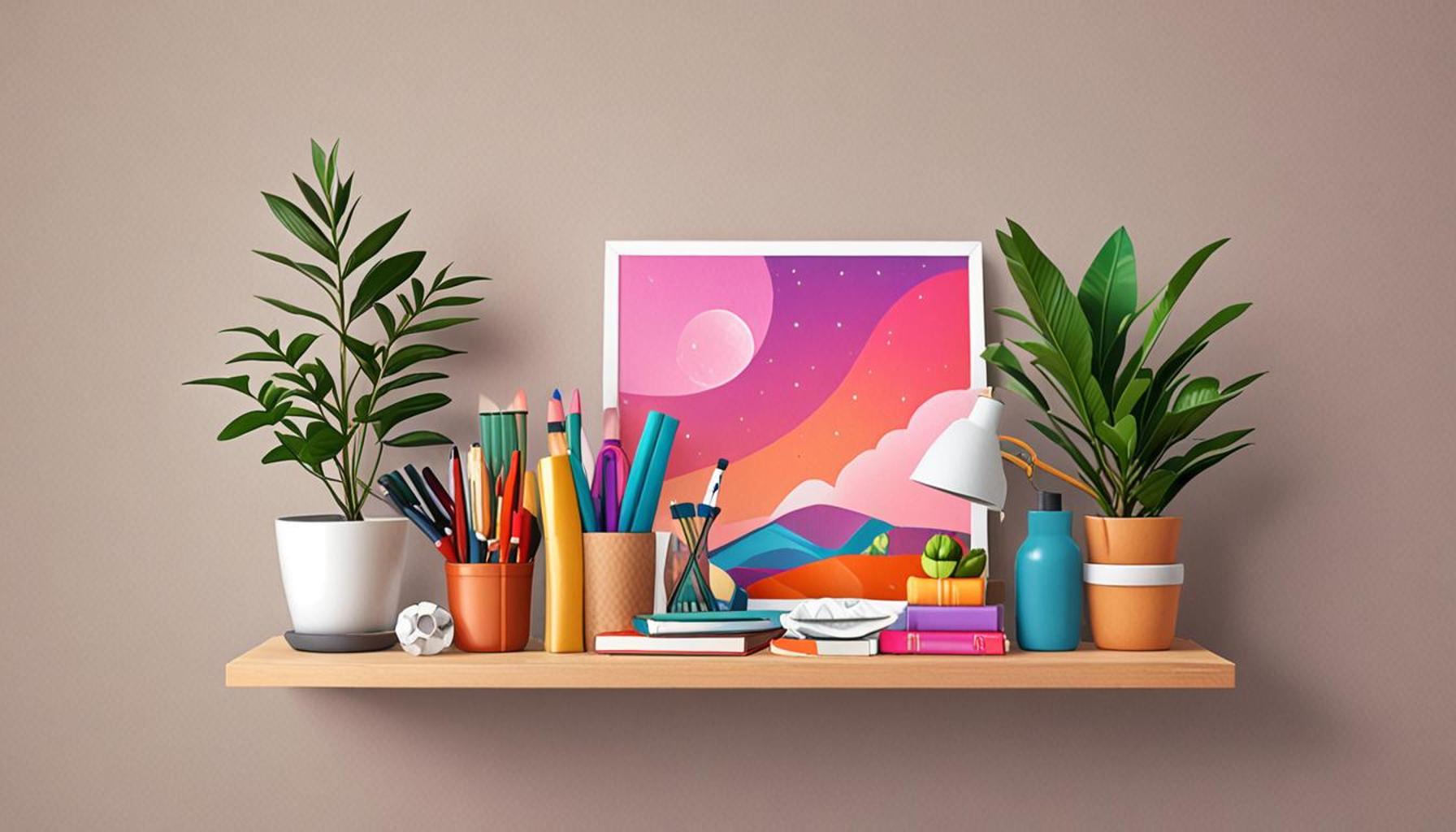
One of the most immediate advantages of a minimalist lifestyle is the reduction in stress levels. Studies show that clutter can act as a visual reminder of tasks that are yet to be accomplished, leading to feelings of anxiety. By creating a tidy and simplified environment, individuals often find that their mental burden decreases, offering a sanctuary from the chaos of everyday life. For instance, a dedicated workspace that is free of unnecessary items can provide clarity and calm, leaving room for productivity and creativity.
Enhanced Focus
Minimalism significantly impacts our ability to concentrate. In a world filled with notifications from smartphones and endless to-do lists, eliminating distractions by embracing minimalism allows for heightened focus on the task at hand. This can be particularly beneficial for students and professionals alike. For example, a clean desk can foster a more profound engagement during work hours, allowing for improved performance in challenging projects or studies.
Improved Decision-Making
As individuals streamline their possessions, they often experience an easier decision-making process. When confronted with fewer choices, people tend to feel more confident in their selections, enabling swifter and more fulfilling outcomes. This is especially relevant in a consumer-driven society where the abundance of options can lead to choice paralysis, often resulting in frustration instead of satisfaction.
Increased Creativity
Moreover, a well-organized space can enhance creative thinking. With less clutter occupying mental and physical space, individuals often find their minds more open to innovative ideas and solutions. Artists, writers, and other creatives report that an orderly environment helps them tap into their imagination more freely, ensuring that their creative processes flow seamlessly.
Psychological Empowerment
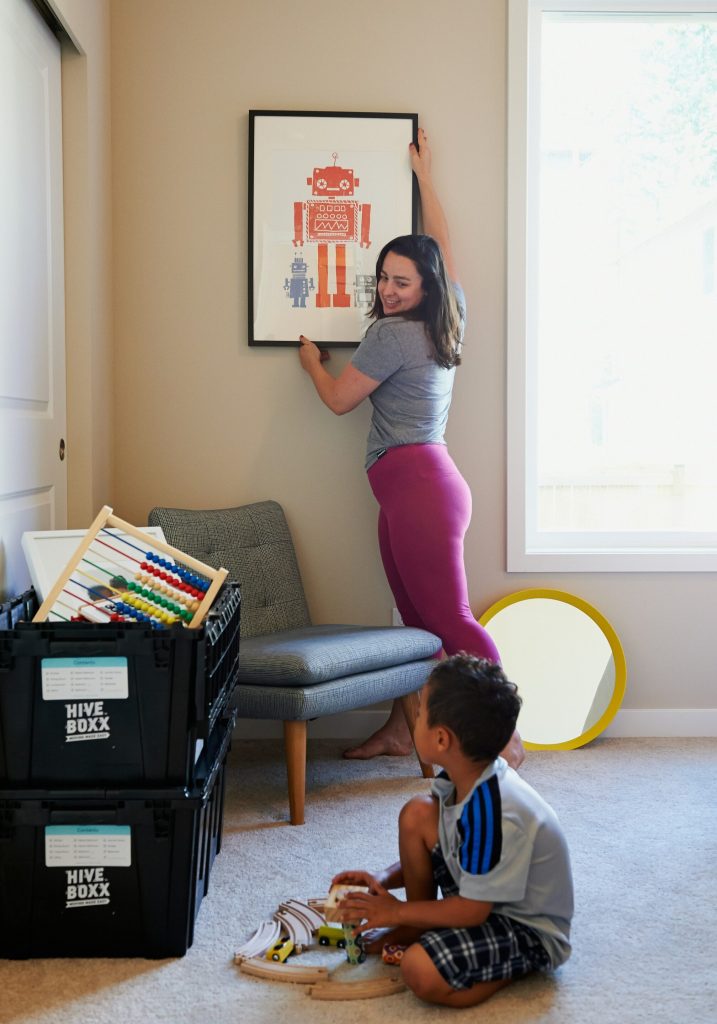
Psychologists have noted that the act of decluttering can lead to significant shifts in an individual’s outlook. People who actively participate in the organization of their spaces frequently describe feelings of empowerment and control. When one takes charge of their environment, it fosters a mindset shift that can lead to overall satisfaction in various life aspects. This positive transformation extends beyond their physical space, as individuals may find themselves motivated to tackle other challenges in life, fostering a broader sense of accomplishment.
Finding Fulfillment Through Minimalism
As you contemplate the connection between essential decluttering and mental health, consider how a thoughtfully organized environment can markedly improve your emotional state. By adopting minimalist living principles, you may uncover pathways to a more fulfilling, balanced, and peaceful existence. The journey toward minimalism may vary for each individual, but the benefits are undeniably transformative, inviting you to explore new realms of tranquility and clarity in your everyday life.
DIVE DEEPER: Click here to uncover the secrets of decluttering
The Foundation of Minimalist Living
Minimalism isn’t merely a trend; it’s a movement with deep psychological implications that resonate with countless individuals seeking a more meaningful life. As people begin their journey into minimalist living, they often discover how essential decluttering can lead to a more profound sense of satisfaction. Embracing less not only transforms physical spaces but also clears mental pathways, allowing people to cultivate a lifestyle rooted in intention.
Clarity in Thoughts and Emotions
At the core of the minimalist philosophy lies the concept of clarity. When individuals declutter their homes, they simultaneously create an environment conducive to clear thinking. The correlation between a tidy space and a tidy mind has been supported by various studies emphasizing how physical surroundings influence emotional and cognitive states. In chaotic environments, stress hormones tend to rise, which can impact mental health and emotional well-being. A simple declutter can act as a powerful antidote, promoting emotional serenity and cognitive clarity.
Connection to Personal Values
Engaging in the process of decluttering often leads individuals to confront their own values and priorities. As people sift through their possessions, they are prompted to evaluate what truly matters to them, leading to deliberate choices that enhance well-being. In this sense, minimalism becomes a tool for self-discovery, empowering individuals to align their environments with their personal values. By focusing on items that resonate with their identities, individuals often find greater emotional satisfaction and fulfillment.
Benefits of Recognizing What Truly Matters
- Increased Gratitude: With fewer material possessions, individuals often begin to appreciate what they have more deeply, fostering a greater sense of gratitude.
- Enhanced Well-Being: Simplifying life helps reduce feelings of overwhelm, promoting emotional balance and well-being.
- Identity Affirmation: Choosing to keep items that reflect one’s values reinforces self-identity and purpose.
Strengthening Relationships
Another noteworthy psychological benefit of essential decluttering in minimalist living is the potential to strengthen personal relationships. With a serene and organized home, individuals find it easier to host gatherings and engage with family and friends. A clutter-free space promotes a welcoming atmosphere, enabling deeper conversations and connections. Moreover, minimalism encourages quality over quantity when it comes to relationships, leading individuals to invest time and energy into nurturing meaningful connections rather than spreading themselves thin across superficial interactions.
In examining these psychological benefits, it becomes clear that the act of decluttering does not just speak to an individual’s physical environment but also profoundly impacts mental health and social well-being. As we continue to explore the multifaceted advantages of minimalist living, it’s clear that essential decluttering is a gateway to a fulfilling and intentional life.
The Psychological Benefits of Essential Decluttering in Minimalist Living
In the fast-paced world we live in today, many people are discovering the profound impact that essential decluttering can have on mental well-being. Embracing a minimalist lifestyle is not solely about reducing physical possessions; it also plays a pivotal role in enhancing our psychological health. Minimalism encourages a simpler perspective on life, allowing individuals to focus on what truly matters. This shift can lead to significant reductions in stress and anxiety levels.Decluttering creates a cleaner, more organized environment. Research indicates that clutter can negatively impact our ability to concentrate and make decisions. By clearing out unnecessary items, individuals often experience less mental fog, which leads to improved focus and productivity. Moreover, a tidy space can enhance feelings of tranquility and peace. In terms of emotional benefits, decluttering can act as a form of self-care. It provides a sense of accomplishment that enhances self-esteem and motivates further positive actions. This empowerment is essential, as many view clutter not only as a distraction but as a source of shame or failure. By taking steps towards decluttering, individuals reclaim their space and, in turn, their mental clarity.The practice of letting go can also have therapeutic effects. Many people hold onto items for emotional reasons, often stemming from past experiences or memories. When individuals make the conscious decision to release these attachments, they open themselves up to emotional healing and growth. Such actions help foster resilience and encourage a forward-looking mindset.Furthermore, minimalist living prompts valuable introspection. As individuals declutter their physical belongings, they often reflect on their values and priorities. This process encourages mindfulness and a greater appreciation for what they truly need, influencing their relationships and lifestyle choices. In essence, adopting a minimalist philosophy nurtures both the mind and the spirit.Potentially, these psychological benefits can extend into social interactions as well. A decluttered home often becomes a welcoming environment for family and friends, promoting connection and harmonious relationships. As people find solace and balance in their surroundings, they inadvertently cultivate a richer social life.To encapsulate, the psychological benefits of essential decluttering in minimalist living are vast and multi-faceted. From reducing stress to fostering emotional healing, the journey toward minimalism not only transforms physical spaces but also the mind itself. As individuals engage in this transformative practice, they often discover new dimensions of themselves and their relationships, evolving into a more fulfilled version of their lives.
| Category | Benefits |
|---|---|
| Stress Reduction | A decluttered environment significantly lowers anxiety levels. |
| Increased Focus | Enhanced ability to concentrate and make decisions without distractions. |
| Emotional Healing | Letting go of possessions fosters resilience and personal growth. |
| Mindfulness Practice | Encourages introspection, leading to clearer values and priorities. |
DISCOVER MORE: Click here to learn about the power of letting go
Emotional Resilience and Reduced Anxiety
Essential decluttering is not just about creating a neat and tidy space; it plays a significant role in enhancing emotional resilience and reducing anxiety levels. Research suggests that when individuals clear their physical clutter, they often experience a decrease in feelings of stress and overwhelm. Living in an orderly environment can serve as a protective factor, equipping individuals with the mental fortitude to navigate life’s challenges more effectively.
In a society where constant stimulation and distractions abound, individuals are often left feeling overstimulated and anxious. Minimalism combats this by offering a way to regain control over one’s surroundings and, subsequently, their mental state. By limiting the number of possessions and organizing the essentials, individuals can create a calming sanctuary that promotes relaxation and clarity, thus enhancing their ability to face daily stresses.
Mindfulness Through Minimalism
The practice of mindfulness has gained significant attention in recent years, and minimalist living closely aligns with its principles. Essential decluttering encourages individuals to be present with their choices and surroundings. As they sort through their belongings, they engage in a thoughtful process that invites reflection and consciousness in every decision made. This heightened sense of awareness fosters mindfulness, allowing individuals to connect with their emotions, desires, and priorities.
By creating a space that reflects mindful living, individuals are better equipped to notice and respond to their emotional needs. This awakening to the present moment can lead to improved mental health and a greater overall sense of well-being. In fact, a study from the University of Minnesota found that individuals who practice mindfulness report lower levels of anxiety and depression, signifying a potent link between a decluttered space and a decluttered mind.
A Catalyst for Personal Growth
Another profound psychological benefit of essential decluttering in minimalist living is its role as a catalyst for personal growth. The process of shedding unnecessary belongings often sparks transformation at multiple levels. Individuals frequently find that decluttering propels them to question not only their attachment to material items but also their broader life choices, leading to a reevaluation of goals, aspirations, and lifestyle choices.
This introspective journey can pave the way for new opportunities and experiences. People may discover newfound passions or pursue career changes, fueled by the clarity that a minimalist mindset brings. In a 2022 survey conducted by The Minimalists, over 78% of respondents reported that decluttering had a significant impact on their life-changing decisions, highlighting how essential decluttering can unlock potential paths toward growth and self-improvement.
Encouraging Sustainable Habits
Essential decluttering also encourages the development of sustainable habits. By evaluating what one keeps and discards, individuals become more conscious of their consumption patterns. This not only improves the environment but encourages a sense of accountability and integrity in one’s lifestyle choices. Additionally, the act of intentionally selecting items that add value to life transforms consumer behavior, fostering habits that prioritize sustainability and mindfulness over mere possession.
In this way, essential decluttering goes beyond the superficial. It lays the groundwork for emotional resilience, mindfulness, and personal growth, leading to a richer and more purposeful experience in life. These psychological benefits illustrate that the journey into minimalist living is not solely about the physical space but also a transformative process that invites individuals to engage with themselves and their surroundings on a deeper level.
DISCOVER MORE: Click here to enhance your home organization
Conclusion
In sum, the journey into essential decluttering and minimalist living offers a wealth of psychological benefits that extend far beyond a mere tidy home. By fostering emotional resilience and diminishing anxiety, individuals create not only a peaceful physical environment but also nurture a calmer mental landscape. This connection between space and state of mind is powerful; as individuals reclaim control over their surroundings, they often find themselves better equipped to handle life’s stresses.
Moreover, the practice of decluttering invites a profound sense of mindfulness, urging individuals to reflect on their choices and values actively. This self-awareness not only enriches daily living but also paves the way for transformative personal growth. As demonstrated in numerous studies, the clarity achieved through decluttering can lead to reinvigorated passions and even significant life changes, as many have reported. In this sense, minimalism becomes more than a lifestyle; it becomes a catalyst for authentic self-discovery.
Additionally, essential decluttering encourages the development of sustainable habits, fostering a more conscious approach to consumption and ecological awareness. As individuals unearth their priorities amidst the clutter, they forge a stronger connection to their values, leading to more intentional living.
Ultimately, engaging in essential decluttering and embracing minimalism are not mere trends but profound acts of self-care with lasting psychological rewards. By embarking on this journey, individuals have an opportunity to enhance their mental health, elevate their well-being, and truly curate their lives in alignment with what matters most. The path to minimalism invites all of us to reconsider our relationships with our possessions and, subsequently, ourselves, making it an enriching endeavor worth exploring.