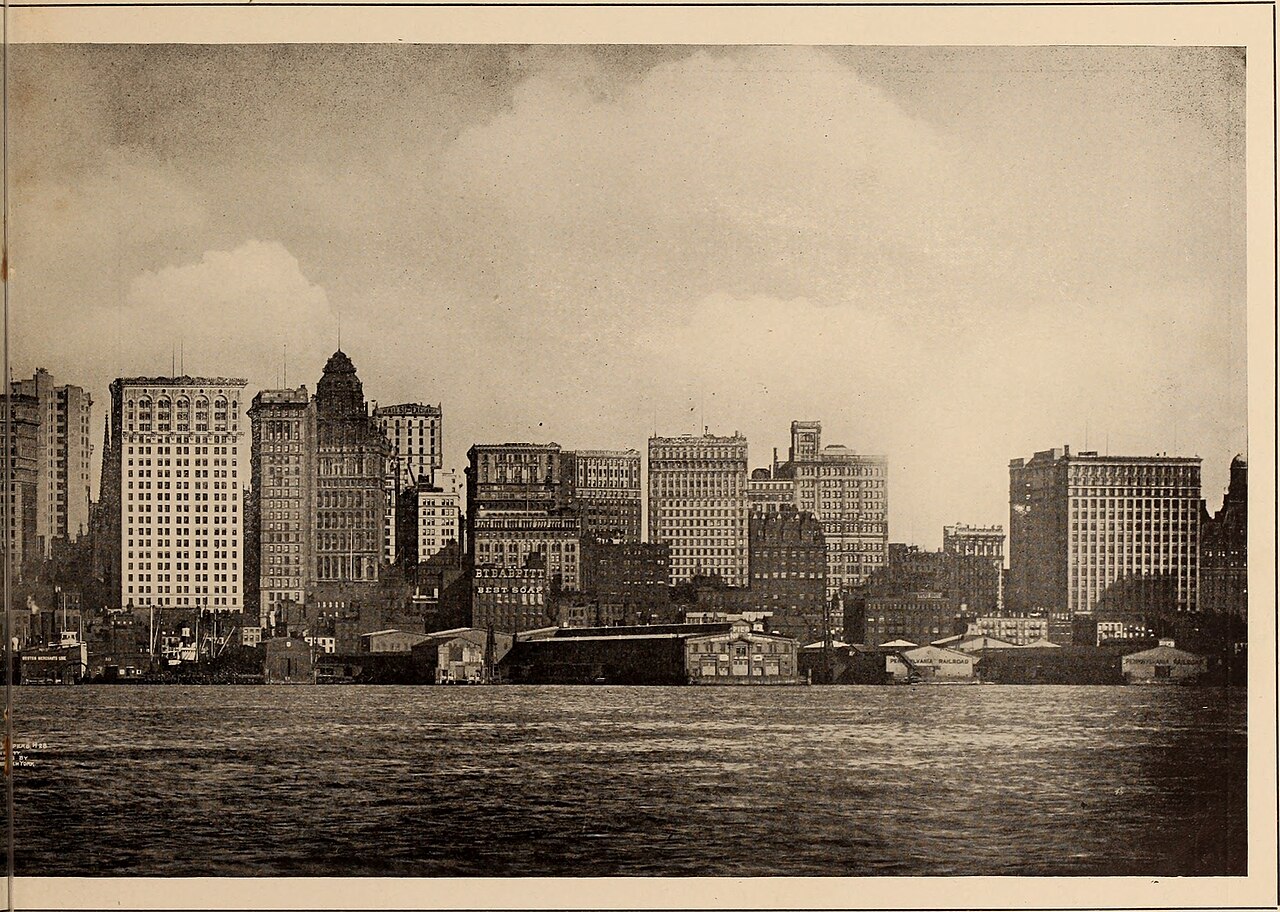
Walk through the old quarters of certain cities and the logic of a long-vanished trade network is often still visible underfoot. Narrow lanes built to the scale of pack animals rather than automobiles, warehouses converted into apartments, customs houses turned into museums, and street names referring to goods or guilds that have not been traded there in centuries all point to a time when a city's entire layout and economy were organized around its position on a trade route. Many historians argue that these patterns were rarely accidental; merchants and city authorities built infrastructure, fortifications, and institutions specifically to capture the advantages of their location on a route, and those choices continue to shape urban form long after the original trade has changed or disappeared.
Medieval Trade Networks and Their Urban Legacies
Few examples illustrate this more clearly than the Hanseatic League, a confederation of merchant guilds and market towns that dominated trade across the Baltic and North Seas from roughly the thirteenth through the seventeenth centuries. Cities such as Lübeck, Hamburg, Bruges, and Bergen built their civic identities, their harbors, and in many cases their very street plans around the league's trade in goods like salt, grain, timber, and furs. Lübeck's brick Gothic old town, largely preserved and recognized as a UNESCO World Heritage Site, still reflects the merchant architecture of that era, with tall, narrow warehouse-style buildings designed for storing goods rather than simply housing families. Bruges, by contrast, offers a cautionary example: its prosperity declined sharply after its harbor access silted up in the late fifteenth century, shifting Flanders' commercial center to Antwerp, a reminder that geography can take away a city's advantage as readily as it grants one.
A similar pattern appears along the overland routes historians commonly group under the label of the Silk Road, the network of caravan paths that, over many centuries, is estimated to have connected China, Central Asia, the Middle East, and the Mediterranean. Oasis cities such as Samarkand and Bukhara grew wealthy as caravan stops where goods, and often religious and scientific ideas, were exchanged between travelers, and their historic cores, with caravanserais, bazaars, and madrasas, still reflect that function today. Xi'an, long a starting point for routes heading west, and Istanbul, positioned at the junction of Europe and Asia, likewise built institutions, from covered markets to customs infrastructure, whose descendants remain central to those cities' economies and tourist economies alike.
Port Cities Built by Maritime Empires
Maritime trade produced its own distinctive urban geography. Venice, built across a lagoon specifically to control and tax trade routes linking Europe to the eastern Mediterranean, developed a dense, canal-based layout that still defines the city, even though its mercantile empire declined centuries ago. Lisbon and later Amsterdam grew into major financial and commercial centers on the strength of Atlantic and Indian Ocean trade; Amsterdam's seventeenth-century canal ring was laid out in large part to serve merchant shipping and warehousing, a function now reflected in the city's protected historic core. Malacca, on the strait that bears its name, and later Singapore, became essential nodes because ships moving between the Indian Ocean and the South China Sea had few practical alternatives to passing through that narrow passage; Singapore's modern status as one of the world's busiest container ports is, in a very direct sense, a continuation of the strategic position that made Malacca valuable to traders centuries earlier.
The islands and coastal towns of the western Indian Ocean tell a related story. Zanzibar, off the coast of East Africa, became a major hub in the trade of cloves, ivory, and, in a history that modern Zanzibari institutions now address directly, enslaved people, with Omani Arab, Swahili, Indian, and European merchants all active in its markets by the nineteenth century; the dense coral-stone architecture of its old Stone Town, another UNESCO-listed site, still reflects that cosmopolitan trading past. On the Indian subcontinent, the city that grew into modern Mumbai developed around a natural harbor that the Portuguese and later the British East India Company recognized as valuable for trade with the interior and with ports further around the Indian Ocean rim, and the colonial-era warehouses and trading houses of South Mumbai remain embedded in the city's commercial core today.
Economic Afterlives, Including Difficult Ones
Not every inheritance from historic trade geography is one to celebrate. Cities including Liverpool, Bristol, Charleston, and New Orleans grew wealthy in substantial part through their roles in Atlantic trade networks that included the transatlantic slave trade, and the warehouses, docks, and merchant houses that survive in those cities today stand as physical reminders of that history as much as of any other commodity trade. Museums and historical institutions in several of these cities, including Liverpool's International Slavery Museum, now explicitly address this legacy rather than presenting historic port architecture as a neutral commercial curiosity. More broadly, scholars studying colonial-era trade networks have noted that the wealth and infrastructure built up in European and American port cities often depended on extractive relationships with colonized regions, an imbalance whose effects on global development persisted long after formal colonial rule ended.
Even where the history is less fraught, the inheritance is uneven. Some historic trade cities, like Istanbul, Singapore, and Rotterdam, successfully adapted their geographic advantages to modern shipping, finance, or logistics and remain major economic centers. Others, including many smaller Silk Road oasis towns and former Hanseatic ports whose harbors silted up or whose trade routes were superseded by rail and container shipping, settled into roles as heritage and tourism destinations rather than active commercial hubs, their historic architecture preserved partly because large-scale modern industry moved elsewhere.
In many of these places, heritage tourism has become the modern successor to the trade that first built the city's wealth. UNESCO World Heritage designation, granted to historic centers in Lübeck, Samarkand, Venice, and other former trade hubs, has helped fund restoration and draw visitors specifically interested in the merchant-era architecture, turning the physical remains of commerce into a commercial asset in their own right. Some scholars and city planners caution that this shift toward tourism-driven preservation can create its own distortions, pricing longtime residents out of historic districts even as it keeps old warehouses and counting houses standing rather than demolished.
Lasting Significance for Trade History Today
The streets, harbors, and skylines of these cities function as a kind of physical archive of trade history, one that remains legible centuries after the specific goods and merchants that built them have faded from memory. Understanding why a city sits where it does, and why its oldest neighborhoods are shaped the way they are, often means understanding a trade route that existed long before the nation it now belongs to. As global commerce continues to shift toward new technologies and networks, including the digital infrastructure explored elsewhere on this site, the durability of these older trade geographies is a useful reminder that the physical and economic legacies of commerce tend to outlast the trade itself by centuries. For more on this broader period, visit the globalization era on our timeline.