Article Library
Long-form, sourced essays on the history of trade — from prehistoric barter to today's digital marketplaces.
50 articles
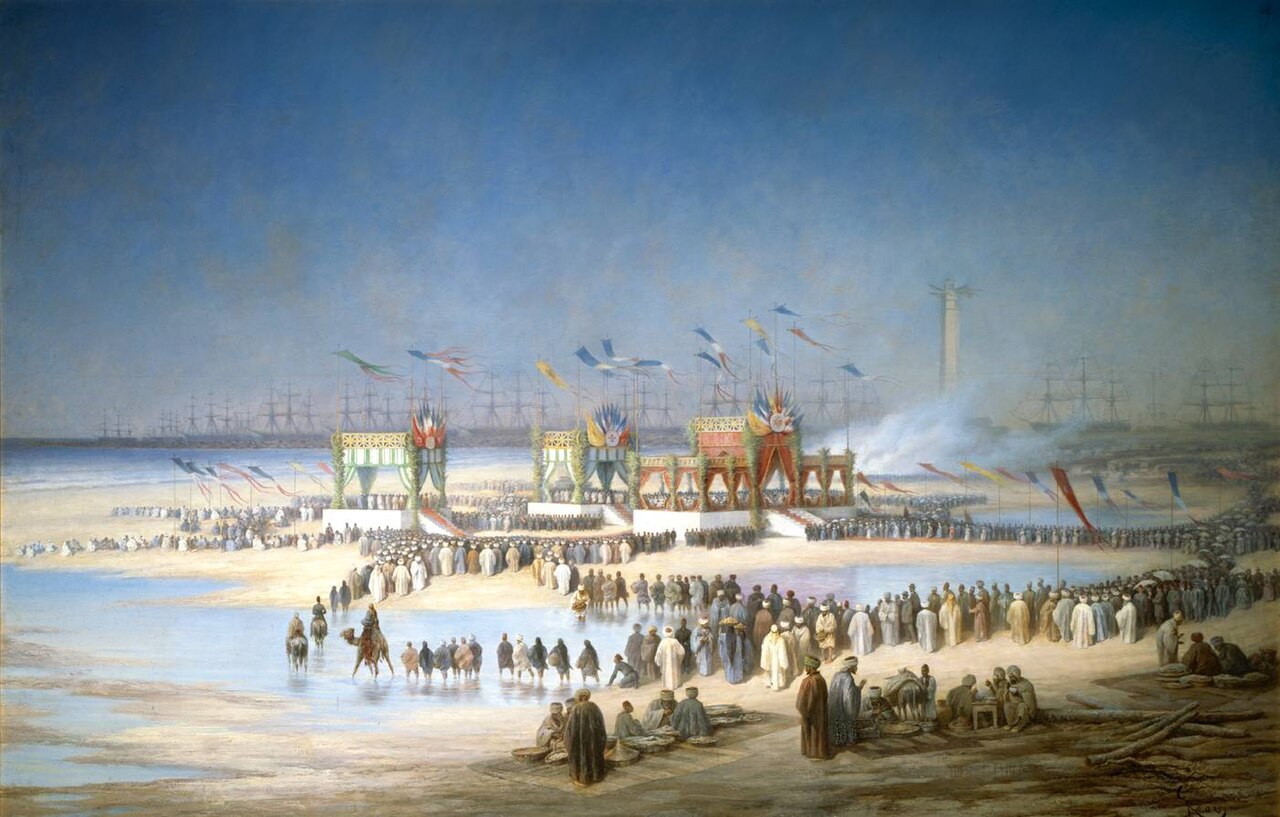
The Suez Canal and the Shortcut to Asia
The story of how the Suez Canal, opened in 1869, reshaped global shipping by creating a direct maritime shortcut between Europe and Asia.
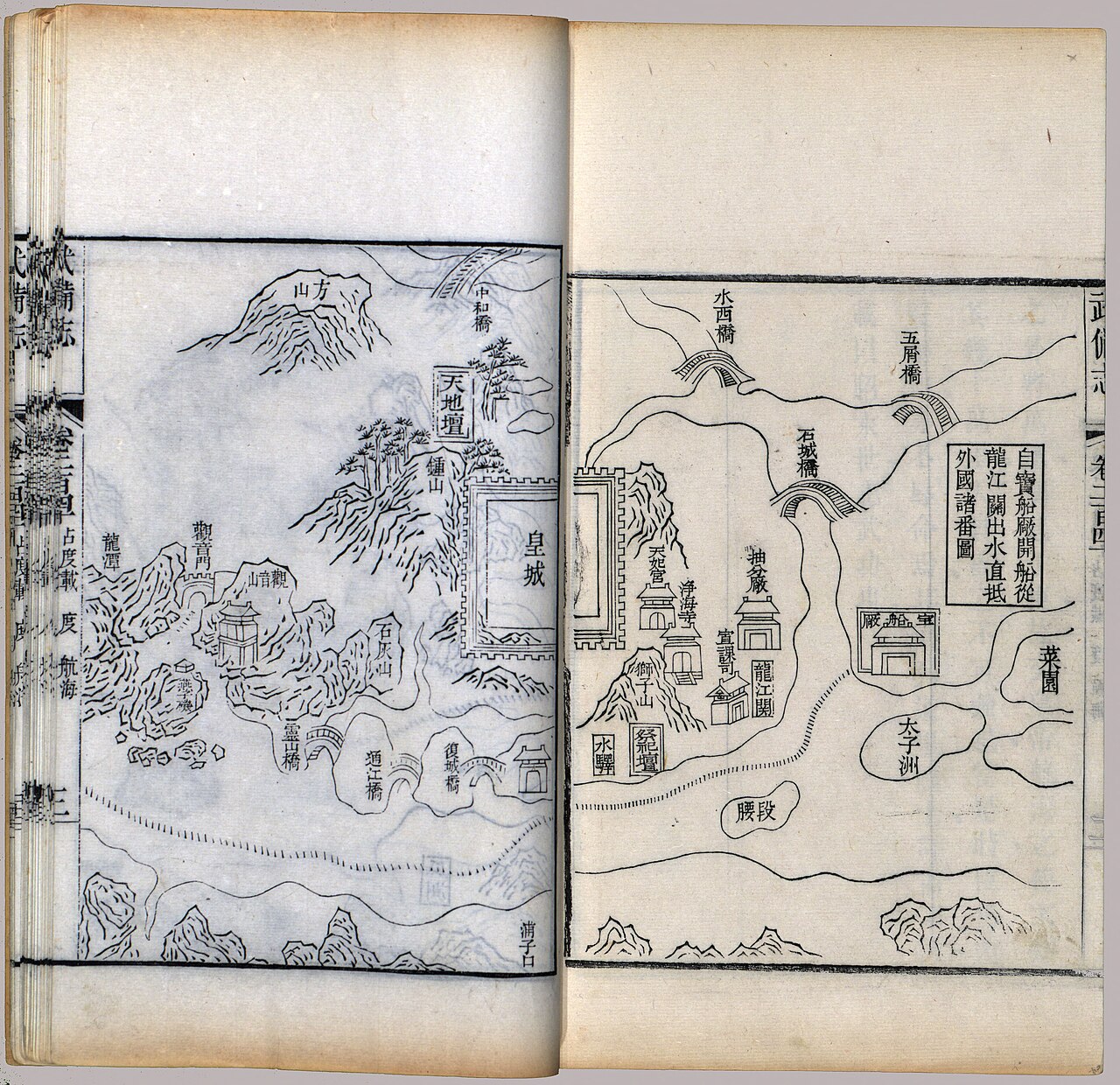
Zheng He's Treasure Fleets and Ming China's Maritime Reach
Explore how Ming China's treasure fleets under admiral Zheng He projected state-organized Chinese maritime trade and diplomacy across the Indian Ocean.
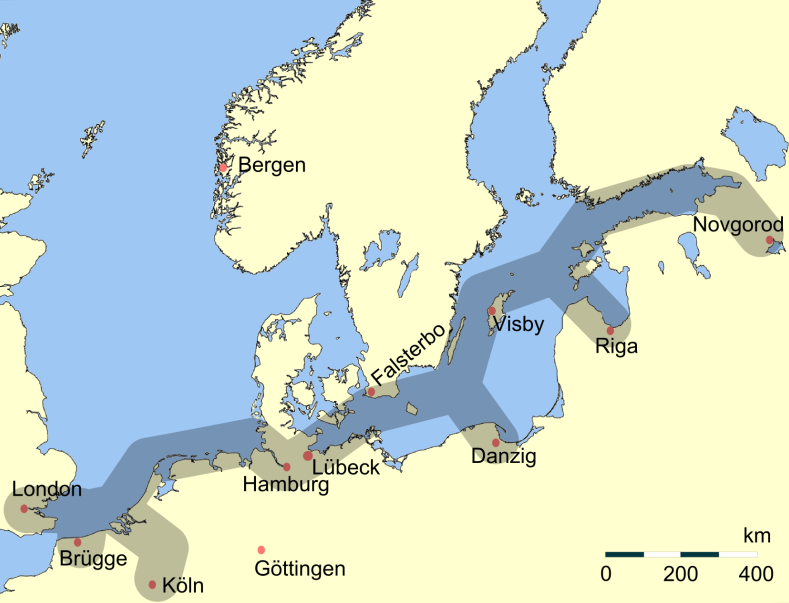
The Hanseatic League and Northern European Commerce
A loose alliance of merchant guilds and port cities around the Baltic and North Seas built a shared commercial system that shaped northern European trade for centuries.
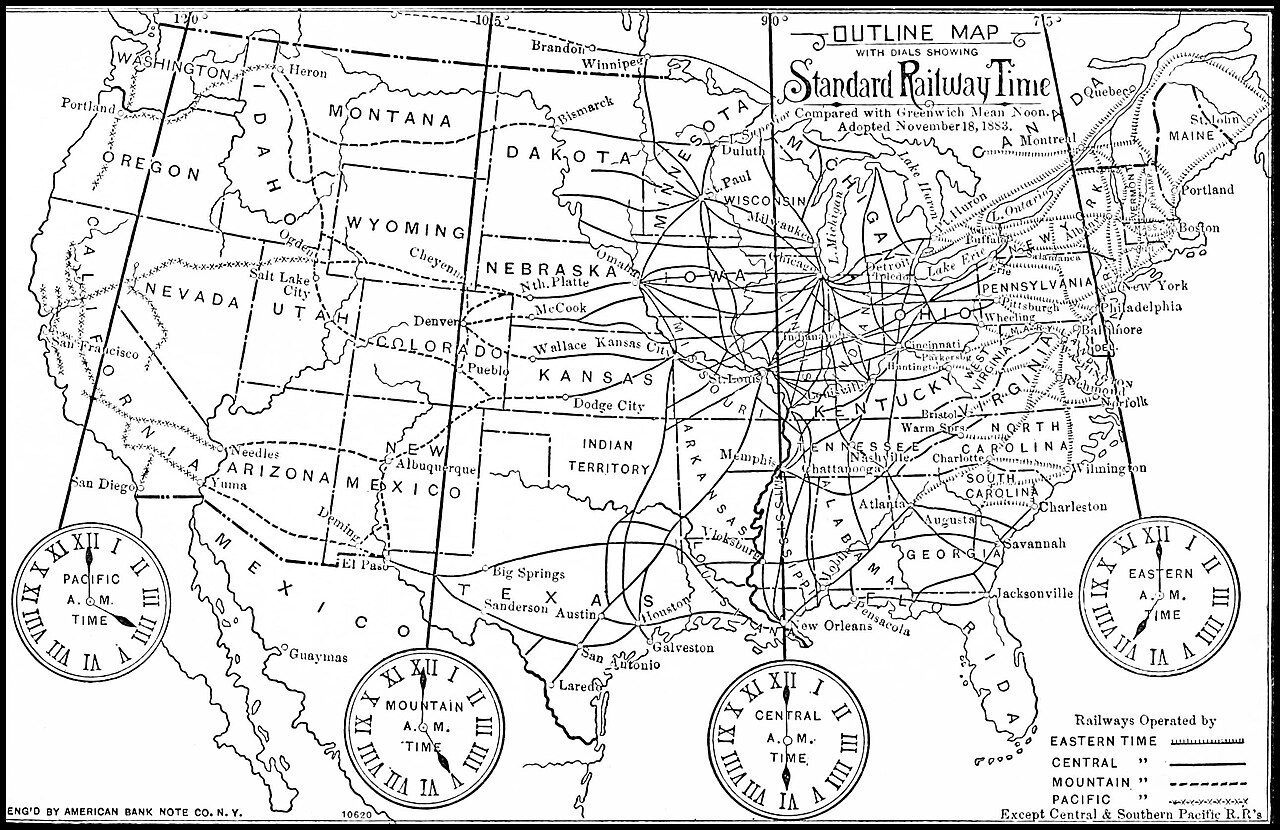
The Standardization of Time and International Commerce
Railroads, telegraphs, and global trade made local sun-based time impractical, pushing nations toward standardized zones and a shared international clock.

E-Commerce and the Reordering of Global Retail
The rise of e-commerce transformed global retail, reshaping shopping habits, supply chains, small business access, and traditional brick-and-mortar stores.
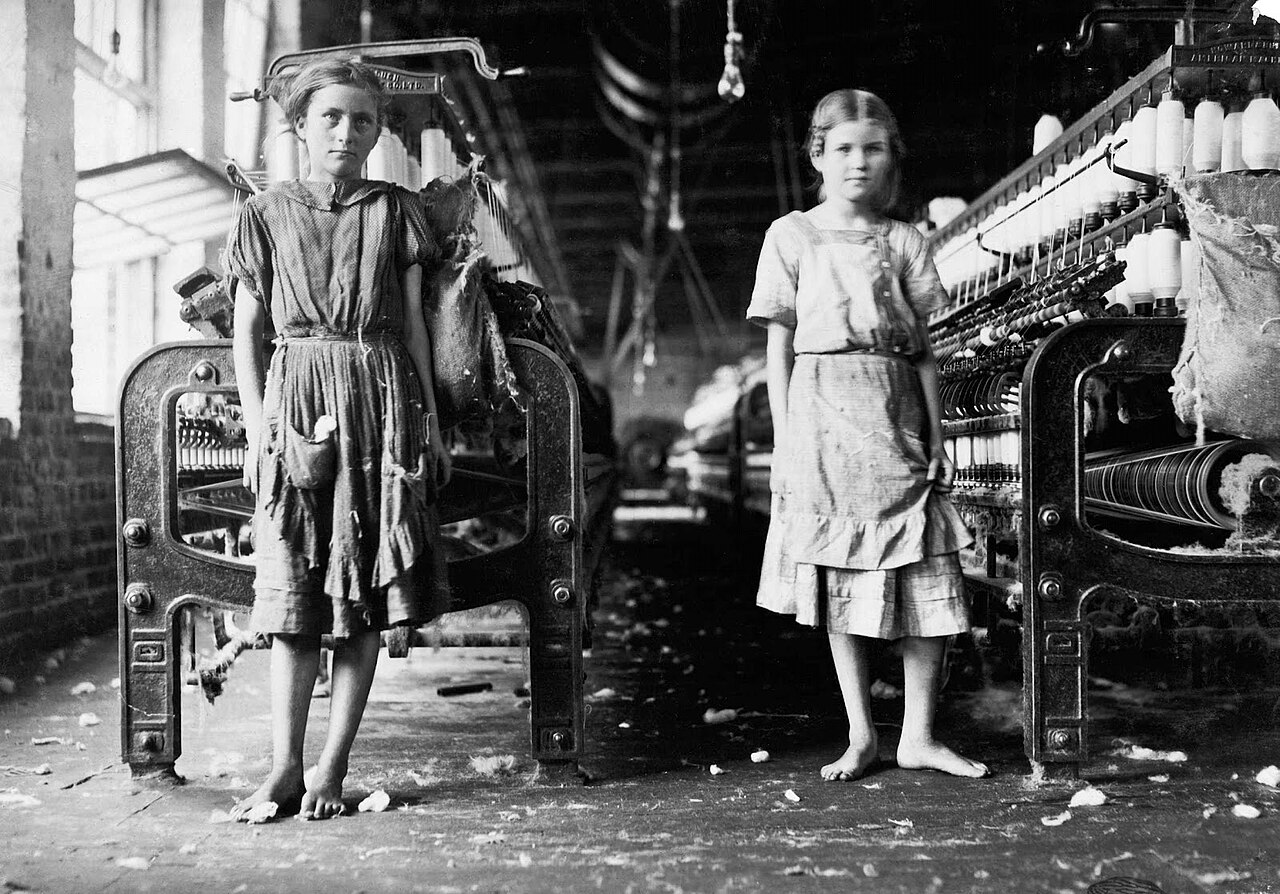
The Industrial Revolution and Mass Production
Mechanized factories and new sources of power transformed how goods were made, reshaping global trade, labor, and daily life over the course of a century.
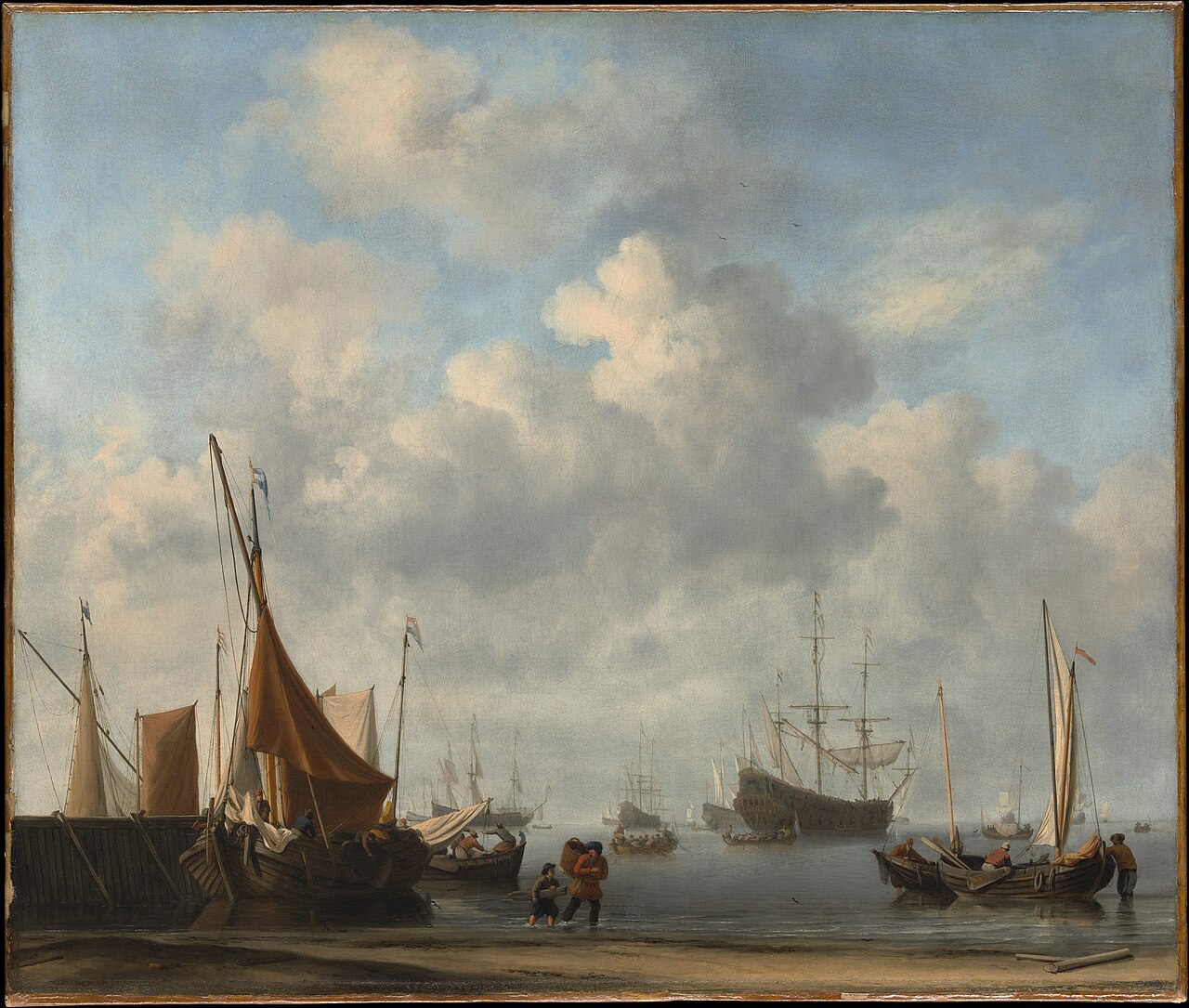
Mercantilism and the Politics of Early Modern Trade
A look at mercantilism, the economic philosophy of tariffs, bullion, and state control that shaped European trade policy for roughly three centuries.
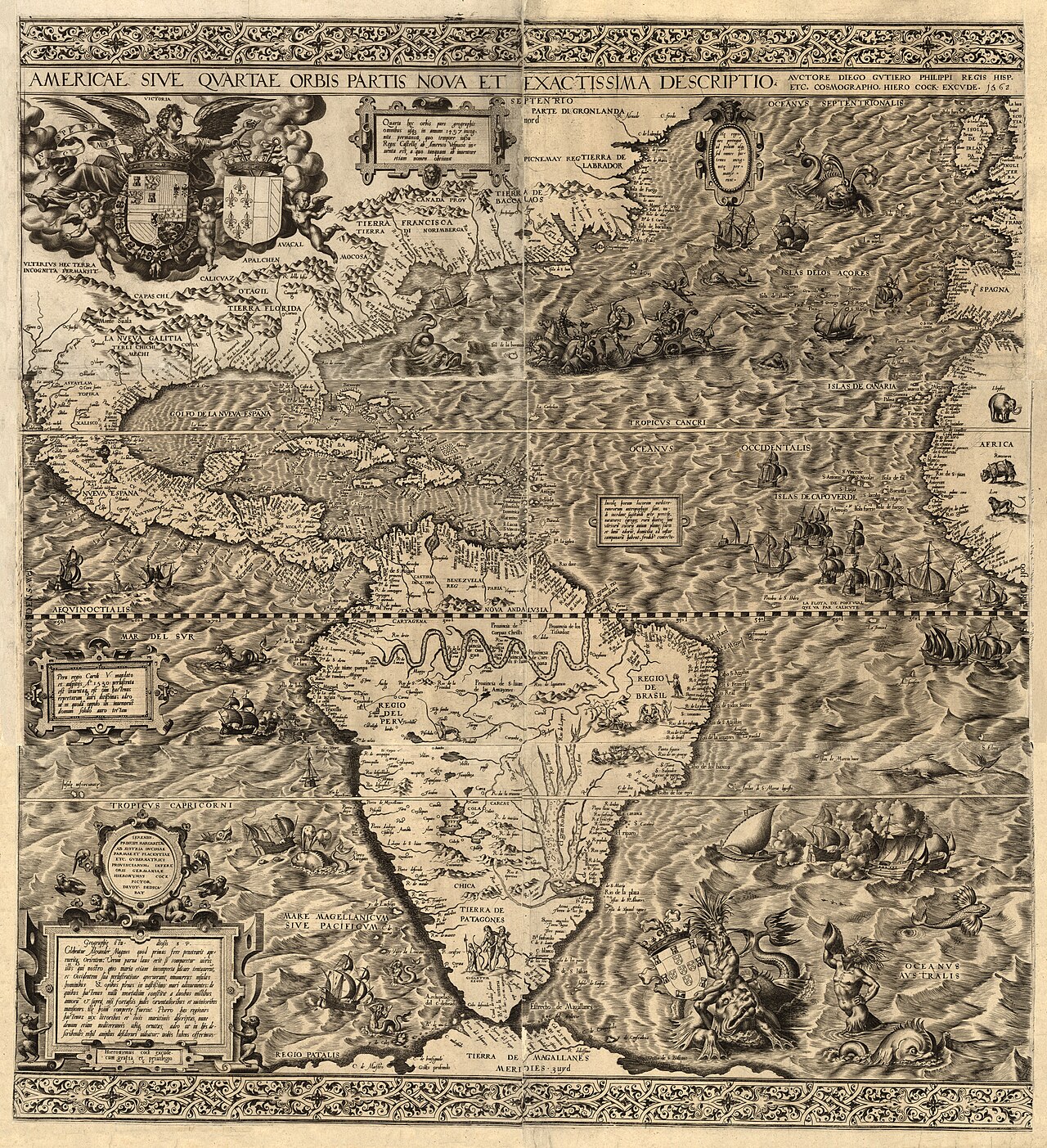
The Columbian Exchange and Its Global Consequences
The transfer of crops, animals, diseases, and people that followed 1492 reshaped diets and economies worldwide while bringing demographic catastrophe to the Americas.
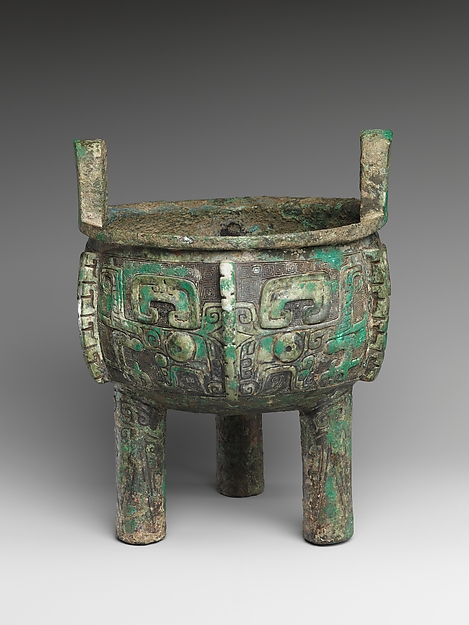
Early Trade Networks of Ancient China
Long before the Silk Road, ancient Chinese exchange networks moved jade, bronze, cowrie shells, and salt across Central Asia, the steppe, and the southwest.
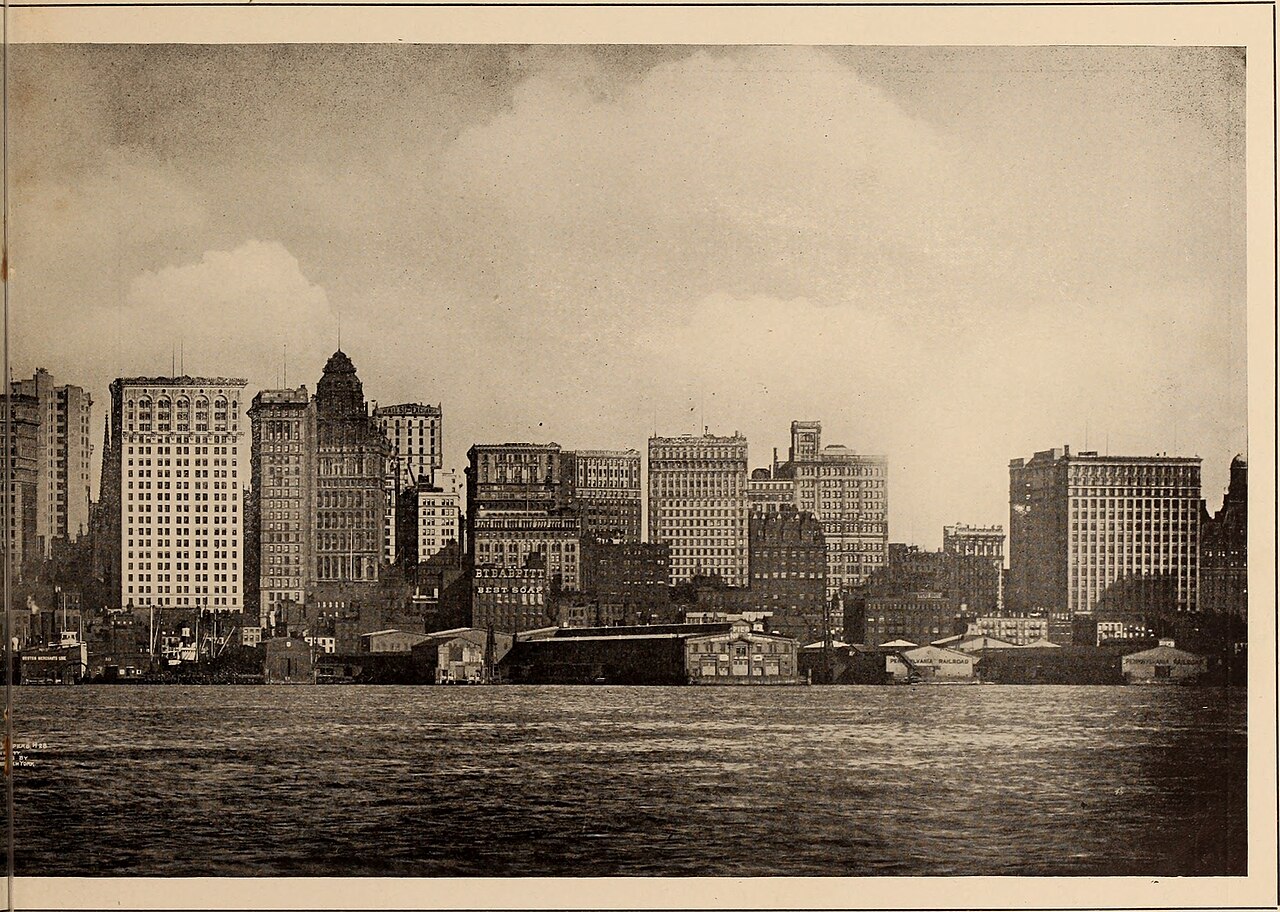
How Historic Trade Routes Continue to Shape Modern Cities
From Hanseatic ports to Silk Road oases, the geography of old trade networks still shapes the streets, economies, and fortunes of cities around the world today.
From GATT to the WTO: Building the Rules of Global Trade
From the postwar GATT agreement to the founding of the World Trade Organization, nations built the modern legal rules governing international trade and tariffs.
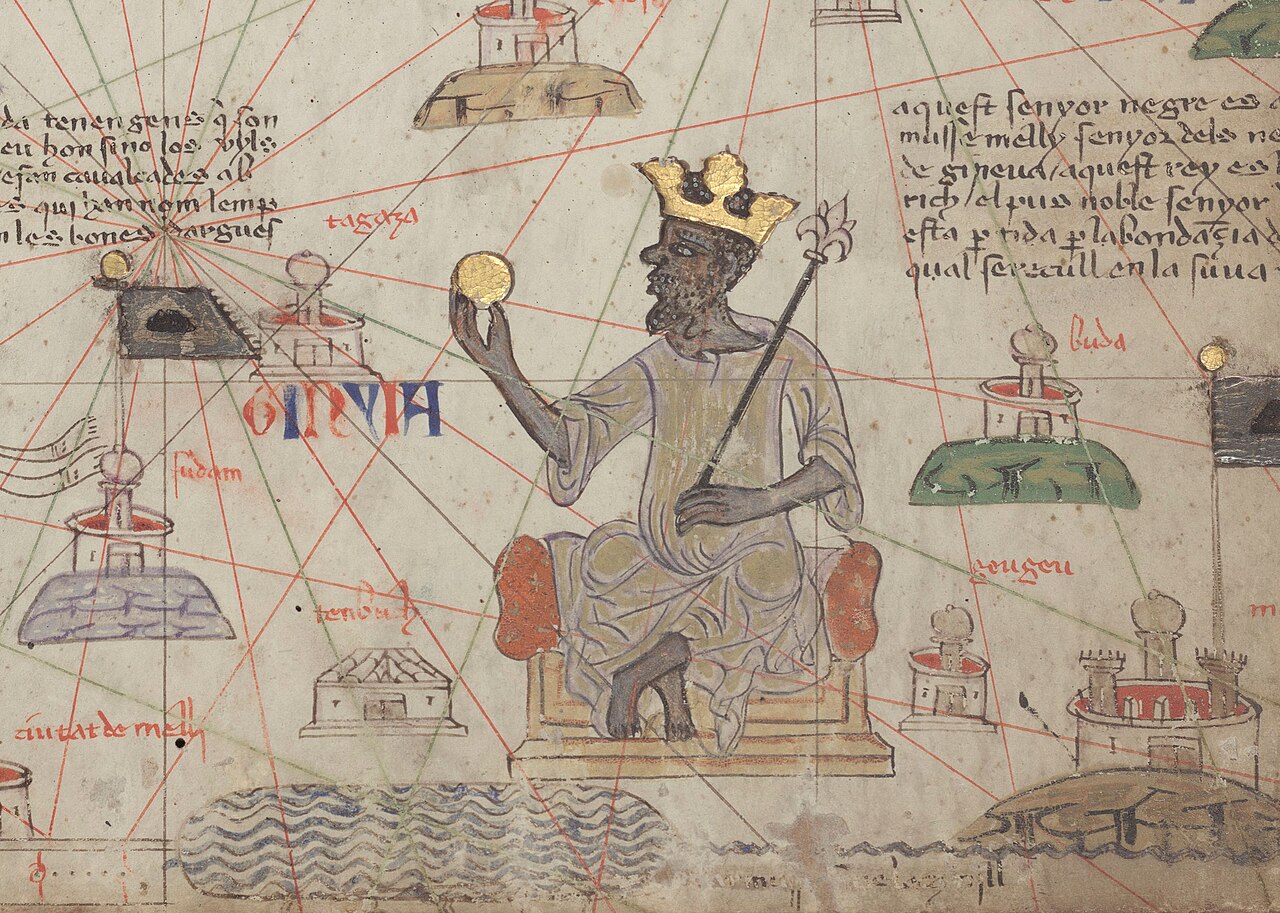
Gold, Salt, and the Empire of Mali
Discover how gold and salt trade financed the medieval Empire of Mali, fueling Timbuktu's scholarship and the wider trans-Saharan trading system for centuries.
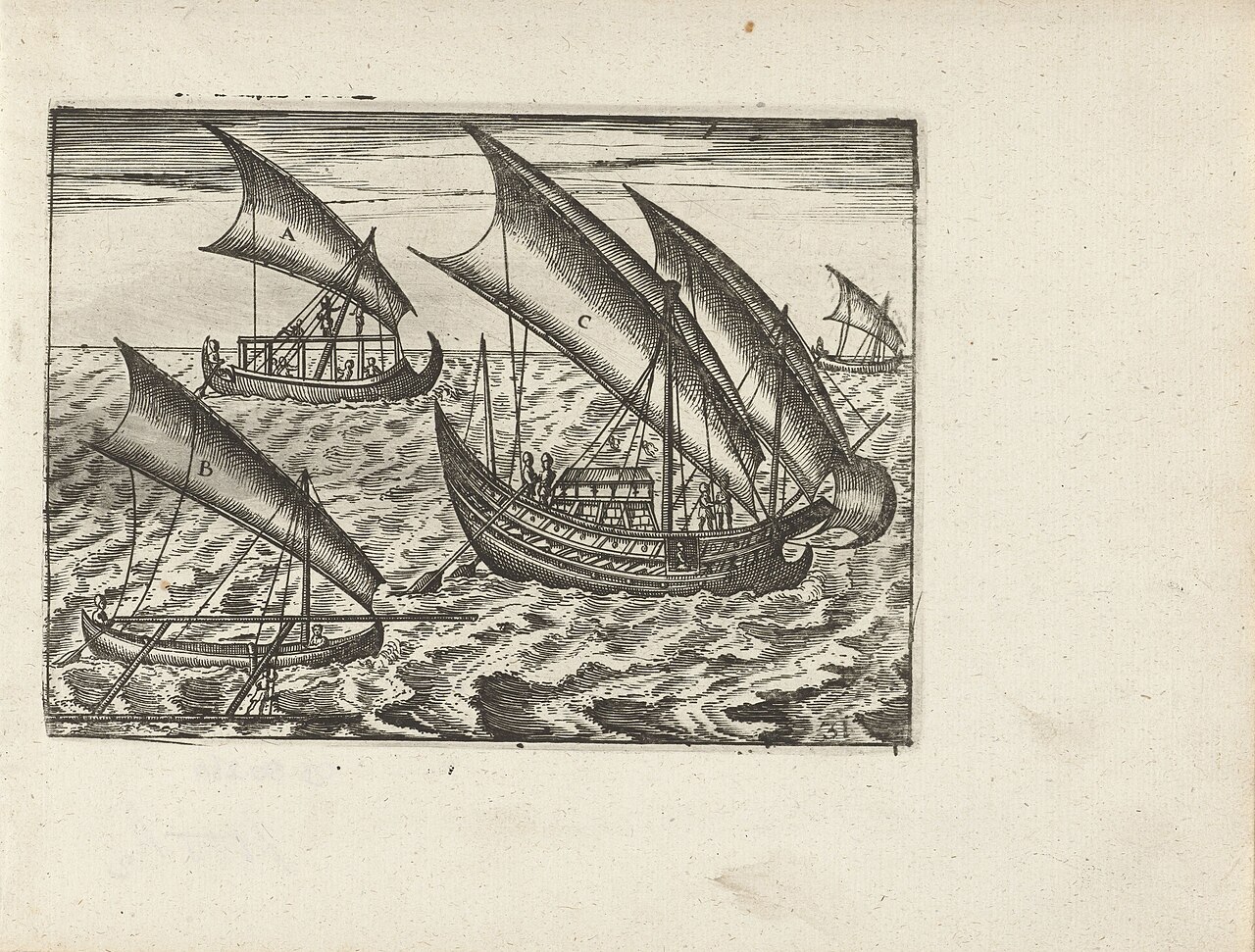
The Maritime Routes of Southeast Asia
Monsoon winds and narrow straits turned Southeast Asia into a commercial crossroads linking India and China, shaping global trade routes for well over a thousand years.
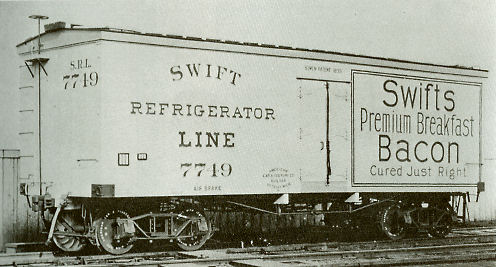
Refrigeration and the Global Food Trade
Mechanical cooling let meat, dairy, and produce survive long ocean voyages, turning perishable foods into globally traded commodities for the first time.
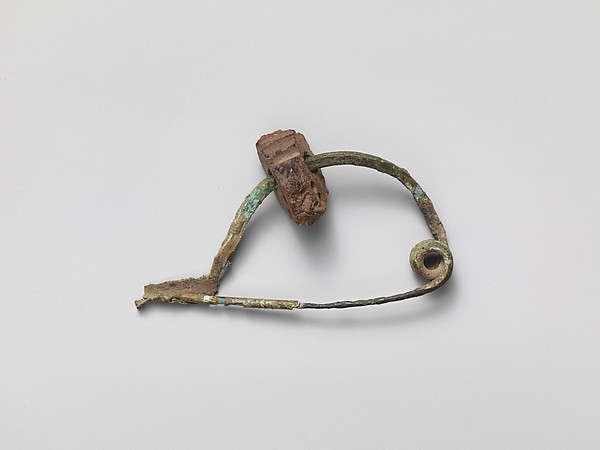
The Amber Road: Linking the Baltic and the Mediterranean
Baltic amber traveled a network of ancient routes and rivers through Europe to Mediterranean workshops, linking northern communities to Roman markets.
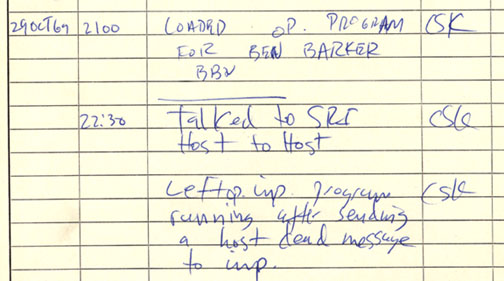
The Internet and the Transformation of Commerce
A network built for research and defense evolved into the infrastructure of global trade, letting small producers reach distant buyers while raising new questions about privacy and inequality.
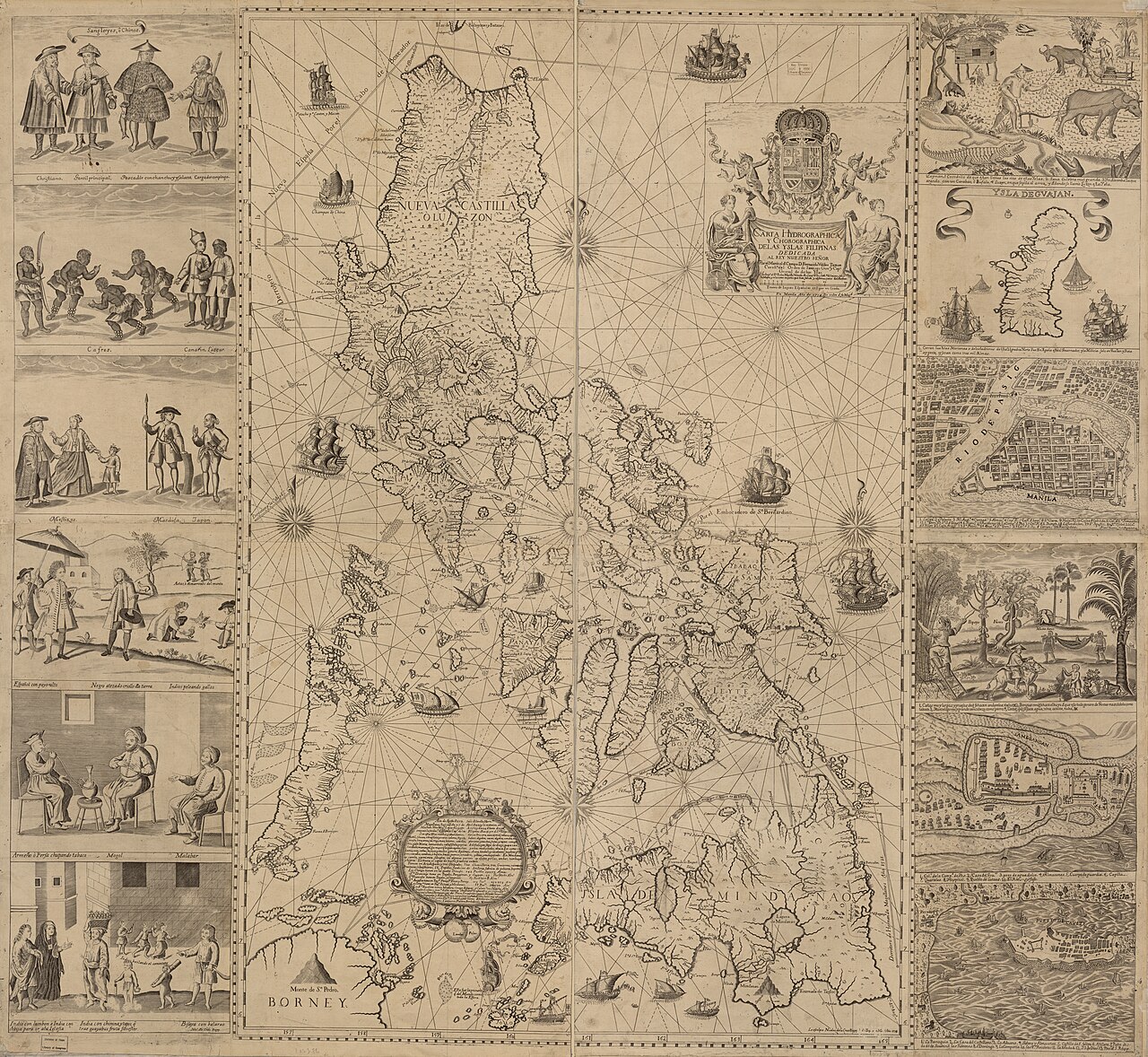
The Manila Galleon and the Pacific Silver Trade
How Spanish galleons linked Mexico and the Philippines for two and a half centuries, moving American silver to China in exchange for silk and porcelain.
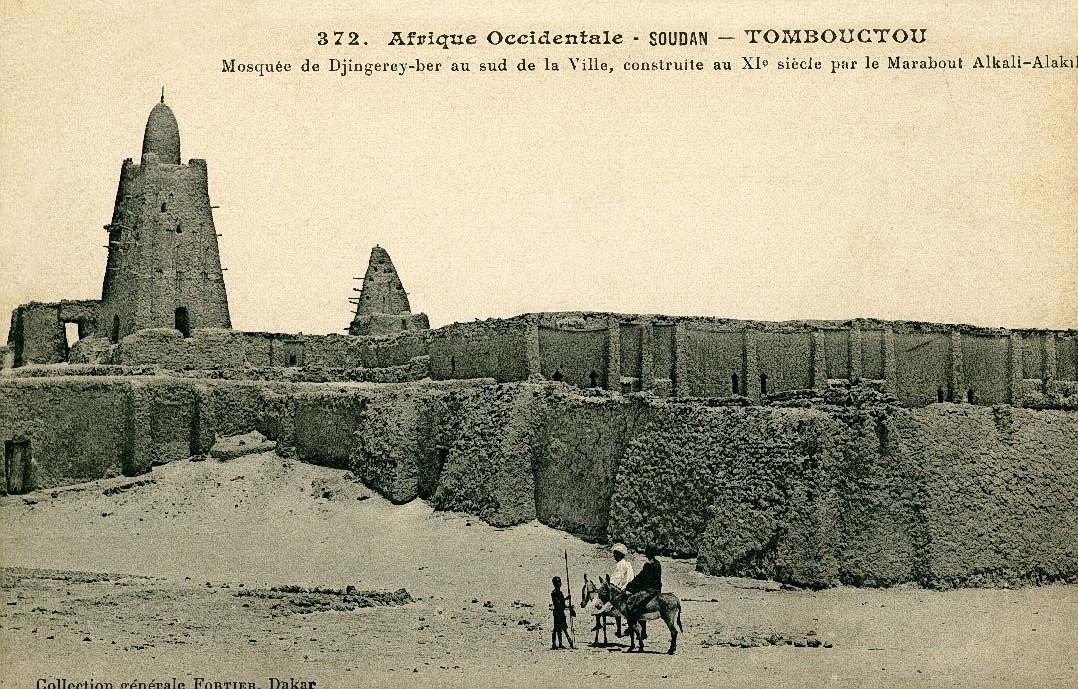
The Trans-Saharan Trade Routes
Camel caravans crossing one of the world's harshest deserts connected West African gold and salt producers to Mediterranean and Middle Eastern markets for nearly a thousand years.
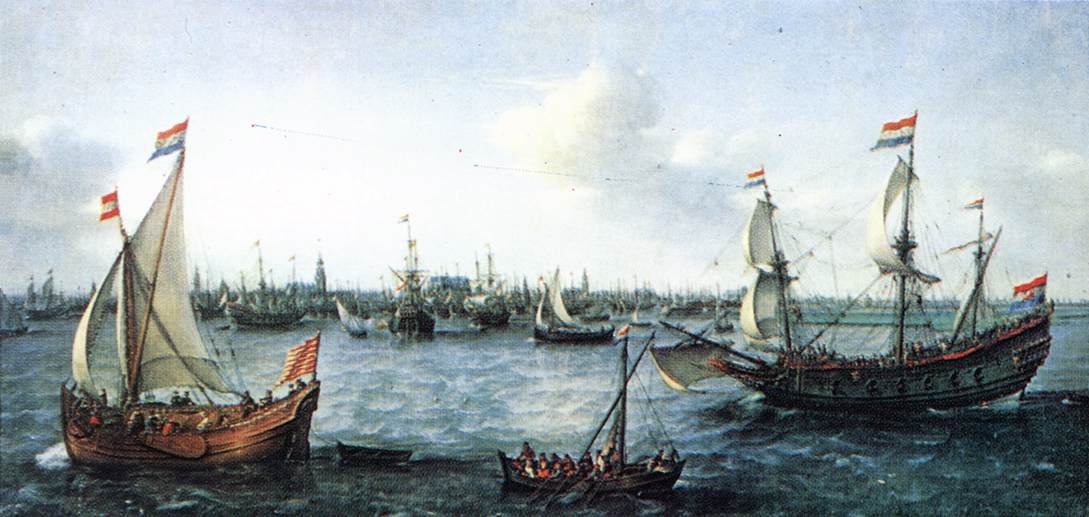
Ports and the Growth of Commercial Cities
From Venice to Liverpool to Singapore, harbors became engines of urban growth, pulling together merchants, laborers, and goods from across the world.
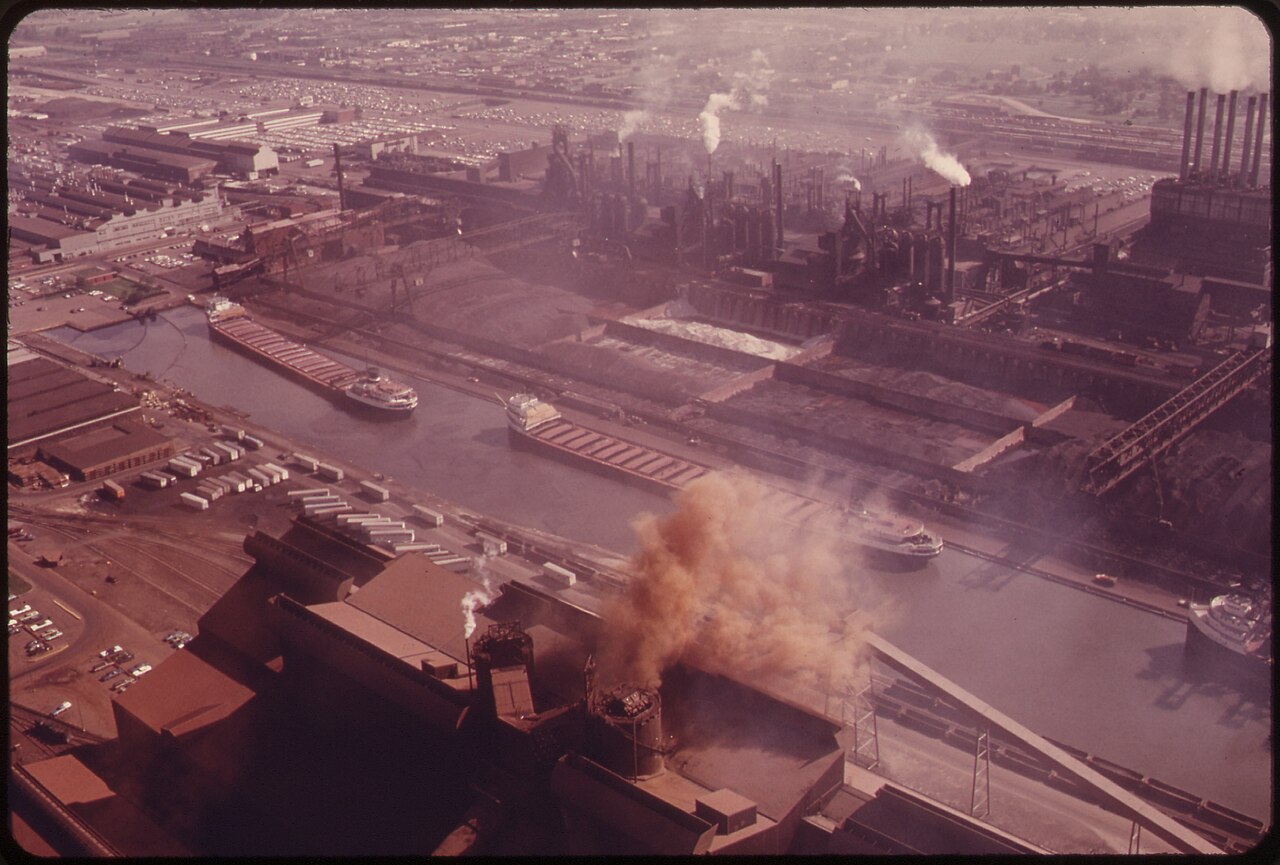
The Rise of the Multinational Corporation
The rise of multinational corporations after World War Two transformed global trade, foreign direct investment, labor markets, and corporate power worldwide.
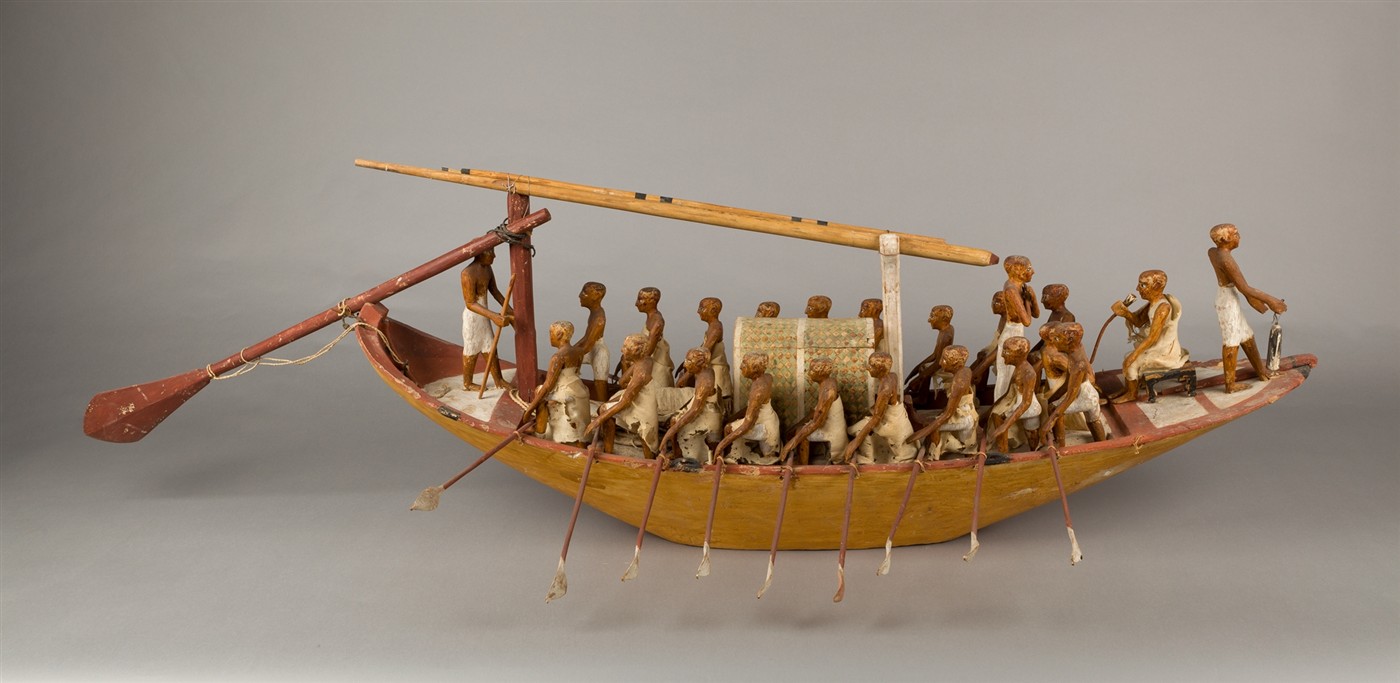
Trade Along the Nile River
The Nile River served as ancient Egypt and Nubia's primary highway for commerce, carrying gold, ivory, grain, and incense across more than a thousand miles of Africa.
Barcodes and the Automation of Product Tracking
A simple pattern of black bars let machines read what a product was and where it had been, remaking retail checkout, warehousing, and global inventory management.
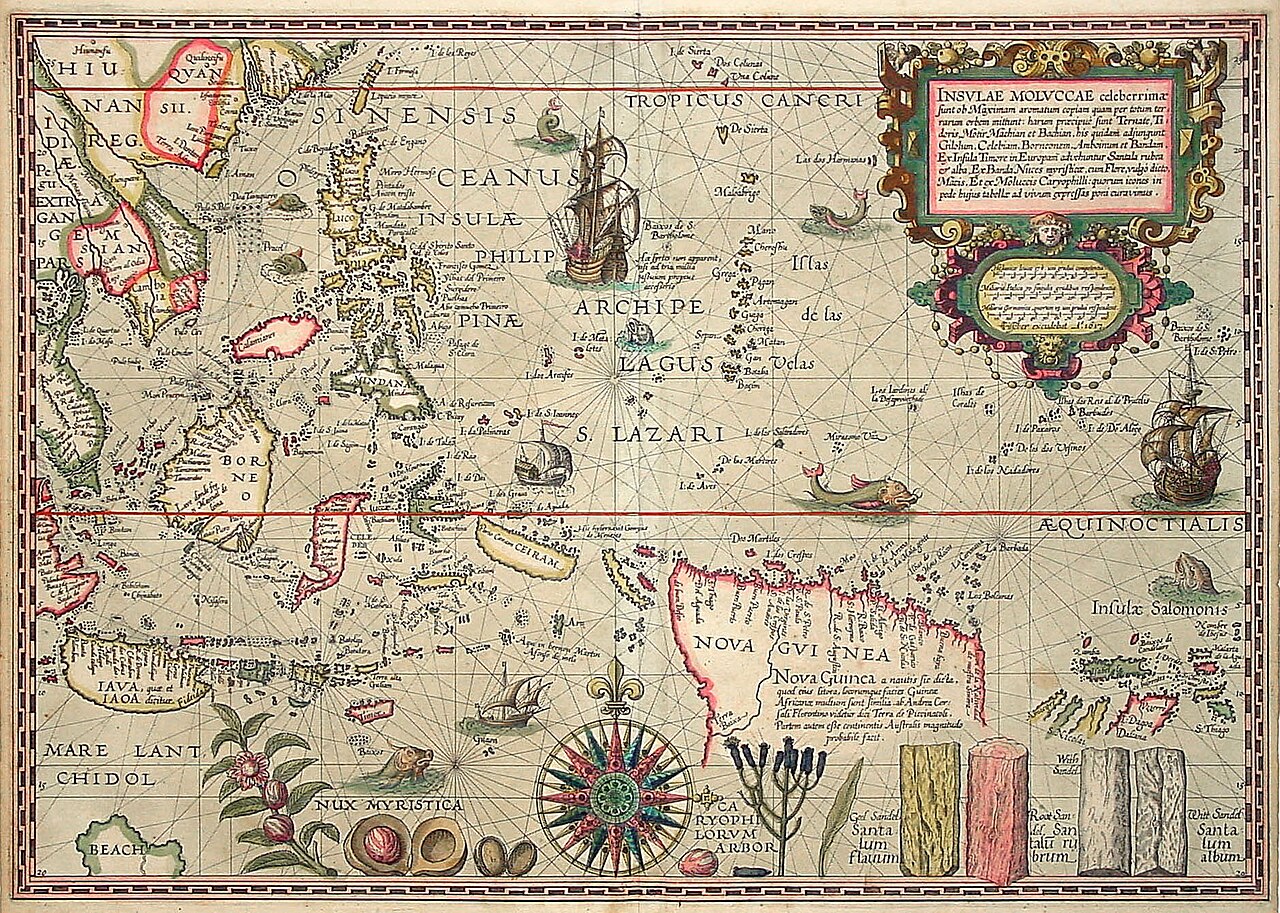
The Historical Spice Trade
From ancient Indian Ocean sailors to Dutch monopoly companies, the global hunger for pepper, cinnamon, cloves, and nutmeg reshaped trade routes and empires for centuries.
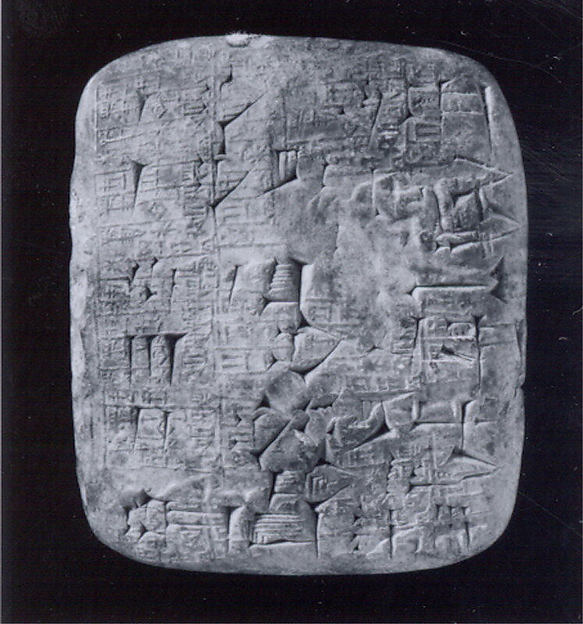
Trade and Tribute in Ancient Mesopotamia
Ancient Mesopotamian cities traded timber, metal, and lapis lazuli across the Near East while later empires like Assyria extracted tribute from conquered lands.
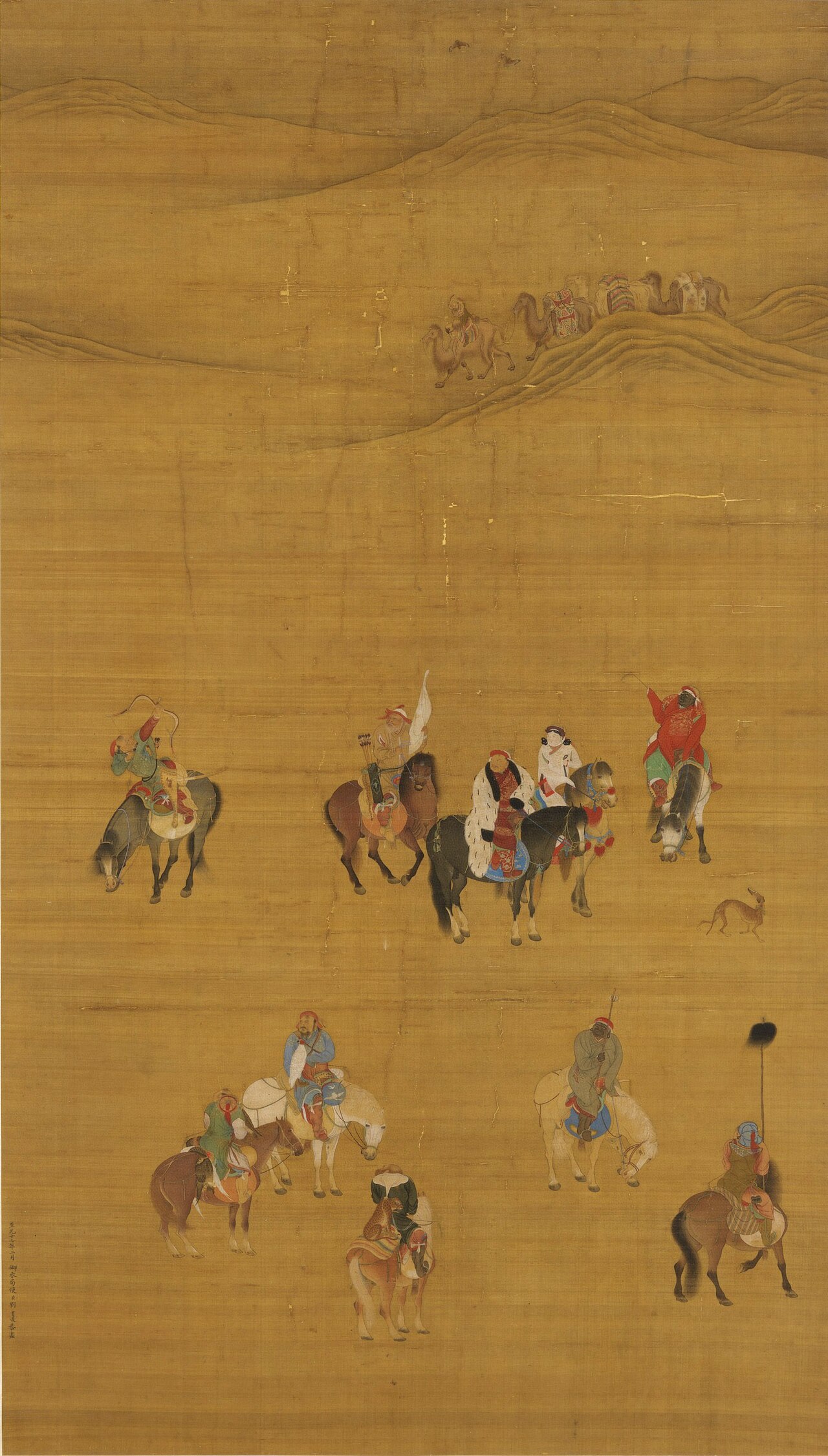
The Mongol Peace and the Revival of the Silk Road
Learn how the Mongol Peace reopened Silk Road trade routes across Eurasia, letting merchants, missionaries, goods, and ideas travel farther than before.
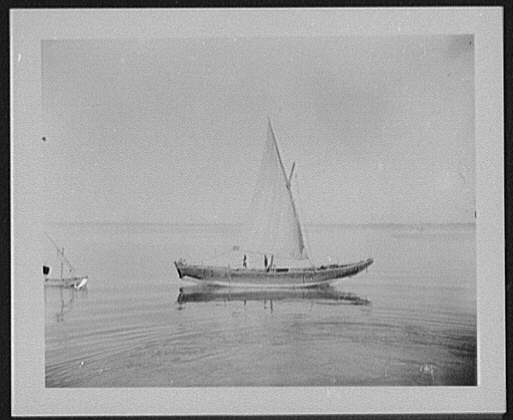
Indian Ocean Trade Networks
Seasonal monsoon winds and a shared body of nautical knowledge turned the Indian Ocean into one of the premodern world's busiest and most cosmopolitan trading arenas.
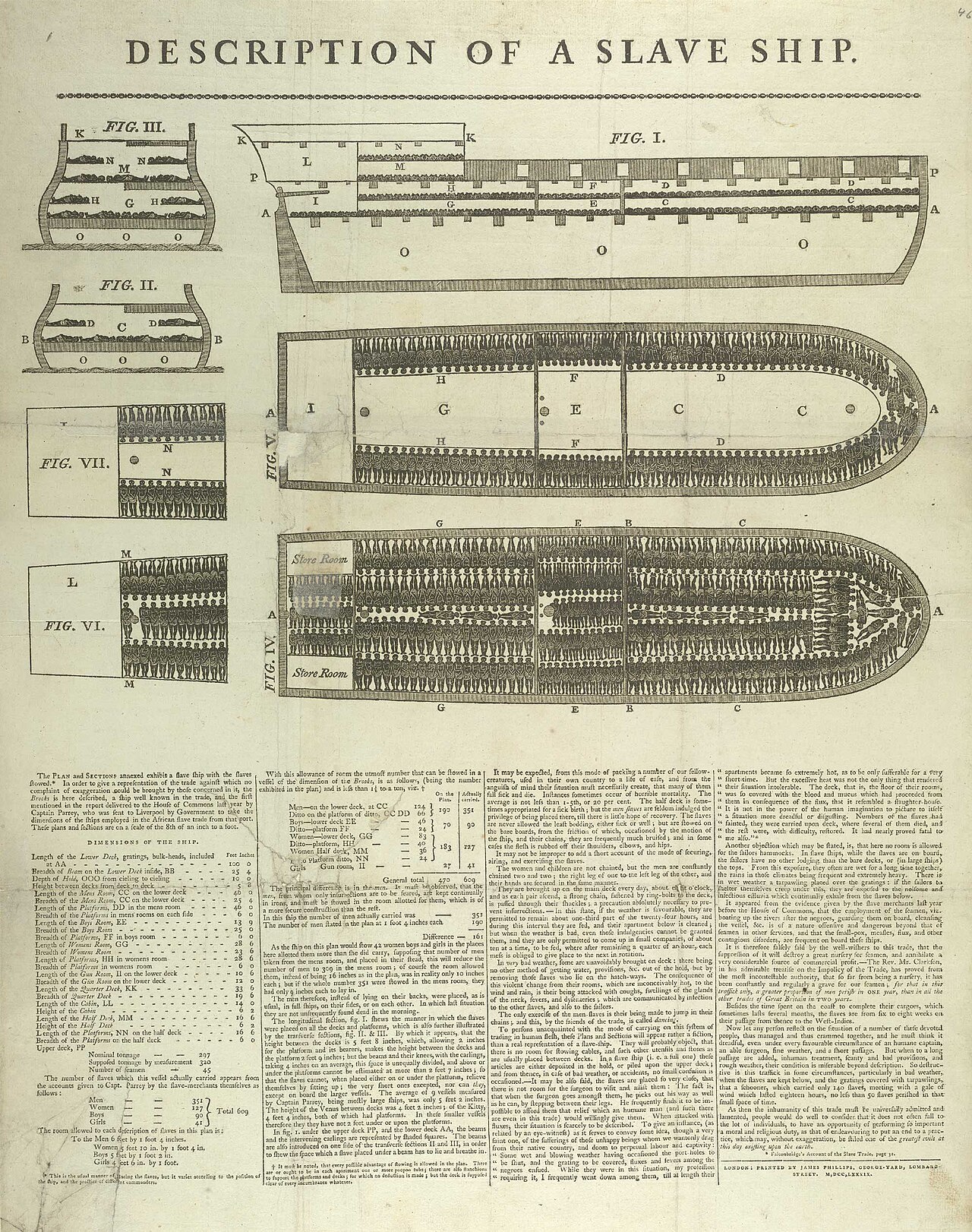
Atlantic Trade and the Human Cost of Enslavement
The Atlantic trading system moved vast wealth between three continents, but it was built on the forced transport and enslavement of millions of African people.
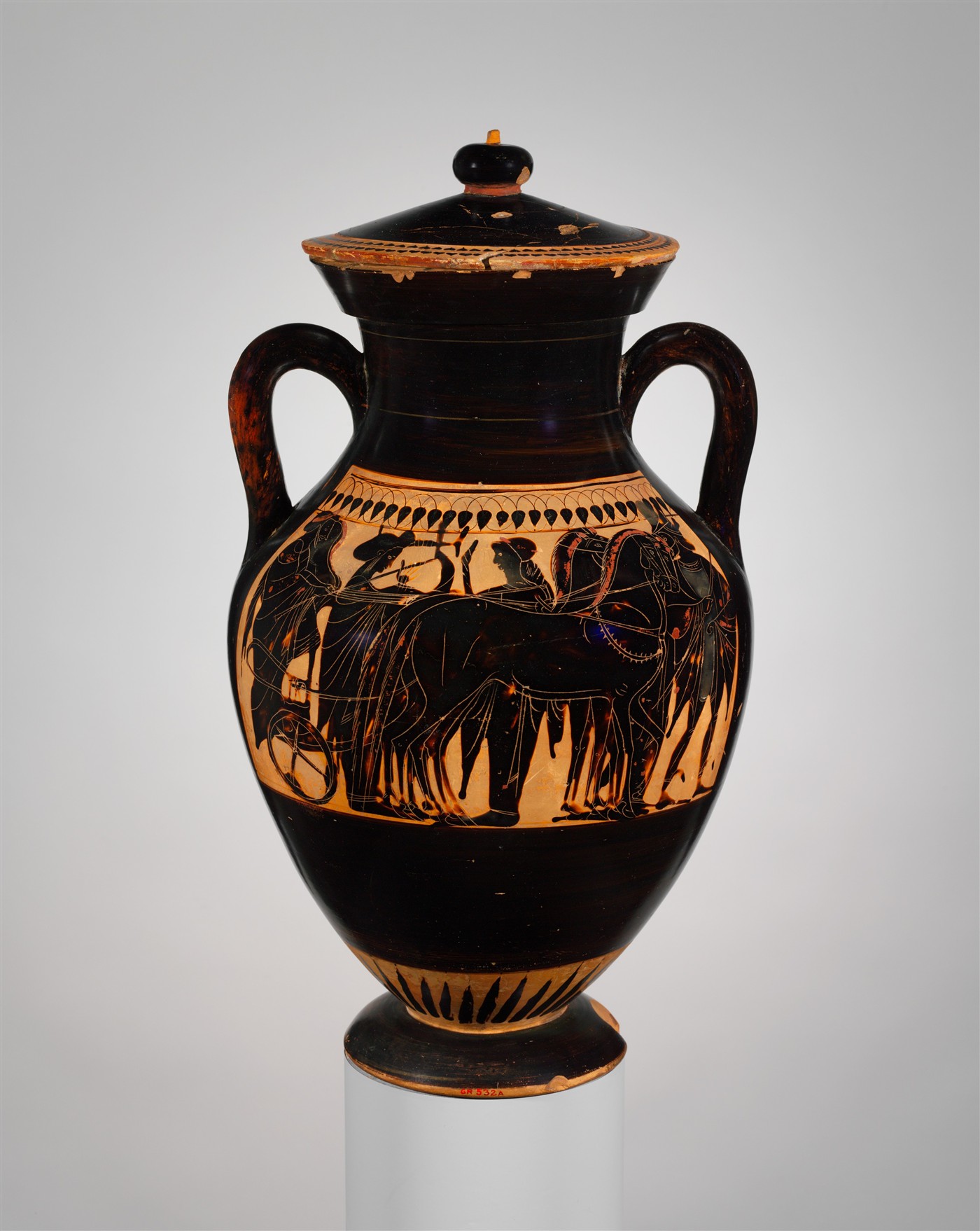
Mediterranean Commerce in the Ancient World
Phoenician, Greek, Carthaginian, and Roman merchants turned the Mediterranean Sea into a bustling highway for goods, people, and ideas for well over a thousand years.
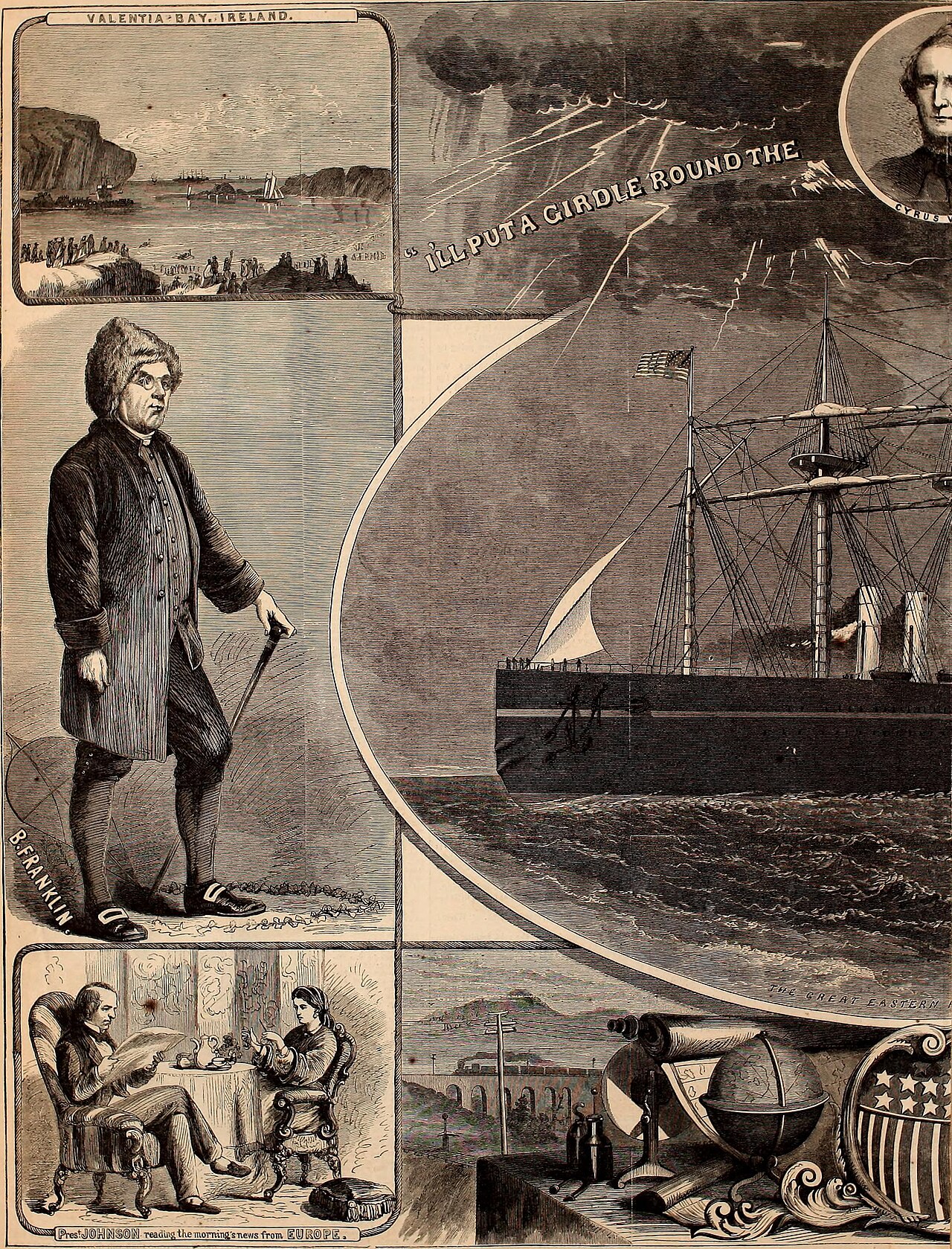
The Telegraph and Faster Commercial Communication
Electric telegraphy collapsed the time it took for commercial information to travel, reshaping markets, shipping, and the pace of business decisions worldwide.
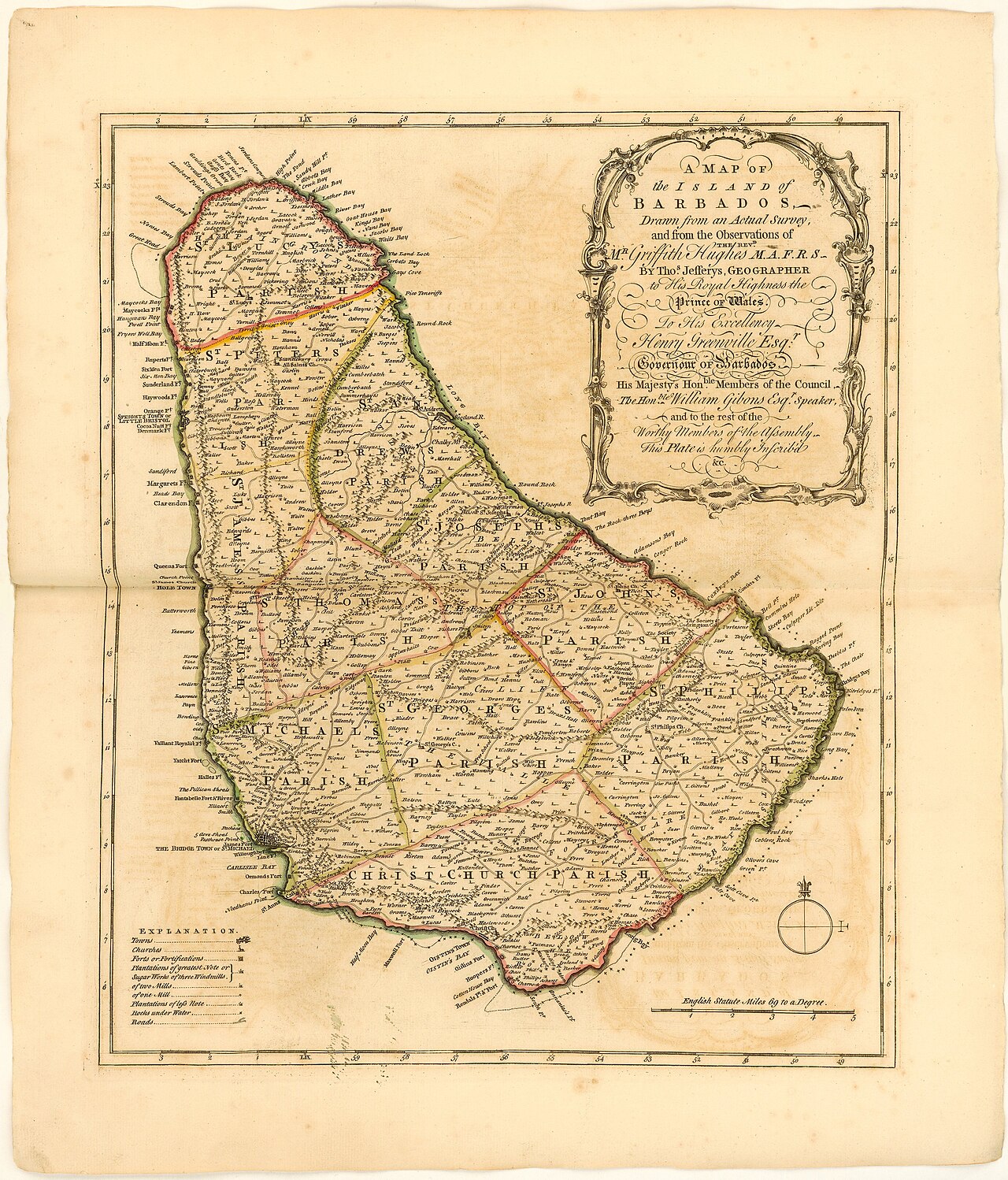
Sugar and the Plantation Economy of the Atlantic World
An examination of how sugar cultivation built a brutal plantation labor system across the Atlantic world, sustained by the forced labor of enslaved people.
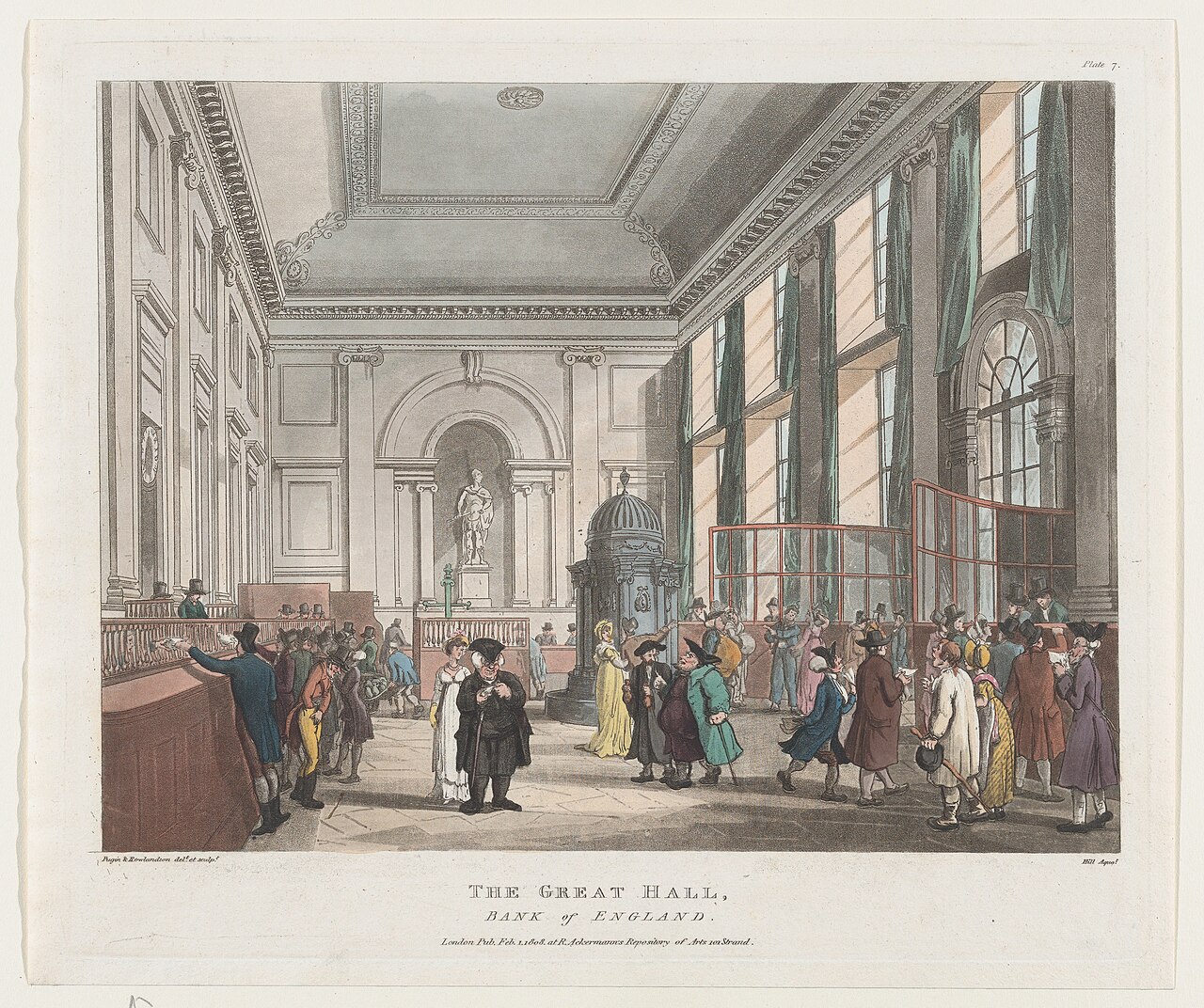
The Gold Standard and the Rise of International Finance
The gold standard tied national currencies to a fixed gold value, shaping international finance, trade settlement, and monetary policy for nearly a century.
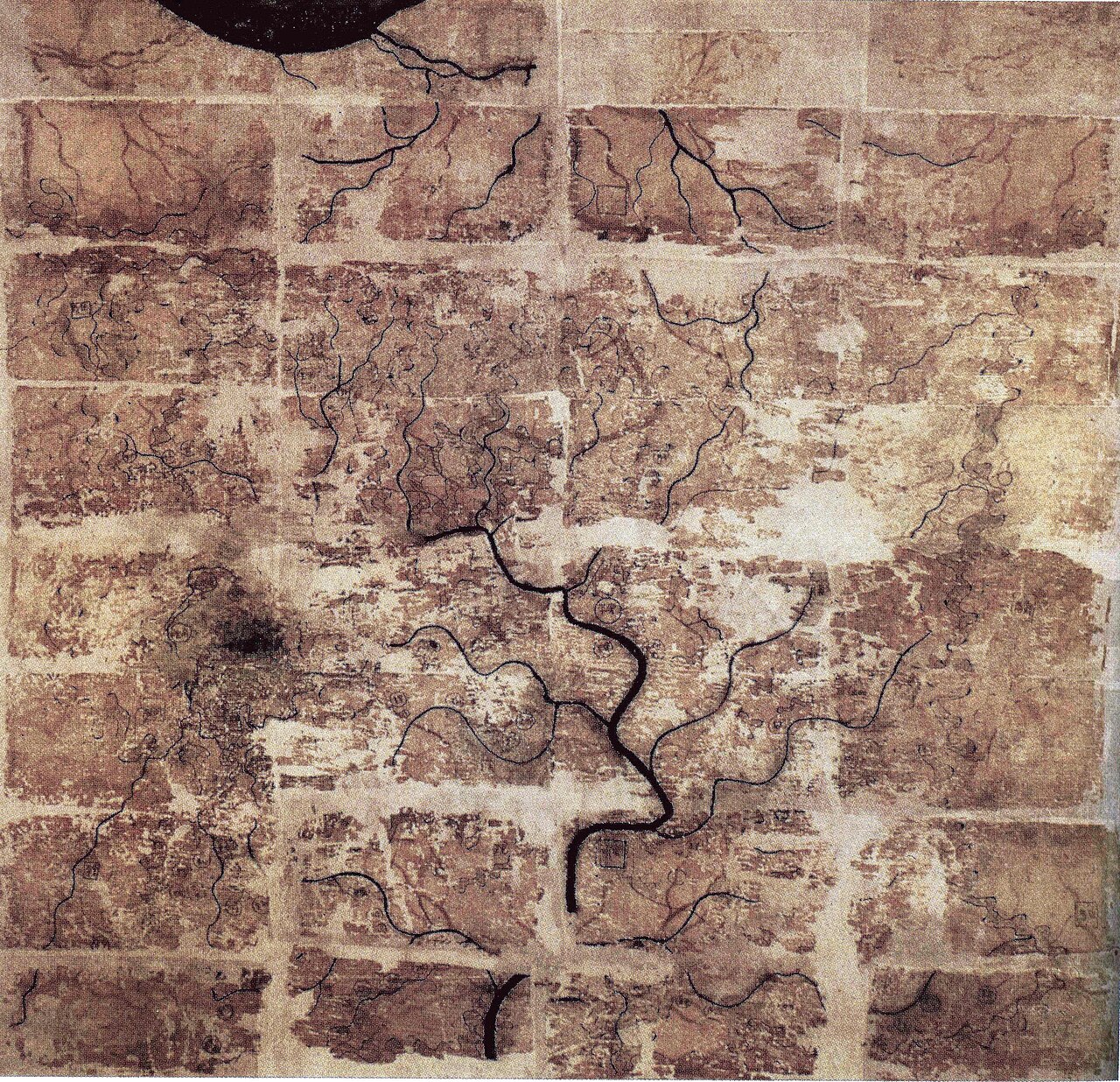
The Silk Roads and the Movement of Goods and Ideas
The overland and maritime routes known collectively as the Silk Roads carried silk, spices, and metals, but also religions, technologies, and diseases across continents.
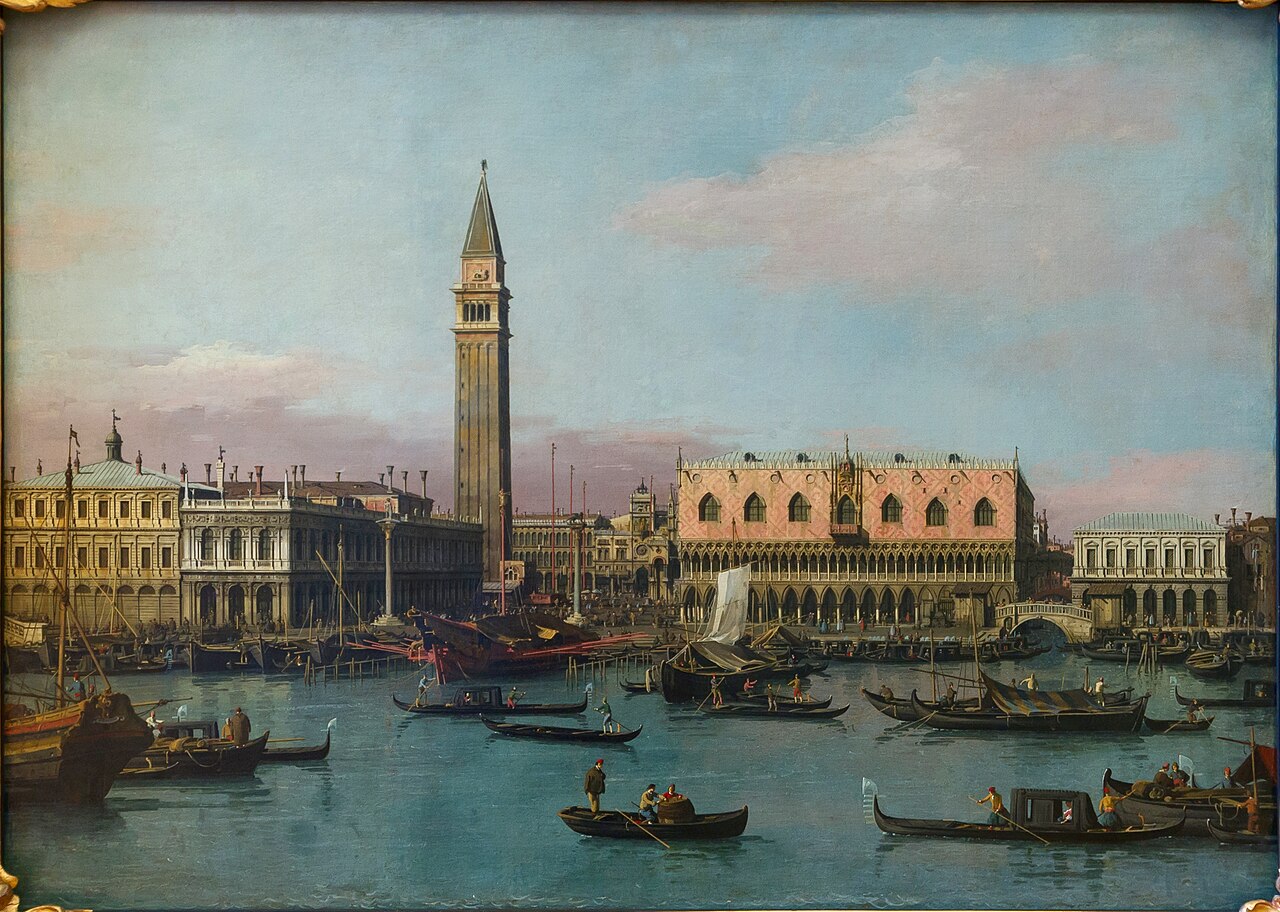
Venice, Genoa, and the Rivalry for Mediterranean Trade
See how Venice and Genoa's centuries-long rivalry for Mediterranean trade shaped medieval commerce, naval warfare, and early financial innovation in Europe.
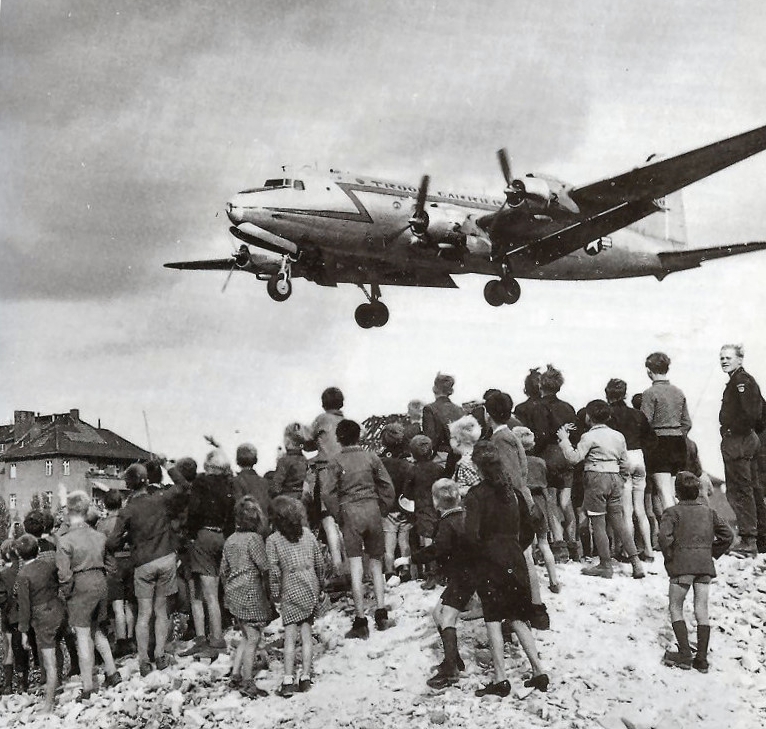
Air Freight and High-Speed Global Trade
From wartime airlifts to overnight delivery networks, air cargo compressed global distances and let perishable, urgent, and high-value goods move in hours rather than weeks.
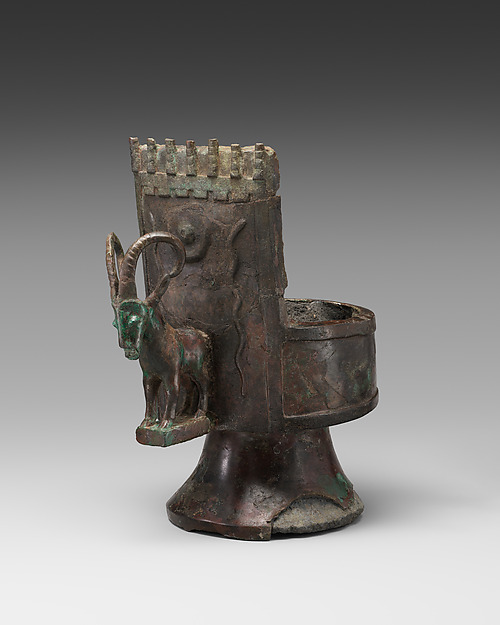
The Incense Routes of Ancient Arabia
Frankincense and myrrh from southern Arabia fueled ancient caravan and maritime trade routes that enriched kingdoms and linked the region to the Mediterranean.
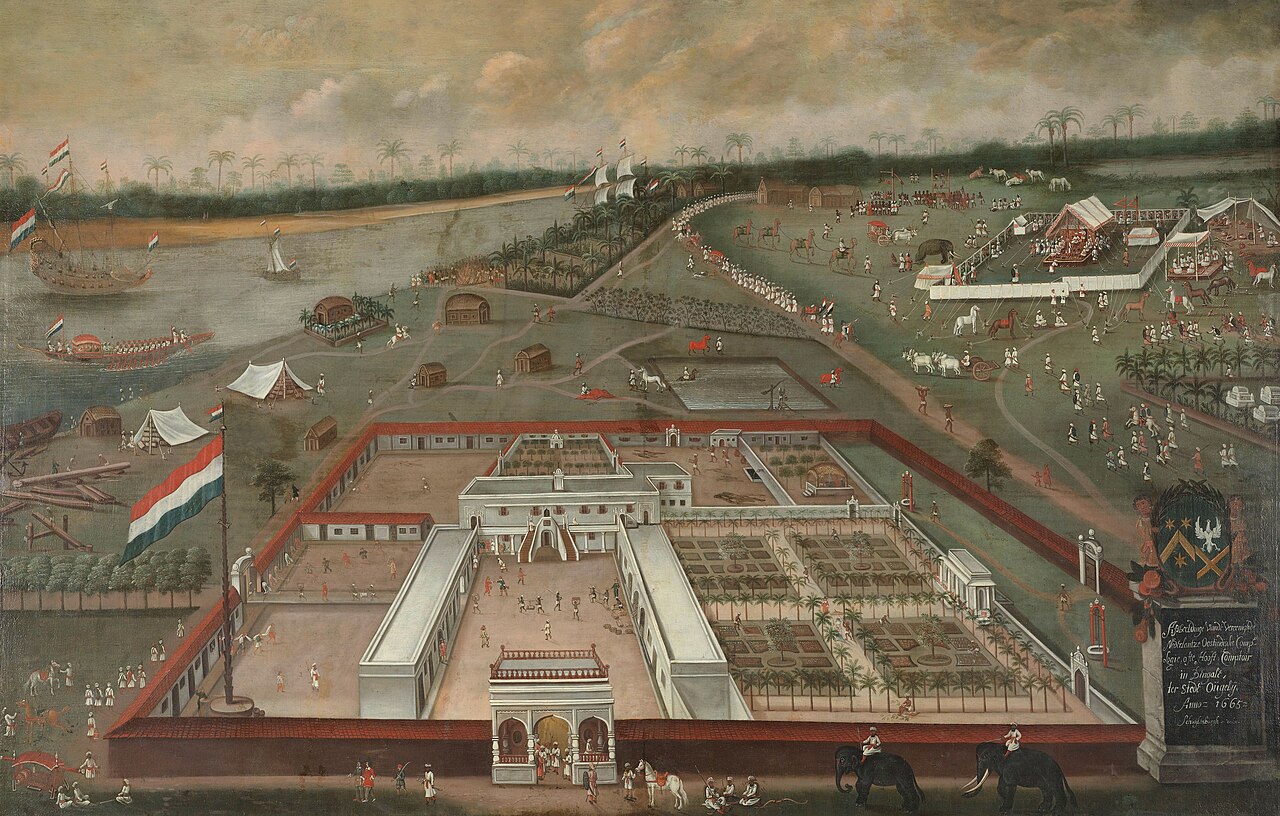
The Rise of Chartered Trading Companies
European monarchs granted private companies monopoly rights over distant trade routes, creating powerful new organizations that reshaped commerce and empire alike.
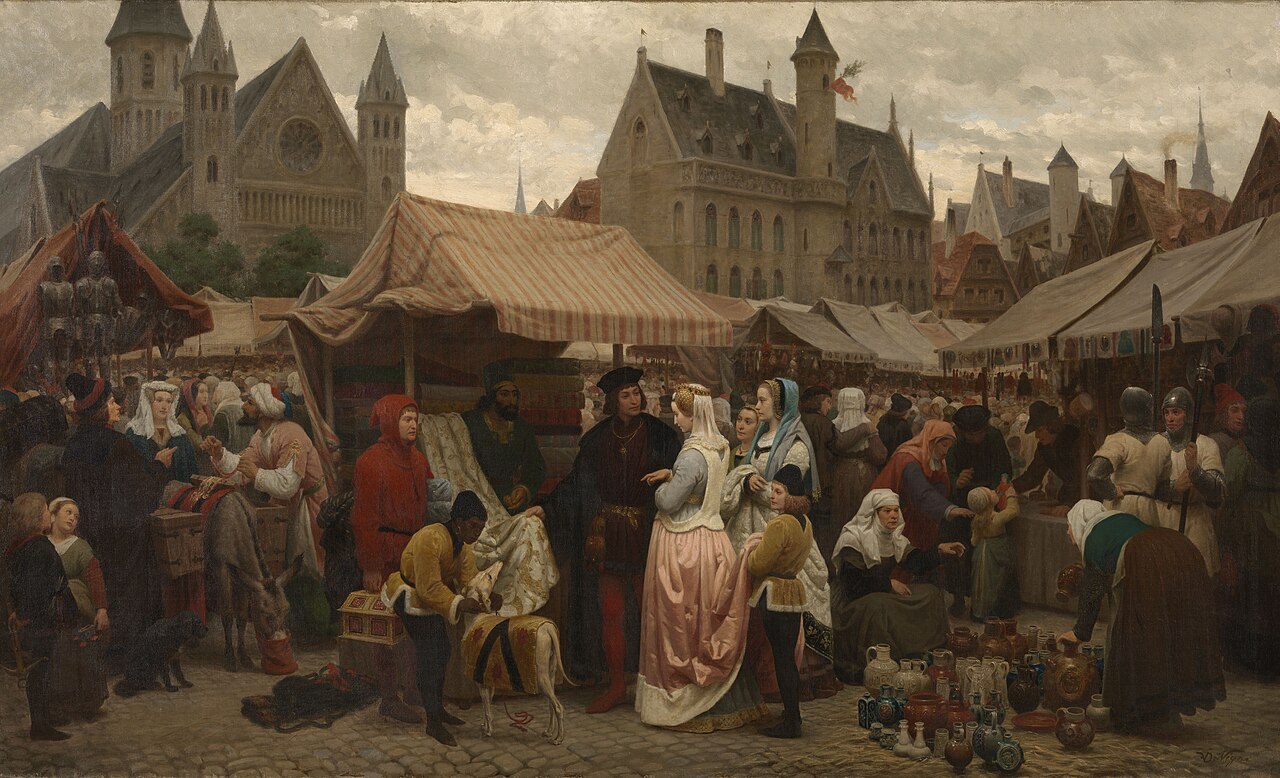
Medieval Fairs and the Growth of Regional Markets
Across medieval Europe, seasonal fairs linked local economies to distant markets, laying commercial foundations that would later support long-distance trade and modern exchange.
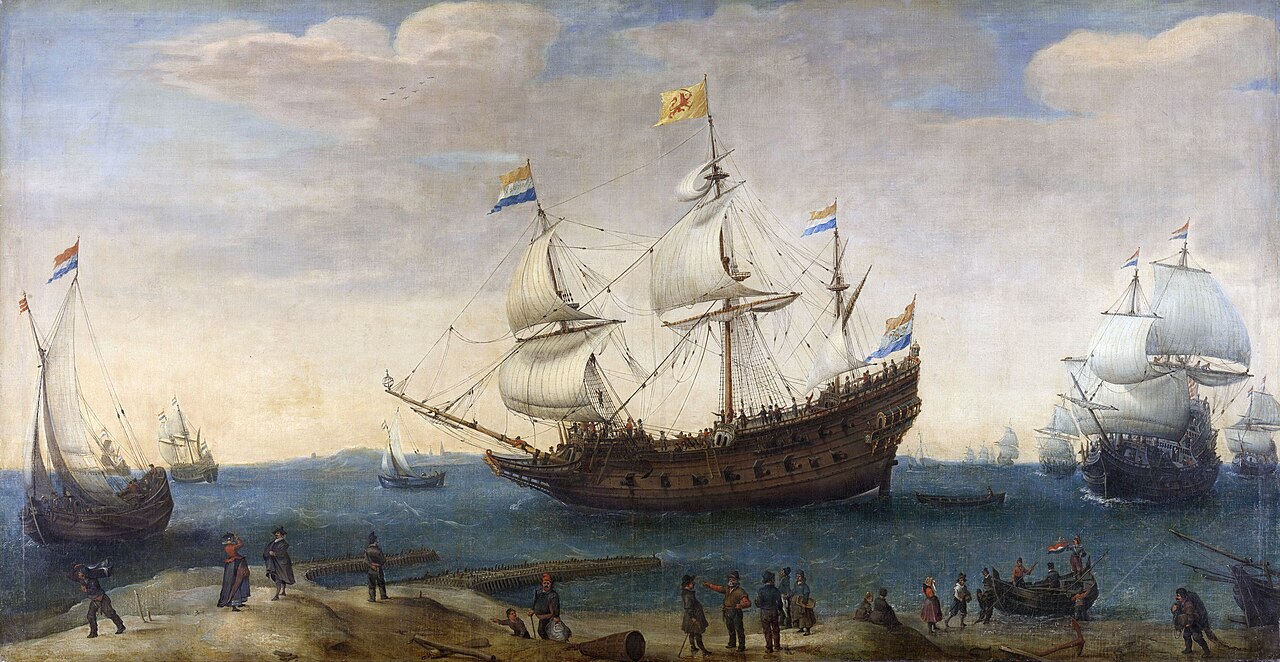
The Dutch Golden Age and the Rise of Global Finance
How a small, waterlogged republic built the first stock exchange, a global trading company, and the financial tools that still shape markets today.
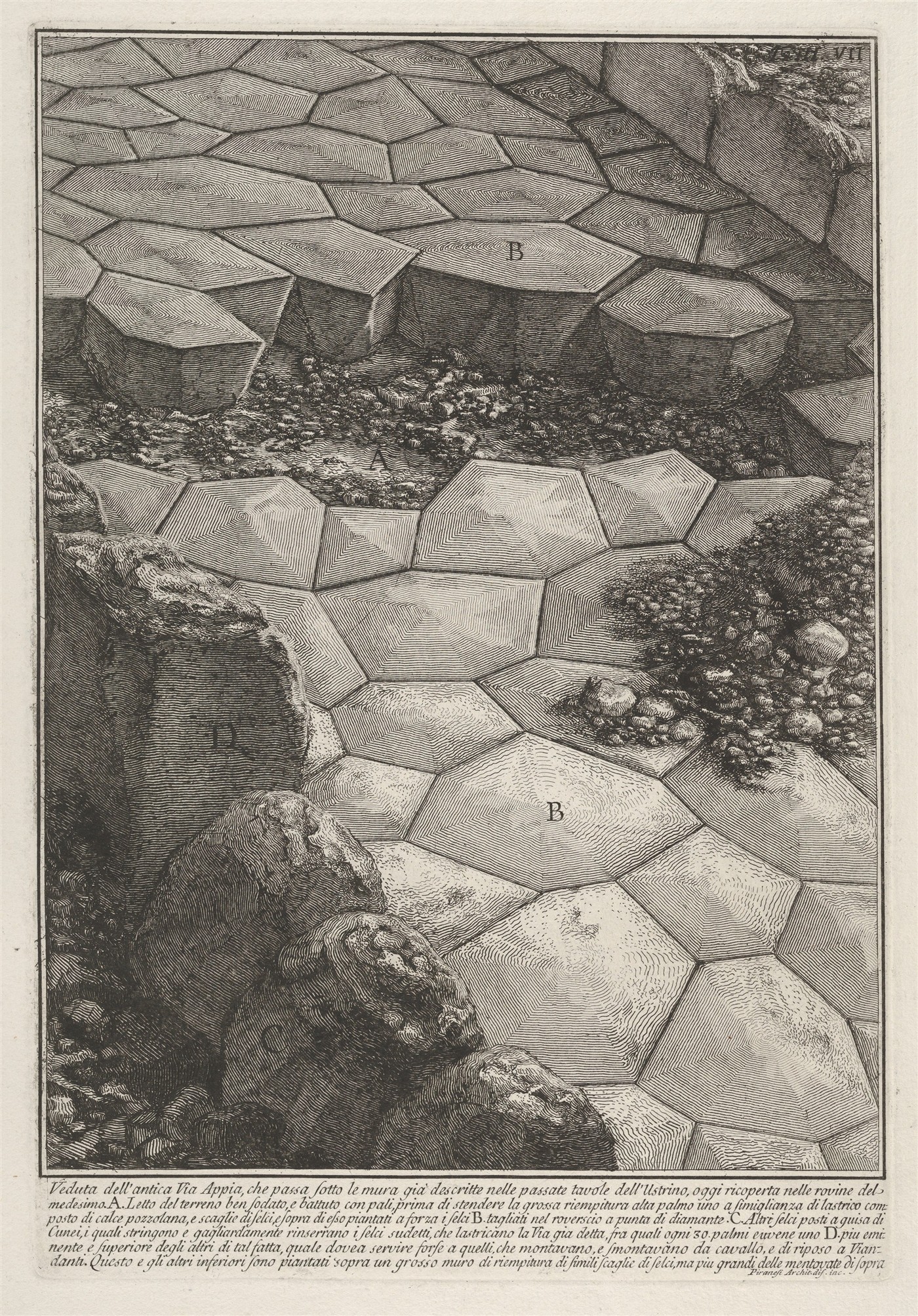
Roman Roads and Commercial Expansion
An engineered network of roads, ports, and shipping lanes helped knit the Roman world into one of history's largest integrated marketplaces.
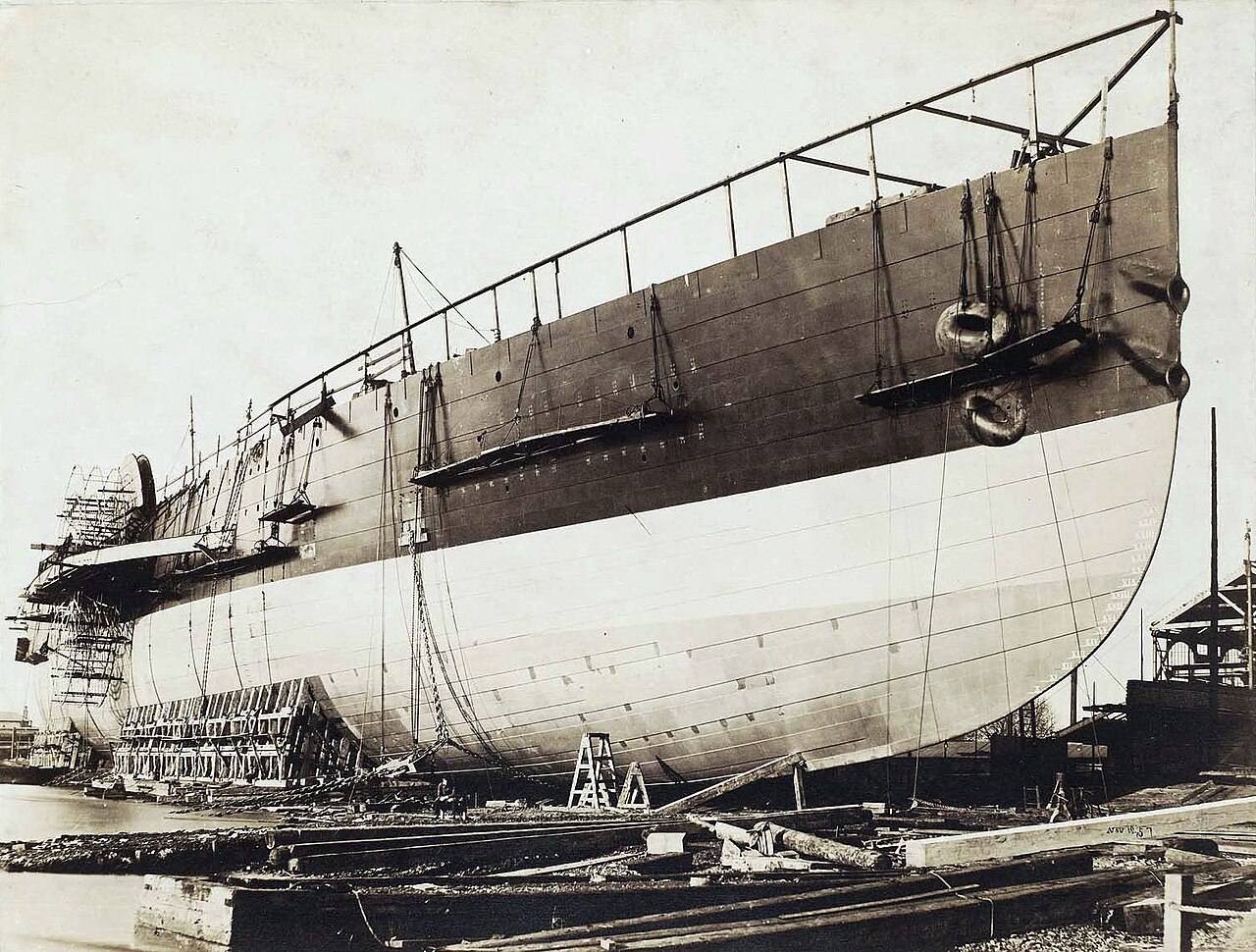
Steamships and the Transformation of Maritime Commerce
Steam propulsion freed ocean shipping from the limits of wind and current, reordering trade routes, shipping costs, and the balance of maritime power.
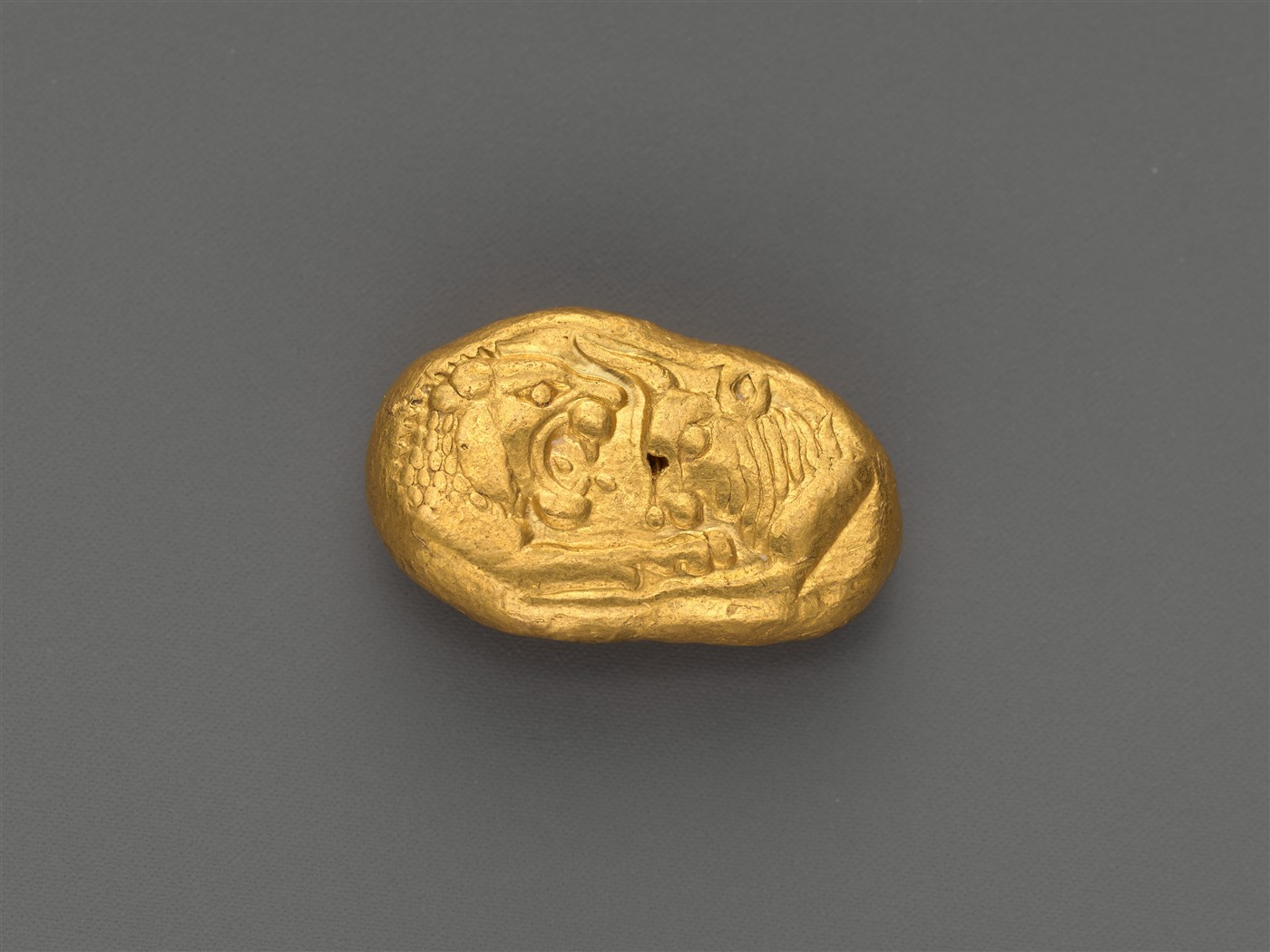
The Development of Markets in Ancient Societies
As ancient cities grew more complex, informal exchange gradually gave way to organized marketplaces, standardized measures, and early forms of currency.

Trade Networks Across the Pre-Columbian Americas
Long before European contact, Indigenous civilizations across the Americas built extensive trade networks moving goods across thousands of miles without wheeled transport or oceangoing ships.
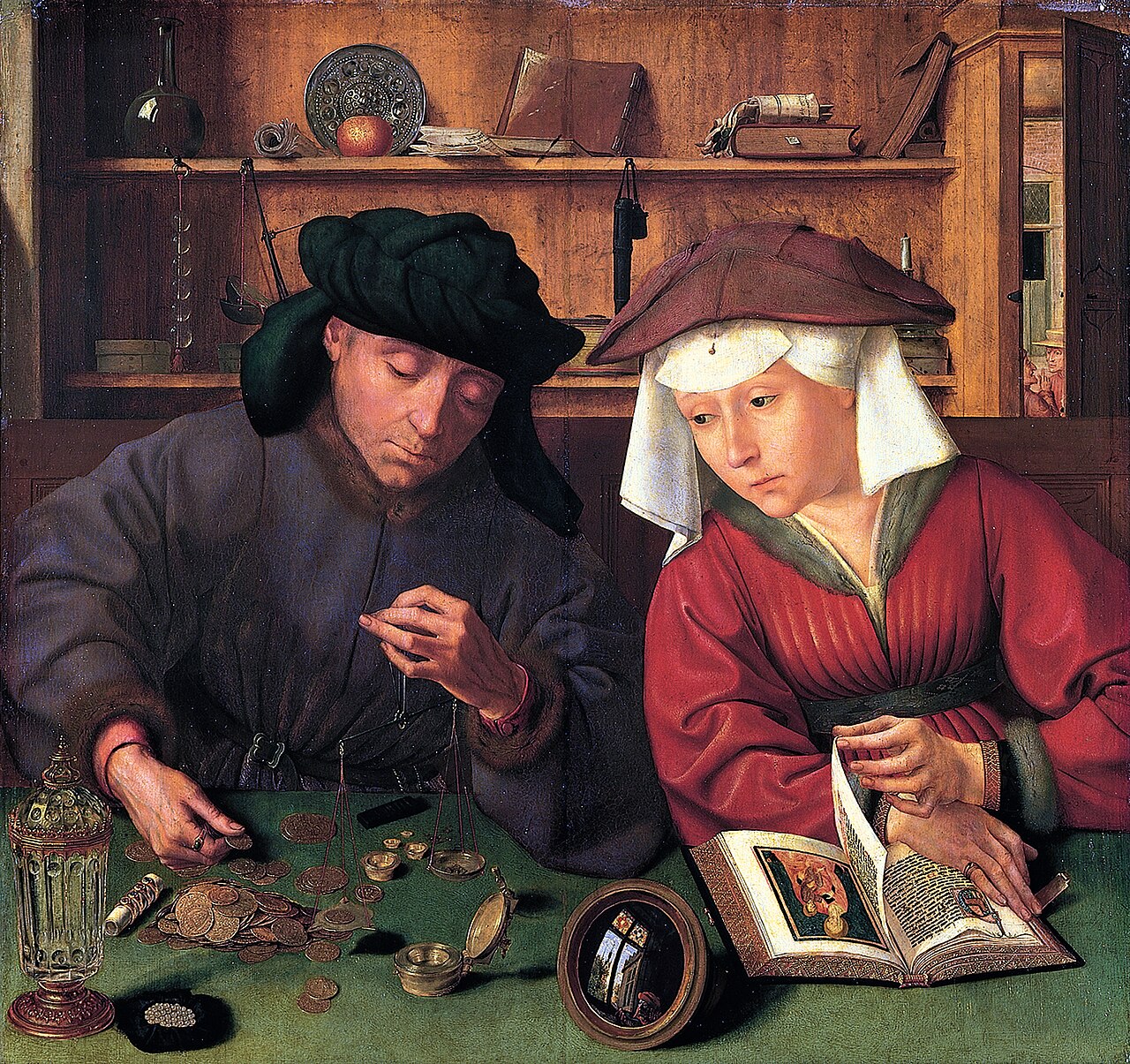
Banking and Credit in Early Commerce
Long before modern banks existed, merchants and financiers developed credit instruments and institutions that allowed trade to travel farther than gold and silver ever could alone.
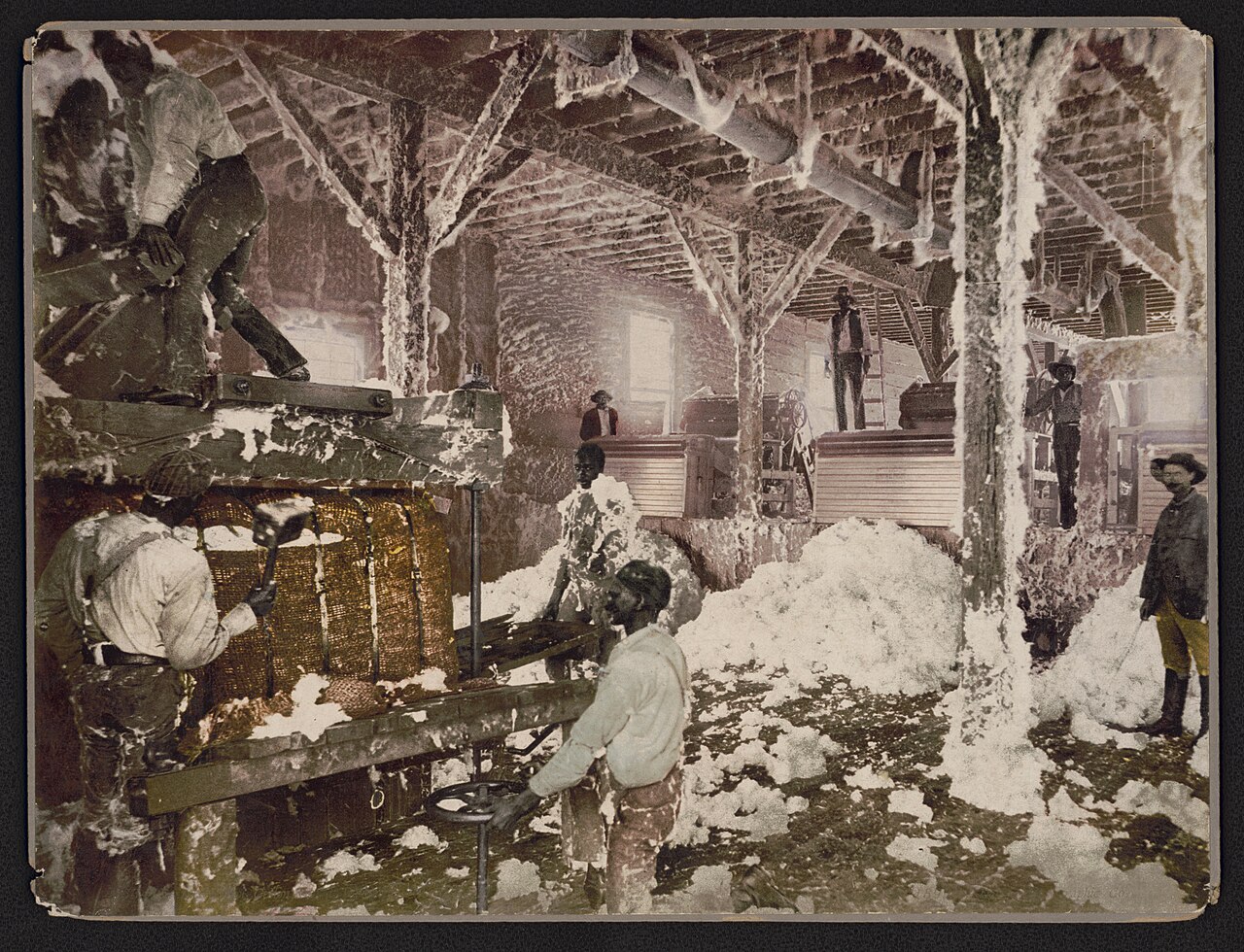
Cotton and the Global Trade in Raw Materials
How the global cotton trade, fueled by enslaved labor in the American South and colonial farming systems abroad, shaped modern industrial-era commerce.
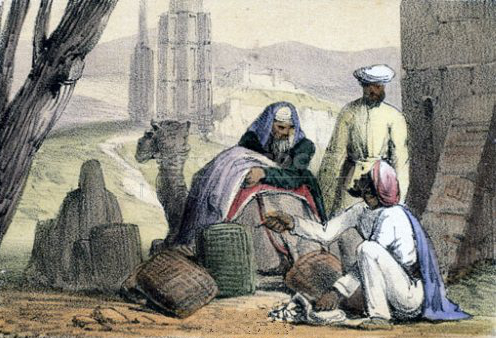
How Early Communities Exchanged Goods Before Currency
Long before coins or paper money existed, human communities moved goods across vast distances through gift exchange, reciprocity, and barter networks.
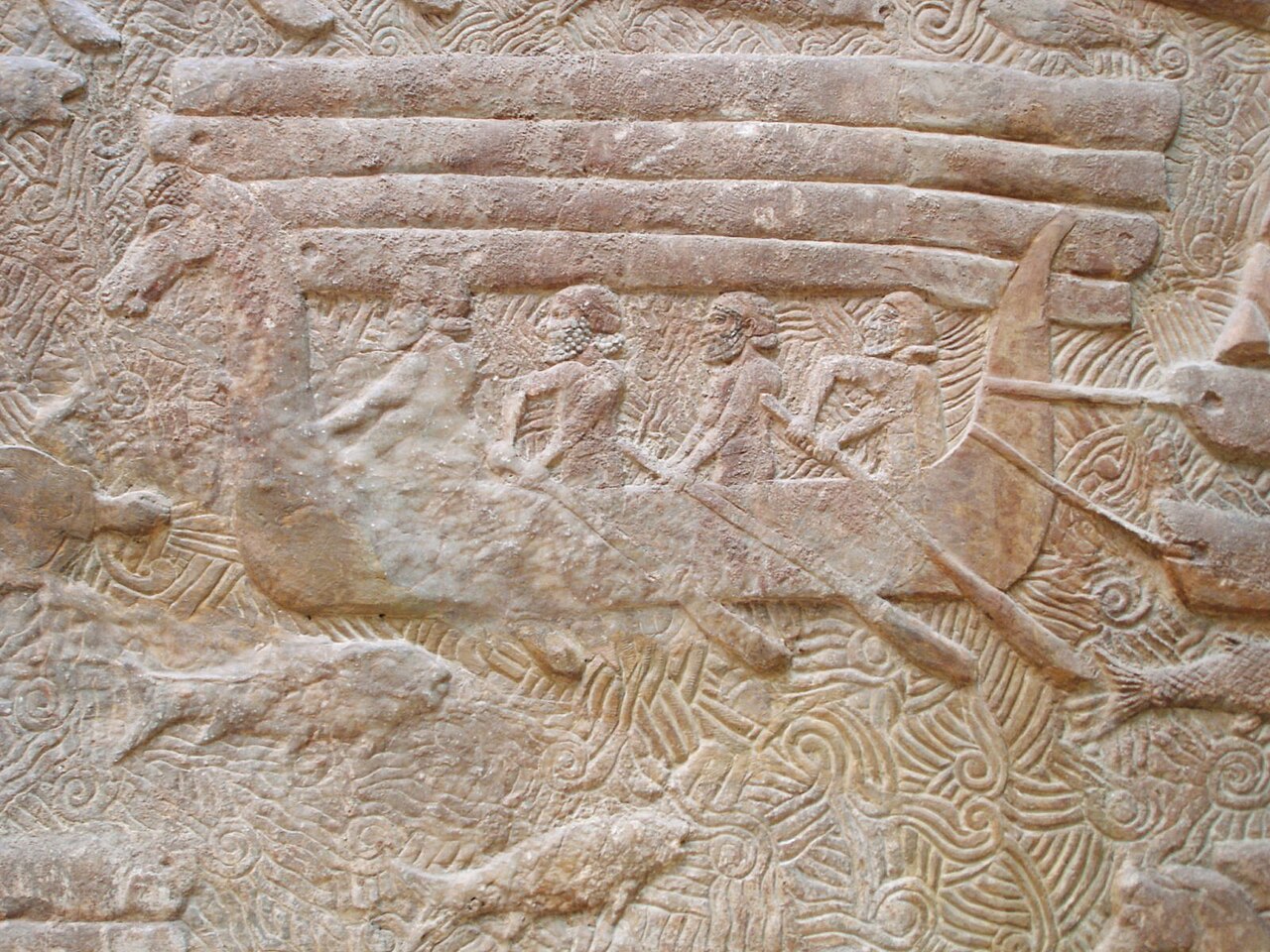
Phoenician Maritime Trade
How a cluster of Levantine port cities built a seaborne commercial network that linked the Mediterranean world and spread an alphabet still in use today.
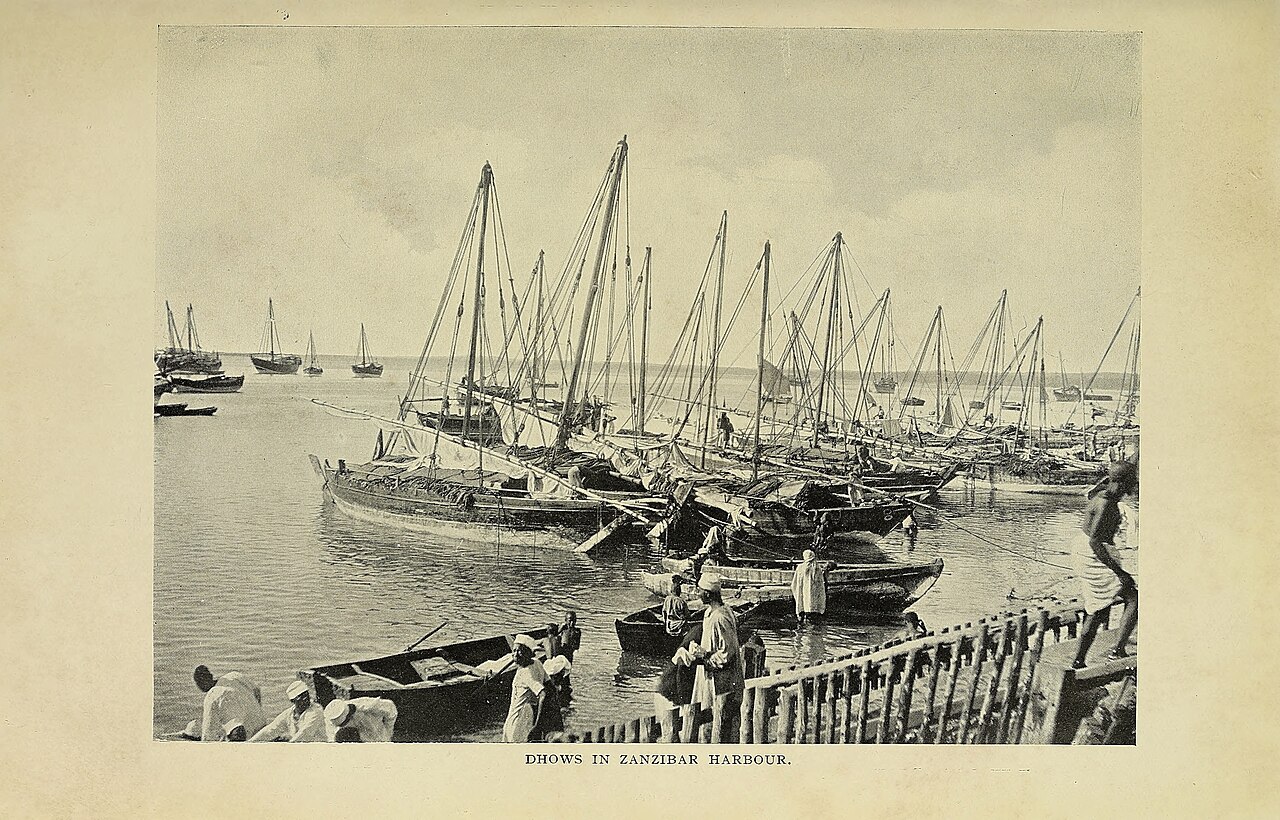
The Swahili Coast and the Indian Ocean City-States
Explore how Swahili Coast city-states like Kilwa and Mombasa built a wealthy medieval trading culture linking East Africa to Indian Ocean commerce for centuries.
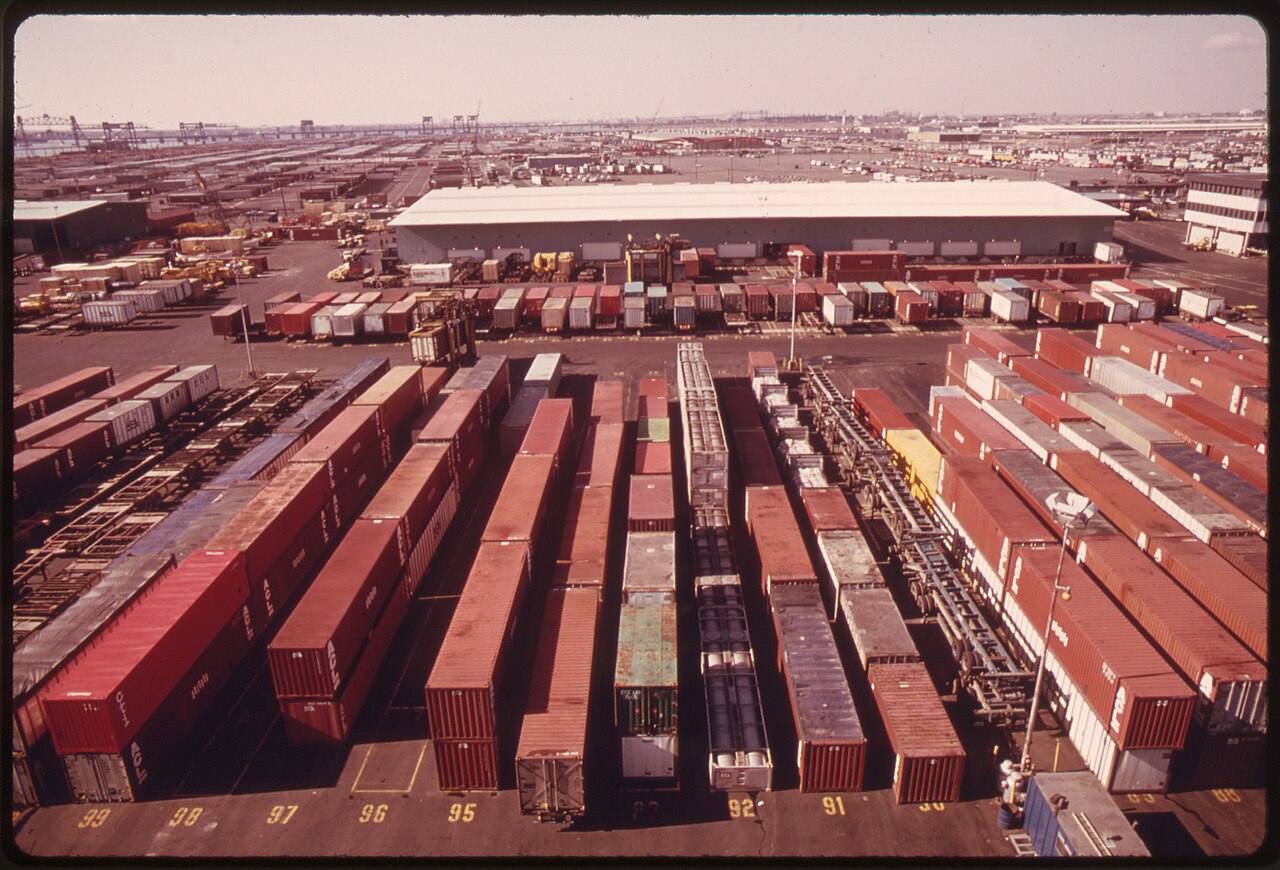
Container Shipping and the Modern Supply Chain
A simple steel box standardized how the world moves goods, cutting shipping costs and reshaping global manufacturing, labor, and trade routes in the process.

Obsidian and the World's Oldest Known Trade Networks
Long before writing existed, prehistoric communities in Anatolia, Mesoamerica, and the Pacific built trade networks around volcanic glass known as obsidian.
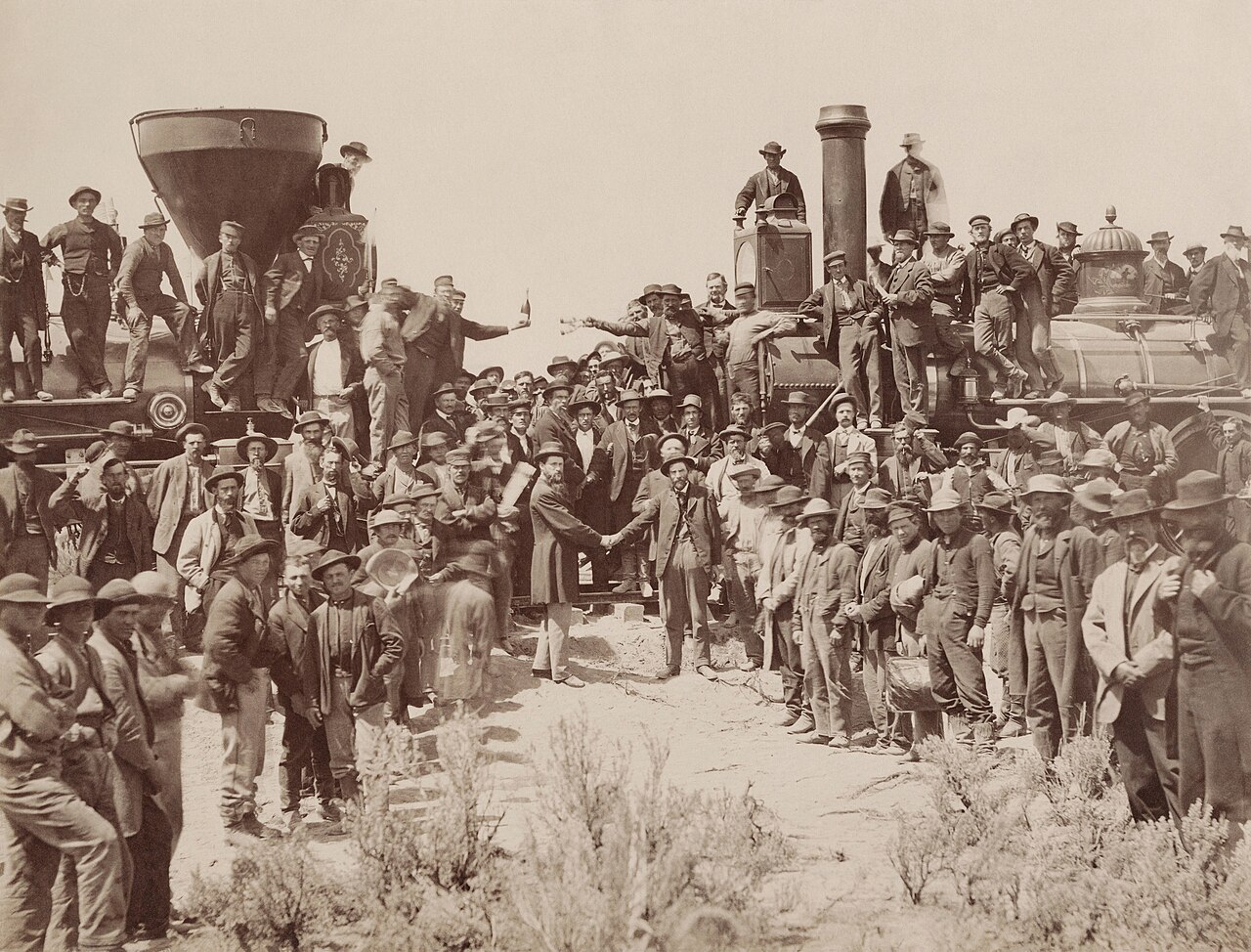
Railroads and the Expansion of Inland Trade
Steam-powered rail networks pulled farms, mines, and factories into national and global markets, reshaping how goods moved and who profited from them.