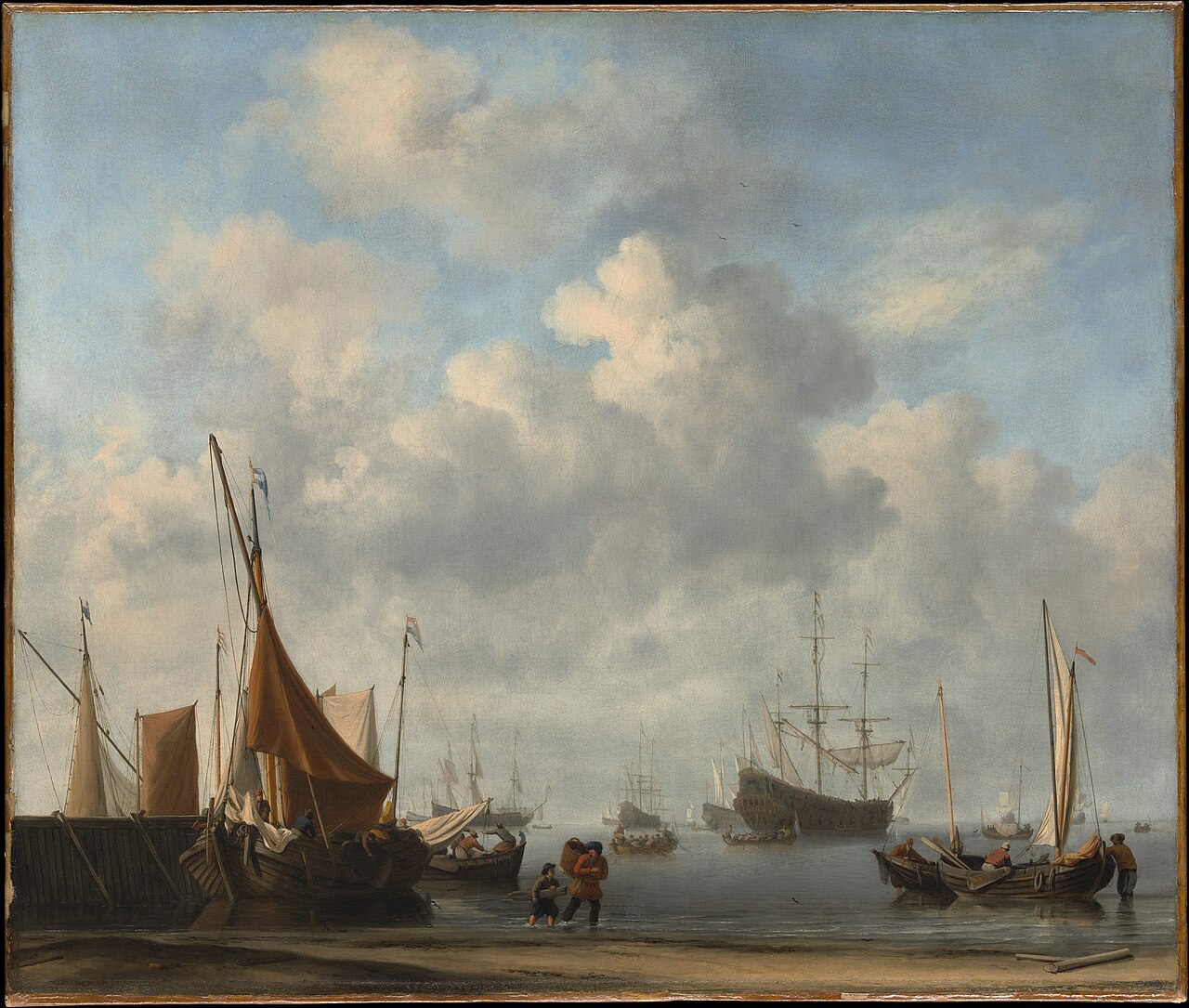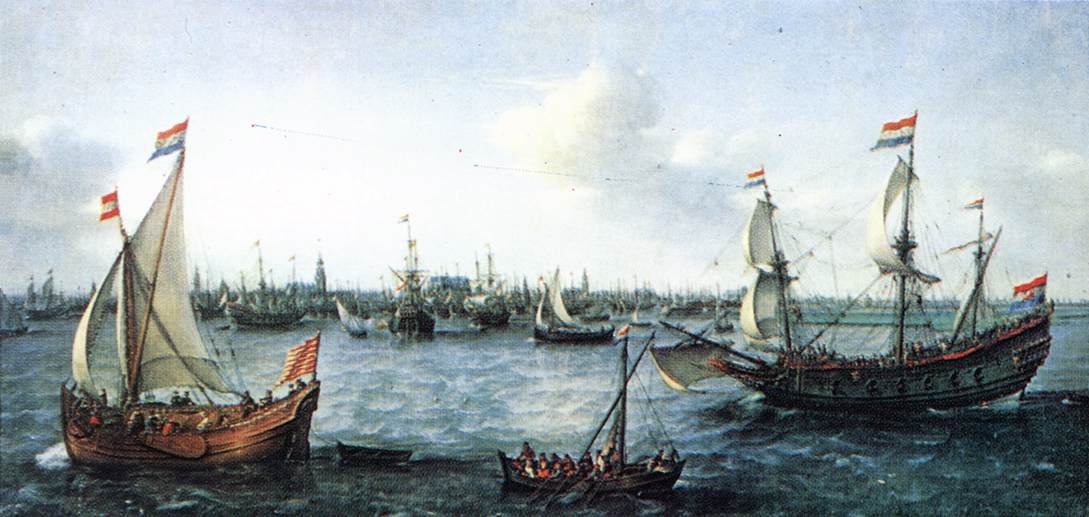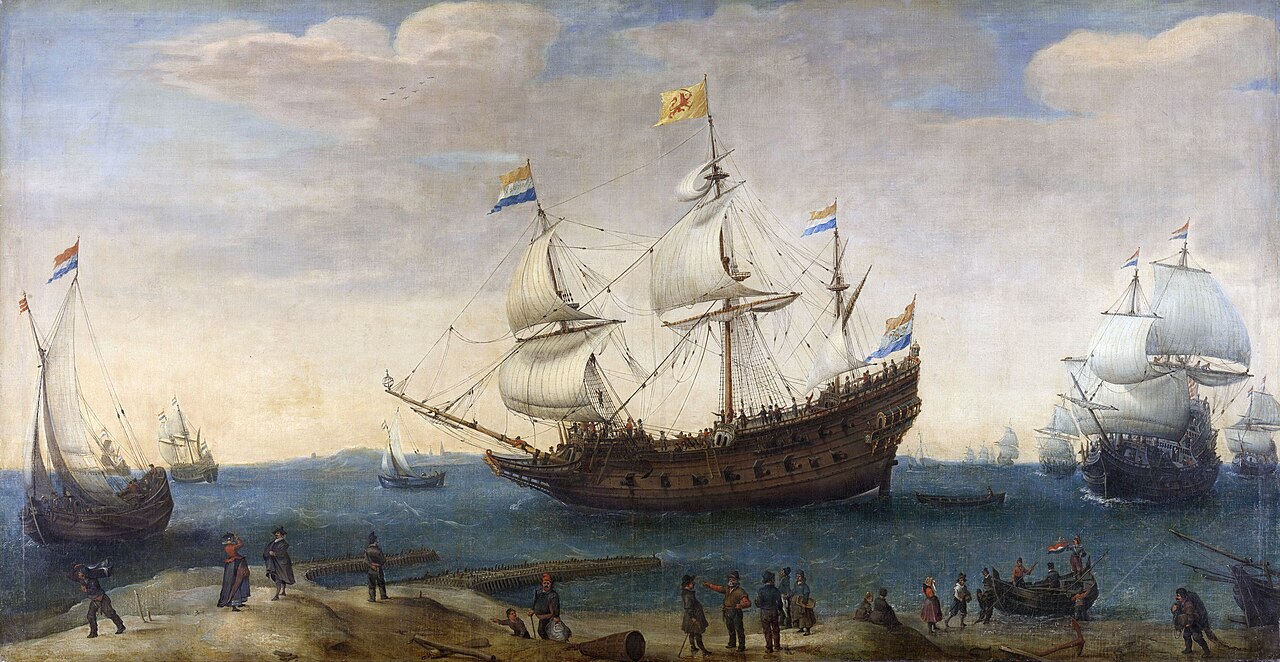
In the seventeenth century, a narrow strip of reclaimed land on the edge of the North Sea became, for a few remarkable decades, the financial capital of the world. The Dutch Republic had no empire to match Spain's and no population to rival France's, yet it built a trading and banking system so effective that historians still describe the period roughly from the 1580s to the 1670s as the Dutch Golden Age. What made Amsterdam extraordinary was not simply the goods that passed through its harbor but the financial inventions that grew up alongside them: tradable company shares, a formal stock exchange, and institutions for moving and storing money that other nations would spend the next two centuries copying.
From Herring Boats to a Maritime Trading Power
The foundations of Dutch commercial strength were laid well before the Golden Age itself. Fishing fleets, especially for North Sea herring, taught generations of Dutch sailors and merchants how to organize large-scale, capital-intensive ventures and how to preserve and ship perishable goods efficiently. The Low Countries also sat at a natural crossroads of European trade, with access to the Baltic grain routes, the Rhine River trade into Germany, and the English Channel. By the late 1500s, Dutch merchants were already dominating the Baltic grain and timber trade, a business so central to the republic's economy that some historians have called it the "mother trade" that financed everything that followed.
Political change mattered too. The northern provinces' long revolt against Spanish Habsburg rule, formalized in stages from the 1570s through the 1648 Peace of Westphalia, pushed merchants and skilled refugees, including many Sephardic Jewish and Flemish Protestant families fleeing persecution elsewhere in Europe, toward the relative religious tolerance and commercial freedom of cities like Amsterdam. That migration brought capital, trading networks, and expertise that helped the young republic punch far above its geographic weight.
The Dutch East India Company and the Invention of Shareholding
The single most consequential institution of the era was the Dutch East India Company, founded in 1602 and generally known by its Dutch initials, VOC. Earlier trading ventures across Europe had typically been funded voyage by voyage, with investors cashing out as soon as a ship returned. The VOC's charter instead pooled capital from a broad set of investors into a single, long-lived company and, crucially, allowed those investors to buy and sell their ownership stakes rather than wait for the company to be dissolved. This is widely considered one of the earliest large-scale examples of a permanent, publicly tradable joint-stock company.
To make those shares tradable, Amsterdam merchants needed a place to buy and sell them, and the city's bourse, formalized in a dedicated exchange building completed in 1611, is often cited by economic historians as the first institution to function as a true stock exchange. Prices for VOC shares moved daily based on news of fleets, wars, and harvests in Asia, and merchants developed early forms of options contracts and short selling. The VOC itself grew into a vast commercial and military enterprise, with its own army, navy, and authority to wage war and administer territory across what is now Indonesia, Sri Lanka, and parts of India, in pursuit of the lucrative spice trade in nutmeg, cloves, and pepper.
Amsterdam as the World's Money Market
Trading shares was only part of the picture. In 1609, Amsterdam established a public exchange bank, generally called the Bank of Amsterdam, which gave merchants a reliable, standardized unit of account at a time when dozens of different coins of varying and often debased value circulated through the city. By depositing coin and bullion and receiving bank credit in return, merchants could settle large international transactions without the risk and expense of physically shipping gold and silver across Europe. Many financial historians treat this as an important early step toward the kind of institutional banking that would later underpin central banks elsewhere.
Amsterdam also developed a dense ecosystem of insurance underwriters, commodity exchanges, and bill-of-exchange trading that let merchants hedge risk and extend credit across borders. This financial sophistication had a well-known dark side: the tulip mania of the mid-1630s, in which contracts for rare tulip bulbs reached extraordinary prices before collapsing, is often cited, though historians debate how economically significant it really was, as an early example of speculative bubbles made possible by these same innovative financial tools.
Prosperity, Power, and Its Costs
The wealth generated by Dutch trade and finance funded a cultural flowering that gave the Golden Age its name beyond economics, supporting painters such as Rembrandt and Vermeer, scientific instrument makers, and a thriving print and publishing industry. Dutch cities also became centers of relative religious and intellectual tolerance that attracted refugees and thinkers from across Europe.
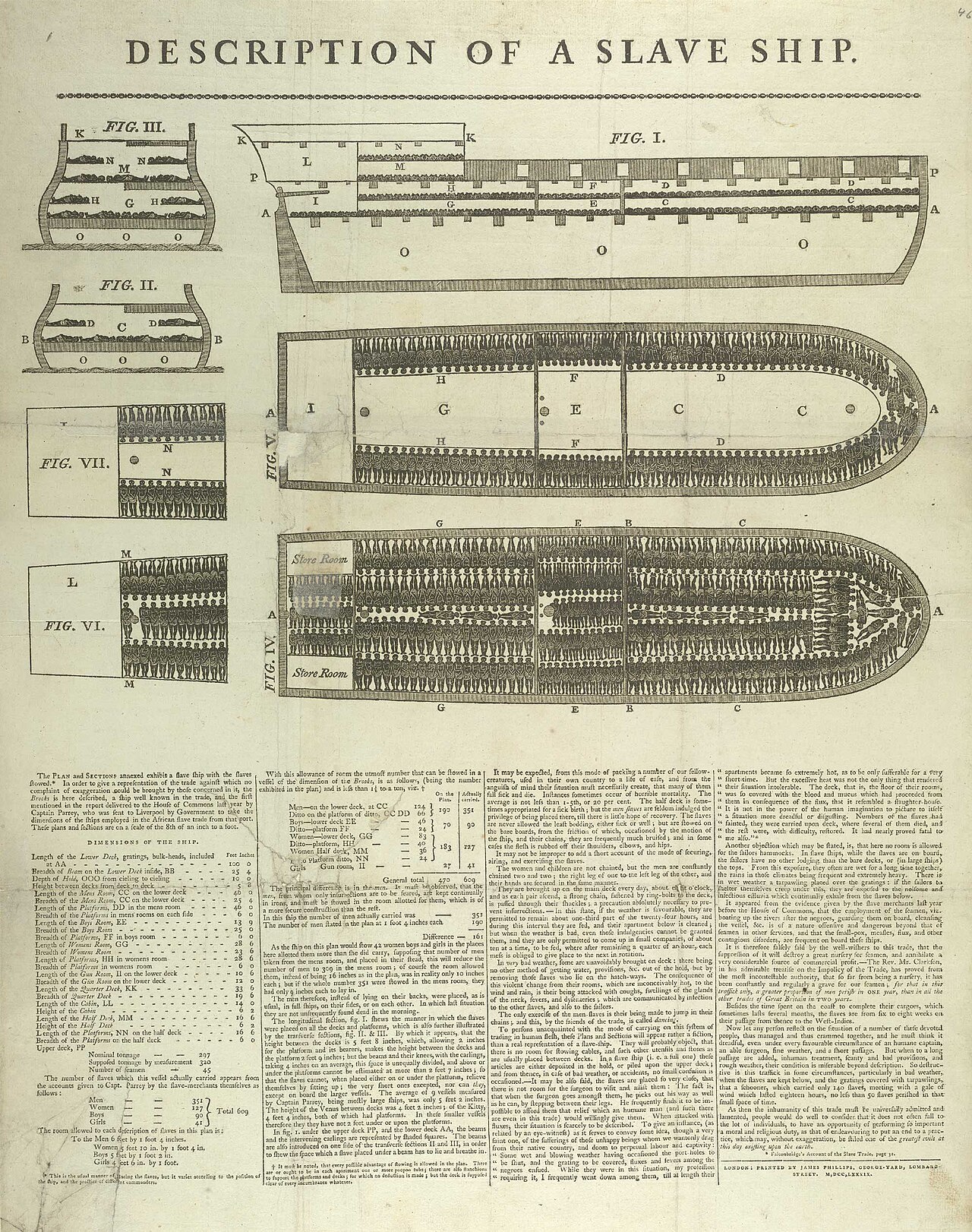
That prosperity rested on practices that caused serious harm. The VOC enforced trading monopolies in the Indonesian archipelago through warfare, coercion, and at times massacre, most notoriously in its campaigns to control the nutmeg-producing Banda Islands. The VOC and the separate Dutch West India Company also participated directly in the trans-Atlantic slave trade and in forced labor systems in colonial territories. Ordinary sailors and soldiers sent on VOC voyages faced brutal conditions and high mortality from disease, and the company's profits were concentrated among a relatively narrow circle of merchant-investors even as the broader Dutch population bore many of the risks of war and economic volatility.
A Lasting Template for Global Finance
By the early eighteenth century, Dutch commercial and naval dominance had been eclipsed by England and France, worn down by costly wars and shifting trade patterns. Yet the financial architecture pioneered in Amsterdam, the publicly traded joint-stock company, the organized stock exchange, and institutional tools for managing international payments, did not disappear. London's financial markets, which came to dominate global finance in the eighteenth and nineteenth centuries, borrowed heavily from Dutch practice, partly through the direct exchange of merchants, bankers, and ideas between the two cities. The policies that rival powers used to compete with Dutch trading dominance are explored further in the article on mercantilism and early modern trade politics, and the broader maritime trading world the VOC operated within is covered on the maritime era timeline. The basic mechanics of a public company raising capital from dispersed shareholders, still central to how global markets operate today, trace a direct line back to a single trading company chartered in Amsterdam in 1602.