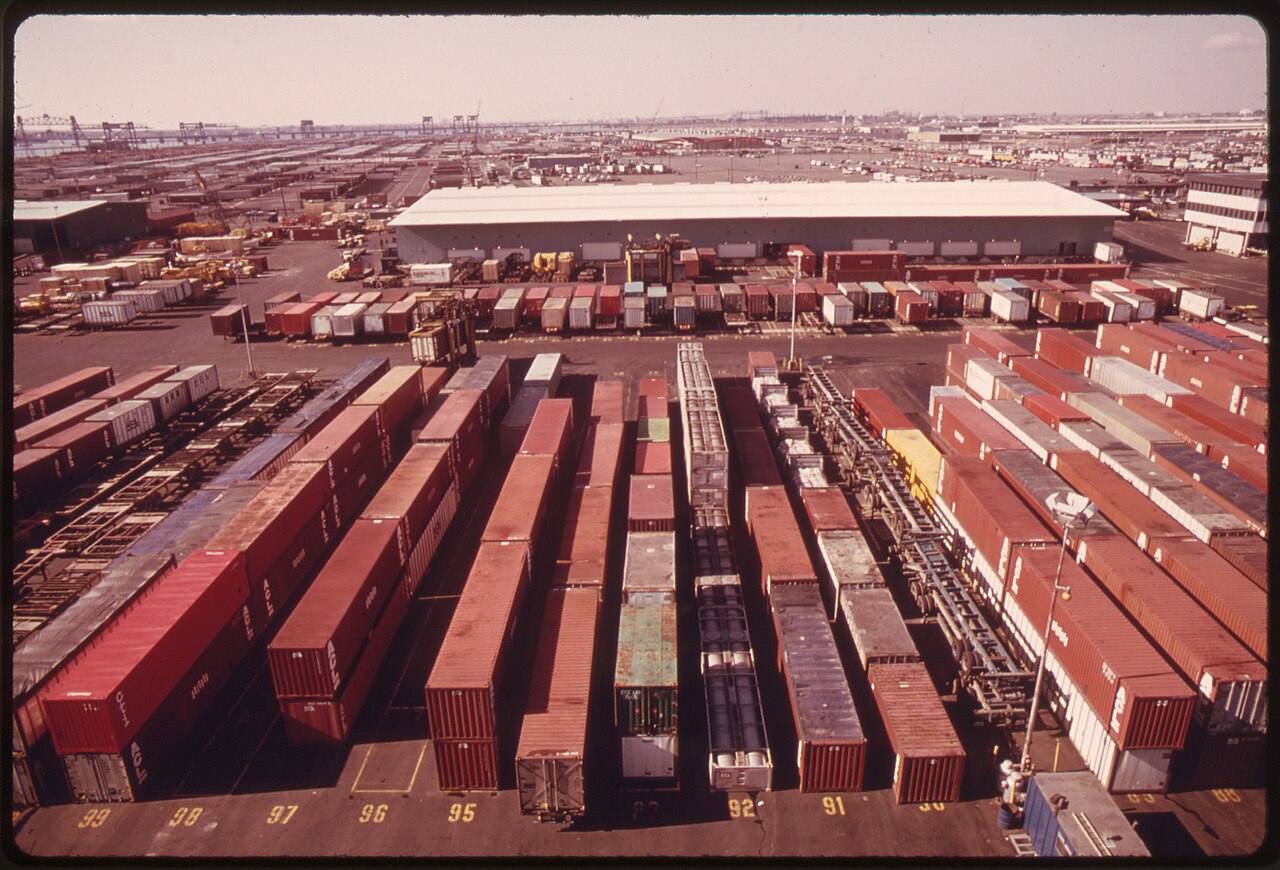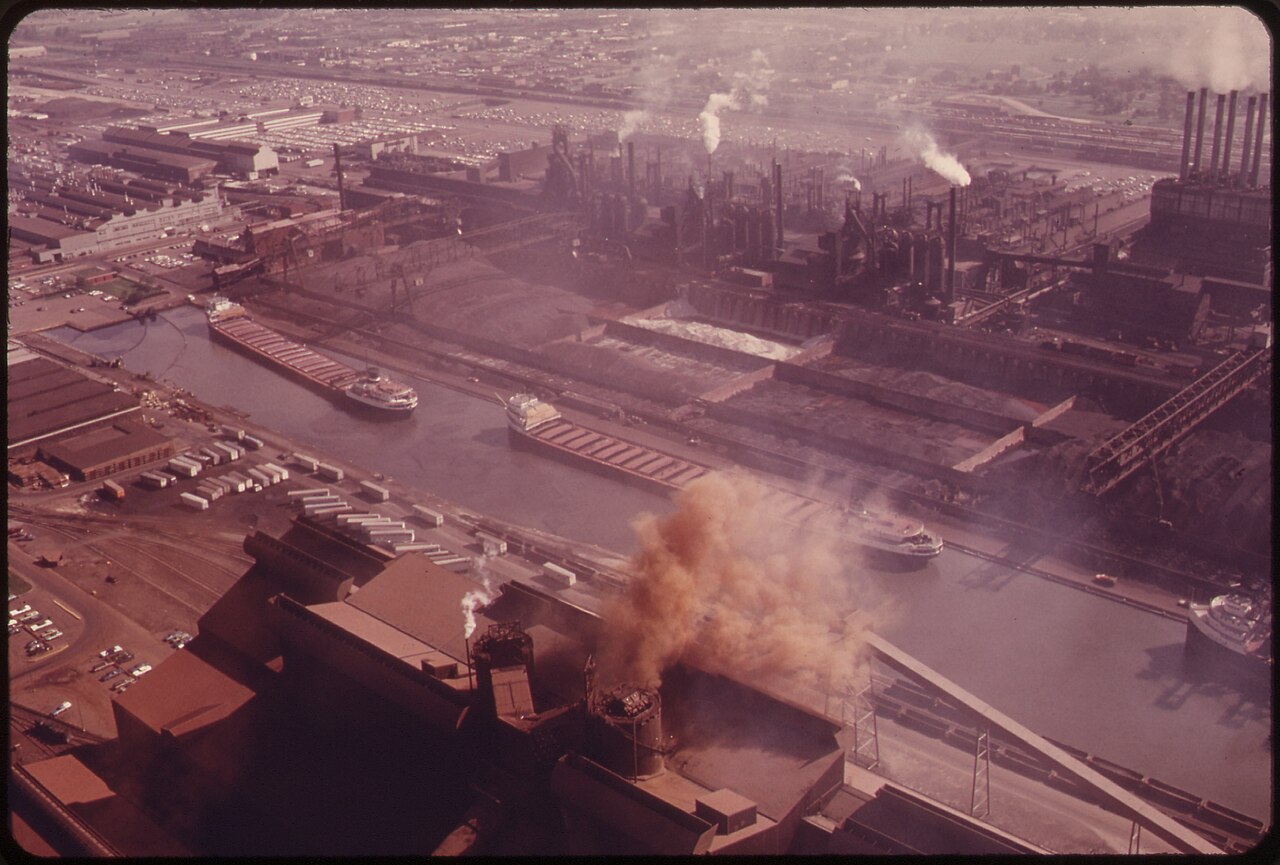
Companies that operate across national borders are not a twentieth-century invention; chartered trading companies such as the British and Dutch East India Companies managed overseas operations, raised capital from distant investors, and even maintained private armies centuries ago. But the multinational corporation as it is understood today — a firm that owns and directly manages production, sales, or service operations in multiple countries, rather than simply trading goods across borders — is largely a product of the twentieth century, and especially of the decades following World War Two, when a combination of technology, policy, and capital markets allowed firms to coordinate complex operations across continents in ways earlier traders could not.
From Colonial Trading Companies to Postwar Global Firms
Early multinational-style enterprises, including chartered trading companies and later large resource and shipping firms of the nineteenth century, generally focused on extracting raw materials or moving goods rather than running integrated production networks abroad. The modern pattern of direct foreign investment in manufacturing, retail, and services expanded substantially after 1945, as reconstruction in Europe and Japan, decolonization across much of Asia and Africa, and the growth of consumer markets created opportunities that firms based in the United States and Western Europe increasingly pursued through direct ownership of foreign subsidiaries rather than arm's-length trade alone. Oil companies, automobile manufacturers, and consumer goods producers expanded operations into dozens of countries over these decades, often with support from favorable trade and investment treaties and from Cold War-era alliances that encouraged Western capital flows into allied and nonaligned nations alike.
Global Value Chains and the Search for Lower Costs
Starting roughly in the 1960s and accelerating through the final decades of the twentieth century, many multinational firms began organizing production not as a single national operation but as a chain of specialized stages spread across different countries, with components manufactured in one place, assembled in another, and sold in still others. This restructuring, often described as the rise of global value chains, allowed firms to take advantage of lower labor costs, favorable tax treatment, and specialized regional expertise. Export-oriented manufacturing zones in East and Southeast Asia, along with maquiladora assembly plants along the US-Mexico border and, later, large-scale manufacturing investment in China following its market reforms, became central nodes in these networks. Falling transportation and communication costs, along with trade liberalization discussed further in the history of the postwar international trading system, made this kind of geographically fragmented production increasingly practical.
Economic Benefits and Technology Transfer
Multinational investment brought real benefits to many host economies. Foreign-owned factories and offices often introduced new technology, management practices, and training that spread into local economies as workers moved on to other employers or started their own firms. Multinational investment also created jobs, generated export revenue, and in some cases helped countries build entirely new industrial sectors, as seen in the growth of electronics manufacturing across parts of East Asia from the 1970s onward. Supporters of this model have long argued that multinational investment, when paired with reasonably strong domestic institutions, has been an important engine of economic development for countries that successfully integrated into global production networks.
Labor, Environmental, and Market Power Concerns
The expansion of multinational corporations has also drawn sustained criticism. Firms seeking the lowest-cost locations for manufacturing have sometimes moved production to jurisdictions with weak labor protections or enforcement, and reports of unsafe working conditions, excessive hours, and suppressed wages in supplier factories across the garment, electronics, and agricultural sectors have recurred for decades, prompting advocacy campaigns and, eventually, corporate codes of conduct and independent monitoring efforts of uneven effectiveness. Environmental costs have also drawn scrutiny, including pollution from resource extraction and manufacturing operations located where environmental regulation was historically weaker, and the carbon footprint of globally dispersed supply chains. In wealthier countries, the relocation of manufacturing abroad contributed to job losses in traditional industrial regions, a painful transition for many communities even as consumers benefited from lower prices. Critics have also pointed to the sheer scale some multinational firms have reached, raising concerns about market concentration, reduced competition, aggressive tax avoidance strategies that shift profits to low-tax jurisdictions, and the political influence very large firms can exert over national regulation.
Resource Nationalism and the Rules Governing Foreign Investment
The expansion of multinational corporations also provoked political backlash in many of the countries where they operated, particularly in resource-rich nations that had gained independence from colonial rule in the decades after World War Two. Governments across Latin America, Africa, and the Middle East nationalized foreign-owned oil fields, mines, and plantations at various points from the 1950s through the 1970s, arguing that the profits from their own natural resources should accrue primarily to the national economy rather than to foreign shareholders. These disputes, along with growing concern about the bargaining power very large firms could exert over smaller host governments, eventually produced a body of international investment law, including bilateral investment treaties and arbitration mechanisms intended to protect foreign investors, as well as voluntary frameworks such as the OECD Guidelines for Multinational Enterprises and the United Nations Global Compact, aimed at setting expectations for corporate conduct abroad even where binding enforcement remained limited. These disputes also shaped how multinational firms themselves operated going forward, encouraging many to diversify their holdings across more countries, rely more heavily on joint ventures and local partnerships rather than wholly owned subsidiaries, and negotiate longer-term contracts intended to share risk more visibly with host governments rather than simply extracting resources under terms set unilaterally by the investing company.
Multinationals in Today's Global Economy
Multinational corporations remain central to how goods, services, capital, and technology move around the world, and debates over their proper regulation have only intensified as digital platforms have joined manufacturers and resource firms among the world's largest multinational enterprises. Many of today's largest multinationals generate revenue and influence that exceed the gross domestic product of numerous individual countries in which they operate, a scale that has prompted renewed calls from economists and international organizations for coordinated tax rules and competition policy capable of matching firms that no longer fit neatly within any single nation's regulatory jurisdiction. International bodies and national governments continue to wrestle with questions first raised decades ago: how to capture the development benefits multinational investment can offer while limiting labor exploitation, environmental harm, and excessive concentration of economic and political power. The rise of the multinational corporation is, in that sense, not a finished story but an ongoing negotiation over how global commerce should be organized and who should bear its costs and capture its rewards. The broader shifts in logistics and corporate organization that made this possible are explored further on the Trade Triad timeline.