At its greatest territorial extent, the Roman state stretched from Britain to the edges of Mesopotamia and from the Rhine to North Africa, binding together an extraordinary diversity of peoples, climates, and local economies. What made this sprawling territory function as something resembling a single economic zone was not just military conquest but an enormous investment in infrastructure, most famously roads, but also harbors, bridges, and standardized currency and legal systems. Many historians estimate that by the height of the empire, in the first and second centuries CE, the Roman road network extended tens of thousands of miles, connecting provincial capitals, military outposts, and commercial centers in a way that had few precedents in the ancient world.
Building a Network for Armies and Merchants Alike
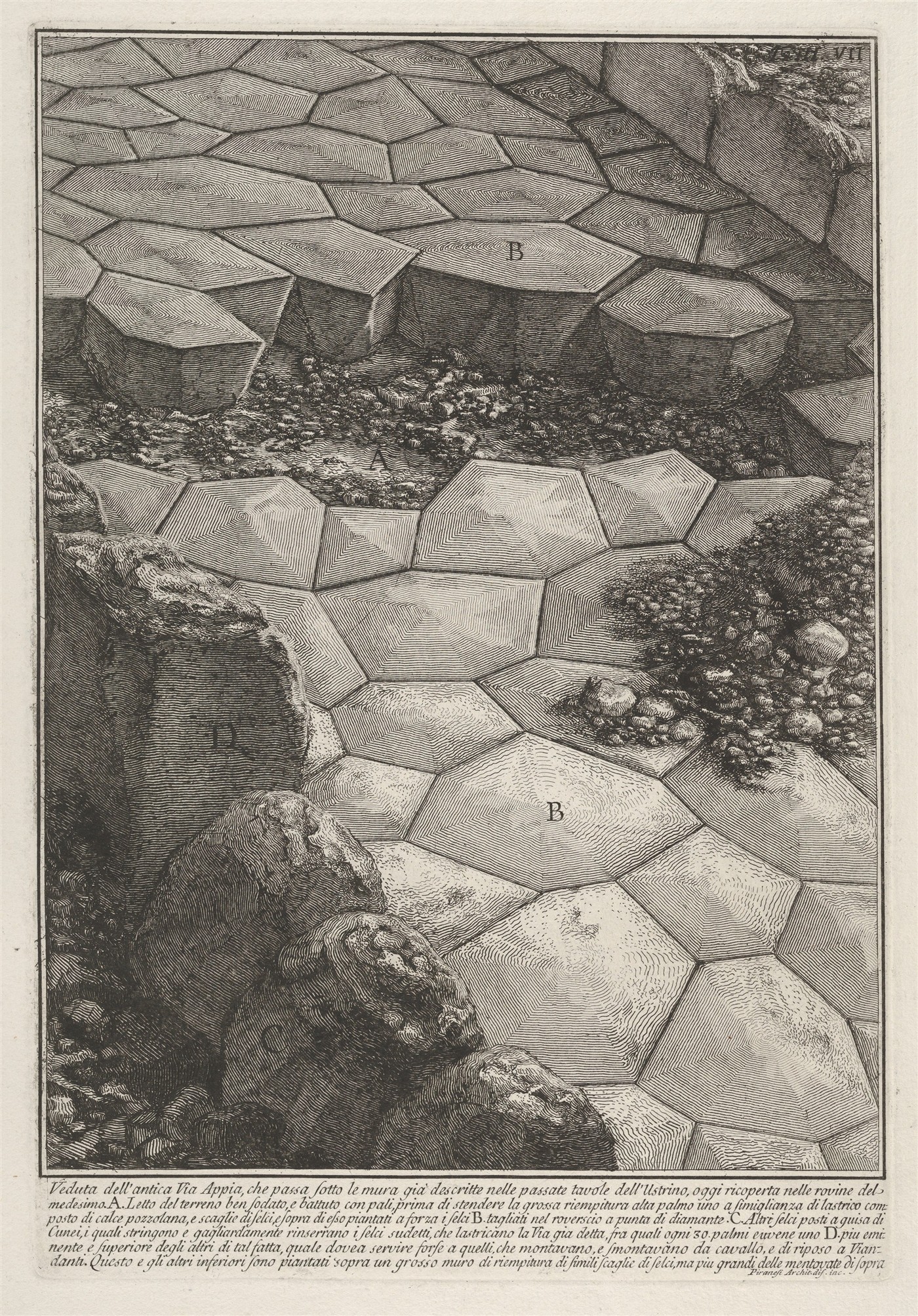
Roman roads were originally built primarily for military purposes, allowing legions to move quickly between frontiers and the capital, and this strategic logic shaped their famously direct routes and durable construction. Engineers typically built up layered foundations of stone, gravel, and sand, topped with fitted paving stones, a method solid enough that sections of original Roman roadway still survive today in parts of Italy, Britain, and elsewhere. Yet the same roads that moved soldiers also moved merchants, tax collectors, government couriers, and ordinary travelers, and the empire actively maintained way stations, rest stops, and later a postal relay system to support this traffic. Trade did not wait for roads to be purpose-built for it; it simply flowed along infrastructure originally justified on military and administrative grounds, a pattern that recurs throughout trade history whenever states invest in connective infrastructure for reasons beyond commerce alone.
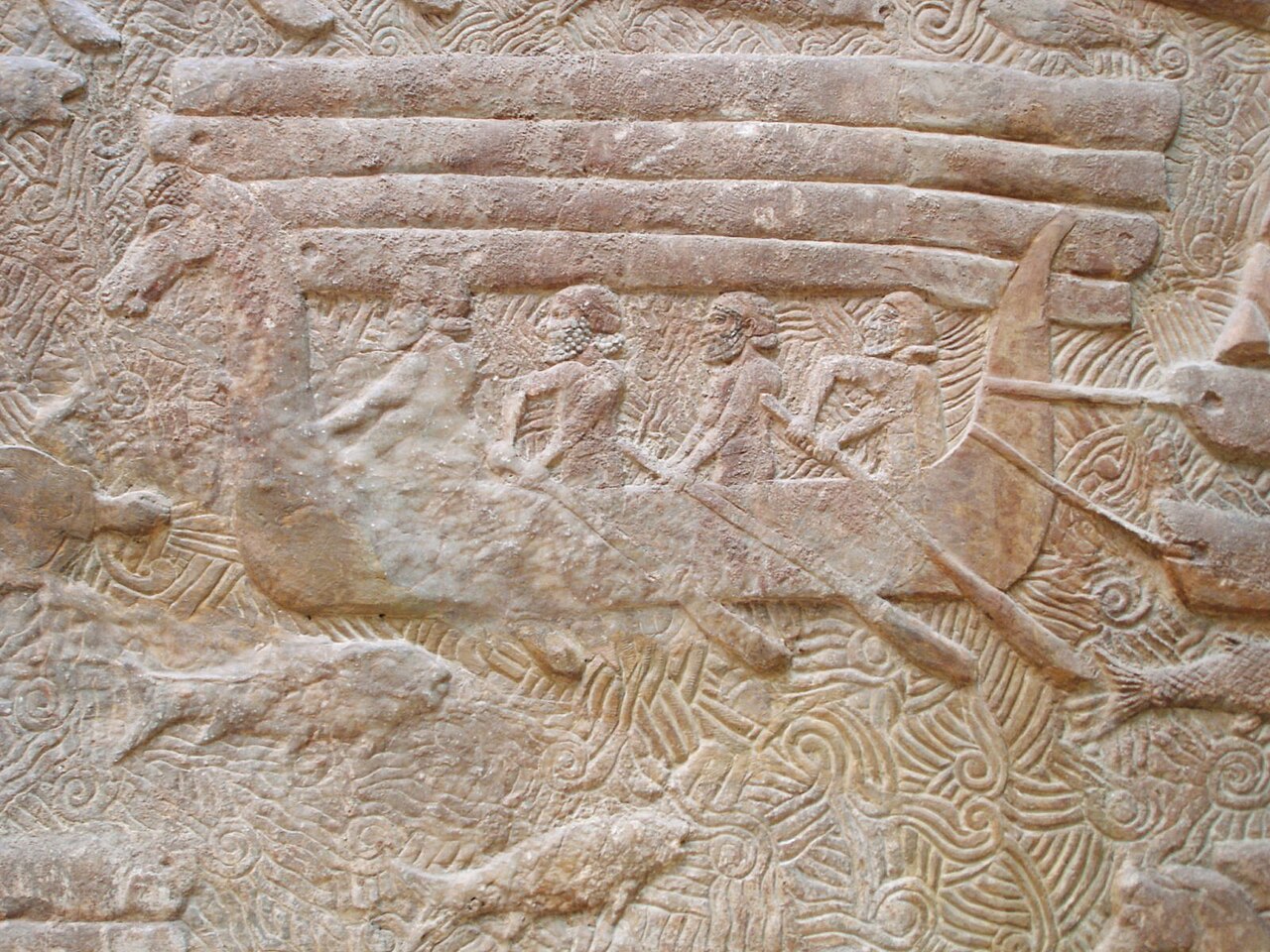
Overland transport, however, remained expensive and slow compared to travel by water, and many economic historians argue that the Mediterranean Sea itself, which the Romans sometimes called "our sea," functioned as the empire's single most important trade corridor. Grain from Egypt and North Africa, which fed the city of Rome and other major urban centers, traveled almost entirely by ship, and Roman engineers built major artificial harbors, including the port complex at Ostia near Rome, to handle this volume. Bulk goods such as grain, wine, olive oil, and building stone moved far more efficiently by sea or river barge than by cart, so roads and waterways worked together as a combined transport system rather than as competing alternatives.
Goods, Money, and the Integration of Distant Economies
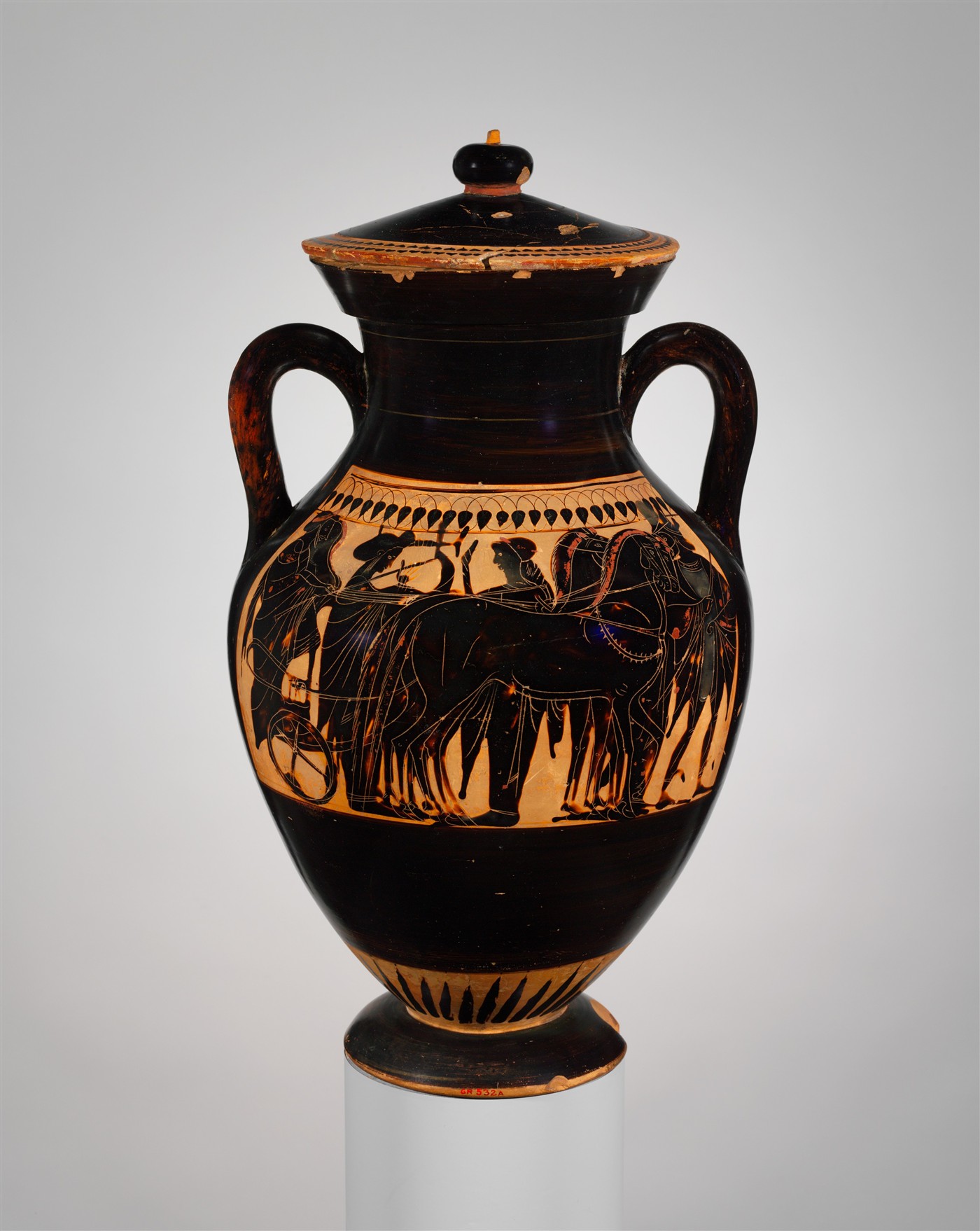
The scale of goods moving through this network was considerable for the ancient world. Wine and olive oil traveled in ceramic amphorae from Spain, Italy, and North Africa to markets across the empire and beyond its borders. Fine pottery, glassware, textiles, and metal goods moved between provinces, while luxury items such as silk, spices, and incense arrived from well beyond Roman territory through intermediary trade networks connecting to Central Asia, India, and Arabia, a long-distance exchange this site explores further in its coverage of Indian Ocean trade networks. A relatively stable currency system and a shared body of commercial law, enforceable across provincial boundaries, reduced the uncertainty that often discouraged long-distance trade in other historical contexts, giving merchants more confidence that contracts made in one province could be enforced in another.
This integration had genuine economic benefits. Regional specialization became more viable when producers could reliably reach distant markets, archaeological evidence shows particular regions becoming known for specific goods, such as Gaulish pottery or Baetican olive oil, and urban centers across the empire grew wealthier through their roles as trade hubs. Provincial elites in regions as distant as Britain and Syria could access goods and styles from across the Mediterranean world, a cultural and material exchange that left visible traces in archaeological sites throughout the former empire.
The Human and Environmental Costs of an Empire Built on Trade
This commercial expansion was inseparable from conquest, extraction, and exploitation, and it would be inaccurate to describe it only in terms of mutual economic benefit. The road network itself was often built and maintained using forced or coerced labor, and the broader Roman economy relied heavily on enslaved people, who made up a substantial portion of the population in many parts of the empire and whose unpaid labor underpinned much of its agricultural and craft production. Provinces were frequently taxed heavily to fund the infrastructure and military presence that enabled trade, and local economies were sometimes reorganized to serve the needs of Rome and its markets rather than local populations, a dynamic that historians studying ancient economic history note had lasting disruptive effects on some regional societies.
There were environmental costs as well. Intensive mining for metals such as silver, gold, lead, and copper, conducted to supply Roman currency and manufacturing, left measurable traces; ice core evidence from Greenland and elsewhere shows elevated lead pollution during the height of Roman mining activity, an early example of how long-distance trade networks could generate environmental consequences far from the point of consumption. Deforestation to supply shipbuilding, construction, and fuel needs also altered landscapes in parts of the Mediterranean basin, some effects of which persisted long after the empire's political collapse.
Lasting Significance for Trade History
When the western Roman Empire's political authority fragmented in the fifth century CE, the integrated trade network it had supported also fragmented, and many historians point to this period as a sharp contraction in long-distance exchange across much of western Europe, with trade volumes in some regions not recovering to earlier levels for centuries. This decline underscores an important lesson echoed throughout trade history: large commercial networks often depend on political stability, legal enforcement, and maintained infrastructure, and they can unravel quickly when those underlying supports disappear. Even so, the physical and institutional legacy of Roman trade persisted. Roads continued to shape European travel and settlement patterns for more than a thousand years afterward, some Roman legal concepts around contracts and property influenced later European commercial law, and former Roman ports and trade routes remained relevant corridors for the trading societies, including medieval merchants, that eventually took their place. The Roman experience remains one of the clearest ancient illustrations of how deliberate infrastructure investment, legal standardization, and political control over wide territories can combine to produce an integrated marketplace, along with the coercion and inequality that often accompanied such large-scale economic systems. Readers can explore other ancient commercial networks on the ancient trade timeline.