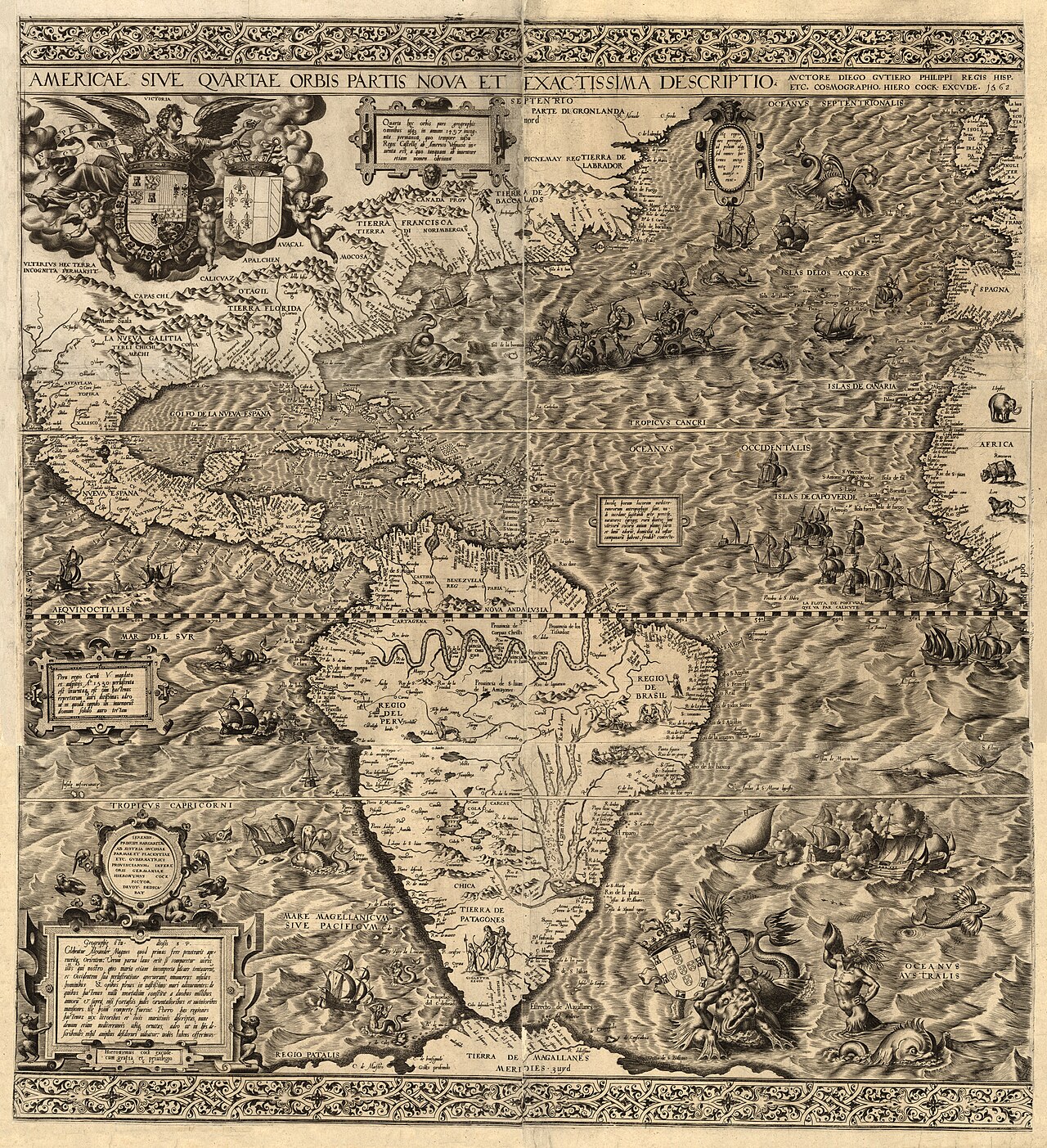
When Christopher Columbus's voyages initiated sustained contact between the Americas and the rest of the world beginning in 1492, they set off a transfer of plants, animals, microbes, people, and ideas so vast in scope that the historian Alfred Crosby popularized the term "Columbian Exchange" in the 1970s to describe it. The exchange reshaped diets, economies, and populations on every inhabited continent, and its consequences, some of them enormously beneficial to global food security and others catastrophic for the peoples of the Americas, are still woven into the modern world in ways that are easy to overlook.
Plants, Animals, and a New Global Food System
Among the most consequential transfers were agricultural. Crops domesticated in the Americas over thousands of years, including maize, potatoes, tomatoes, cacao, various beans and squash, chili peppers, and tobacco, moved to Europe, Africa, and Asia, where several of them, particularly maize and the potato, are credited by many historians with supporting substantial population growth from the sixteenth through nineteenth centuries by providing calorie-dense crops suited to soils and climates where traditional Old World staples performed less well. The potato's rapid adoption in parts of northern Europe is a frequently cited example, though scholars debate exactly how much of later population growth it explains relative to other factors.
Moving in the opposite direction, Old World crops and livestock transformed the Americas just as thoroughly. Wheat, sugarcane, coffee, and citrus fruits became major American crops, while horses, cattle, pigs, sheep, and chickens, none of which existed in the pre-Columbian Americas, altered American landscapes, diets, and ways of life, including, notably, the rapid adoption of horses by many Indigenous peoples of the North American Plains, which reshaped hunting, warfare, and mobility within a few generations of initial contact. These agricultural networks built on, and ultimately overtook, the long-standing exchange systems described in the account of pre-Columbian American trade networks.
Disease and Demographic Catastrophe
The most devastating element of the Columbian Exchange was biological in a different and far more destructive sense: the introduction of Old World infectious diseases, including smallpox, measles, influenza, and typhus, into populations in the Americas that had no prior exposure and therefore little or no immunity. The resulting mortality was staggering, though historians and demographers continue to debate the precise scale, in part because pre-contact population estimates for the Americas vary widely and the documentary record from the early decades of contact is thin and uneven. Many scholars estimate that Indigenous populations in parts of the Americas declined by a majority, and in some regions by a large majority, within the first century or so after sustained contact began, through a combination of repeated epidemic waves, warfare, forced labor, and the social disruption that accompanied colonization. This demographic collapse is now widely recognized by historians as one of the most significant human catastrophes in recorded history, and it fundamentally altered the balance of power between European colonizers and Indigenous societies, in many cases far more decisively than military conquest alone.
It is worth noting that disease transmission was not entirely one-directional; some researchers have linked the global spread of a severe form of syphilis to contact-era exchange as well, though the precise origins of the disease remain debated among historians and epidemiologists.
Labor, Slavery, and the Atlantic System
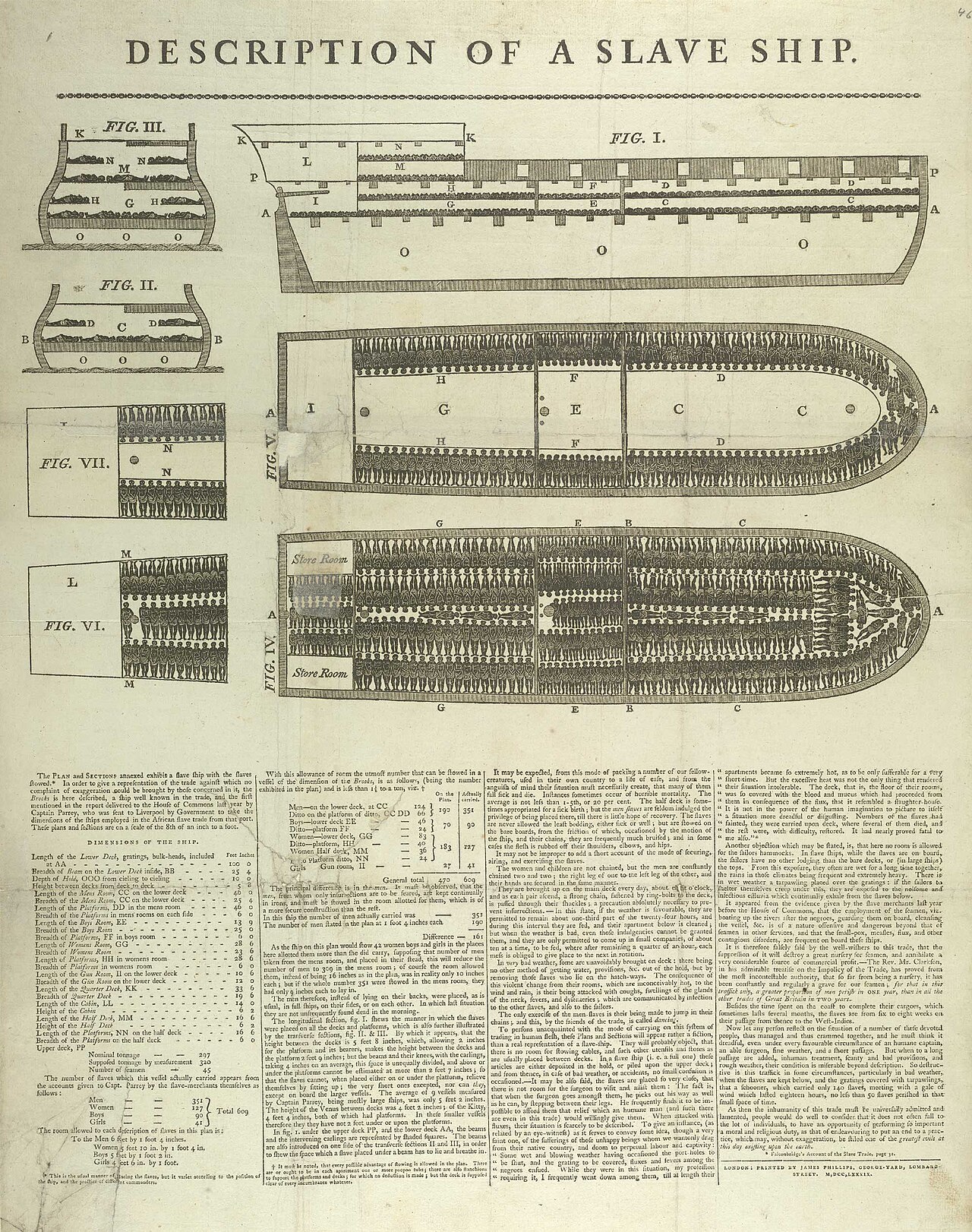
The economic opportunities created by American crops, particularly sugar, and by American silver and gold, generated enormous demand for labor that colonial powers increasingly filled through coercion. Spanish colonial authorities imposed forced labor systems on Indigenous populations, including the encomienda system in much of Spanish America and a labor draft adapted from Inca precedent in the Andes. As Indigenous populations declined catastrophically from disease and forced labor, European colonizers and traders turned increasingly to the forced transportation of enslaved Africans across the Atlantic, a trade that historians estimate carried over ten million enslaved people to the Americas between the sixteenth and nineteenth centuries, under conditions of extraordinary brutality and high mortality during the crossing itself. This forced migration became a central pillar of the broader Atlantic trading system that linked Europe, Africa, and the Americas, and its consequences for African societies, and for the millions of individuals and their descendants subjected to enslavement, were severe and long-lasting.
Silver, Global Trade, and Environmental Change
American silver, mined in enormous quantities at sites such as Potosi in the Andes, flowed not only to Spain but, via the Manila galleon trade across the Pacific, into the Chinese economy, where demand for silver as currency was extremely high. This created one of the first genuinely global commodity circuits, linking American mines, European shipping, and Asian markets in a single trading system, a development that connects directly to the Asian commercial networks described in the accounts of the historical spice trade and the maritime routes of Southeast Asia. The exchange also carried significant environmental consequences less visible at the time: the introduction of European livestock altered American grasslands and soil composition, invasive species disrupted existing ecosystems, and the expansion of monoculture plantation agriculture for sugar and other export crops reshaped landscapes across the Caribbean and parts of South America, often at significant long-term ecological cost.
Culinary and Cultural Transformations
Beyond population growth and economic restructuring, the Columbian Exchange produced cultural transformations that are easy to take for granted today. Tomatoes, now central to Italian cuisine, and chili peppers, now fundamental to much of Indian, Southeast Asian, Korean, and Sichuan Chinese cooking, were unknown in Europe and Asia before the sixteenth century. Chocolate, derived from cacao long cultivated in Mesoamerica, became a fashionable drink in European courts within a few generations of contact and later evolved into one of the world's most widely consumed confections. Coffee, by contrast, moved the opposite direction in a related but separate exchange, spreading from northeastern Africa and the Arabian Peninsula into European and eventually American consumption, often cultivated on plantations that relied on the same coercive labor systems that defined much of the broader colonial economy. These culinary shifts illustrate how thoroughly the exchange rewired everyday life far beyond the ports and plantations where goods first changed hands, even as many of the people who grew, harvested, and processed these goods saw little benefit from the wealth they generated.
Lasting Significance
Few events in world history reshaped the global distribution of plants, animals, diseases, and people as rapidly or as thoroughly as the Columbian Exchange. Its benefits, measured in expanded global food supplies and new economic opportunities, were real and enduring, feeding into modern diets on every continent. Its costs, measured in the demographic catastrophe suffered by Indigenous peoples of the Americas and in the forced enslavement of millions of Africans, were equally real and are now understood by most historians as inseparable from the exchange's economic benefits rather than a separate or incidental story. The Columbian Exchange marks one of the clearest points in history at which previously separate regional and continental trading systems, examined elsewhere in accounts of maritime era trade, merged into a single interconnected global economy, for better and for worse, whose basic structure still shapes international trade today.