For more than a thousand years, two aromatic tree resins, frankincense and myrrh, drove one of the ancient world's most lucrative long-distance trades. Harvested from scraggly trees that grow best in the harsh, arid highlands of southern Arabia and the Horn of Africa, these resins were burned as incense in temples from Egypt to Mesopotamia to Rome, used in embalming, and valued as medicine and perfume. Moving them from remote tree groves to distant markets required a demanding combination of desert caravan routes and open-water seafaring, and the kingdoms that controlled those routes grew wealthy enough to leave behind some of pre-Islamic Arabia's most impressive architecture and inscriptions.
Frankincense, Myrrh, and the Kingdoms of South Arabia
The trees that produce frankincense (Boswellia species) and myrrh (Commiphora species) grow in a narrow band of territory spanning what is today Yemen, Oman, and parts of Somalia and Ethiopia. Harvesters scored the bark and collected the hardened resin that seeped out, a labor-intensive process that depended on specialized local knowledge passed down over generations. Many historians estimate that organized trade in these resins was well established by the early first millennium BCE, and possibly earlier, based on references in Egyptian, Assyrian, and later biblical and classical texts.
Control over the resin-producing regions and the routes leading north from them allowed South Arabian kingdoms, including Saba, often associated with the biblical Sheba, Hadhramaut, Qataban, and Ma'in, to accumulate considerable wealth between roughly the eighth century BCE and the early centuries CE. These kingdoms built fortified caravan stops, irrigation works, and monumental temples, and their rulers are known from inscriptions to have taxed the resin trade passing through their territory.
Caravan Cities and the Rise of Petra
From southern Arabia, camel caravans carried frankincense and myrrh northward along routes that skirted the edge of the desert, stopping at wells and oases where local rulers charged tolls and offered protection in exchange for a share of the goods. The Nabataean kingdom, centered on the spectacular rock-cut city of Petra in what is now Jordan, grew into one of the wealthiest states in the region by positioning itself astride these northbound routes sometime in the last few centuries BCE, linking Arabian incense traffic to markets in Egypt, Syria, and the broader Mediterranean world.
Other caravan hubs, including Gerrha on the Persian Gulf coast, Najran, and Mecca, which many historians believe owed at least part of its early importance to this trade, developed around the logistics of watering, feeding, and taxing caravans that might include hundreds of camels on a single journey lasting weeks.
Maritime Incense Trade Across the Red Sea and Indian Ocean
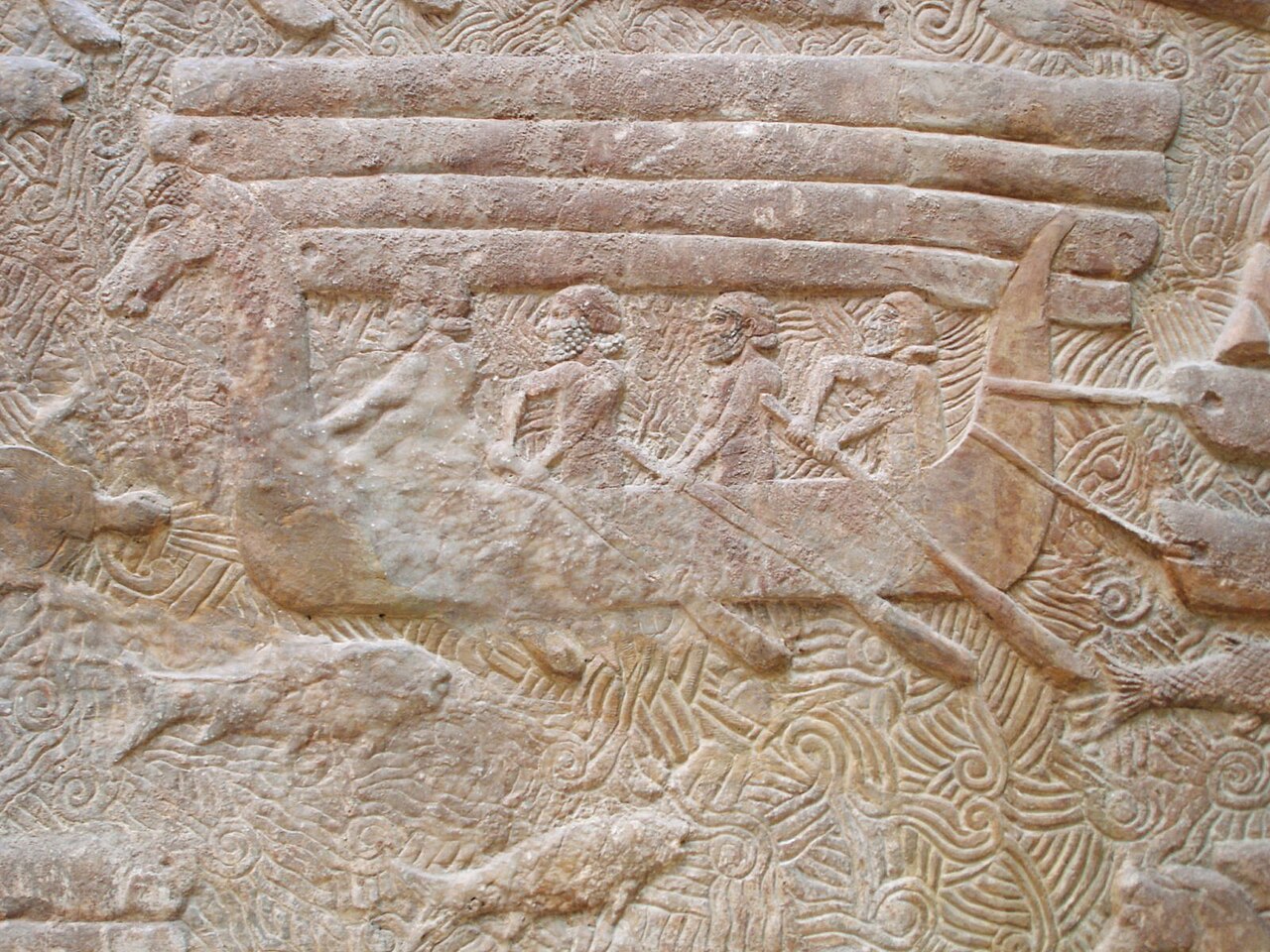
Overland caravans were not the only path incense took to distant buyers. Sailors working the monsoon winds of the Red Sea and the Indian Ocean carried frankincense and myrrh by ship from ports along the southern Arabian and East African coasts to Egypt, and from there into the wider Mediterranean trade. A Greek-language merchant's guide known as the Periplus of the Erythraean Sea, which many scholars date to around the first century CE, describes ports, goods, and sailing routes connecting the incense-producing coasts to Egypt, India, and East Africa, suggesting a trade network that was both maritime and overland, and that linked Arabia to trading partners well beyond the peninsula.
This dual system, land caravans moving in parallel with monsoon-driven shipping, gave the incense trade resilience, since disruption along one route did not necessarily halt the flow of goods along the other.
Incense in Religious and Everyday Life Across the Ancient World
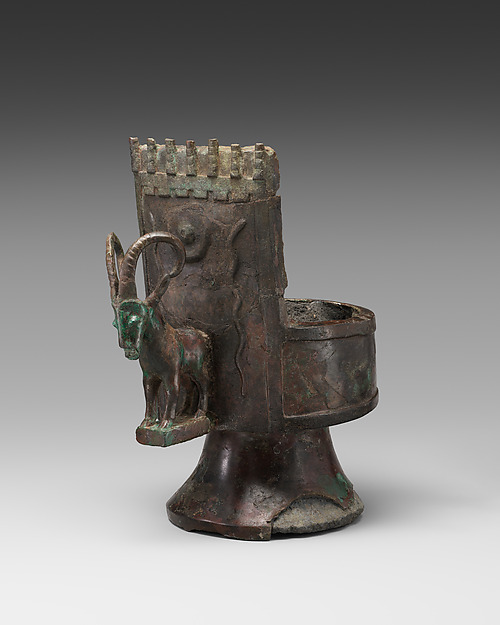
Frankincense and myrrh were not simply luxury trade goods; they were embedded in religious and daily practice across many ancient societies. Egyptian temple ritual burned incense as an offering to the gods, and myrrh was a key ingredient in the embalming preparations used for mummification, a practice that sustained demand for South Arabian resin for centuries. In the Hebrew Bible, incense offerings are described as part of Temple worship in Jerusalem, and later Christian and Zoroastrian traditions likewise incorporated frankincense into ritual use, helping sustain demand even as empires and trade routes shifted around the incense-producing regions. Beyond religious contexts, both resins were used medicinally in various ancient pharmacological traditions, for complaints ranging from digestive ailments to wound treatment, and myrrh in particular was blended into perfumes and cosmetic preparations used by elites throughout the Mediterranean and Near East. This breadth of demand, religious, medical, and cosmetic, helped make incense one of the most consistently traded luxury goods of the ancient world, sustaining the South Arabian economy across political changes that might otherwise have disrupted a narrower trade.
The Price of the Incense Trade
The incense trade brought real prosperity to the kingdoms and cities that controlled it, funding architecture, writing systems, and artistic traditions that still draw visitors and researchers to sites in Yemen and Oman today. But the trade also had a harsher side. Harvesting resin in the remote Dhofar highlands or the mountains of Hadhramaut was physically demanding work carried out largely by local laborers who likely received only a small fraction of the trade's eventual value once it reached temples in Rome or Jerusalem. Classical writers, including Roman authors, sometimes exaggerated the wealth of "Arabia Felix" in ways that modern historians treat with caution, but ancient demand clearly drove sustained harvesting pressure on frankincense and myrrh trees over centuries, and some botanists today note that certain Boswellia populations in the region remain vulnerable to overharvesting.
The caravan trade also depended on tolls and protection payments that could amount to a form of extraction from merchants, and competition over lucrative routes periodically fed into regional conflict among South Arabian kingdoms.
Decline and Enduring Legacy
Roman annexation of Egypt in 30 BCE gave Rome more direct access to Red Sea shipping lanes, and over the following centuries Roman and then Byzantine interests increasingly bypassed some of the older Arabian middlemen. The rise of Aksum as a trading power in East Africa, shifting religious practices in the late Roman world, and the eventual spread of Islam in the seventh century CE all contributed to changes in how incense moved and who controlled it, though historians generally describe this as a gradual transformation rather than a single abrupt collapse. Today, the ruins of caravan cities and the UNESCO-recognized "Land of Frankincense" sites in Oman stand as physical reminders of a trade network that, for well over a millennium, connected the deserts of Arabia to temples, courts, and households across the ancient Mediterranean and Near East. For more on how tribute and resource control shaped other ancient economies, see Trade and Tribute in Ancient Mesopotamia, or explore the broader ancient era timeline.