The East African coast between southern Somalia and northern Mozambique is lined with natural harbors, coral reefs, and river mouths that, for more than a thousand years, gave rise to one of the Indian Ocean's most distinctive trading cultures. From roughly the ninth century onward, a string of independent city-states—Mogadishu, Lamu, Malindi, Mombasa, Zanzibar, Kilwa, and Sofala among them—grew wealthy by connecting the interior of Africa to the wider maritime world. Their merchants spoke a Bantu language enriched with Arabic, Persian, and later Portuguese loanwords, now known as Swahili (from the Arabic sawahil, meaning "coasts"), and their cities became some of the most cosmopolitan urban centers of the medieval world.
Origins of a Maritime Trading Culture on the East African Coast
Archaeological evidence, including imported Persian and Chinese ceramics found at sites like Shanga and Manda, suggests that East African coastal communities were trading with merchants from the Arabian Peninsula, the Persian Gulf, and South Asia by at least the eighth or ninth century, and many historians argue the networks are older still. These communities were not colonies of foreign traders but African societies that absorbed outside influences—Islam, Arabic script, new crops, and new architectural styles—while remaining rooted in local Bantu-speaking populations and existing regional trade in iron, timber, and foodstuffs. Over succeeding centuries, intermarriage and conversion produced a distinctly Swahili identity: urban, Muslim, and oriented toward the sea, yet still connected by language and kinship to communities further inland.
Monsoon Winds, Gold, and Ivory: The Mechanics of Indian Ocean Exchange
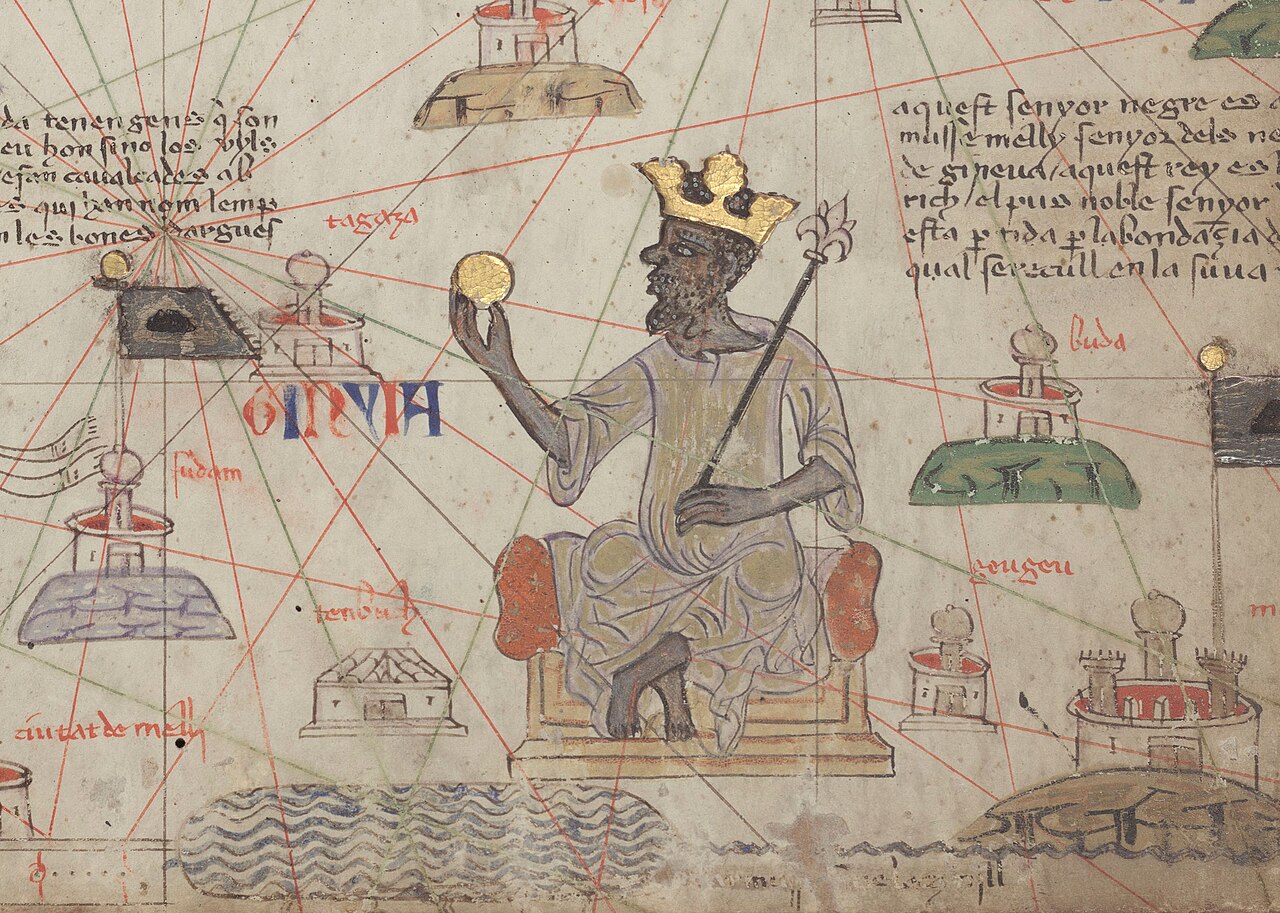
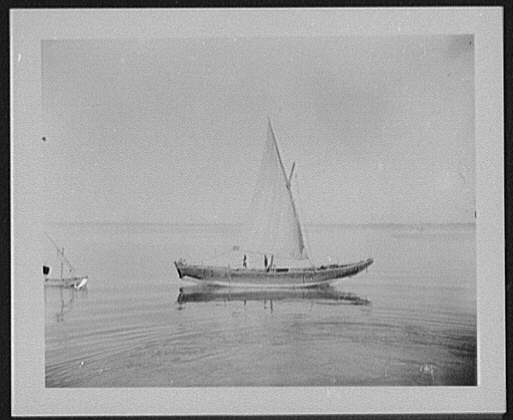
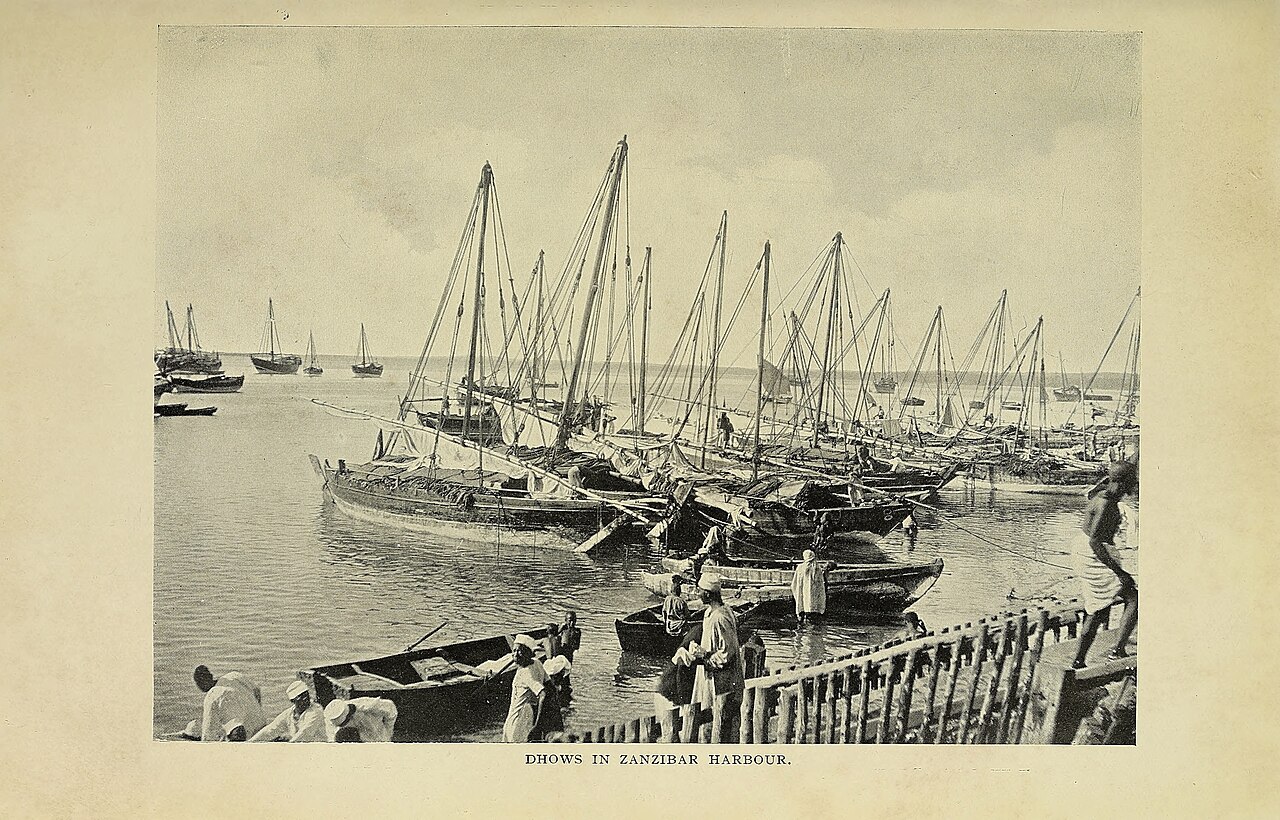
The predictable rhythm of the Indian Ocean monsoon made this long-distance trade possible. Ships could ride the northeast monsoon from Arabia and India to the African coast in winter, then wait for the wind to reverse in summer before sailing home. This seasonal pattern shaped the calendar of Swahili commercial life. Coastal merchants exported gold (much of it channeled from inland sources in present-day Zimbabwe through the port of Sofala), ivory, ambergris, tortoiseshell, mangrove timber used in construction across the treeless Arabian Gulf, and enslaved people drawn from the African interior. In return, dhows arriving from Arabia, Persia, and India brought cotton textiles, glass beads, glazed pottery, and porcelain from as far away as China. Some scholars estimate that by the thirteenth and fourteenth centuries, cities like Kilwa and Mogadishu were among the wealthiest ports on the entire western Indian Ocean rim, their prosperity resting on this exchange of raw materials for manufactured luxury goods, in some ways paralleling the gold-for-goods logic that also underpinned the trans-Saharan networks described in our article on Gold, Salt, and the Empire of Mali.
This system, like many premodern long-distance trades, carried a serious human cost. The export of enslaved Africans to Arabia, the Persian Gulf, and parts of South Asia predates and runs parallel to the later, better-documented Atlantic slave trade, and it should not be minimized simply because it is less extensively studied. Coastal elites profited from this traffic in human beings even as they built mosques, courts, and libraries celebrated today as monuments of African achievement—both realities are part of the same history.
Economic life along the coast rested on established merchant lineages—patrician families who organized the collection of ivory, gold, and foodstuffs from inland trading partners and arranged for their shipment abroad, often extending credit and maintaining long-term relationships with trading partners across the ocean rather than relying on one-off transactions. Mangrove poles cut along the coast, for instance, were a modest but steady export prized in treeless Gulf cities such as those along the Arabian coast, where timber for roof beams was otherwise scarce; the trade left a lasting ecological mark on coastal mangrove forests, which were cut selectively, and in some areas repeatedly, over many centuries. Cowrie shells, copper, and later locally minted coins circulated as currency, underscoring how commercially sophisticated these port economies had become well before extensive outside documentation exists.
Inland trade partners also mattered a great deal. The gold reaching Sofala, for example, originated from societies far in the interior, including the Great Zimbabwe civilization, whose stone-walled capital grew wealthy in part by supplying gold and ivory to coastal middlemen; the relationship between coastal Swahili traders and these inland societies was one of mutual dependence rather than one-directional control, since coastal cities needed inland production just as inland rulers needed coastal access to imported goods.
Stone Towns, Mosques, and Cosmopolitan City-States
By the thirteen and fourteen hundreds, Swahili cities had developed a recognizable urban form: coral-stone houses and mosques, often several stories high, built close to the waterfront and decorated with carved niches for imported Chinese porcelain. Kilwa Kisiwani, on an island off the coast of present-day Tanzania, built one of the largest mosques in sub-Saharan Africa at the time and minted its own copper and silver coinage—a sign of an economy sophisticated enough to require local currency rather than relying solely on barter or foreign coin. Visitors such as the fourteenth-century traveler Ibn Battuta described Kilwa's ruler and court in terms of considerable wealth and refinement, though like any single traveler's account, his description reflects one visitor's impressions rather than a complete record. These cities were governed independently of one another, often by local sultans or councils of leading merchant families, and they competed as much as they cooperated; there was no single Swahili state, but rather a shared culture spread across rival ports.
Portuguese Disruption, Decline, and Lasting Significance
The arrival of Portuguese fleets beginning around 1498, seeking to control access to Indian Ocean trade routes, brought a violent rupture to this long-established system. Vasco da Gama's voyages were followed by Portuguese attacks on Kilwa, Mombasa, and other ports, and by the early 1500s several Swahili cities had been sacked, taxed, or forced into subordinate trading arrangements enforced by naval power. This marked a broader pattern across the Indian Ocean, in which European states began imposing armed control over trade routes that had previously operated through negotiated, largely peaceful commercial relationships among many different parties. The Swahili coast never fully recovered its earlier independence, though Swahili language and culture persisted and later resurfaced as a major force under Omani Arab influence in the eighteenth and nineteenth centuries.
The Swahili city-states demonstrate that the Indian Ocean world was knit together long before European ships arrived, through African initiative as much as through Arab, Persian, or Indian participation. Their ruins at Kilwa and elsewhere, along with the Swahili language still spoken by tens of millions of people today, are lasting evidence of a trading civilization that linked the African interior to markets as distant as southern China. For more on how this maritime world connected to other medieval exchange systems, see our overview of the medieval era in trade history, and for a look at how one later Chinese maritime expedition reached these same shores, see Zheng He's Treasure Fleets and Ming China's Maritime Reach.