Crossing the Sahara, a desert spanning roughly the size of the contiguous United States, was never an easy undertaking, yet for centuries merchants did exactly that, driving caravans of camels across sand seas and rocky plateaus to connect West African societies with the Mediterranean world and, through it, with markets as far away as Europe and the Middle East. Many historians trace the gradual intensification of trans-Saharan trade to around the eighth century CE, following the introduction and wider adoption of the camel for desert transport in earlier centuries, with the network reaching its greatest medieval prominence between roughly the eleventh and sixteenth centuries.
Camels, Oases, and the Logistics of Crossing a Desert
The domesticated camel, well suited to desert travel because of its ability to go for extended periods without water and to carry substantial loads, was the essential technology that made regular trans-Saharan trade feasible at scale. Caravans, sometimes numbering in the hundreds or even thousands of animals according to some historical accounts, followed established routes between oases, where travelers could resupply water and food and where local communities often built economies around provisioning passing traders. Key routes connected cities such as Sijilmasa and later other trading centers in present-day Morocco and Algeria on the northern end to Timbuktu, Gao, and other important cities near the Niger River on the southern end, a journey many sources describe as taking roughly two to three months one way, depending on conditions, route, and the size of the caravan.
This was dangerous, physically demanding travel. Caravans faced the risk of sandstorms, disorientation, and running short of water, and the guides who knew the routes, often drawn from Berber and Tuareg communities with generations of accumulated desert knowledge, played an essential role in caravan survival and success. The network depended heavily on this specialized local expertise, and the social and economic position of desert guide communities grew in importance as trade volumes increased.
Gold, Salt, and the Societies Built Around Exchange
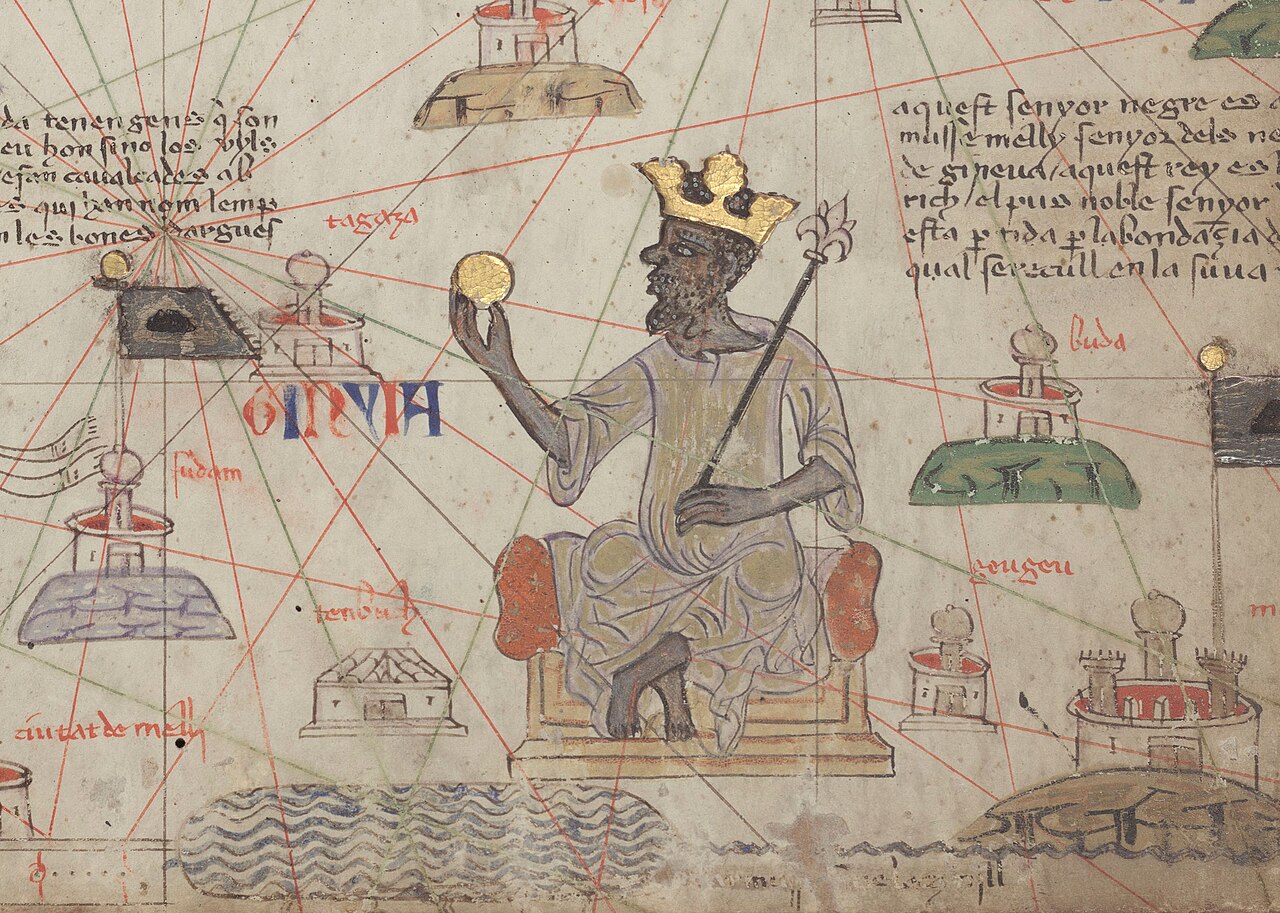
The most famous commodities moving across the Sahara were gold and salt, often described together because of how directly they were exchanged for one another in some trading arrangements, though the overall trade included a far wider range of goods. Gold, mined in various West African goldfields, moved north toward Mediterranean and Middle Eastern markets, where it became a major source of currency metal for various Islamic states and, indirectly through further trade, for parts of medieval Europe as well; some economic historians argue that West African gold supplies were significant enough to influence monetary conditions well beyond the African continent. Salt, mined at sites such as Taghaza in the desert interior, was essential for food preservation and dietary needs and moved in the opposite direction, into gold-producing regions further south, alongside other traded goods including copper, textiles, horses, and enslaved people moving north and various manufactured goods, books, and salt moving south.
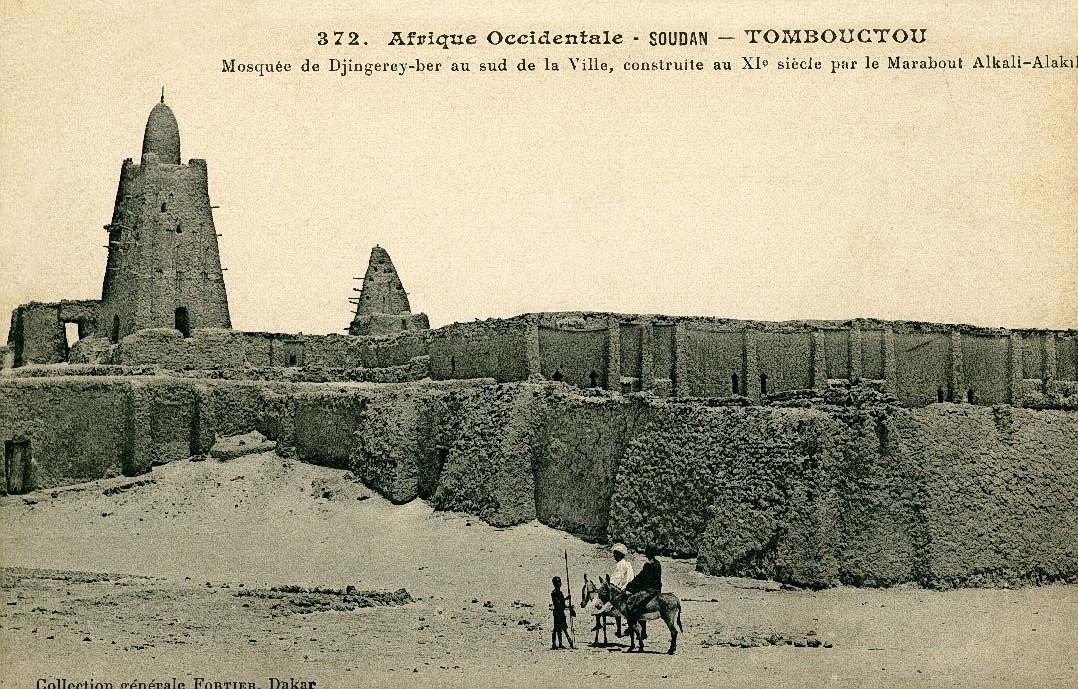
These exchanges helped fuel the rise of major West African states, including the Ghana Empire, the Mali Empire, and later the Songhai Empire, whose rulers taxed and regulated trade passing through their territory and used the resulting wealth to support court life, military forces, and significant investment in scholarship and religious institutions. Timbuktu in particular became renowned as a center of Islamic learning, home to substantial libraries and manuscript collections, a reputation built directly on the wealth and cosmopolitan connections that trans-Saharan trade brought to the city. Islam spread through much of West Africa largely along these same trade routes, carried by merchants and scholars, and became deeply integrated into the political and intellectual life of the trading states, in a pattern of trade-driven religious diffusion comparable to developments described in this site's article on Indian Ocean trade networks.
The Darker Side of the Caravan Trade
It is essential not to romanticize this trade, because the trans-Saharan routes carried a substantial and sustained traffic in enslaved people for many centuries, moving captives from West and Central Africa northward toward Mediterranean and Middle Eastern markets. Historians' estimates of the total scale of this trade vary considerably and remain the subject of ongoing scholarly research, but there is broad agreement that it represented a significant and sustained form of forced human displacement that caused immense suffering and that predated, and in some respects outlasted, the later and far larger Atlantic slave trade. The desert crossing itself was lethal for many enslaved people forced to make the journey under brutal conditions, a grim counterpoint to the scholarly and commercial prosperity the same routes helped generate for others.
The trade also created significant inequality within and between the societies it touched. Wealth from gold and the control of trade routes concentrated heavily among ruling elites and merchant classes in cities such as Timbuktu and Gao, while the laborers who mined gold and salt, and those who endured the brutal realities of enslavement, bore the heaviest costs with the least benefit. Desert environments near mining and route sites also experienced resource strain from the sustained extraction and provisioning activity that supported the trade over centuries.
Lasting Significance for African and World Trade History
The trans-Saharan trade routes demonstrate how even one of the planet's most forbidding environments could be bridged through sustained technological adaptation, specialized local knowledge, and durable commercial institutions, producing wealth and cultural exchange that reshaped West African political history and connected the region firmly to the wider medieval Mediterranean and Islamic world. The intellectual and architectural legacy of cities such as Timbuktu, much of it recognized today through UNESCO World Heritage designations, stands as visible evidence of the trade's constructive cultural impact. At the same time, the routes' long entanglement with the slave trade is a necessary part of understanding their full history, a reminder that premodern long-distance trade networks frequently combined genuine cultural and economic achievement with serious human costs. The eventual decline of trans-Saharan trade's dominance, as European maritime routes along the West African coast opened new, often more direct paths for some of the same goods beginning in the fifteenth century, illustrates once again a recurring theme in trade history: established overland networks could be reshaped or diminished by new transportation technologies and shifting trade geographies, even after centuries of sustained operation. For other medieval trade networks, see the medieval trade timeline or this site's coverage of the Hanseatic League.