For nearly three centuries, the maritime republics of Venice and Genoa fought one of the longest and most consequential commercial rivalries of the medieval Mediterranean. Neither city controlled much territory on the Italian mainland; both built their power instead on fleets of galleys, networks of trading colonies stretching from the Black Sea to the Levant, and tight control over the flow of spices, silk, grain, and slaves between Europe and the wider world. Their competition shaped the economic geography of the eastern Mediterranean for generations and left behind financial and maritime innovations that outlasted either republic's political independence.
Two Maritime Republics Built on Trade Rather Than Land
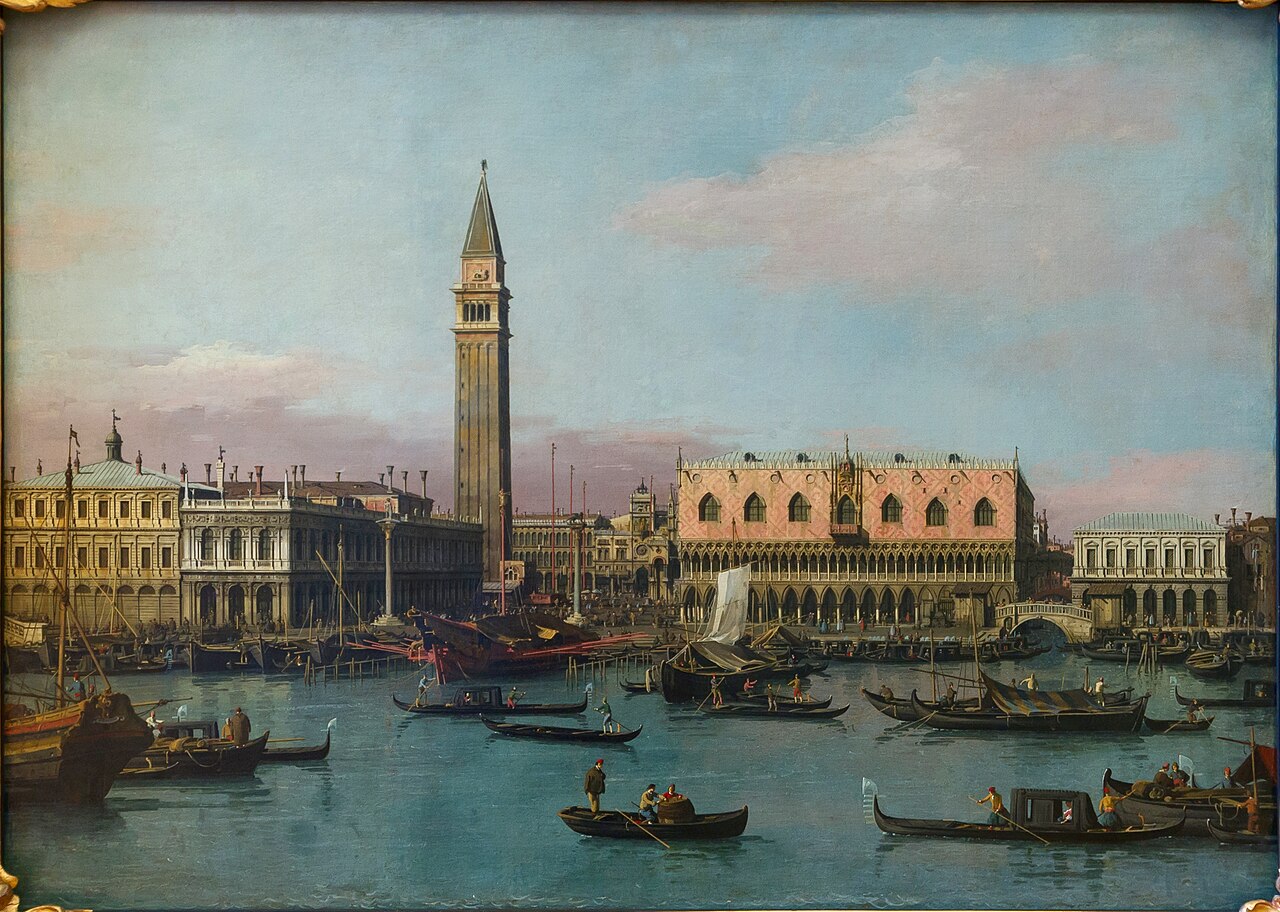
Venice, settled on a cluster of lagoon islands considered too marshy and indefensible to interest most medieval land powers, had little choice but to look seaward from its earliest years. Genoa, tucked into a narrow strip of Ligurian coastline backed by mountains, faced a similar geography. Both cities developed as self-governing communes ruled by merchant elites rather than feudal lords, and both invested heavily in shipbuilding, naval administration, and commercial law designed to protect merchant capital. Many historians trace the start of serious rivalry between the two to the eleventh and twelfth centuries, when both republics began competing for trading privileges in Byzantine and Crusader-held ports around the eastern Mediterranean.
Governance differed between the two in ways that affected their long-term resilience. Venice developed a relatively stable, if oligarchic, constitutional system centered on an elected doge and a Great Council drawn from a fixed list of noble merchant families, which limited factional violence and allowed for continuity of policy across generations. Genoa's government proved more volatile, repeatedly swinging between rule by rival noble clans, periods of French or Milanese overlordship, and short-lived popular governments. Many historians argue that this relative political instability, more than any single military defeat, left Genoa less able to sustain its commercial empire over the long run compared with Venice.
The Crusades and the Scramble for Levantine and Black Sea Trade
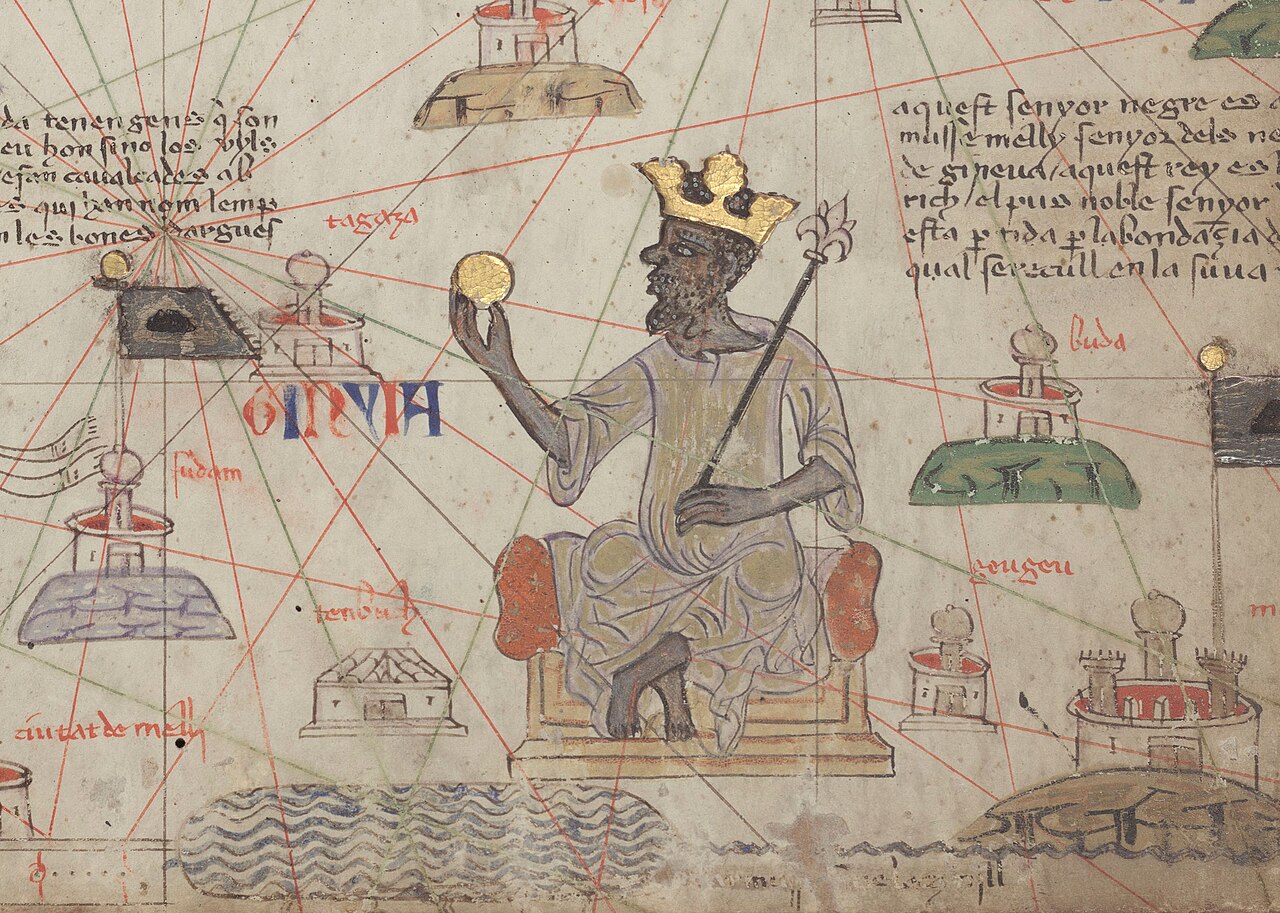
The Crusades, beginning in 1096, gave both Venice and Genoa an opening to establish fortified trading quarters in cities such as Acre, Tyre, and Constantinople, often in exchange for providing ships and supplies to Crusader armies. These quarters functioned as self-contained commercial colonies with their own churches, warehouses, and legal privileges, exempt from local taxation. After the Fourth Crusade diverted to sack Constantinople in 1204—an event in which Venetian leaders played a documented and self-interested role—Venice secured extensive trading rights and territory across the fractured Byzantine world, including colonies in Crete and the Aegean. Genoa, for its part, built a parallel network of colonies around the Black Sea, including the fortified port of Caffa in Crimea, which became a crucial outlet for goods arriving overland from Central Asia along routes that flourished during the era of Mongol rule discussed in our article on the Mongol Peace and the revival of the Silk Road. Both republics profited enormously from the trade in silk, spices, alum, grain, and enslaved people drawn from the Black Sea region, a commerce that, like much of medieval long-distance trade, relied on human bondage alongside luxury goods.
Each republic administered its overseas colonies through appointed officials. Venice typically sent a resident bailo or podestà to oversee trading quarters and adjudicate disputes among its own merchants, while Genoese colonies often operated under semi-autonomous chartered companies, such as the Maona, that managed outposts like Chios and Famagusta on behalf of Genoese investors. Control over specific commodities could be extremely lucrative: Genoa for a time dominated the trade in alum, a mineral essential for dyeing textiles, while Venice held privileged access to pepper and other spices arriving through Mamluk-controlled Egyptian ports such as Alexandria. These commercial advantages were jealously guarded and frequently became flashpoints for conflict, since losing a monopoly on a single commodity could meaningfully affect a republic's overall finances.
Open Warfare: Four Wars and the Crisis at Chioggia
Commercial competition between Venice and Genoa periodically erupted into outright war, with major conflicts recorded across the thirteenth and fourteenth centuries. The most dangerous of these, the War of Chioggia (1378–1381), brought a Genoese-allied fleet within sight of Venice's own lagoon, and for a time the republic's survival seemed genuinely uncertain. Venice ultimately prevailed, in part through naval reorganization and the loyalty of its lagoon defenses, and the peace settlement that followed left Venice with a stronger position in the Adriatic and eastern Mediterranean. Genoa, weakened by internal political instability and recurring factional conflict among its leading families, gradually lost ground as an independent naval power over the following century, even as individual Genoese merchants, financiers, and sailors—including, later, Christopher Columbus—remained active across European trade and exploration.
Financial Innovation Alongside Military Competition
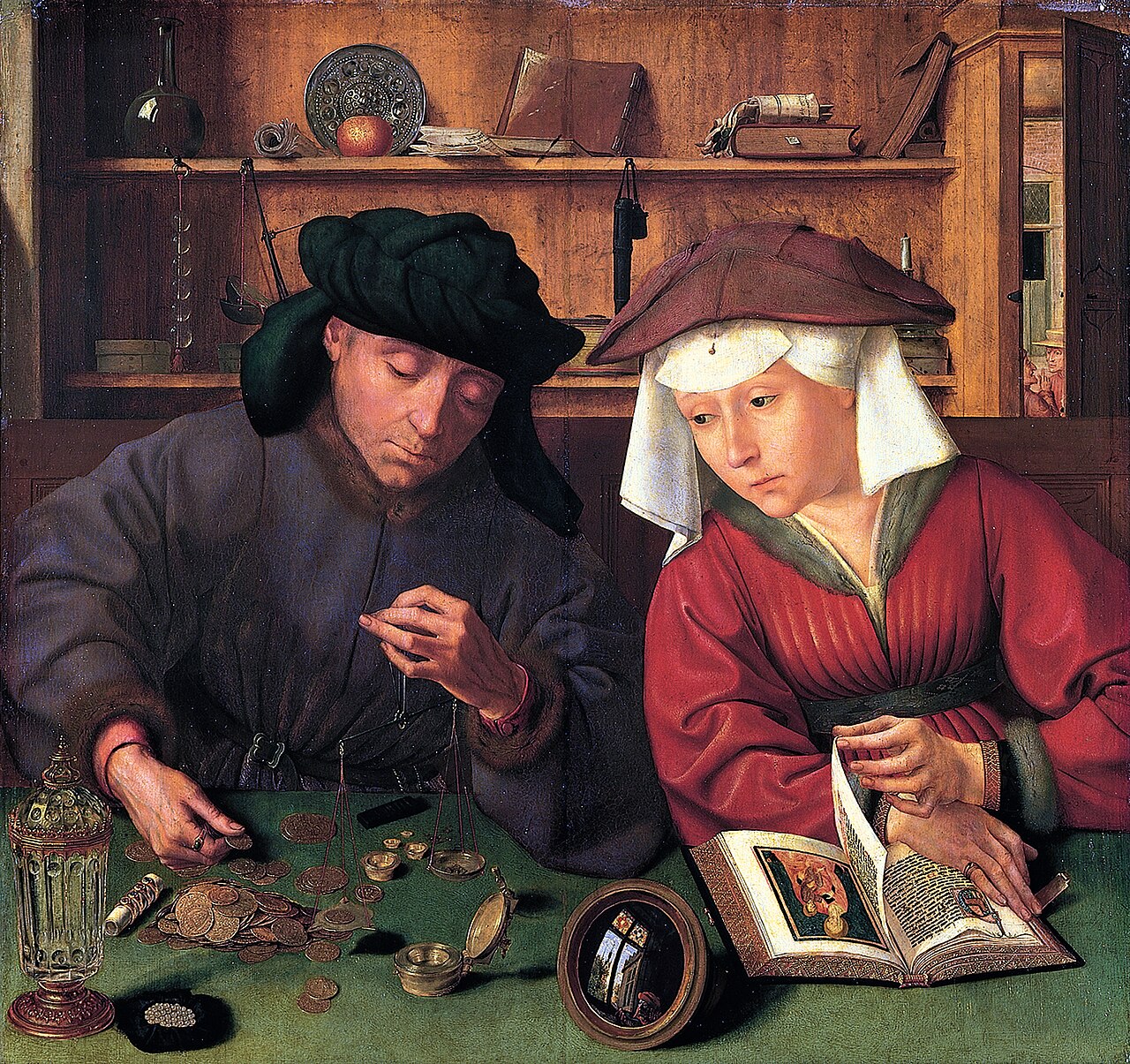
The rivalry was not purely military. Both cities pioneered financial instruments that would shape European commerce for centuries: marine insurance contracts, bills of exchange, double-entry bookkeeping conventions, and state-chartered trading companies that pooled merchant capital for long voyages. Venice's Arsenal shipyard could, by some estimates, assemble a war galley from stockpiled parts in a matter of days, an early example of standardized production applied to naval construction. These innovations reduced the risks of long-distance trade and allowed both republics to finance expeditions and wars on a scale that smaller trading cities could not match.
Both cities also depended on skilled labor pools concentrated in dedicated shipbuilding districts. Venice's Arsenale eventually employed thousands of workers organized into specialized trades, from caulkers to rope-makers, reflecting an early form of organized industrial production that modern historians sometimes compare to later manufacturing systems, even though it long predates industrialization in any modern sense. Genoa relied on a more dispersed network of private shipyards along the Ligurian coast, financed by merchant consortia rather than a single centralized state arsenal, which gave Genoese shipbuilding flexibility but less of the standardized capacity that let Venice mobilize large fleets quickly in wartime.
Decline and the Lasting Imprint on Mediterranean Commerce
By the fifteenth century, both republics faced a changing world. The Ottoman conquest of Constantinople in 1453, followed by steady Ottoman expansion through formerly Byzantine and Genoese territory in the Aegean and Black Sea, cut off or heavily taxed many of the trade routes that had sustained both cities' wealth. The opening of Atlantic sea routes to Asia and the Americas around the turn of the sixteenth century further shifted European commercial gravity away from the Mediterranean altogether, a change neither Venice nor Genoa could fully reverse despite continued trading activity for centuries afterward. Still, the institutions the two republics pioneered—maritime insurance, chartered companies, and formalized commercial law—became foundational to later European trade, and their long contest over Mediterranean sea lanes remains a defining example of how commercial interest, not just royal ambition, could drive medieval warfare. Readers interested in the broader medieval trading world this rivalry was part of can explore our timeline of medieval trade history.